Best Time to Visit Hoi An: Weather, Crowds & Trip Style
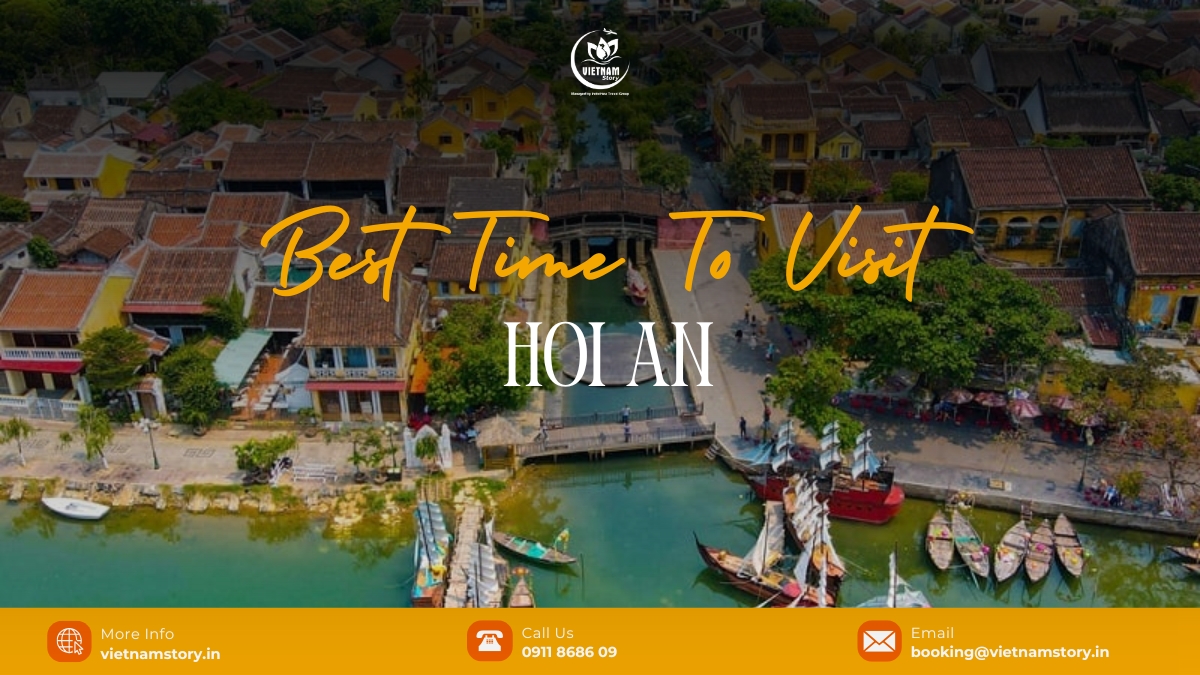
The best time to visit Hoi An depends on what you want from the trip. For the easiest balance of walking weather and outdoor sightseeing, March to May is a strong starting window; June to August suits travellers who accept more heat for beach time, while the wetter months need more flexibility. This page owns the when should I go? decision. For the climate pattern itself, use our Hoi An weather guide.When is the best time to visit Hoi An to contemplate the beauty of the ancient town?
Start with the weather pattern, then choose by travel style
First, let’s understand the basics of Hoi An’s climate.
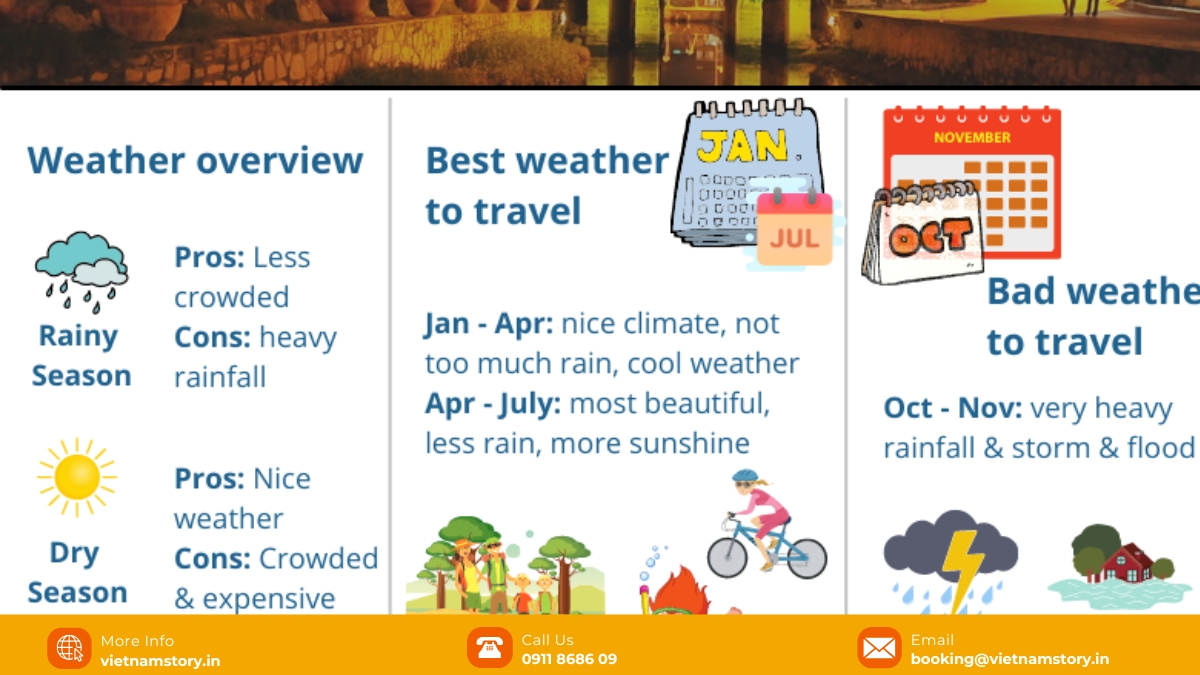
Climate type: We have a tropical monsoon climate, which simply means we have two clear seasons: one dry and one wet.
Temperature range: Hoi An is warm all year round, with temperatures typically ranging from a cool 18°C to a hot 35°C.
Humidity: The air is quite humid throughout the year, often above 80%, which can make the hot days feel even hotter.
Here is a simple breakdown of how the seasons affect your travel experience:
Season
Months
Weather Characteristics
Travel & Tourism Impact
Earlier dry season
February – April
Cool, dry, and incredibly pleasant. Low humidity and minimal rainfall. Avg. 20°C to 28°C.
This period is generally easier for outdoor sightseeing, but crowd levels and hotel prices still depend on holidays, weekends and events.
Dry Season (Hot Summer)
May – August
Hot, very sunny, and increasingly humid. Peak temperatures can reach ≈35°C.
This is the peak beach season. It’s the busiest time for tourists and when hotel prices are at their highest. Ideal for swimming and water sports.
Rainy Season (Wet/Cool)
September – January
Cooler temperatures but high rainfall (peaking in Oct/Nov). There is a risk of typhoons and flooding.
This is the off-season. You’ll find the lowest hotel prices, far fewer crowds, and beautifully lush, green scenery. Best for indoor and cultural activities.
Best time to visit Hoi An
Let’s match the best time to visit with your personal travel style.
Easiest overall window: March to May
March to May is a useful starting window for travellers who want comfortable walking and outdoor sightseeing with generally brighter conditions. Weather still varies by year, so treat the month as a planning signal rather than a guarantee. This period usually works well for Ancient Town walks, cycling, countryside time and beach visits without relying on the hottest part of summer. Crowds and hotel prices still depend on weekends, holidays and events. If your dates are flexible, compare the exact travel week rather than assuming one month is always quieter or cheaper.
Peak season for beaches & heat (May to July)
If your dream holiday involves sunbathing on An Bang beach, swimming in crystal-clear water, and taking a snorkeling trip to the Cham Islands, this is your time. The weather is hot and sunny, guaranteeing perfect beach days. The heat during these months can be very intense. It’s important to plan your activities to avoid the midday sun (11 AM to 3 PM), stay hydrated, and use plenty of sun protection. This is also the busiest and most expensive time to visit.
Best time for budget & tranquility (October to January)
If you are traveling on a budget or simply want to experience Hoi An without the crowds, this is a great time to visit. You can find significant discounts on hotels and enjoy a much quieter, more peaceful travel experience. This is the season with the highest chance of heavy rain, flooding, and typhoons (especially in October and November). You must be flexible with your plans. The constant rain turns the surrounding countryside into a stunning, vibrant, and lush green landscape. It’s a very beautiful and moody time for photography.
Month-by-month trip fit
Hoi An has a unique beauty in every season Here’s a closer look at what to expect each month.
Month
Avg. Temp Range (°C)
Rainfall (Approx.)
Primary Tourist Activity Focus
Crowd/Pricing Influence
Jan
19° – 25°
Moderate
Sightseeing, cultural tours, and enjoying the festive atmosphere as the town prepares for Tết.
Low/Moderate
Feb
19° – 26°
Low
Optimal Weather. The town is buzzing with Tết Festival celebrations.
Moderate (Spikes during Tết)
Mar
19° – 26°
Very Low
Ideal exploration. Perfect for cycling, walking, and the first beautiful beach visits of the year.
Moderate
Apr
24° – 31°
Very Low
Excellent weather. Perfect for both exploring the town and relaxing on the beach.
Moderate/High
May
25° – 33°
Moderate
Hot, clear, and sunny. The best conditions for beach life and diving at the Cham Islands.
High
Jun
26° – 34°
Moderate
Peak heat. Holidays are focused on the sun, sea, and sand.
High
Jul
25° – 35°
Moderate
Hottest month. Beach and water sports are the main activities.
High
Aug
25° – 34°
Increasing
The rainy season begins to creep in towards the end of the month.
Moderate/Low
Sep
23° – 29°
High
Cooler temperatures, with frequent rain showers. The Mid-Autumn Festival often falls in this period.
Low
Oct
23° – 29°
Very High
Wettest month. A time for indoor activities. Flooding is possible.
Low
Nov
22° – 27°
Very High
The coolest and wettest period. Best for a quiet, tranquil trip with a focus on indoor activities.
Low
Dec
20° – 25°
High
Cool and damp. Less rain than Oct/Nov, but still wet.
Low/Moderate
Seasonal cultural events and festivals
Timing your visit with a local festival can make your trip even more magical.
Festival
When It Occurs
Weather Alignment
Highlight
Tết (Lunar New Year)
Late January or Early February
Best Weather (Cool & Dry)
This is the most important national holiday. The town is beautifully decorated with flowers and lanterns.
Hoi An Lantern Festival
Monthly (14th day of the lunar month)
Best during the Dry Season
A magical night when all electric lights are turned off, and thousands of paper lanterns illuminate the Ancient Town and the river.
Thien Hau Festival
Approx. April
Optimal Weather
A major event for the Chinese community, celebrating the Goddess of the Sea with colorful processions.
The midday heat from June to August can be intense. Heavy rain from October to November can cause flooding in the low-lying streets.
Beach & Water Sports
May – July
Beaches are often closed or unsafe during the heavy rain and typhoon season (September-November).
Cham Island Snorkeling
May – July
Boat travel is often canceled, and the water is not clear during the rainy and typhoon season.
Flooding/Typhoons
Peak Risk: October – November
Flooding in the Ancient Town is possible. Typhoons can cause flight and tour cancellations. Flexibility is key.
Essential packing and planning
Dry season packing: Pack lightweight, breathable clothing like cotton and linen. High-SPF sunscreen, a hat, and sunglasses are absolutely mandatory.
Rainy season packing: Pack quick-dry clothing, a good waterproof jacket, an umbrella, and waterproof footwear.
Budget & booking: Book your flights and hotels well in advance for the peak season (May-July). You can enjoy great discounts during the low season (October-January).
Flexibility & Insurance: This is a crucial tip. Always purchase travel insurance that covers weather-related disruptions, especially if you are traveling during the rainy season.
Choose the month by trade-off, not by a single “best” label
For India travelers who are looking for that perfect balance of comfortable weather for sightseeing and pleasant warmth for the beach, March and April are the absolute sweet spot for your Hoi An tour package. At Vietnam Story, we ensure your itinerary is perfectly adapted to the season you choose to travel in, so you can focus on enjoying the incredible magic of this ancient town. Contact us today, and let us help you plan a journey that maximizes your enjoyment, no matter what the forecast says.
Hana: I'm Hana, a passionate writer and your dedicated guide at the Vietnam Story brand. Fueled by a deep love for travel and exploration, my mission is to bring the stunning landscapes and rich culture of Vietnam closer to you through my writing.