
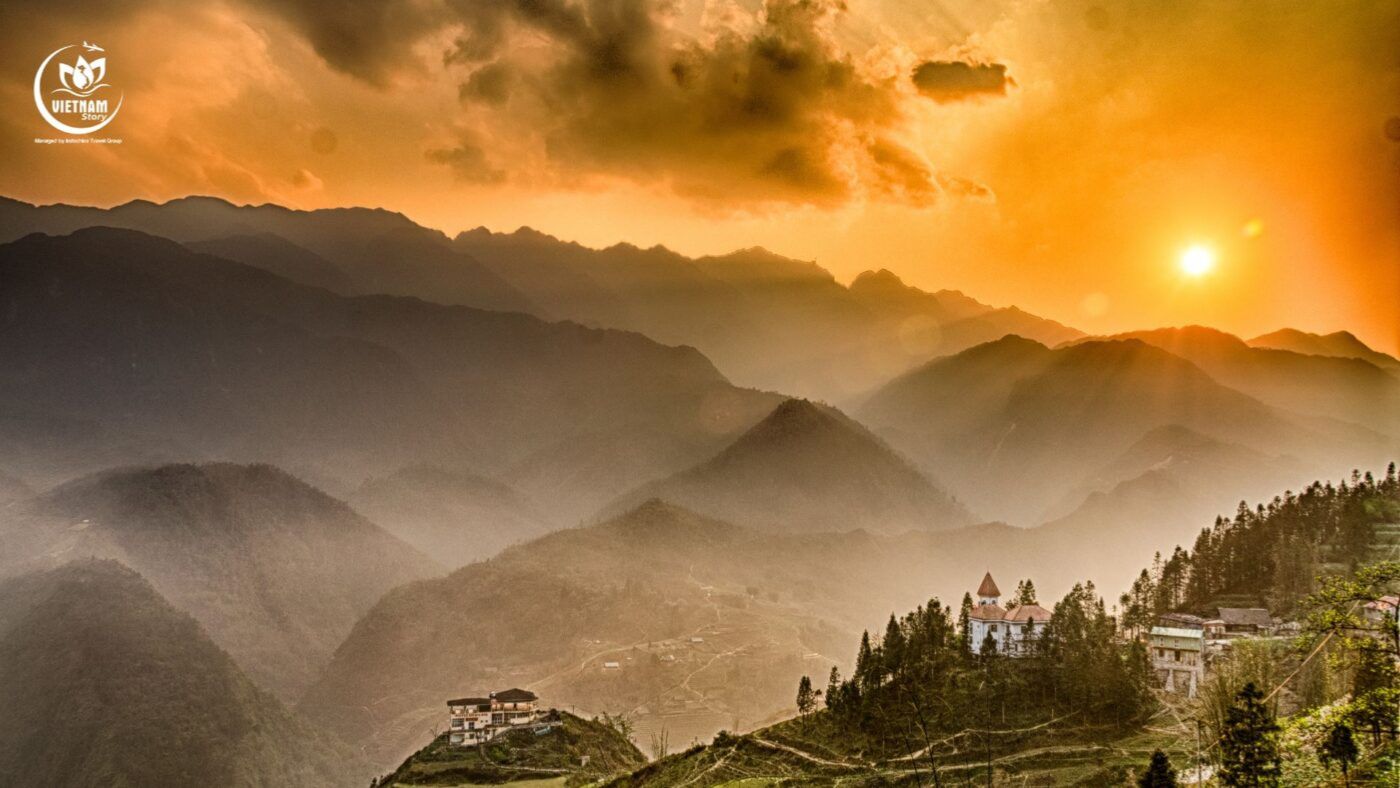
Sapa works best when the mountain experience is important enough to justify the journey from Hanoi. The destination can combine terraced valleys, trekking, village landscapes, Fansipan and cooler highland weather, but it is easy to overpack the route if every viewpoint, village and waterfall becomes a separate “must-see”. We would decide three things first: how many usable days you have, how active the group wants to be, and whether you want to stay mainly in Sapa town or spend more time in the valleys.
Is Sapa worth adding to a Northern Vietnam trip?
Yes—when mountains, trekking or highland scenery are one of the main reasons for travelling. Sapa adds something very different from Hanoi, Ninh Binh and Ha Long Bay, but it also needs a larger transport block than those destinations. On a short North Vietnam trip, we would usually make Sapa a trade rather than simply add it on top of everything else.
If the real question is whether the destination still fits your travel style despite tourism growth and busier town areas, use our Is Sapa still worth visiting? guide. This destination pillar stays focused on how many days to give Sapa and how the main experience groups fit together.
How many days should you spend in Sapa?
| Usable time | How we’d shape it | What we would avoid |
|---|---|---|
| 2 days / 1 night | Choose one major mountain experience such as Fansipan or one valley/village block, then keep the second half-day flexible around town or a nearby viewpoint. | Trying to combine Fansipan, a long trek, several villages and the O Quy Ho side in one short stay. |
| 3 days / 2 nights | Give one day to the valley/village side and one to Fansipan or the mountain-road side, with enough room for weather or visibility changes. | Scheduling every day around a fixed sunrise, summit or trekking promise. |
| 4 days or more | Add a longer trek, a slower village stay or more time around Muong Hoa and the surrounding highlands instead of collecting more roadside stops. | Using the extra night only to add another transfer-heavy attraction. |
For most first-time itineraries, three usable days gives the route more breathing room than a rushed overnight. The right answer still depends on the arrival/departure times and whether trekking is central to the trip.
Plan the Hanoi–Sapa journey before the sightseeing
Sapa does not have a railway station. Road services travel directly from Hanoi to Sapa, while rail-based journeys reach Lao Cai first and need a final road transfer up to the mountain town. The practical choice is about door-to-door time, sleep quality, luggage, group size and where the service actually drops you, not simply whether “bus or train” sounds cheaper.
Use our Hanoi to Sapa transport guide for the current bus, limousine, train-plus-transfer and private-car comparison. If Sapa is being added to a wider regional route, first make sure the mountain transfer does not erase the time you wanted for Hanoi, Ninh Binh or the bay.
Choose the season by the experience you want
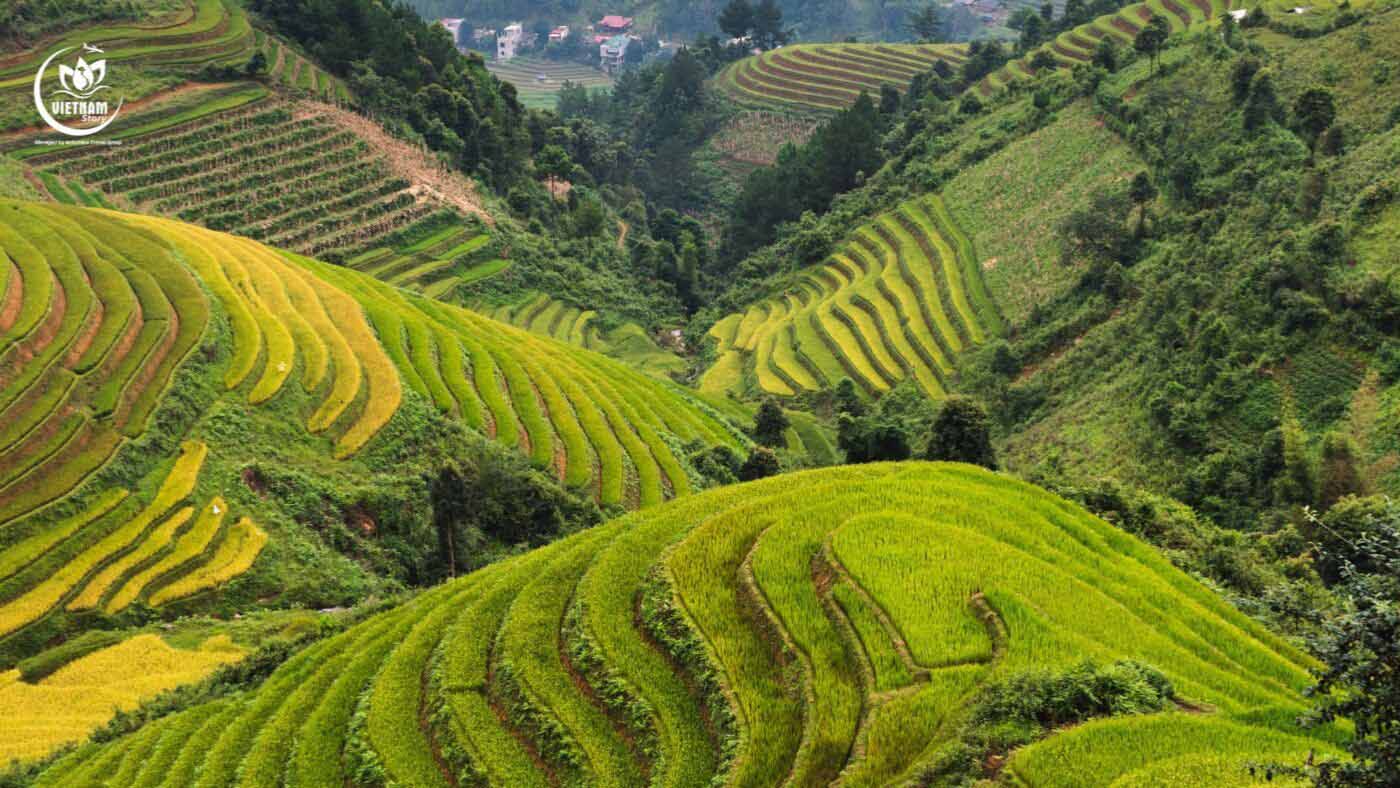
Sapa’s weather can change what the destination feels like more than a simple temperature table suggests. Mist can hide mountain views; rain changes trekking conditions; cold affects how long groups want to stay outdoors; and the rice terraces look different through the growing cycle.
If your dates are flexible, use our Best Time to Visit Sapa guide to match trekking, rice terraces, visibility and temperature to the travel window. If your dates are fixed, treat seasonal guidance as planning context rather than a promise of clear views.
What kind of Sapa trip are you building?
Instead of starting with a long attraction list, choose the main experience type first. That keeps the route coherent and makes it easier to decide which specialist guide you actually need.
| Your priority | Start with | Then consider |
|---|---|---|
| Mountain panorama without a long trek | Fansipan | Use the cable-car guide for the ride itself, then keep another half-day for town or a valley view. |
| Trekking and rice terraces | Muong Hoa Valley | Choose the route by walking time, weather, guide needs and where you will finish the day. |
| A shorter village visit | Cat Cat Village | Use it when proximity and easier logistics matter more than a longer valley trek. |
| Mountain-road scenery | O Quy Ho Pass | Add Silver Waterfall or Rong May Glass Bridge only if they already fit the same road-side route. |
| Photography / landscape planning | Sapa views and landscapes guide | Let visibility, light and the actual route decide the viewpoint rather than chasing a fixed “top photo spot” list. |
If you are still choosing between all of these experience types, use our places to visit in Sapa guide. That page should own the attraction shortlist; this pillar should own the wider trip shape.
Fansipan is a separate mountain block, not just another viewpoint
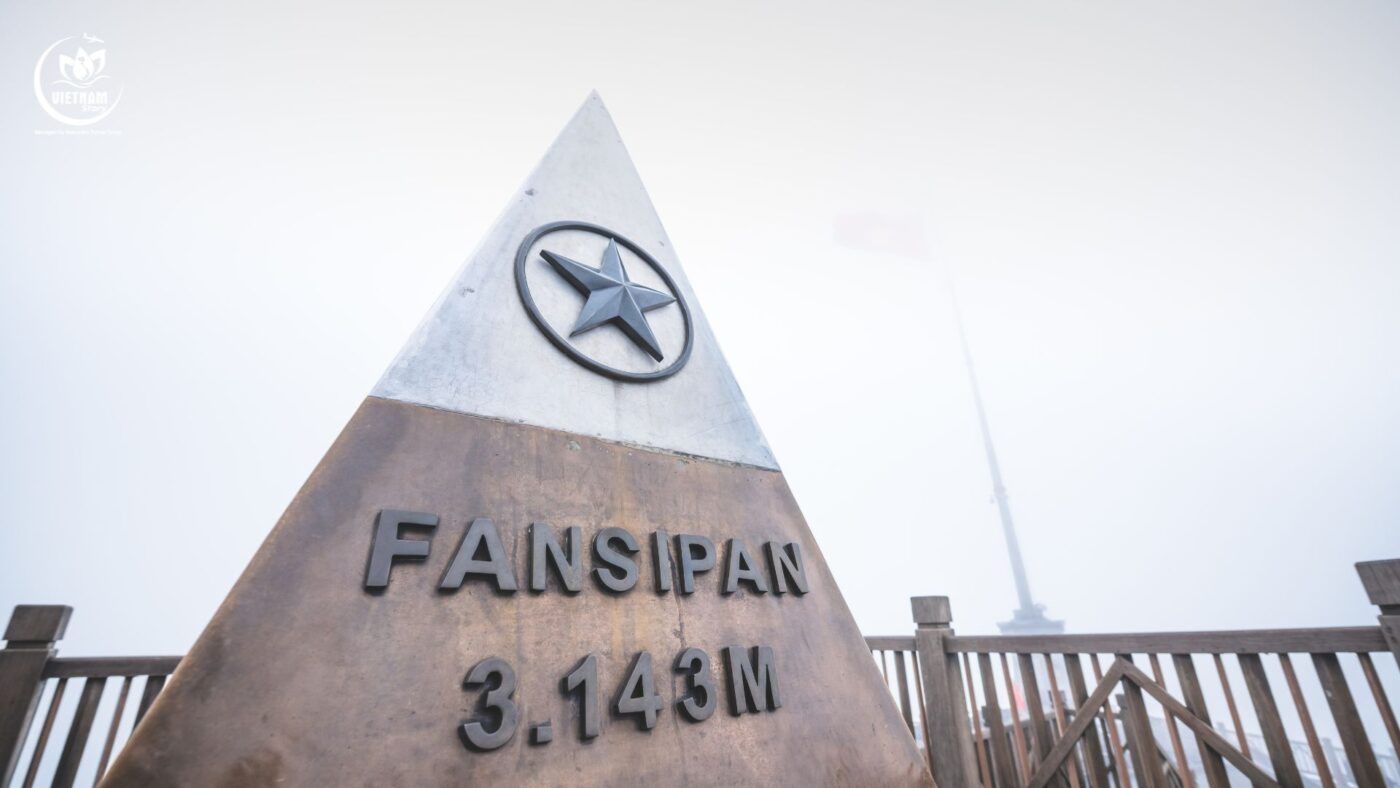
Fansipan is the highest peak in Vietnam and one of Sapa’s defining mountain experiences. The cable-car system makes the upper mountain accessible without committing to a multi-day climb, but summit visibility, weather and operating arrangements still matter.
Use the Fansipan Mountain guide when deciding whether the mountain belongs in the itinerary. Once the decision is yes, move to the Fansipan cable-car guide for the actual transport sequence and visit details. This keeps the broader destination page from duplicating ticket and operational information.
Village visits should be chosen by route and context
Sapa and the surrounding highlands are home to Hmong, Red Dao, Giay and other local communities. A village is not simply a scenic backdrop, and different places serve very different visitor roles. Cat Cat is close to town and heavily visited; Muong Hoa routes can involve longer walks through several communities and agricultural landscapes; other villages may make sense when a guide, homestay or specific trekking route already connects them.
If the cultural layer is important to you, use our Hmong and Dao villages guide before choosing a village from a generic “top attractions” list. We would prioritise respectful local interaction, clear guide arrangements and realistic walking time over claims of an “authentic” experience.
Where should you stay in Sapa?
Sapa town is the easiest base when restaurants, transport pickup, the Fansipan station area and a walkable evening matter. Valley or village stays make more sense when the accommodation itself is part of a slower trekking or countryside experience.
- Choose Sapa town for a first visit, shorter stay, mixed-age group or itinerary with several separate day trips.
- Choose a valley/village stay when you deliberately want more time outside the town centre and the route already includes trekking or a community-based stay.
- Do not choose by “authentic” versus “touristy” labels alone: check road access, luggage handling, heating, room facilities, meal arrangements and how you will reach the next day’s activity.
For a two- or three-night trip, it can be more useful to keep one stable base than to move hotels simply to collect different areas. If the base itself is still undecided, use our Where to Stay in Sapa guide to compare town, Muong Hoa/Ta Van and village-homestay options before choosing the property.
Food works best when it is planned around the day
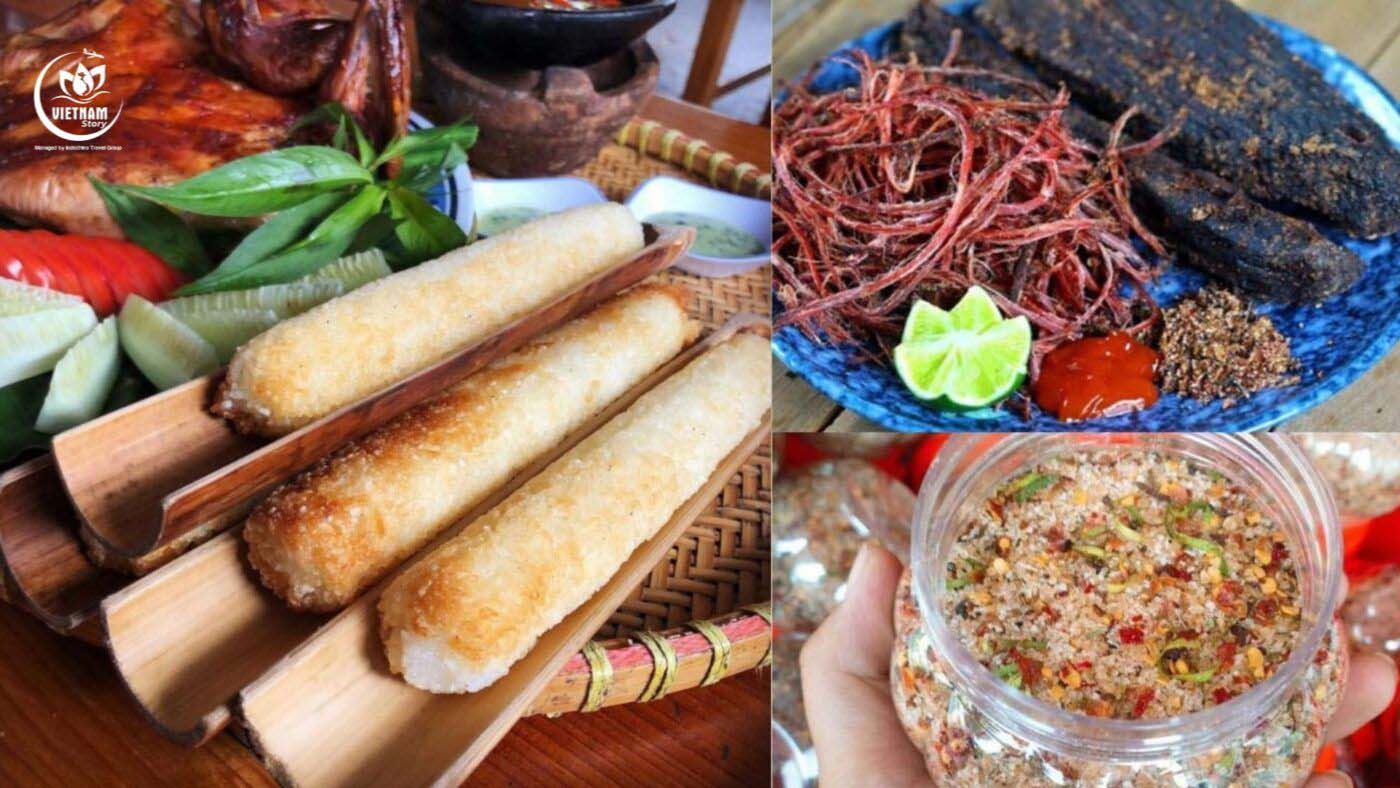
Mountain weather and long activity days can make meal timing more important in Sapa than travellers expect. Local food is part of the experience, but vegetarian, Jain, vegan, allergy or no-onion/no-garlic requirements need to be explained precisely rather than hidden inside a generic “vegetarian” request.
Use our Sapa local-food guide for the regional dishes and dining context. If the meal itself is part of a village stay, the village dinner guide should own the questions about setting, menu expectations and what to confirm with the host or operator.
How Sapa compares with Ninh Binh and Ha Giang
Sapa is not automatically the best northern mountain choice, and it is not a substitute for every other landscape destination.
- Ninh Binh vs Sapa: choose Ninh Binh when shorter travel time, river scenery and gentler sightseeing fit the route better; choose Sapa when mountains, trekking and highland landscapes justify the longer travel block. Use our Ninh Binh vs Sapa comparison if this is the actual unresolved choice.
- Sapa vs Ha Giang: choose by the type of mountain experience rather than by a generic “more adventurous” label. Use our Sapa vs Ha Giang comparison to compare trekking, road travel, comfort and time commitment.
For a wider North Vietnam route, our North Vietnam itinerary guide explains when Sapa should replace another landscape block instead of being added on top of Hanoi, Ninh Binh and Ha Long Bay.
Practical planning before you lock the itinerary
- Build in weather flexibility: mountain visibility and trail conditions can change faster than a city itinerary.
- Match walking to the group: village routes, Fansipan stairs and valley treks do not suit every mobility level in the same way.
- Keep transport and hotel location connected: the cheapest room can create extra pickup or luggage problems if it sits far from the route you actually booked.
- Confirm guide and trekking scope: “trekking in Sapa” can mean anything from a short village walk to a full-day or overnight route.
- Do not carry old fixed prices across pages: tickets, vehicles and activity products should be checked on the specialist guide or with the supplier for the exact date.
Use Sapa as a mountain decision, not a checklist
Our advice is to choose the main reason for going first: Fansipan, trekking and valleys, village landscapes, or a slower highland stay. Once that anchor is clear, add only the experiences that fit the same route and pace. A good Sapa trip feels like time in the mountains; a poor one feels like a sequence of pickups, cable cars and photo stops.
If you want Vietnam Story to place Sapa inside a wider Vietnam itinerary, confirm the number of usable days, preferred walking level, hotel style and any meal requirements before the final route is priced. The written itinerary should show the actual transport, nights, activities and inclusions rather than relying on a generic “Sapa package” label.
Example Sapa routes currently available
The tour cards below are examples of how Sapa can sit inside a wider Vietnam trip. Open the individual itinerary to check the actual nights, transfers, activities, meals and guide services before comparing one route with another.

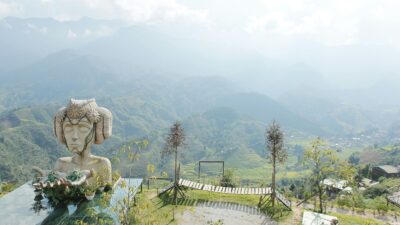
Hanoi - Sapa - Cat cat Village - Ninh Binh - Halong Bay - Da Nang - Golden Bridge - Hoi An - Ho Chi Minh City - Mekong Delta - Cu Chi Tunnels
- Complimentary
- Travel Insurance
- Complimentary
- Data SIM — Valid for Up to 15 Days


Hanoi - Sapa - Halong Bay - Danang - Hoi An Ancient Town - Ho Chi Minh City - Cu Chi Tunnels - Mekong Delta
- Complimentary
- Travel Insurance
- Complimentary
- Data SIM — Valid for Up to 15 Days


Hanoi - Sapa - Cat cat village - Fansipang Peak - Haalong bay -overnight on cruise
- Complimentary
- Travel Insurance
- Complimentary
- Data SIM — Valid for Up to 15 Days