
This is the Hue destination-planning hub and the broad owner for things to do, places to visit and Hue attractions. Use it to decide how many usable days to give the former imperial capital, how to split the Imperial City and royal tombs, and whether Hue belongs as an overnight stop or a day trip in your Central Vietnam route. Current ticket, weather and operating details should be checked for your travel date after the route itself is clear.
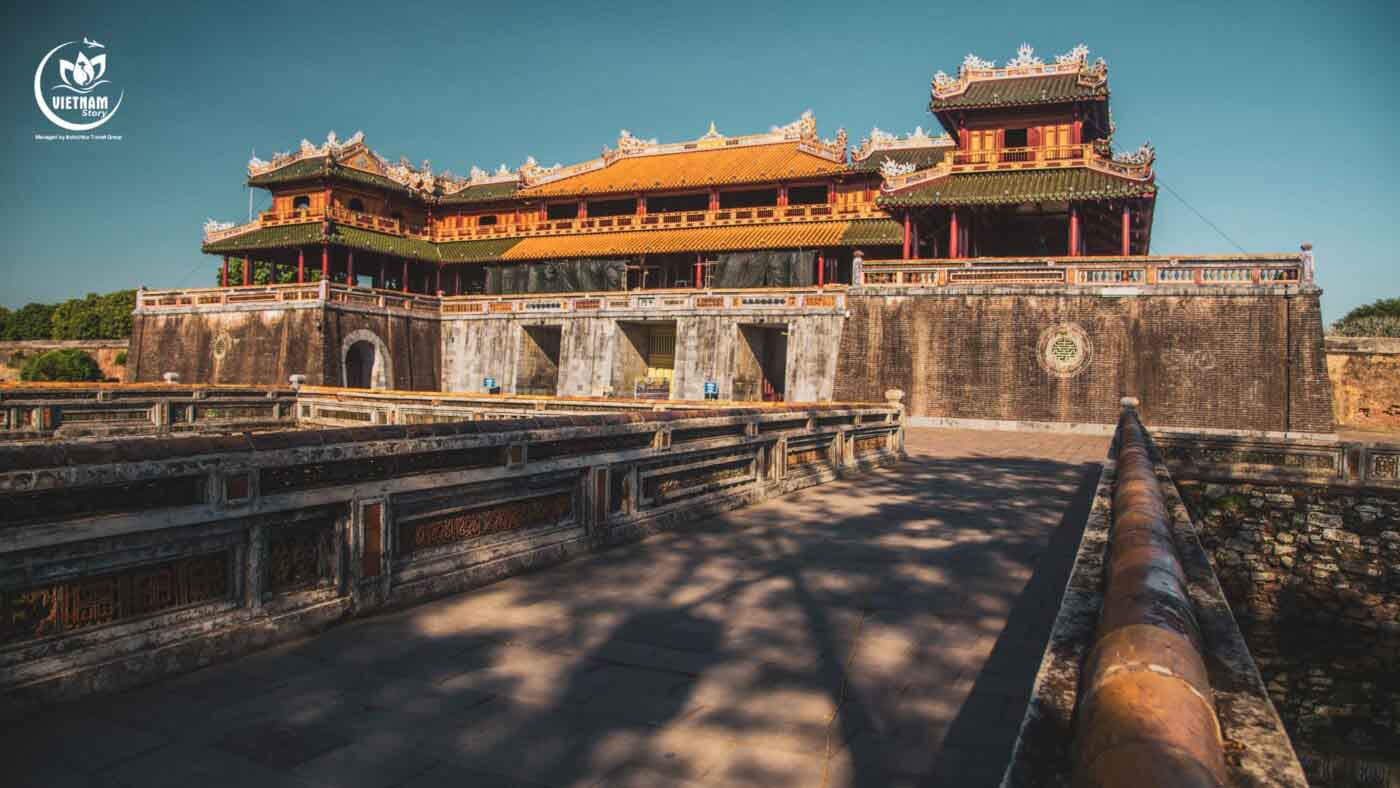
Where Hue fits in a Central Vietnam trip
Hue sits on the Perfume River in central Vietnam and has been a centrally governed city since 1 January 2025, replacing the former Thua Thien Hue province. For travellers, the more useful point is route geography: Hue works naturally between Da Nang/Hoi An and destinations farther north, while the Imperial City and royal tombs need more time than a quick photo stop.
Hue has a pronounced wet season and can receive heavy rain, so do not choose your sightseeing order from one fixed “best month” rule. On hot or wet days, protect the Imperial City for the better weather window, keep museum or food time flexible, and check the forecast shortly before travel. Use this hub for route-level planning and check month-specific weather shortly before travel rather than relying on one fixed seasonal promise.
Getting to Hue from India
Hue has its own airport, Phu Bai International Airport (HUI), while Da Nang International Airport (DAD) is the larger Central Vietnam gateway used by many India-origin itineraries. In practice, compare the whole journey rather than the airport name: a domestic connection into HUI may reduce road time, while arriving in Da Nang can work better when the same trip also includes Hoi An or Da Nang.
- Via Phu Bai (HUI): check live domestic connections and total connection time for your travel date.
- Via Da Nang (DAD): continue to Hue by road or train; this is especially logical when Da Nang/Hoi An is already in the route.
- By train: Hue is on the north-south railway. The Hue–Da Nang section crosses the Hai Van area and can be a scenic transfer rather than dead travel time.
For India-origin planning, use the Vietnam airport gateway guide to choose the arrival city before locking the Central Vietnam order.
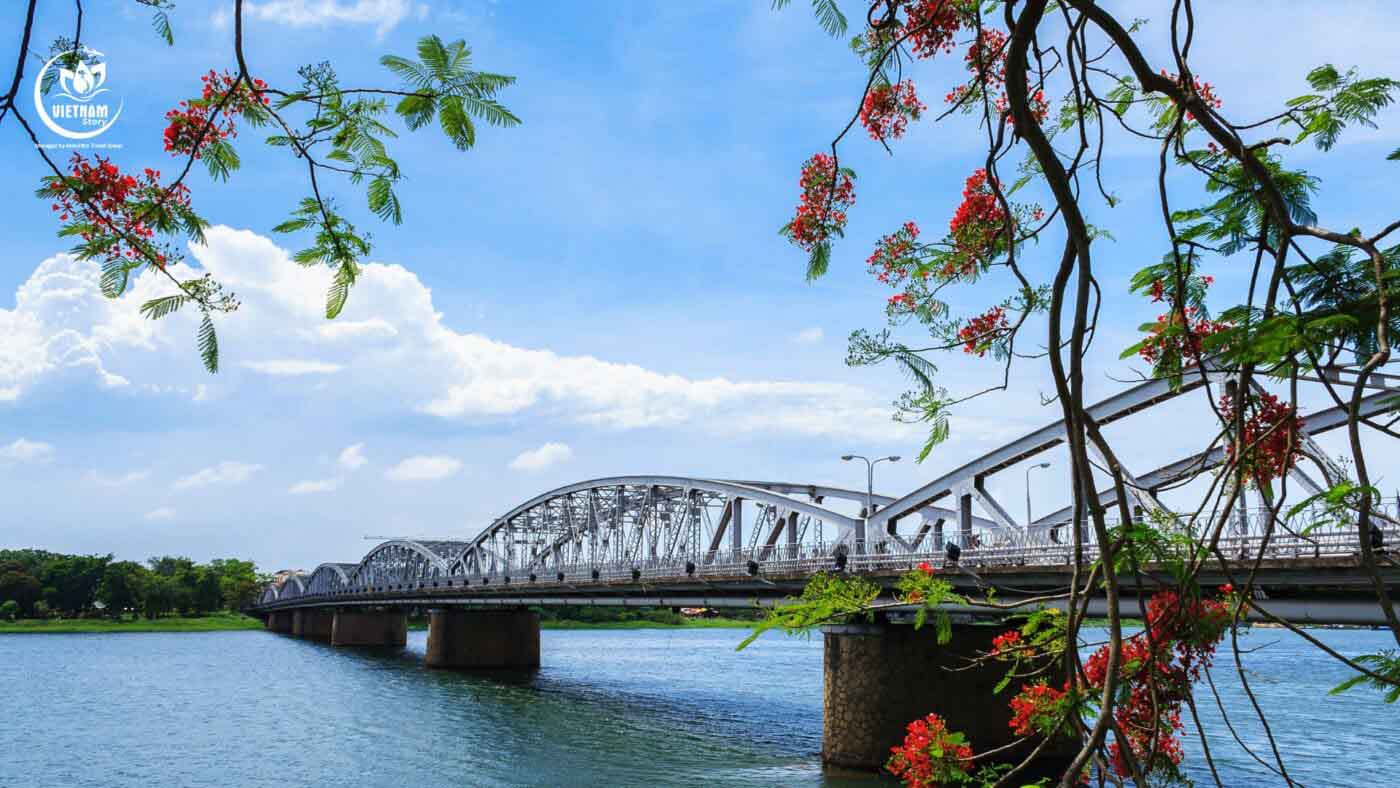
Getting around Hue
- Walking: useful around the riverfront and selected central streets, but the Imperial City itself is large enough to require real walking time.
- Booked car, taxi or ride-hailing: the simplest way to connect royal tombs that sit outside the central sightseeing core.
- Bicycle: suitable for slower, shorter routes when the weather is comfortable and your accommodation is well located.
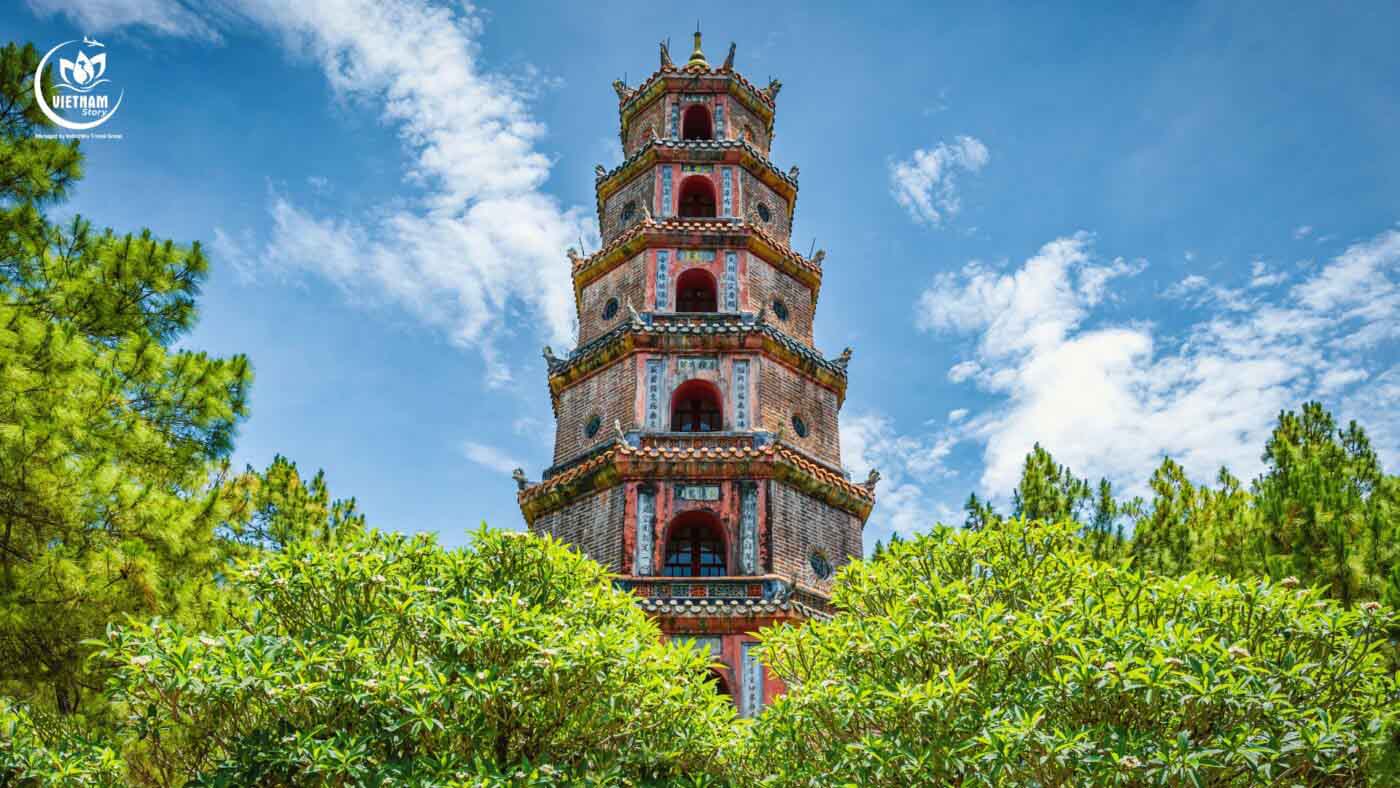
- Boat: useful as an experience on the Perfume River or as part of a route involving Thien Mu Pagoda; confirm the actual pier and schedule before building the day around it.
We would not make self-riding a motorbike the default recommendation for a short first visit. Check licence validity, insurance and road conditions before choosing it purely to save transfer cost.
Best things to do in Hue: choose by time and route
Hue is easier to enjoy when you separate the Imperial City core from the royal tomb route. The tombs sit outside the centre, so trying to visit every famous site in one rushed circuit usually creates more driving than understanding.
| If you have… | Prioritise… | Add only if time and energy allow |
|---|---|---|
| Half a day | Imperial City and a short Perfume River/Truong Tien Bridge block | Dong Ba Market if it fits the same route |
| 1 full day | Imperial City + Thien Mu Pagoda + one royal tomb | A second tomb only if heritage is the main reason you came |
| 2 days | Day 1 for the Imperial core; Day 2 for two contrasting royal tombs and food/river time | Market, garden house or a slower neighbourhood stop |
| 3 days | Keep the first two days Hue-focused | Add Bach Ma/Lang Co or another excursion only if it improves the wider Central Vietnam route |
The Imperial City is the anchor
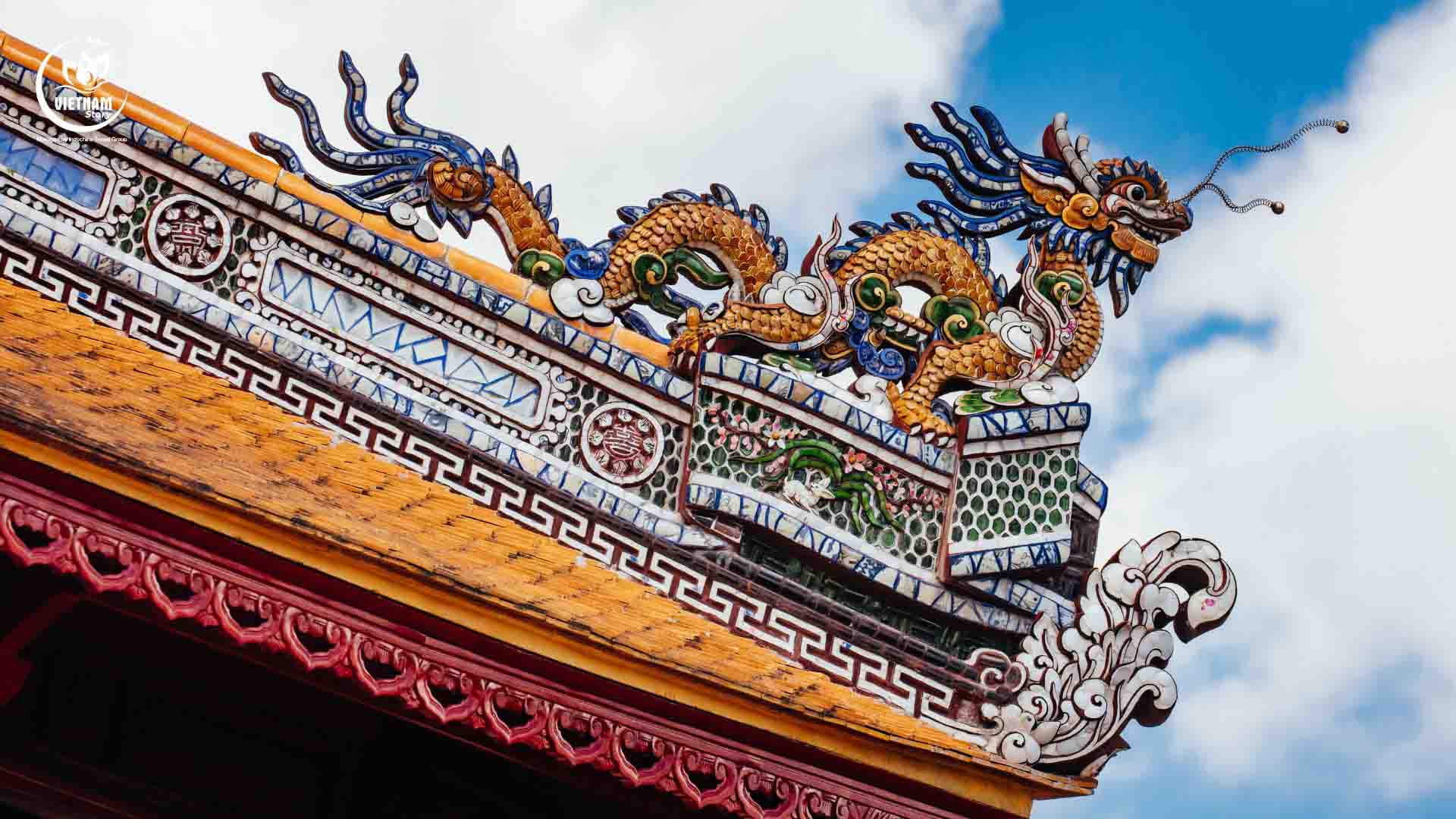
The Complex of Hue Monuments is the main reason many travellers add Hue. Give the Imperial City a substantial sightseeing block rather than treating it as one stop among many; the walled complex, gates, courtyards and restored structures need time on foot.
Choose royal tombs by contrast, not quantity
- Khai Dinh: a compact, highly decorative choice that contrasts sharply with the landscape-led tombs.
- Minh Mang: a strong choice when symmetry, gardens, lakes and a larger ceremonial landscape appeal to you.
- Tu Duc: suits travellers who prefer a more reflective garden-and-pavilion atmosphere.
For most first-time visitors, one or two tombs are enough to understand the differences without turning the day into repeated transfers. For this hub, the useful rule is to choose tombs for contrast; confirm current ticket and operating details closer to your visit.
Thien Mu, Dong Ba and the river complete the city story
Thien Mu Pagoda works naturally with the Perfume River side of a Hue day. Dong Ba Market adds everyday city life and food context. Bach Ma National Park is a separate excursion, not a central Hue attraction, so it should not compete with your Imperial City time on a short stay.
Where to stay in Hue
Choose the area before the hotel. Hue is compact enough for short transfers, but the river and heritage core create different stay experiences.
| Area | Best for | Main trade-off |
|---|---|---|
| South bank / central city | First visits, restaurants, cafés and convenient evening access | Busier than the heritage side |
| North bank / Citadel side | Heritage atmosphere and slower mornings near the Imperial City | Fewer dining and nightlife choices immediately around some streets |
| Riverside / quieter outskirts | Resort-style stays, couples and travellers who value space and calm | More transfer time for meals and multiple sightseeing stops |
For the wider location logic, compare this with our where to stay in Vietnam guide. Hotel names and rates change more quickly than neighbourhood trade-offs, so this hub should not depend on a static property list.
What to add after the main heritage sites
- Perfume River: use a river block as a change of pace, not as a substitute for the Imperial City or tombs.
- Traditional performance: useful when music and court culture are part of your interests; confirm the current venue and schedule before planning the evening around it.
- Garden houses and slower neighbourhoods: a better third layer for travellers who have more than one day and want something quieter than another major monument.
- Food: leave a real meal window for Hue specialities instead of squeezing them between distant tomb stops.
What to eat in Hue
Hue food deserves its own time, but this destination hub only needs the reliable starting points. Restaurant-level freshness and detailed vegetarian options should be checked separately rather than frozen into a static list here.
- Bún bò Huế: the city’s best-known noodle dish, usually built around a fragrant, savoury broth with lemongrass and chilli.
- Cơm hến or bún hến: small clam-based rice or noodle dishes associated with Hue, served with herbs and contrasting textures.
- Bánh bèo, bánh nậm and bánh lọc: a useful way to sample Hue’s small steamed or translucent rice/tapioca cakes without treating every variation as a separate “must-eat”.
- Bánh khoái: a crisp savoury pancake associated with Hue and a better local fit than using generic bánh xèo as the city’s signature.
- Chè Huế: a broad family of sweet soups and desserts that works well as a lighter food stop.
If your group also needs dal, roti, paneer or familiar vegetarian meals, use our Indian food in Vietnam city-by-city guide alongside local Hue meals.
How many days should you give Hue?
One full day works as a selective introduction: protect most of the day for the Imperial City, then add Thien Mu Pagoda or one royal tomb depending on your interests. Do not try to turn one day into the Imperial City plus every major tomb.
Two full days is the better first-visit shape for travellers who care about history: one day for the Imperial core and riverfront, another for two contrasting tombs, food and a slower cultural stop. A third day only adds value when you want a nearby nature/coast excursion or a deliberately slower pace.
If Hue is competing with Hoi An for limited Central Vietnam days, use our Hoi An vs Hue comparison. For the wider route order, continue to the Central Vietnam itinerary for Indian travellers.
What to buy in Hue without building the trip around shopping
- Conical hats and small handicrafts: choose items you can inspect for workmanship and pack safely.
- Incense and locally made craft items: useful when you want something tied to Hue’s craft traditions rather than generic souvenirs.
- Packaged local food or tea: check Indian customs rules and airline baggage restrictions before buying food products.
How we would use Hue in a Central Vietnam route
We would add Hue when imperial history and architecture genuinely matter to the traveller, not simply because it is another famous name near Da Nang. The strongest version is usually an overnight heritage stop with enough usable time for the Imperial City and a separate tomb block. If the wider holiday is short, compare Hue against extra time in Hoi An or Da Nang before adding another hotel change.
The tour cards below are route examples that include or are tagged for Hue. Compare the actual visible itinerary, Hue nights, transfer load and included sightseeing before choosing a package rather than assuming every tagged product gives Hue the same depth.
Vietnam Tour Packages with Hue Highlights

Siem Reap - Angkor wat - Hanoi - Ninh Binh - Halong bay - Danang - Hue - Hoian
- Complimentary
- Travel Insurance
- Complimentary
- Data SIM — Valid for Up to 15 Days