One thing Vietnamstory has learned is that while most Indian tourists expect a tropical paradise, the Halong Bay weather can be surprisingly varied. It isn’t always “shorts and t-shirts” weather! In fact, Northern Vietnam has four distinct seasons, each offering a completely different experience on the water. If you are planning your 2026 journey, understanding these patterns is the key to timing your trip around major festivals like Holi or Diwali and packing correctly for the bay’s unique micro-climates. At Vietnamstory, we specialize in the “Indian Palette” – not just in food, but in travel comfort. Whether you are looking for a luxury retreat or a family adventure, our curated Halong Bay Cruise options are selected to match the season perfectly. Let’s dive into the specifics of the weather so you can choose the right month for your holiday.
Seasonal breakdown: Navigating the Halong Bay weather matrix
Many of our guests are surprised to learn that Ha Long Bay is not “always hot.” Because we are located in Northern Vietnam, we experience a tropical monsoon climate that creates four very distinct “moods” throughout the year. Choosing the right season is the difference between a misty, romantic escape and a sun-drenched beach holiday.
The Halong Bay weather will follow a traditional four-season cycle: a misty, cool Spring; a hot and humid Summer with occasional storms; a clear, golden Autumn, and a dry, chilly Winter. Each season dictates the type of activities available, from sunbathing in June to cozy squid fishing in December.
Spring (Feb – Apr): The misty awakening
- Conditions: 18°C–25°C with high humidity (up to 90%).
- The vibe: Early spring is often cloaked in a “mystical fog.” While visibility can be lower, it creates a dreamlike, cinematic atmosphere that many of our honeymoon couples adore.
- Highlight: Holi (March 4, 2026) falls right in this window. It is a fantastic “value” season with fewer crowds before the summer rush. The weather is cool enough for trekking in caves without breaking a sweat.
Summer (May – Aug): The tropical surge
- Conditions: 28°C–37°C. Expect scorching sun and high humidity.
- The vibe: This is the peak season for swimming, snorkeling, and sunbathing. The water is warm and inviting. However, July and August carry a 20–30% risk of typhoons, which can lead to cruise cancellations.
- Vietnamstory tip: This is our domestic peak season. Expect popular spots like Ti Top Island to be crowded with local families on school break. If you love the heat and the vibrant energy of the sea, this is your time.
Autumn (Sept – Oct): The golden window
- Conditions: 23°C–27°C with the lowest rainfall and clearest skies.
- The vibe: Widely considered the best time to visit. The “Golden Hour” light is perfect for photography, and the seas are generally very calm.
- Highlight: The post-typhoon clarity makes this the premium choice for honeymoons and high-end luxury cruises. The air is crisp but the water remains warm enough for a dip.
Winter (Nov – Jan): The quiet chill
- Conditions: 14°C–21°C. Very dry with minimal rain.
- The vibe: Peaceful and serene. This is “squid fishing season,” and the cool air is perfect for hiking. It feels more like a hill station in India than a tropical beach.
- Highlight: Diwali (November 8, 2026) aligns perfectly with the start of this crisp weather. It’s a wonderful time for a festive family gathering on a luxury deck under a clear, starry sky.
READ MORE: The Best Time to Visit Ha Long Bay in 2026
Monthly activity guide: Understanding Halong Bay weather for your planning
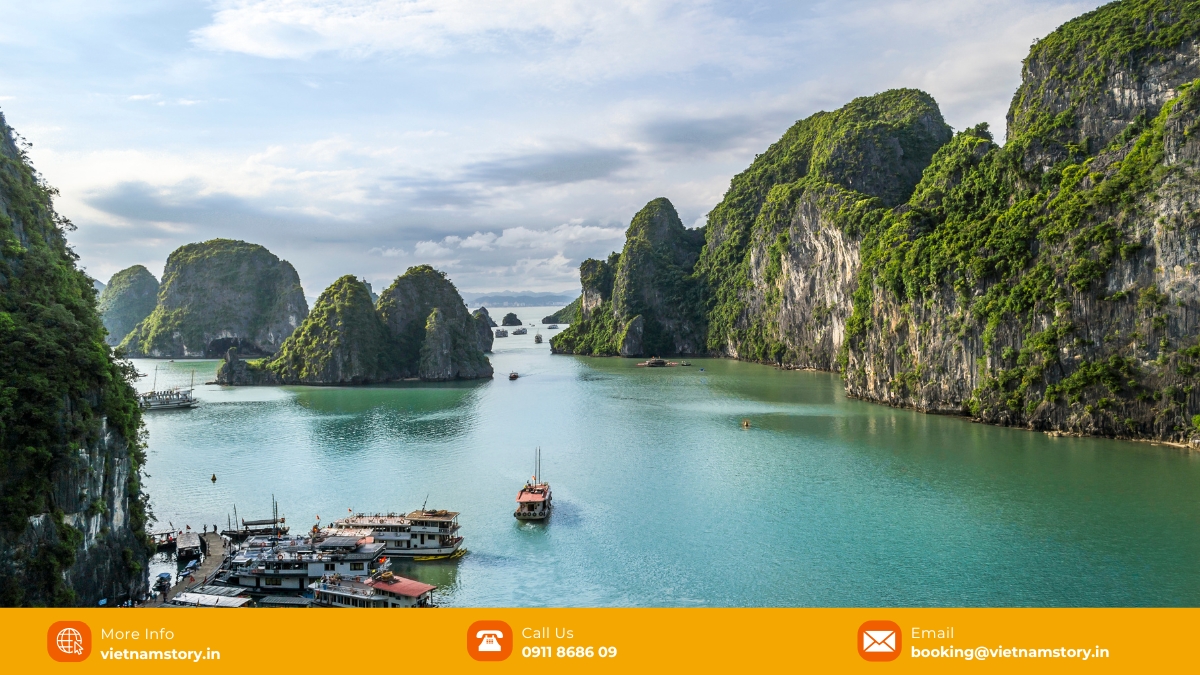
Beyond the broad seasons, each month offers a subtle shift in the environment. For travelers who are sensitive to water temperatures or those who want the best visibility for seaplane flights, a month-by-month look is essential. The best months for water-based activities are May through August, while the best months for visibility and hiking are September through November. The water temperature peaks in August at 29°C and dips to its lowest in January at 19°C. To help you visualize the year ahead, we have compiled this monthly weather and activity guide:
| Month | Avg temp | Water temp | Vibe/Highlights |
| Jan – Feb | 18°C | 19°C | Tet Festival (Feb 17-21) Misty and mystical. Best for photography. |
| Mar – Apr | 22°C | 21°C | Holi (Mar 4) Peak for kayaking and rock climbing. Very pleasant. |
| May – Jun | 30°C | 27°C | Early summer Great cruise deals. Best for swimming. |
| Jul – Aug | 32°C | 29°C | Typhoon risk Peak summer heat. Best for water sports. |
| Sep – Oct | 26°C | 27°C | Best overall visibility. Ideal for seaplanes and sunsets. |
| Nov – Dec | 19°C | 22°C | Diwali (Nov 8) Crisp skies and festive mood. Perfect for trekking. |
When you look at this table, notice the “water temp” column. One of the most common surprises for our Indian guests is that even when the air feels cold in November, the water often retains its warmth from the summer, making an afternoon swim quite refreshing!
Vietnamstory expert guide to Halong Bay weather for Indian travelers
Coming from a country as vast as India, you are no stranger to diverse climates. However, the coastal humidity of Northern Vietnam presents a few unique challenges that I have learned to solve for our guests over the last five years.
Indian travelers should pay close attention to the high humidity levels, which affect everything from hair care to clothing choice. Additionally, understanding our typhoon safety protocols and seasonal wildlife (like jellyfish) ensures a stress-free experience regardless of the halong bay weather during your visit.
The humidity and hair factor
With average humidity often hovering at 80%, your hair will likely have a mind of its own! We always recommend our female guests bring anti-frizz products. For clothing, avoid heavy denims; they take days to dry in the bay’s moist air. Instead, stick to breathable cottons or linen, which are common in India and perfect for Vietnam.
Sea temperature and air temperature
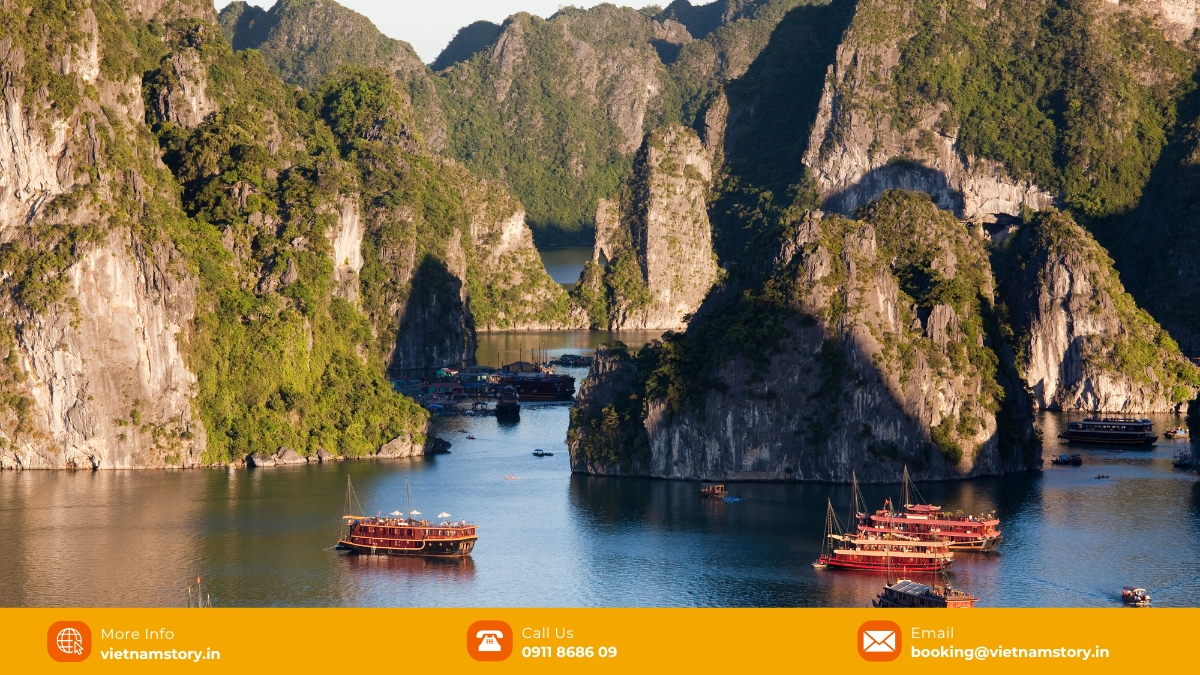
In December, the sea (22°C) is often warmer than the air (19°C). While swimming is definitely possible, the “exit” from the water can feel very cold. At Vietnamstory, we suggest our winter guests look for cruises that feature heated outdoor Jacuzzis. This way, you can enjoy the view of the limestone karsts while staying warm.
Jellyfish awareness
Summer (June – August) is peak jellyfish season in the Gulf of Tonkin. While most are completely harmless, they can cause minor skin rashes. We always advise our guests to check with their cruise guide before jumping into the water during these months.
Typhoon protocol: Safety first
This is a very important point. If a storm is detected, the Ha Long Bay Management Board usually announces cruise cancellations by 3:00 PM the day before departure. At Vietnamstory, we monitor the halong bay weather 24/7. If your cruise is canceled, we immediately reroute our guests to beautiful land-based alternatives like Ninh Binh (the “Ha Long Bay on Land”) or back to Hanoi to ensure your holiday doesn’t miss a beat.
Packing essentials: What to carry for every variation of Halong Bay weather
Because the weather can shift within a single day – cool and misty in the morning, sunny in the afternoon – your suitcase needs to be strategic. Packing for Ha Long is all about layers. For the hot months (May–September), prioritize sun protection and moisture-wicking fabrics. For the cooler months (October–April), focus on light insulation and wind protection for when you are standing on the sundeck of your cruise. Here is our recommended packing list based on the halong bay weather patterns:
Hot months (May – Sep)
- Reef-safe sunscreen: The tropical sun is much stronger than it feels when you are on the water.
- Electrolyte packets: To combat heat exhaustion during kayaking or cave climbing.
- Lightweight raincoat: For those sudden, 15-minute tropical afternoon showers.
- Cotton swimwear cover-ups: To stay modest and protected from the sun while moving between the deck and the water.
Cool months (Oct – Apr)
- Windbreaker or light down jacket: Essential for the sundeck when the boat is moving; the wind can be quite sharp.
- A scarf or pashmina: Perfect for breezy evenings during the sunset party or outdoor dinner.
- Sturdy walking shoes: Cave steps can be slippery when the humidity is high or if there has been light rain.
Rare insights: Mastering the nuances of Halong Bay Weather beyond the forecast
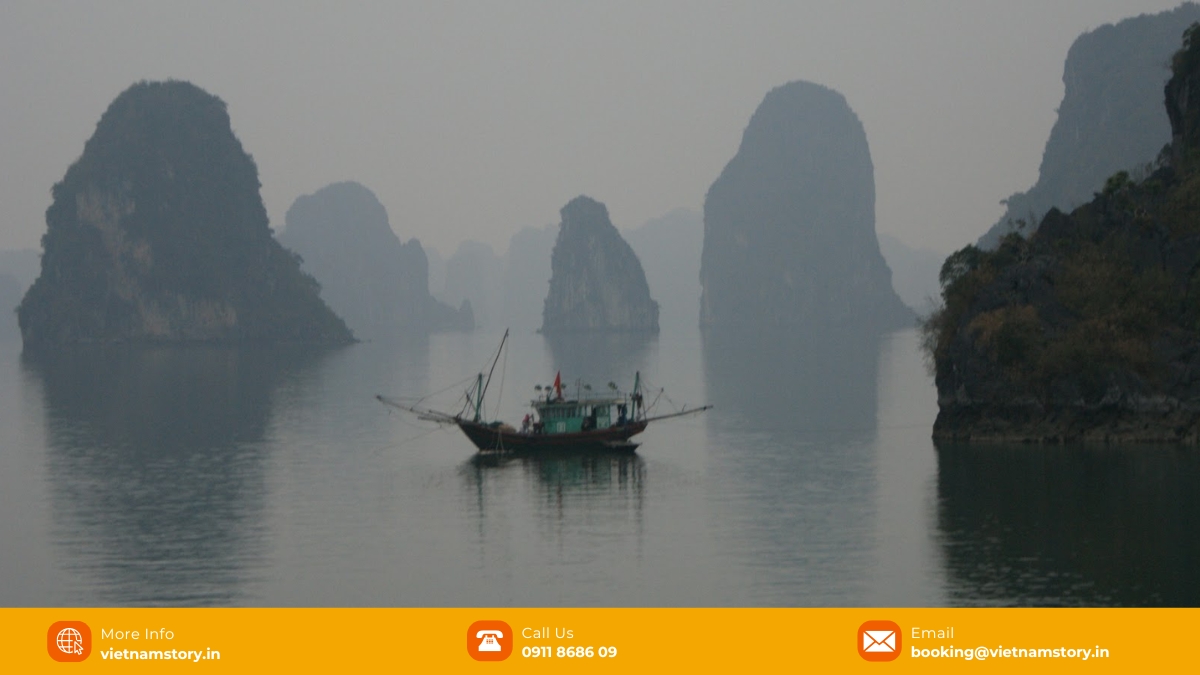
To truly master the halong bay weather, you must understand the “Micro-Climate” effect, the visibility benefits of seaplane travel in summer, and the specific underwater visibility windows for snorkeling enthusiasts.
The “micro-climate” effect
Don’t panic if your weather app shows rain in “Ha Long City.” The city is on the mainland, but the inner bay islands – where the cruises sail – are often protected by a micro-climate. It can be raining on the shore while being perfectly dry and sunny out at sea. We always tell our guests: Don’t cancel based on a phone app alone!
The seaplane advantage
In the humid summer months (June), a light haze can often block the horizon at sea level. If you have the budget, a 30-minute seaplane flight at 300 meters takes you above the humidity for a crystal-clear, bird’s-eye view of the 1,600 islands. It is a spectacular way to beat the “haze.”
Social media peak: Visibility secrets
If you are looking for that perfect “Instagram” shot, October offers the highest underwater visibility (8-12 meters). If you want high-definition, crystal-clear drone shots or snorkeling photos, this is your specific window. The water is a deep, vibrant emerald that looks incredible on camera.
READ MORE: Is Ha Long Bay Worth Visiting in 2026? The Honest Truth for Indian Travelers
Conclusion
Ha Long Bay is a masterpiece of nature, and like any great work of art, it looks different in every light. Whether you are sipping masala chai on a misty deck in February or jumping into the warm waves in July, the halong bay weather provides a backdrop for memories that will last a lifetime.
At Vietnamstory, we believe there is no “bad” time to visit – only different ways to enjoy the bay. We are here to help you navigate the seasons, manage the logistics of typhoons, and ensure you are packed and ready for the adventure of a year.