Moving from the emerald waters of Ha Long Bay to the misty peaks of Sapa is one of the most ambitious and rewarding routes in Northern Vietnam. Spanning approximately 435 – 500 km, this journey transitions you from a coastal UNESCO World Heritage site to the heart of the Hoang Lien Son mountains. At Vietnamstory, we specialize in making this long transit seamless for Indian travelers. Whether you are a family seeking door-to-door comfort or a couple looking for a cozy sleeper cabin, we ensure that the 6 – 10 hour journey is curated to your cultural preferences and dietary needs.

Journey overview: Understanding the coastal-to-mountain link from Halong to Sapa
The route from Halong to Sapa is the backbone of Northern Vietnam’s tourism infrastructure. It primarily utilizes the QL18 highway and the modern Noi Bai – Lao Cai Expressway (AH14). You will cross the fertile Red River Delta – the “rice bowl” of the North – before the landscape begins to transform into the dramatic, jagged foothills of Fansipan.
Traveling from halong to sapa involves a 435 km road journey that typically takes between 6 to 12 hours depending on your choice of transport. We strongly recommend visiting Ha Long Bay first, as the coastal relaxation of a cruise perfectly prepares your body for the high-altitude trekking and cooler temperatures of Sapa.
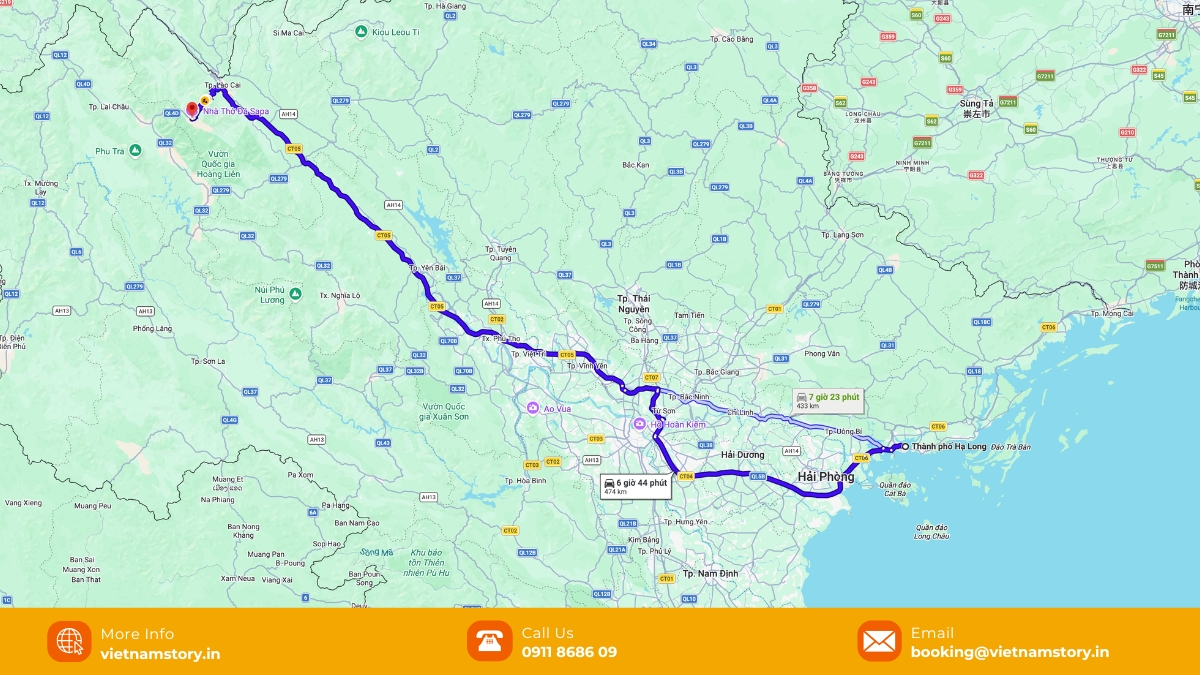
The logistics of this link are fascinating. Most travelers choose to disembark their cruise in Ha Long at noon and immediately begin the westward journey. By doing so, you move from a sea-level environment (often 25-30°C and humid) to a mountain environment (10-15°C cooler). This sequence is the “Vietnam Story” preferred method because it avoids the physical fatigue of starting with a mountain trek. Instead, you “wind down” on the water and then “power up” in the mountains.
Transportation options: How to travel from Halong to Sapa
Infrastructure in Vietnam moves fast. By 2026, synchronized toll systems and improved road surfaces on the AH14 have shaved nearly an hour off the traditional transit times. When deciding how to get from Halong to Sapa, you have three main “tiers” of comfort to consider.
The most popular ways to navigate the halong to sapa route include the modern VIP Cabin Bus, the convenient Private Car transfer, or the nostalgic Night Train combo via Hanoi. Each mode offers a different balance of price, speed, and privacy, with the VIP Cabin Bus being the most balanced choice for 2026 travelers. To help you choose the best vehicle for your family, let’s look at the details of each option.
Direct VIP Cabin Bus (The balanced choice)
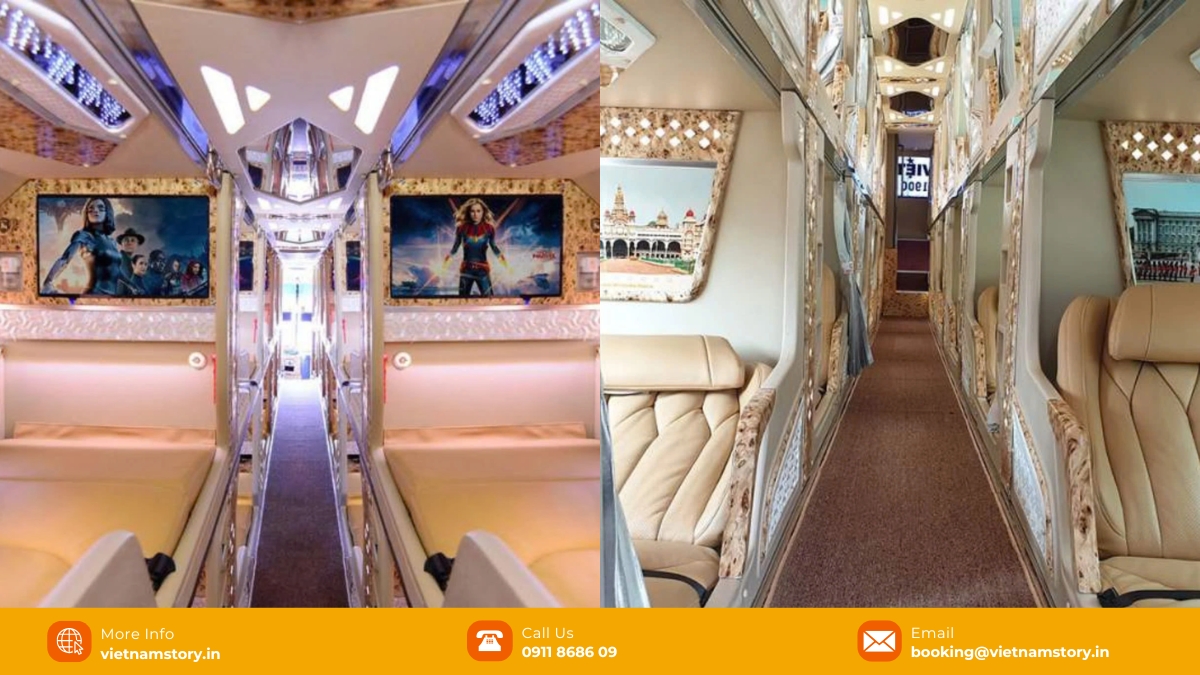
This is a favorite for millennial travelers and couples. Operators like Phuc Xuyen, HK Buslines, and Sapa Express have upgraded their 2026 fleets to include “Single” or “Double” VIP Cabins. These aren’t just seats; they are private pods with high-speed Starlink Wi-Fi, USB-C charging ports, and individual climate control.
- Departure: Usually departs Bai Chay or Tuan Chau at 07:45 AM, 11:00 AM, and 09:00 PM.
- Cost: 450,000 – 850,000 VND ($18 – $35).
Private car transfer (The Vietnamstory signature)
For the Indian families we work with – who often travel in groups of 4 to 8 with significant luggage – the private car is the gold standard. It is the only “true” door-to-door option.
- Duration: 6 – 7 hours.
- Cost: 3.7 – 5.5 million VND ($150 – $220) per car.
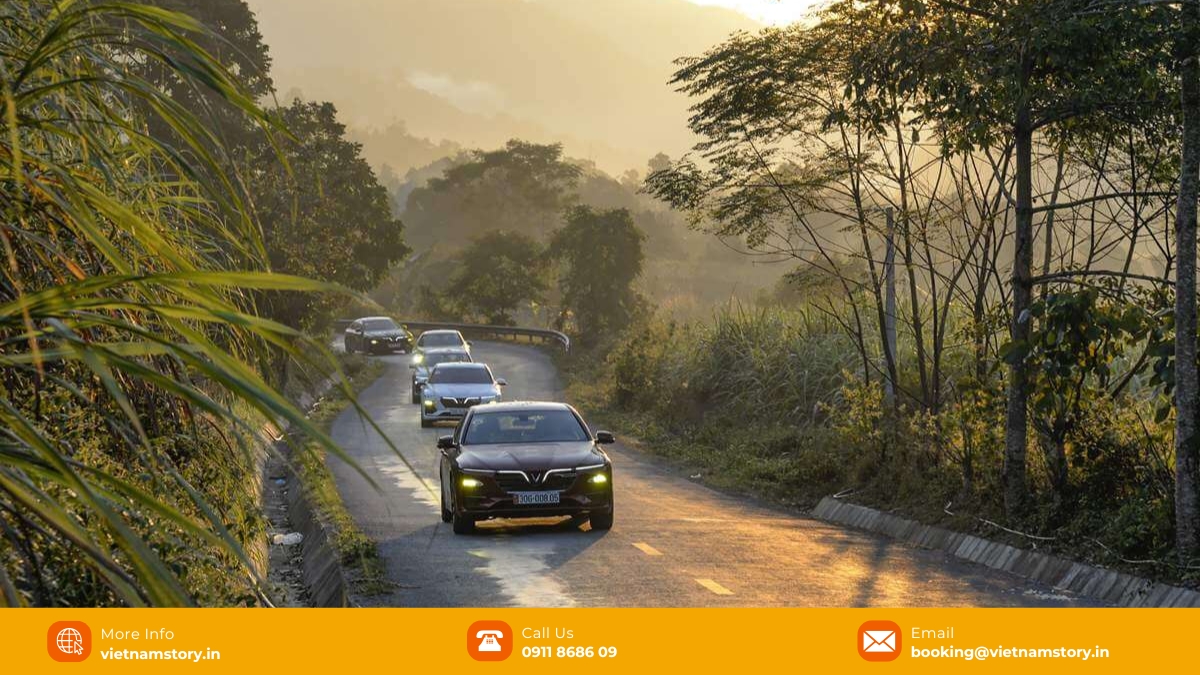
- Why choose this? You have total flexibility. If you need a clean restroom, a photo stop at a scenic viewpoint in Yen Bai, or a pre-arranged lunch at a Jain-friendly restaurant near Hanoi, the driver is at your service.
The “Hogwarts” night train combo
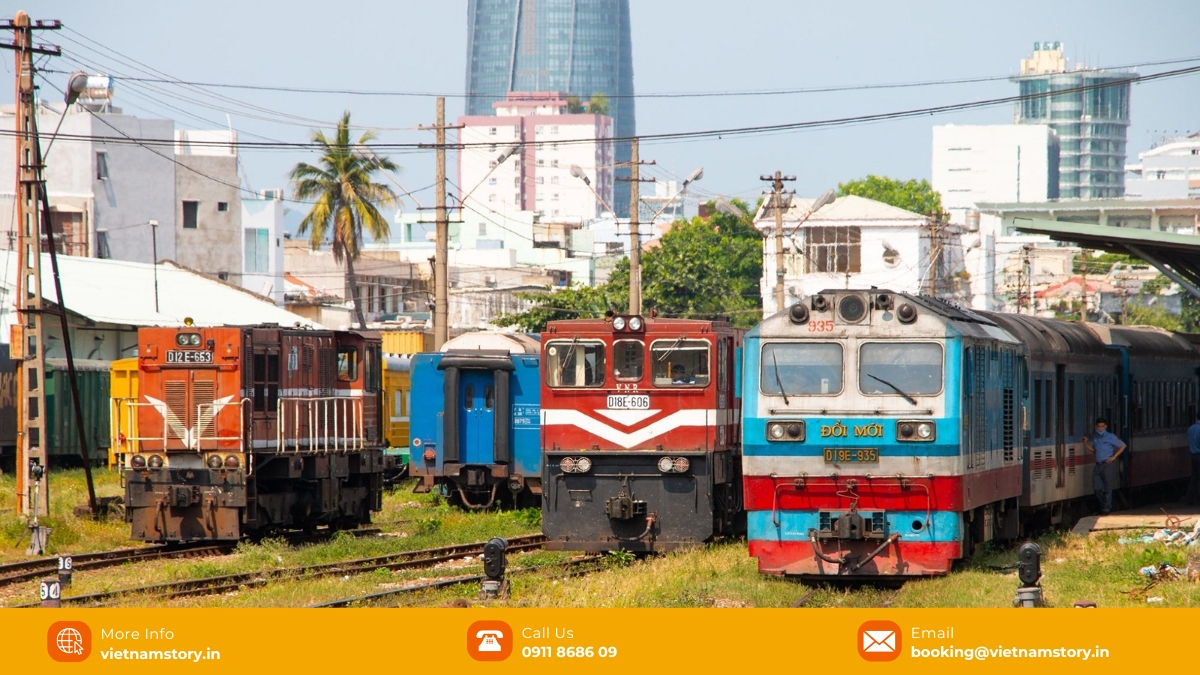
While not a direct route, many guests love the nostalgia of the train. This requires a 2.5-hour private van from Ha Long to Hanoi Railway Station, followed by an 8-hour overnight train to Lao Cai, and finally a 45-minute shuttle to Sapa.
We suggest Sapaly Express or Chapa Express for 4-berth or private 2-berth cabins. It is a very safe and steady way to travel, though it takes the longest (approx. 12 hours total).
Optimized Northern loop itineraries: Direct links from Halong to Sapa
One of the biggest mistakes travelers make is returning to Hanoi for an overnight stay between the bay and the mountains. This backtracks and wastes an entire day. In 2026, we focus on “Direct Link” itineraries that keep you moving forward. To maximize your time, your itinerary for halong to sapa should avoid backtracking to Hanoi. By using a “Sunset Shuttle” or a “Grand North Loop” structure, you can transition between these two UNESCO-adjacent sites in a single afternoon, arriving in Sapa just in time for a warm Red Dao herbal bath. Here are two proven itinerary structures that our Indian guests have loved over the years:
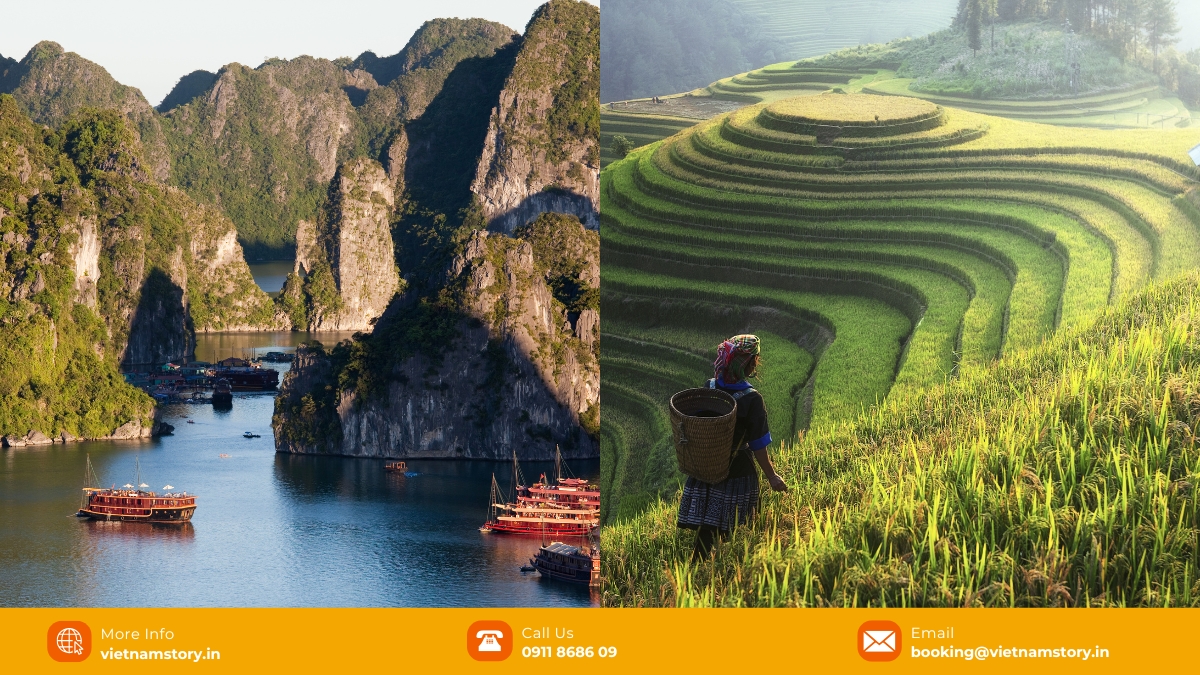
The “Sunset shuttle” (4-day quick link)
- Day 1-2: Ha Long Bay Cruise.
- Day 2: Disembark and take a Direct Private Car to Sapa. Arrive in Sapa. Check into your hotel and enjoy a warming dinner.
- Day 3-4: Explore Fansipan Peak and the Hmong villages before returning to Hanoi.
The “North Loop” (6-Day grand tour)
This is for those who want to see it all. You start in Hanoi, head to Ha Long for your cruise, take the direct bus from Halong to Sapa, spend three days in the mountains, and then take the night train or bus back to Hanoi. This “triangular” route ensures you see the coast, the delta, and the mountains without seeing the same road twice.
The Indian traveler’s guide to the long haul from Halong to Sapa
Vietnamstory has noticed that Indian travelers have specific (and very important!) requirements regarding food and physical comfort. A 500km journey through the Vietnamese countryside requires some strategic planning to ensure you don’t arrive in Sapa feeling exhausted.
For a smooth halong to sapa transit, Indian guests should prioritize “ready-to-eat” meal planning for the road, prepare for motion sickness during the final mountain ascent, and pack a “climate-shift” kit. Understanding these nuances makes the difference between a tiring day and an enjoyable road trip. Here are our “insider” tips for the journey:
- Vegetarian and Jain dining: Roadside Pho stalls along the expressway rarely understand the nuances of Jain or strict vegetarian diets. While we can pre-arrange stops at high-quality rest areas like the V76 Rest Stop (known for its cleanliness), we always suggest our guests carry some “Ready-to-Eat” packets or parathas. Having a familiar snack makes the 7-hour drive much more pleasant.
- Altitude and motion sickness: The expressway is flat and smooth, but the final 30 kilometers from Lao Cai city up to Sapa town involves steep, hairpin mountain turns. If anyone in your family is prone to motion sickness, we recommend taking medication at the Lao Cai turn-off.
- The climate shift: Ha Long Bay is sea-level humidity, Sapa is a mountain cloud-forest. We always tell our guests to keep a light jacket or a pashmina in their carry-on bag. Your main luggage will be in the bus undercarriage or the car trunk, and you will feel the temperature drop the moment you step out of the vehicle in Sapa.
Logistics at a glance: Comparing modes for Halong to Sapa
To help you make a final decision, we have compiled a 2026 price and time matrix. These figures reflect the current market rates as of early 2026, including the updated expressway tolls. When choosing your transport from halong to sapa, consider that while the VIP Bus is the most cost-effective, a Private Car saves you nearly two hours of time and offers unparalleled comfort for families.
| Mode of transport | Total time | Est cost (VND) | Key note |
| VIP cabin bus | 8.5 Hours | 650k – 850k | Direct from Tuan Chau, includes Starlink Wi-Fi. |
| Private car | 6.5 Hours | 4.5M – 5.5M | Fastest and private, stops whenever you want. |
| Sleeper train | 12 Hours | 1.2M – 2.5M | Requires Hanoi transfer, very safe for kids. |
| Seaplane and bus | 7.5 Hours | 9M+ | Seaplane to Hanoi, then private car to Sapa. |
Note: For Indian groups of 6 or more, a private 16-seater transit van is often cheaper per person than individual VIP bus tickets!
Rare insights: Beyond the standard guide for Halong to Sapa
As a local, we want to give you the “hidden” tips that you won’t find on standard travel websites. These are the small details that our team at Vietnamstory uses to make our tours stand out. To truly master the halong to sapa journey, take advantage of the 2026 “Sleep-In” bus benefit, consider the scenic Yen Bai shortcut if the expressway is busy, and ensure your vehicle is equipped with the latest digital connectivity for the mountain “dead zones.”
- The “sleep-in” benefit: For those taking the 9:00 PM night bus from Ha Long, you will arrive in Sapa around 4:00 AM. In 2026, most reputable bus operators allow passengers to stay and sleep in their cabins until 6:00 AM at no extra charge. This is essential for avoiding the freezing early morning mountain air before your hotel check-in.
- The “Yen Bai” scenic shortcut: Occasionally, the main expressway can be congested. If you are in a private car, ask your driver about the Yen Bai mountain pass. It adds about 30 minutes to the trip, but it offers breathtaking views of “undiscovered” rice terraces that haven’t been touched by mainstream tourism yet.
- Digital connectivity: The stretch of road between Lao Cai and Sapa is notorious for 4G dead zones because of the high cliffs. Ensure your bus operator uses a 2026 Starlink-equipped fleet so you can stay in touch with home or stream your favorite movies throughout the mountains.
If you are looking for the most seamless way to combine all the highlights we have mentioned – from the bustling streets of Hanoi and the emerald waters of the bay to the mist-covered peaks of Sapa – we highly recommend our 6-Day Tour of Vietnam Northern Highlights. This is our most popular itinerary for Indian families because it perfectly executes the “Direct Link” strategy, moving you efficiently from Halong to Sapa without wasting time backtracking. We handle every detail: the luxury cruise with Indian-friendly meals, the private transfers through the mountains, and a deep cultural dive into the ethnic villages. It is the ultimate “stress-free” package designed specifically to ensure our guests from India experience the very best of Northern Vietnam in total comfort.
Conclusion
The journey from Halong to Sapa is more than a logistical necessity, it is a rite of passage that rewards the patient traveler with a complete view of Vietnam’s geographical and cultural diversity. By choosing the right mode of transport and planning for your specific needs, you transform a long day of travel into a seamless and memorable part of your holiday.
At Vietnamstory, we take immense pride in managing these “grand transits.” We know the best rest stops for clean facilities, the drivers who speak the best English, and the bus operators who truly deliver on their VIP promises. We don’t just want you to reach Sapa, we want you to arrive there feeling refreshed, inspired, and ready to explore the “Roof of Indochina.”
Northern Vietnam is a land of legends, and the road from the sea to the sky is the most legendary path of all. We invite you to trust us with your journey, allowing us to handle the complexities of the halong to sapa route while you focus on making memories with your loved ones.