For many Indian travellers, food is one of the most exciting parts of exploring a new country. However, for Jain travellers, dining abroad involves much more than simply choosing vegetarian meals. Jain cuisine follows a unique set of dietary principles that require careful planning, especially when travelling internationally. If you’re wondering whether it’s possible to find Jain food in Vietnam, the answer is yes—but it requires the right preparation.
Vietnam may not have a dedicated “Jain food culture” like India, but major tourist destinations are increasingly accommodating Indian travellers and their dietary preferences. With the growing popularity of Vietnam among Indian tourists, many hotels, Indian restaurants, luxury cruises, and experienced tour operators are now familiar with Jain meal requirements. The key to enjoying Vietnam as a Jain traveller isn’t avoiding local experiences—it’s knowing where to go, what to eat, and how to communicate your dietary preferences effectively.
This guide will help you plan your Vietnam trip with confidence while ensuring that your dietary requirements are respected throughout your journey.
Can Jain travellers find food in Vietnam?
The short answer is YES.
Jain food is available in Vietnam, particularly in major tourist destinations such as Hanoi, Da Nang, Hoi An, and Ho Chi Minh City. While you may not find dedicated Jain restaurants on every street corner, there are plenty of Indian restaurants and hospitality providers that can prepare Jain meals when informed in advance.
It’s important to understand that Vietnam’s vegetarian cuisine is different from Jain cuisine. In Vietnam, the word “Chay” refers to Buddhist vegetarian food, which may still include ingredients such as onions, garlic, leeks, or root vegetables.
For this reason, simply requesting a vegetarian meal may not always be sufficient. The good news is that with proper planning and clear communication, Vietnam is one of the easier Southeast Asian destinations for Jain travellers to explore comfortably.
Finding Jain food in Vietnam becomes much easier when you understand local dining practices and food preparation methods. We recommend reading our Food Safety Tips in Vietnam for Indians to learn how to identify safe dining options and communicate dietary requirements confidently during your trip.
Understanding Jain dietary requirements in Vietnam
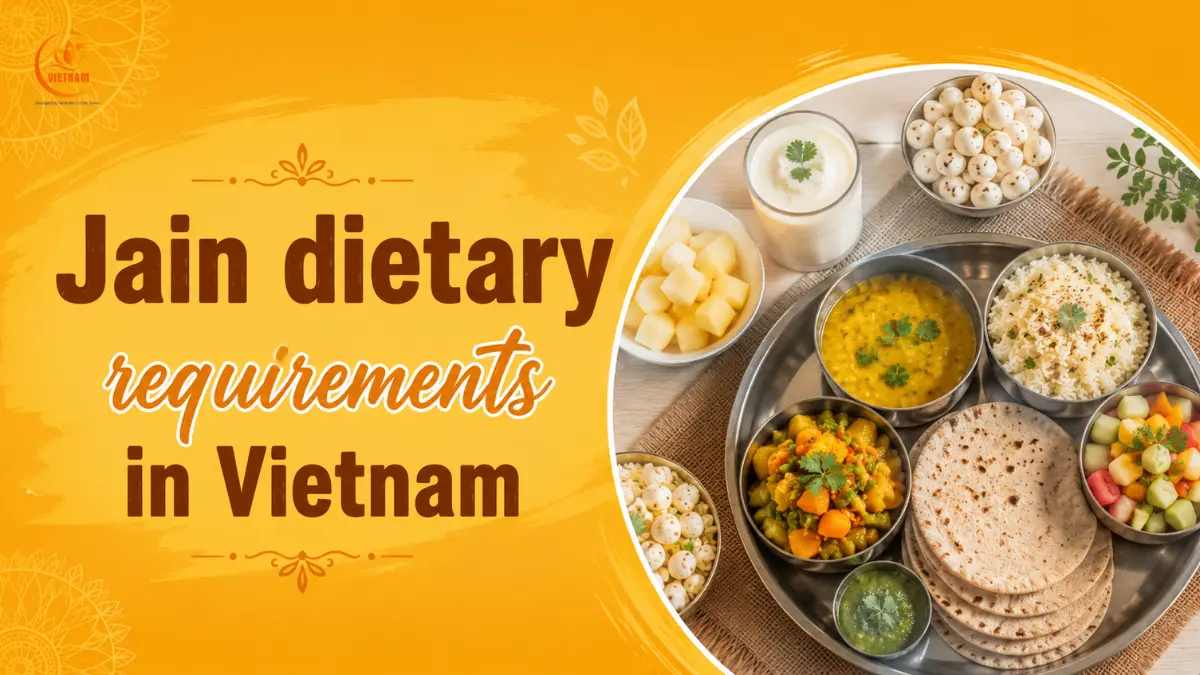
Before planning your trip, it’s helpful to understand which ingredients may commonly appear in Vietnamese cuisine. Traditional Jain dietary requirements include avoiding:
- Meat, fish, and eggs.
- Onion and garlic.
- Root vegetables such as potatoes, carrots, radishes, and ginger.
- Fish sauce and shrimp paste.
- Meat-based broths and sauces.
Many Vietnamese dishes are prepared using fish sauce as a seasoning, even when they appear vegetarian. Similarly, Buddhist vegetarian dishes often include onions and garlic for flavour.
This is why communicating your dietary requirements clearly is one of the most important aspects of travelling in Vietnam as a Jain traveller.
When booking accommodations or tours, informing your travel provider in advance can make a significant difference in the quality and variety of meals available during your trip.
What can Jain travellers eat in Vietnam?
Many first-time visitors are surprised to learn that Jain travellers can enjoy a wide range of meals while travelling in Vietnam.
Indian restaurants in major cities are often able to customise dishes according to Jain dietary requirements. Luxury hotels and selected restaurants can also prepare simple Jain-friendly meals when notified beforehand.
Some commonly available Jain-friendly options include:
- Steamed jasmine rice.
- Freshly made rotis and chapatis.
- Dal prepared without onion and garlic.
- Stir-fried vegetables (without garlic or root vegetables).
- Tofu dishes.
- Vegetarian curries.
- Fresh tropical fruits.
- Jain thalis at Indian restaurants.
- Plain noodles prepared without sauces containing fish or garlic.
Simple meals are often the safest and most comfortable option during busy sightseeing days. Fortunately, Vietnam’s hospitality industry is increasingly accustomed to accommodating Indian dietary preferences, particularly in tourist-friendly destinations.
Which cities are best for Jain travellers?
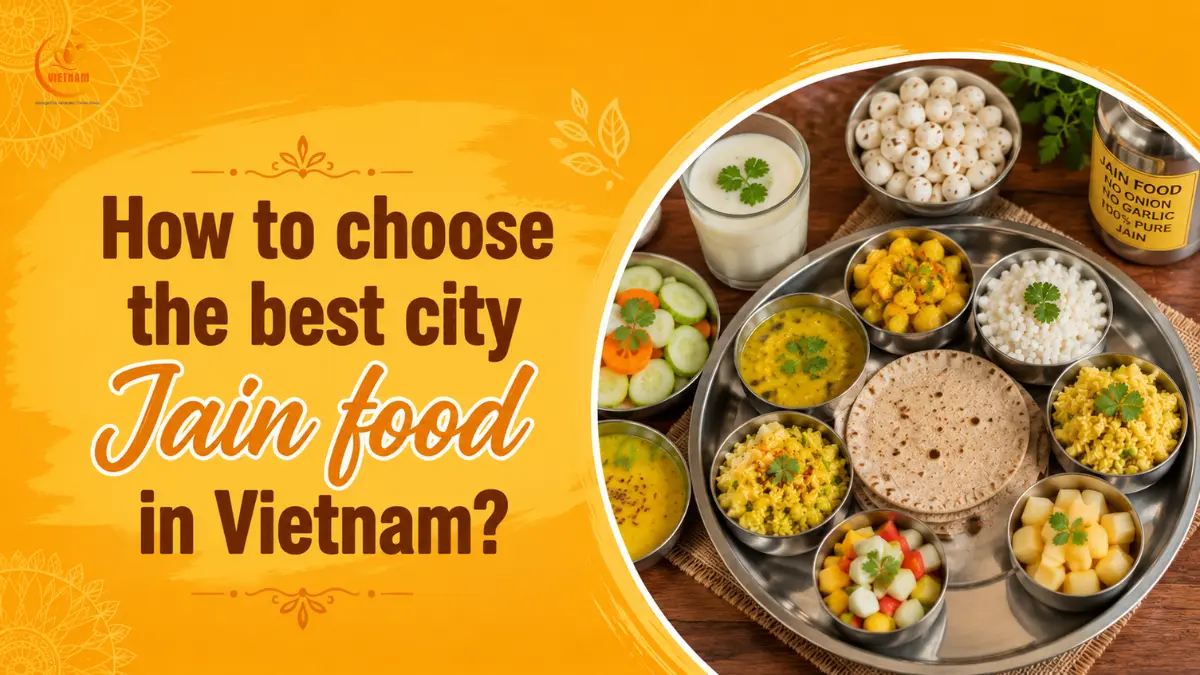
One of the easiest ways to enjoy Vietnam as a Jain traveller is by choosing destinations that offer strong tourism infrastructure and Indian dining options.
Hanoi – The best destination for Jain travellers
Hanoi is arguably the most Jain-friendly destination in North Vietnam. The city has a well-established Indian restaurant scene and is highly popular among Indian tourists.
Many hotels and restaurants in Hanoi are familiar with dietary requests such as:
- No onion.
- No garlic.
- No root vegetables.
- Jain meal preparation.
Hanoi is also an excellent starting point for travellers visiting Ha Long Bay and Ninh Binh, making it a convenient base for North Vietnam itineraries.
Ho Chi Minh City – Vietnam’s culinary hub
Ho Chi Minh City offers the widest variety of Indian dining experiences in Vietnam.
Its large Indian community means that Jain travellers can often find multiple restaurant options serving customised meals. Luxury hotels are also generally well equipped to accommodate special dietary requests.
If you’re planning a South Vietnam itinerary or extending your trip to beach destinations, Ho Chi Minh City is one of the easiest places to dine comfortably as a Jain traveller.
Da Nang and Hoi An – Comfortable with advance planning
Central Vietnam is becoming increasingly popular among Indian travellers, particularly honeymooners and families.
While Da Nang and Hoi An offer excellent tourism infrastructure, Jain travellers may need slightly more advance planning compared to Hanoi or Ho Chi Minh City.
Fortunately, several Indian restaurants in the region are able to prepare Jain meals upon request. Luxury resorts are also increasingly familiar with Indian dietary requirements.
With proper planning, Central Vietnam offers a wonderful balance of beaches, cultural experiences, and comfortable dining options.
Ninh Binh – More Indian options, but Jain still needs confirmation
Ninh Binh now has a broader Indian dining scene than older guides suggest, especially around Tam Coc and the Trang An side. That makes familiar food easier to find than it used to be, but strict Jain requirements still need direct confirmation with the restaurant.
Current listings include dedicated Indian and vegetarian-focused restaurants, but a label such as vegetarian or pure veg does not automatically mean Jain preparation. Use our Indian restaurants in Ninh Binh guide to shortlist by Tam Coc or Trang An, then confirm onion, garlic, root vegetables and cross-contact directly.
Travellers visiting Ninh Binh should consider:
- Informing their tour operator in advance.
- Carrying light snacks for long excursions.
- Requesting packed meals when necessary.
Advance planning is particularly helpful if you’re spending a full day exploring Trang An or Tam Coc.
Ha Long Bay – Possible with luxury cruises
Many Indian travellers are surprised to learn that Jain meals can be arranged on selected overnight cruises in Ha Long Bay.
Luxury cruises are usually better equipped to accommodate special dietary requests than standard day cruises. However, meal requests should always be communicated during the booking process.
If you’re planning an overnight cruise experience, informing your travel provider several days in advance will help ensure a comfortable dining experience onboard.
Not every destination in Vietnam offers the same level of convenience for Jain travellers. If you’re still deciding where to go, our Best Vietnam Itinerary for First-Time Indian Travellers guide will help you choose the itinerary that best matches your travel style and dietary preferences.
Can Jain travellers eat on cruises and tours?
Yes—but planning ahead is essential.
Many luxury hotels, cruises, and tour operators are happy to accommodate Jain dietary requirements. The earlier you communicate your preferences, the easier it becomes to arrange suitable meals throughout your journey.
Jain travellers should consider:
- Informing hotels before arrival.
- Confirming dietary requirements during tour bookings.
- Requesting Jain meals in advance.
- Double-checking meal arrangements before excursions.
Vietnam’s tourism industry has become increasingly experienced in serving Indian travellers, making customised meal arrangements much easier than they were several years ago.
Should you choose a private tour or a group tour?
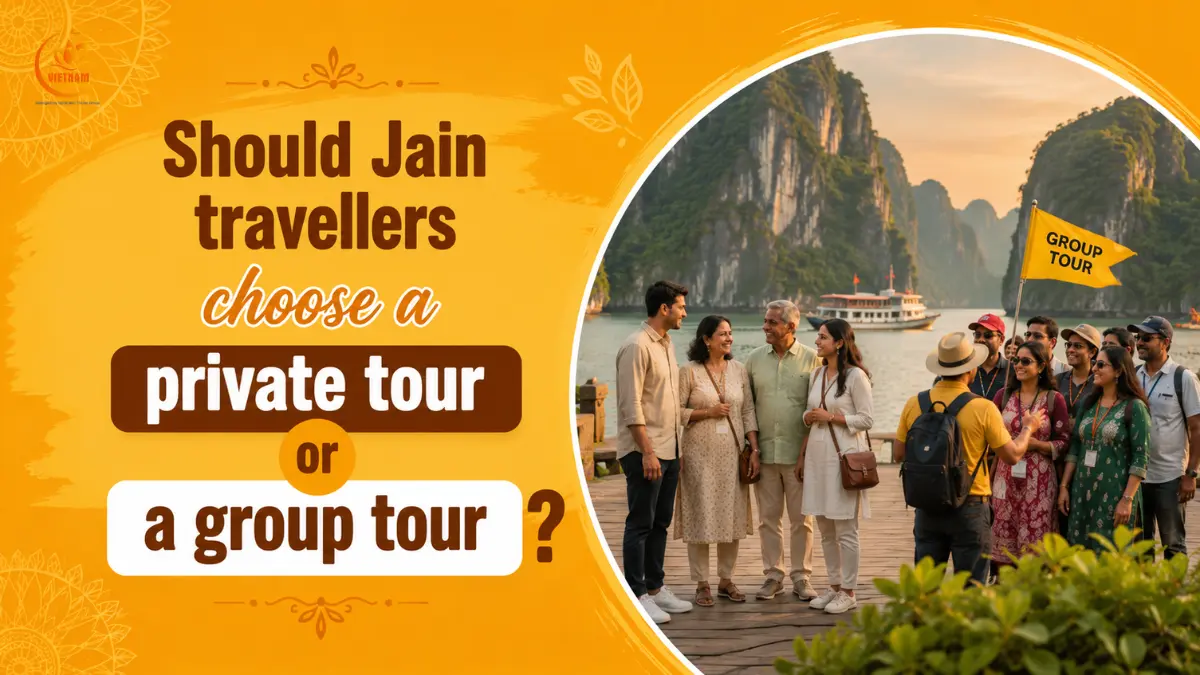
For Jain travellers, private tour options often provide the most comfortable and flexible travel experience.
Group tours are designed to cater to a large number of travellers, which can make accommodating strict dietary requirements more challenging. Meal arrangements are often standardised, and restaurants may have limited flexibility when serving large groups.
Private tours offer several advantages for Jain travellers:
- Greater flexibility in restaurant selection.
- Easier dietary coordination.
- Flexible meal timings.
- Better communication with local service providers.
- More comfortable experiences for families and senior travellers.
If food preferences are an important consideration during your holiday, private tours are usually worth considering.
How should Jain travellers plan their Vietnam itinerary?
Choosing the right destinations can significantly improve your overall travel experience. The following itineraries work particularly well for Jain travellers:
| Travel Style | Recommended Itinerary |
|---|---|
| First-time visitors | Hanoi – Da Nang – Hoi An |
| Families | Central Vietnam |
| Luxury travellers | North + Central Vietnam |
| Food-focused travellers | Major tourist cities only |
| Cruise lovers | Hanoi + Ha Long Bay Cruise |
| Slow travellers | 7 to 10-day North + Central itinerary |
Major tourist destinations tend to offer the widest variety of dining options and the greatest flexibility when arranging special meals. Travellers looking to combine cultural experiences with comfortable dining options may also enjoy our Vietnam Culture Itinerary, which focuses on Vietnam’s heritage destinations and immersive cultural experiences at a slower pace.
What should Jain travellers pack?
Even with excellent meal planning, it’s always helpful to carry a few comfort items during your trip. We recommend packing:
- Ready-to-eat Jain meal packs.
- Thepla and Khakhra.
- Dry fruits and roasted snacks.
- Instant food packs.
- Prescription medications.
- Vegetarian or Jain dietary cards.
- Emergency snacks for children.
These items can be particularly useful during long road trips or early morning excursions. Travelling with a few familiar snacks can also make sightseeing days significantly more comfortable.
Practical dining tips for Jain travellers
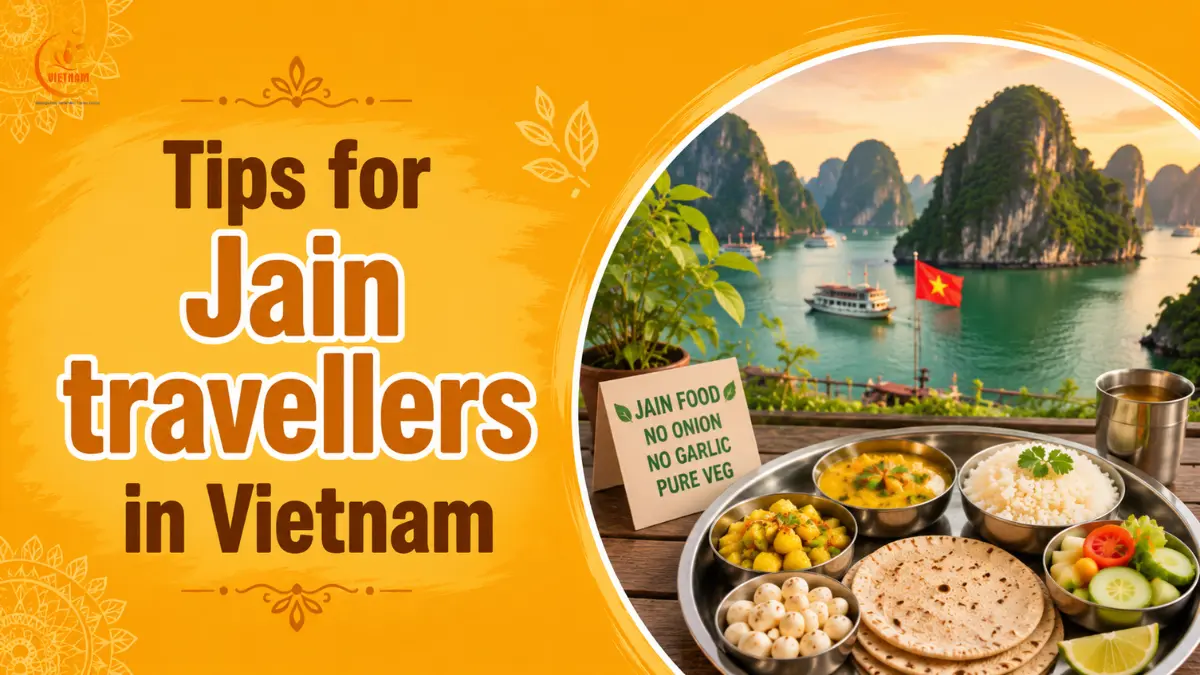
Dining comfortably in Vietnam is often a matter of good communication and advance planning. Before travelling, consider the following tips:
- Inform your tour operator about your dietary requirements.
- Request Jain meals at least 24 to 48 hours in advance whenever possible.
- Double-check ingredients before ordering.
- Choose major tourist destinations if food flexibility is a priority.
- Carry snacks during long excursions.
- Avoid assuming that vegetarian automatically means Jain-friendly.
Vietnamese hospitality providers are generally very accommodating once they understand your dietary needs.
Frequently asked questions
Is Vietnam suitable for Jain travellers?
Yes. Vietnam is becoming increasingly popular among Indian travellers and offers excellent dining options for Jain visitors in major tourist destinations.
Is Vietnamese vegetarian food always Jain-friendly?
No. Vietnamese vegetarian food often includes onions, garlic, and root vegetables. Always specify your dietary requirements clearly.
Can luxury hotels provide Jain meals?
Many luxury hotels can accommodate Jain dietary requests when informed in advance.
Can Jain travellers enjoy Ha Long Bay cruises?
Yes. Luxury overnight cruises are often able to prepare customised Jain meals with advance notice.
Should Jain travellers choose private tours?
Private tours generally provide better flexibility and dining arrangements, particularly for travellers with strict dietary preferences.
Why Vietnamstory is ideal for Jain travellers?
At Vietnam Story, we understand that food is one of the most important aspects of travelling comfortably as a Jain traveller.
That’s why we work closely with hotels, restaurants, and travel partners to accommodate special dietary requirements throughout your Vietnam journey. Whether you’re travelling with family, planning your honeymoon, or visiting Vietnam for the first time, we help ensure that your dining experiences are both enjoyable and stress-free.
Our goal is simple: to allow you to focus on discovering Vietnam’s culture, landscapes, and hospitality—while we take care of the details behind the scenes.
Conclusion
Travelling to Vietnam as a Jain traveller is not only possible—it can be an incredibly comfortable and rewarding experience with the right preparation. By choosing the right destinations, communicating your dietary requirements clearly, and planning your itinerary thoughtfully, you’ll discover that Vietnam offers far more flexibility for Jain travellers than many people expect.
The secret isn’t finding a destination that already understands Jain cuisine perfectly—it’s travelling with the right knowledge and the right support. With a little preparation, your memories of Vietnam will be filled with beautiful landscapes, cultural discoveries, and delicious meals that respect your values and dietary preferences.