Trying local food is one of the most exciting parts of travelling to Vietnam. However, it’s completely normal for first-time Indian travellers to have concerns about food safety before their trip. Questions such as “Is Vietnamese street food safe?”, “Can I drink tap water?”, or “Will my kids be able to eat local food?” are some of the most common questions we receive from our guests. The good news is that Vietnam is generally a safe and food-friendly destination for Indian travellers. In fact, many visitors are pleasantly surprised by how fresh, light, and healthy Vietnamese cuisine can be. The key isn’t avoiding local food—it’s knowing what to choose, where to eat, and how to make smart dining decisions during your journey. In this guide, we’ll share practical food safety tips to help you enjoy Vietnam’s culinary experiences with confidence.
Is food in Vietnam safe for Indian travellers?
The short answer is Yes.
Vietnam is considered one of the safest food destinations in Southeast Asia, particularly in popular tourist cities such as Hanoi, Da Nang, Hoi An, Ho Chi Minh City, and Ha Long Bay. Most restaurants and tourist-friendly establishments maintain good hygiene standards, and food safety has improved significantly over the years.
For Indian travellers, food-related issues are usually caused by a few avoidable mistakes rather than the cuisine itself. Drinking tap water, choosing unhygienic food stalls, or trying too many unfamiliar foods in a short period are far more likely to cause discomfort than Vietnamese food itself.
If you follow a few simple food safety practices, you’ll find that eating in Vietnam is not only safe but also one of the highlights of your holiday.
Quick food safety checklist for Indian travellers
Before exploring Vietnam’s incredible food scene, it’s helpful to remember a few simple rules. Think of this checklist as your go-to guide whenever you’re deciding where or what to eat.
| Safe Choices | Avoid |
|---|---|
| Drink bottled water | Drink tap water |
| Eat freshly cooked food | Eat food left uncovered outdoors |
| Choose busy restaurants and food stalls | Eat at empty or unhygienic stalls |
| Eat peeled fruits | Eat pre-cut fruits left in the open |
| Enjoy hot soups and grilled dishes | Eat undercooked seafood or meat |
| Carry basic medicines | Assume every restaurant understands vegetarian or Jain diets |
| Choose reputable restaurants | Drink from unsealed bottles or containers |
When in doubt, follow this simple rule: If it’s hot, freshly cooked, and popular with locals, it’s usually a safe choice.
What can Indians safely eat in Vietnam?
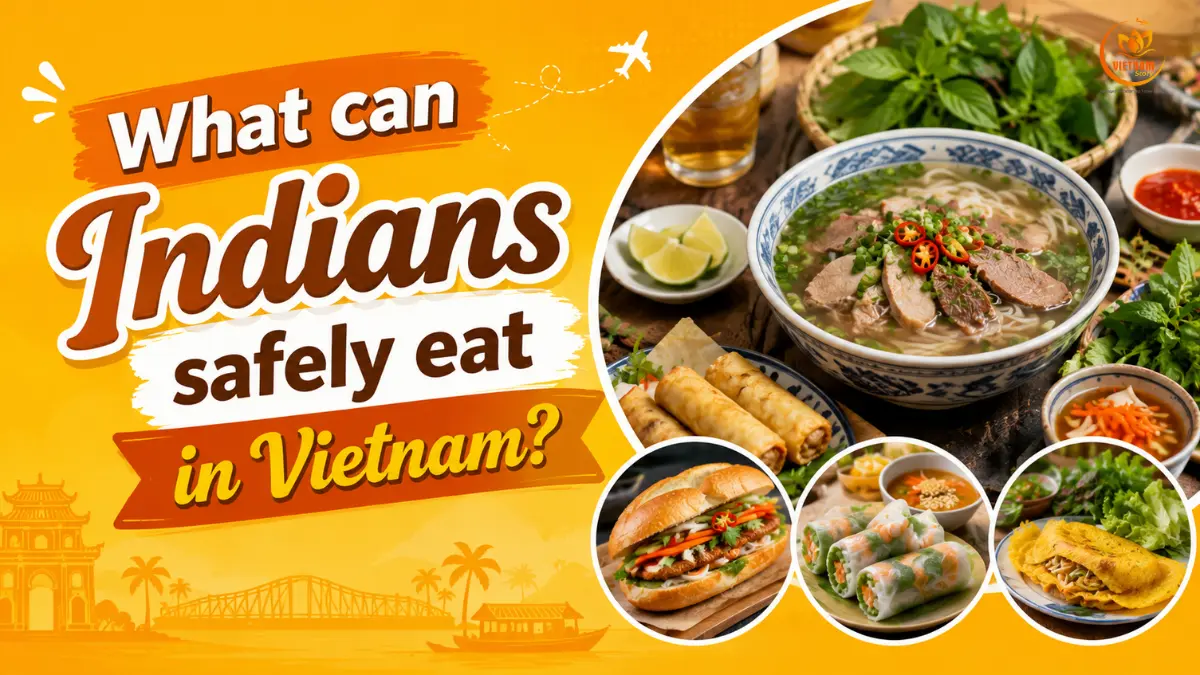
One of the biggest misconceptions about travelling in Vietnam is that Indian travellers will struggle to find suitable food. In reality, Vietnamese cuisine is incredibly diverse and offers plenty of options that are mild, nutritious, and easy to digest.
Many Vietnamese dishes are prepared fresh and served hot, making them excellent choices for travellers who are concerned about food safety. Some of the safest and most recommended dishes include:
- Pho (Vietnamese noodle soup)
- Vegetarian Pho
- Fried Rice
- Chicken Rice
- Rice Porridge (Chao)
- Grilled seafood from reputable restaurants
- Stir-fried vegetables
- Freshly made spring rolls
- Vegetarian hotpots
- Vietnamese coffee and fresh fruit smoothies
Vietnam is also famous for its tropical fruits. Whenever possible, choose fruits that can be peeled before eating, such as mangoes, bananas, dragon fruit, pomelos, and oranges. These are both refreshing and generally safer options for travellers.
Starting with simple, freshly cooked dishes during the first few days of your trip is a great way to let your body adjust before experimenting with more adventurous local flavours. You can check more details in our Vietnam Food Guide.
What foods should you avoid?
Vietnamese cuisine is generally very safe, but there are a few foods and drinks that first-time visitors should approach with caution, especially if you have a sensitive stomach or are travelling with children or seniors.
The goal isn’t to avoid local food altogether but to make informed choices throughout your journey. We recommend avoiding the following:
- Tap water.
- Raw oysters and shellfish.
- Seafood from roadside stalls without refrigeration.
- Pre-cut fruits exposed to heat or dust.
- Rare or undercooked meat.
- Food that has been sitting outdoors for long periods.
- Ice from unknown or questionable sources.
- Meals prepared in unhygienic environments.
If you’re trying Vietnamese cuisine for the first time, avoid eating large quantities of unfamiliar dishes all at once. Taking things slowly during the first day or two can help minimise the chances of digestive discomfort.
Water and ice safety in Vietnam
Water safety is one of the most important things to understand before travelling to Vietnam. Fortunately, staying hydrated safely is incredibly easy if you know what to look for.
Can you drink tap water in Vietnam?
No. Tap water in Vietnam is not considered safe for drinking, even in major cities.
The safest option is to stick to sealed bottled water or purified water provided by reputable hotels, restaurants, and tour operators. Travellers with particularly sensitive stomachs may also prefer using bottled water when brushing their teeth.
Thankfully, bottled water is inexpensive and readily available throughout Vietnam, so staying hydrated during your trip is rarely a challenge.
Is ice safe in Vietnam?
Many Indian travellers worry about ice in drinks, but in most tourist destinations, ice is perfectly safe.
Hotels, cafés, restaurants, and cruise operators typically use commercially produced ice made from purified water. If you’re dining at established restaurants or tourist-friendly venues, there’s generally no need to avoid drinks served with ice.
However, if you’re eating at a small roadside food stall in a remote area and aren’t confident about hygiene standards, it’s always better to order your drinks without ice.
Is street food safe in Vietnam?
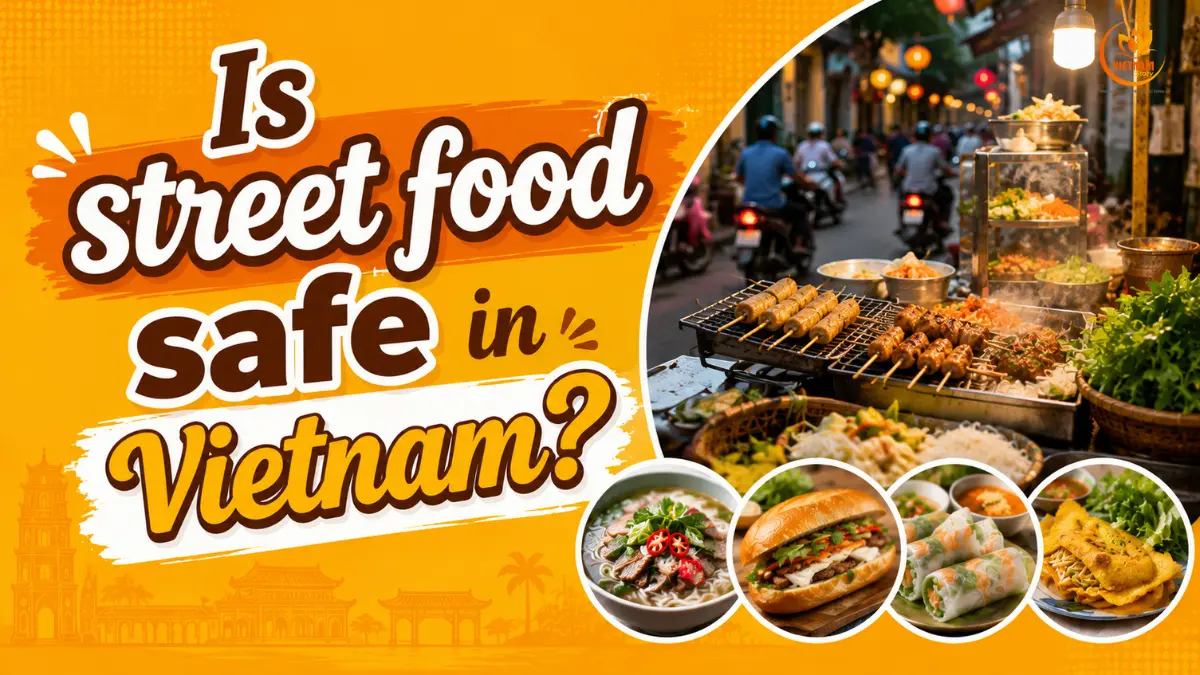
Street food is one of the best ways to experience Vietnamese culture, and skipping it entirely would mean missing out on some of the country’s most iconic flavours.
The secret to enjoying Vietnamese street food safely isn’t avoiding it—it’s learning how to choose the right places to eat.
Before ordering from a food stall, take a few moments to observe the environment. Busy stalls with long queues are usually excellent signs that the food is fresh and popular with locals. Watching food being prepared right in front of you is another good indicator of cleanliness and quality. When choosing a street food stall, look for:
- High customer turnover.
- Food cooked fresh to order.
- Clean preparation areas.
- Covered ingredients and utensils.
- Locals eating at the establishment.
Vietnam’s street food culture thrives on freshness. A steaming bowl of Pho or freshly grilled Banh Mi prepared in front of you is often a safer option than buffet-style food that has been sitting for several hours.
Food safety tips for vegetarian and Jain travellers
Many Indian travellers are pleasantly surprised to discover that Vietnam is one of Southeast Asia’s most vegetarian-friendly destinations.
Thanks to Vietnam’s Buddhist heritage, vegetarian cuisine is deeply rooted in local culture and widely available across the country. Major cities such as Hanoi, Da Nang, Hoi An, Hue, and Ho Chi Minh City offer an impressive selection of vegetarian restaurants and cafés.
When dining in Vietnam, look for restaurants displaying the word “Chay,” which means vegetarian in Vietnamese. Common signs include:
- Quán Chay (Vegetarian Restaurant)
- Vegetarian Restaurant
- Vegan Restaurant
- Vegetarian Menu
That said, vegetarian travellers should still exercise caution when ordering local dishes. Fish sauce is one of the most common ingredients in Vietnamese cuisine and is frequently used in soups, sauces, and marinades.
If you’re following a strict vegetarian or Jain diet, it’s always a good idea to inform restaurant staff about your dietary requirements before placing your order. Dedicated vegetarian restaurants remain the safest and most convenient option.
Food safety tips for kids and seniors
Travelling as a family means considering everyone’s dietary needs. Fortunately, Vietnamese cuisine offers plenty of mild and easy-to-digest options suitable for both children and senior travellers.
Food safety tips for kids
Children often adapt well to Vietnamese food thanks to its relatively mild flavours and simple ingredients. Safe and popular options include:
- Chicken Rice
- Pho
- Fried Rice
- Fresh tropical fruits
- Fresh fruit juices
- Bread and pastries
Parents should avoid introducing too many unfamiliar foods during the first few days of the trip and consider carrying a few familiar snacks in case children become picky eaters.
Avoiding raw vegetables, seafood from street vendors, and heavily spiced sauces can also help ensure a comfortable dining experience for younger travellers.
Food safety tips for seniors
Senior travellers generally benefit from choosing lighter meals and staying well hydrated throughout their journey. Recommended food choices include:
- Rice Porridge
- Pho
- Steamed vegetables
- Vegetarian dishes
- Herbal teas
- Freshly cooked rice dishes
It’s also advisable to avoid heavy fried foods, excessive seafood consumption, and large meals during busy sightseeing days.
Vietnam’s cuisine is naturally light and balanced, making it an excellent choice for senior travellers who prefer healthy and easy-to-digest meals.
What should you pack for food safety?
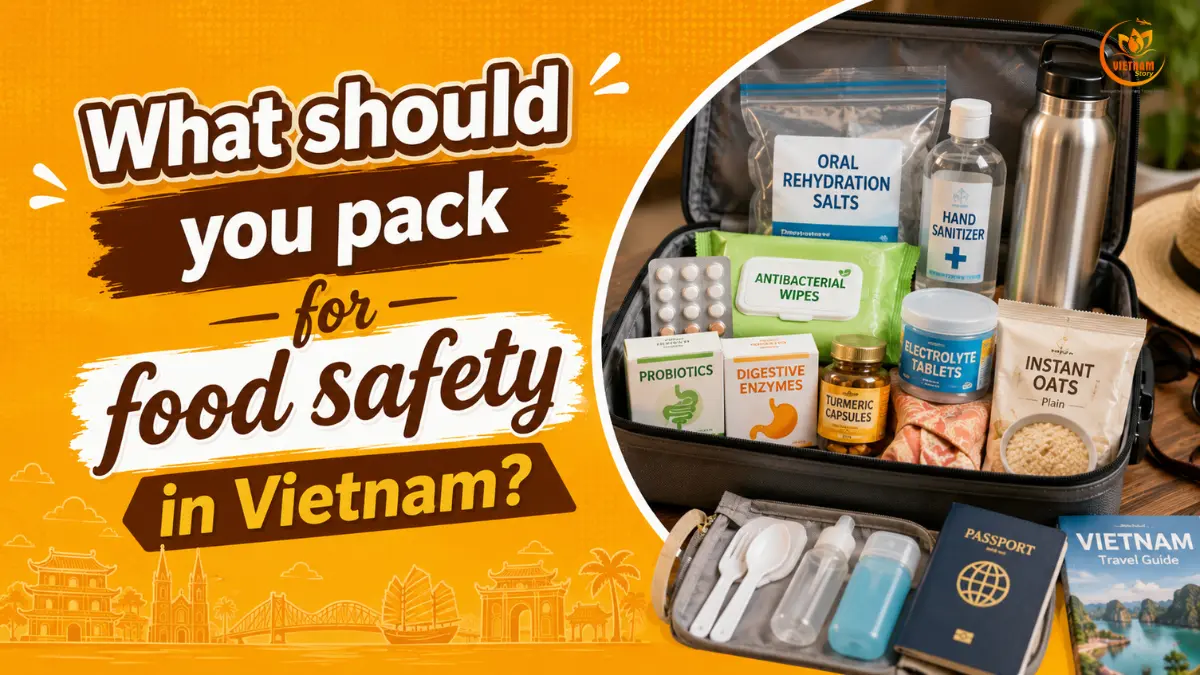
Packing a few travel essentials before leaving India can make your Vietnam trip even more comfortable and stress-free.
We recommend bringing a small travel health kit that includes:
- Oral rehydration salts (ORS)
- Anti-diarrhoea medication
- Digestive medicines
- Allergy medication
- Motion sickness tablets
- Hand sanitiser
- Wet wipes
- Prescription medicines
- Vegetarian or Jain food preference cards
- Emergency snacks for children
These items rarely take up much luggage space but can be incredibly useful if you experience minor digestive issues while travelling. To make your trip to Vietnam unforgettable, check out our Vietnam travel guide.
What should you do if you get an upset stomach?
Even experienced travellers occasionally experience mild digestive discomfort when visiting a new country. Fortunately, most cases are temporary and easily managed.
If you develop an upset stomach during your trip, start by staying hydrated and choosing simple, easy-to-digest foods such as rice porridge or soups. Avoid fried foods, spicy dishes, and alcohol until you feel better. A few simple steps can help speed up recovery:
- Drink bottled water regularly.
- Choose light and freshly cooked meals.
- Rest whenever possible.
- Take appropriate digestive medications if necessary.
- Seek medical advice if symptoms persist.
Vietnam’s major tourist destinations are home to excellent international clinics and hospitals, so medical assistance is easily accessible if required.
Frequently asked questions
Is Vietnamese street food safe for Indian travellers?
Yes. Vietnamese street food is generally safe when purchased from busy and hygienic food stalls that prepare food fresh to order.
Can Indian kids eat Vietnamese food?
Absolutely. Mild dishes such as Pho, fried rice, and chicken rice are excellent choices for children.
Is Vietnam vegetarian-friendly?
Yes. Vietnam offers a wide range of vegetarian and vegan dining options thanks to its Buddhist culinary traditions.
Can I drink tap water in Vietnam?
No. Bottled or purified water is always recommended.
Is seafood safe to eat in Vietnam?
Yes, particularly in coastal destinations. Choose reputable restaurants that serve freshly prepared seafood.
How Vietnamstory helps Indian travellers stay safe?
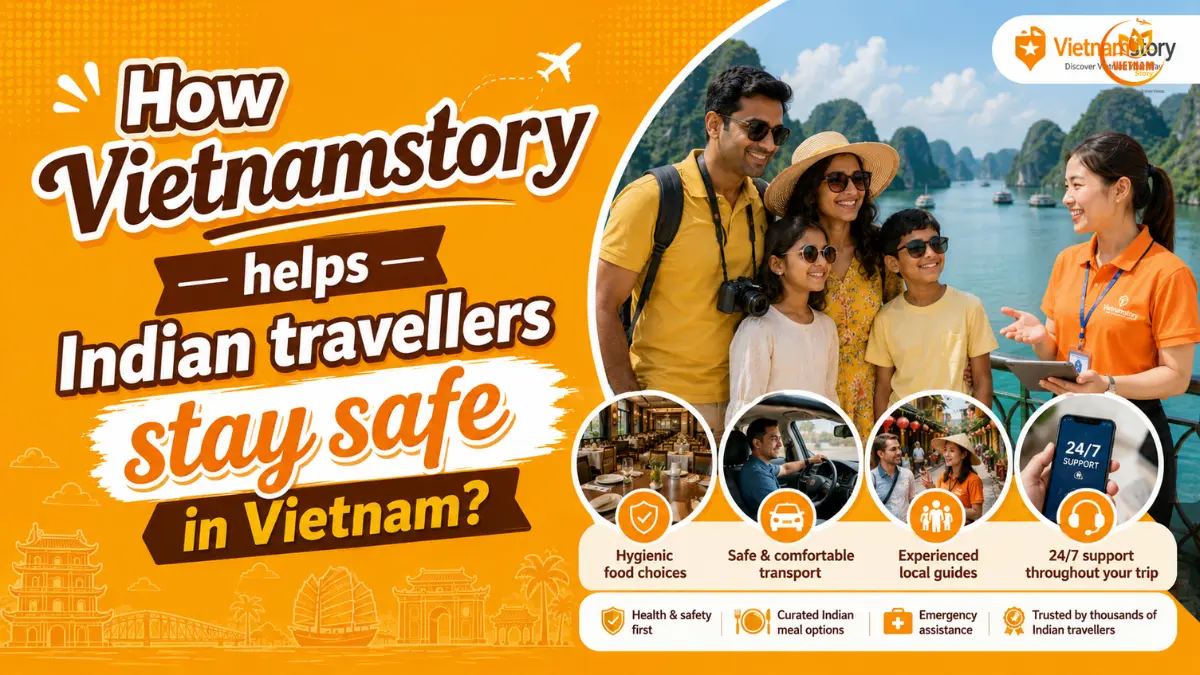
At Vietnam Story, we understand that food safety is especially important for Indian families travelling with children, seniors, or travellers with dietary restrictions.
That’s why we carefully curate dining experiences that prioritise both authenticity and comfort. From recommending vegetarian-friendly restaurants to assisting guests with dietary requirements and selecting trusted dining partners, our team is always ready to help.
We believe discovering Vietnam’s food culture should be one of the highlights of your journey—not something you worry about throughout your holiday. If you are wondering where to visit on your first trip to Vietnam, check out our Best Vietnam Itinerary for First-Time Indian Travellers right away.
Conclusion
Vietnam’s food culture is vibrant, diverse, and remarkably traveller-friendly. With a few simple precautions and some basic food safety knowledge, Indian travellers can enjoy everything from street food adventures to luxury dining experiences with confidence.
Remember the three golden rules of eating safely in Vietnam: choose bottled water, eat freshly cooked food, and dine at busy and reputable establishments.
Food is an essential part of every travel story. By making smart choices, you’ll discover that some of your favourite memories in Vietnam may very well begin at the dining table.