Sapa is more than just a scenic hill station; it is a living museum of indigenous history. The region’s identity is an intricate mosaic of five main groups – the Hmong, Red Dao, Tay, Giay, and Xa Pho – living across the Hoang Lien mountain range and the lush Muong Hoa Valley. At Vietnamstory, we move beyond simple sightseeing. Our mission is to connect you with the “soul” of Sapa through responsible storytelling, traditional craftsmanship, and direct community engagement. Visiting the Hmong and Dao villages in Sapa offers a profound cultural experience. While Sapa town provides the comforts of hotels and restaurants, the real magic happens in the hamlets where ancient traditions are still part of daily life. In this guide, Vietnamstory.in will take you through everything you need to know about the two most iconic groups: the Black Hmong and the Red Dao.
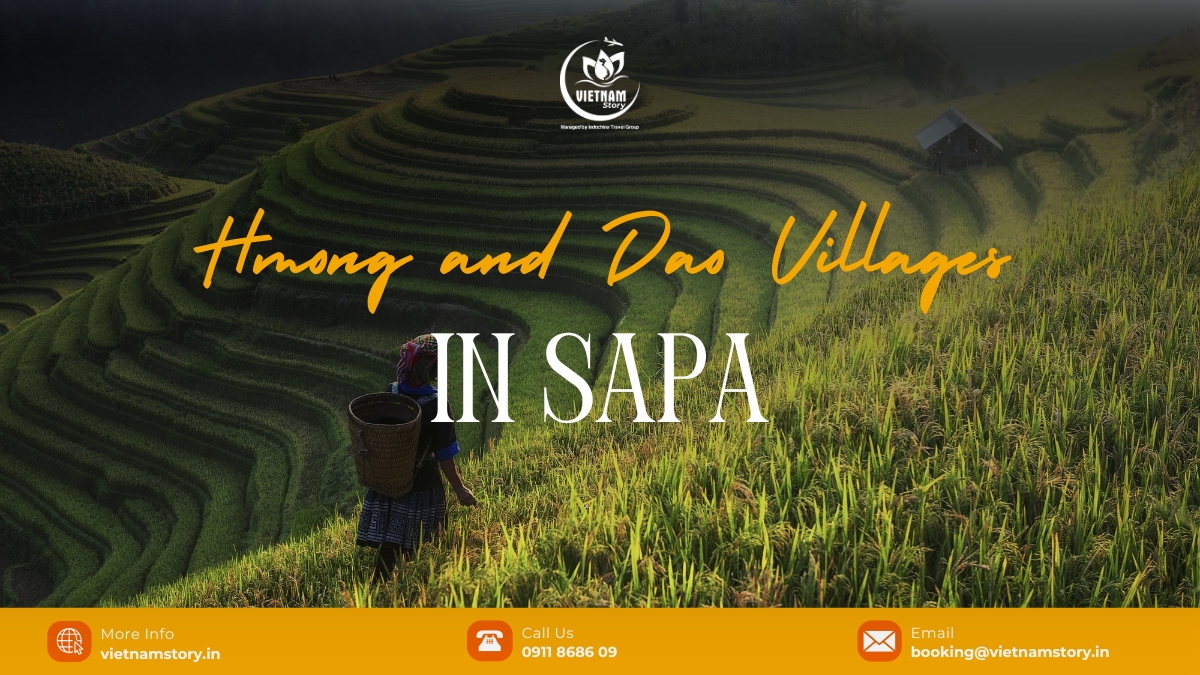
Sapa’s Ethnic mosaic: Understanding the Ethnic Minority Villages Sapa
To appreciate Sapa, one must first understand the social fabric that defines it. The town serves as a hub, but the surrounding hills are populated by diverse indigenous groups who have lived here for centuries. As of the latest 2026 projections, ethnic minorities make up nearly 90% of the district’s population, each contributing a unique thread to the cultural tapestry. The ethnic landscape of Sapa is a diverse blend of five primary groups, with the Black Hmong and Red Dao being the most prominent. Understanding their geographic preferences and livelihoods is the first step in planning a meaningful visit to the local villages Sapa. To help you visualize this mosaic, here is a snapshot of the major groups you will encounter during your 2026 journey:
| Ethnic group | Population share | Geographic preference | Primary livelihood |
| Black Hmong | ~52% | High mountains / Rice terraces | Agriculture & Trekking guides |
| Red Dao | ~25% | Mid-mountain / River valleys | Herbal medicine & Silver carving |
| Tay | ~5% | Low valleys / Near streams | Stilt-house farming & Fishing |
| Giay and others | ~18% | Low plains / Valley floors | Wet-rice cultivation |
While each group has its charm, the Hmong and Dao remain the most accessible for cultural tourism due to their proximity to the most beautiful trekking routes in the Muong Hoa Valley.
Hmong Villages: Exploring the Hmong People lifestyle
The Black Hmong are the most recognizable group in Sapa, famous for their indigo-dyed clothing and their mastery of the steep rice terraces that draw photographers from around the world. Their presence is felt in almost every cultural experience in Sapa, as they are often the friendly faces leading treks through the valley.
The Hmong people lifestyle is defined by a deep connection to the land and a resilient social structure centered on extended-family homesteads. From the famous Cat Cat village to the remote Y Linh Ho, their culture is expressed through intricate indigo textiles, traditional festivals, and a rhythm of life dictated by the lunar calendar.
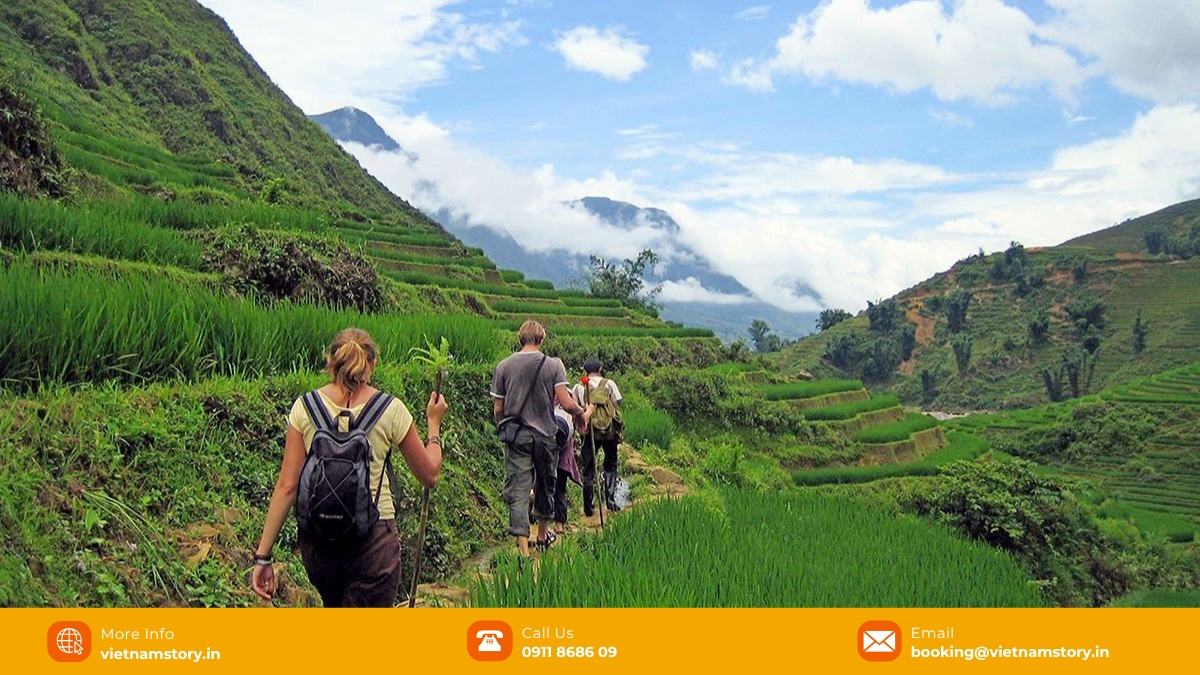
Where the Hmong Live in Sapa?
Core villages like Cat Cat, Lao Chai, and Y Linh Ho are the primary hubs for the Hmong. While Cat Cat is very close to town and easily accessible by foot, villages like Y Linh Ho or San Sa Ho offer a more rugged, authentic glimpse into their mountain lives.
Daily rhythms and livelihoods
The Hmong are masters of the high-altitude landscape. Their lives revolve around slash-and-burn agriculture and the maintenance of the world-famous wet-rice terraces. You will often see families working together, following seasonal rhythms of planting in the spring and harvesting in the autumn. Beyond farming, many Hmong women have become expert trekking guides, sharing their knowledge of the forest with visitors.
Traditional dress and handicrafts
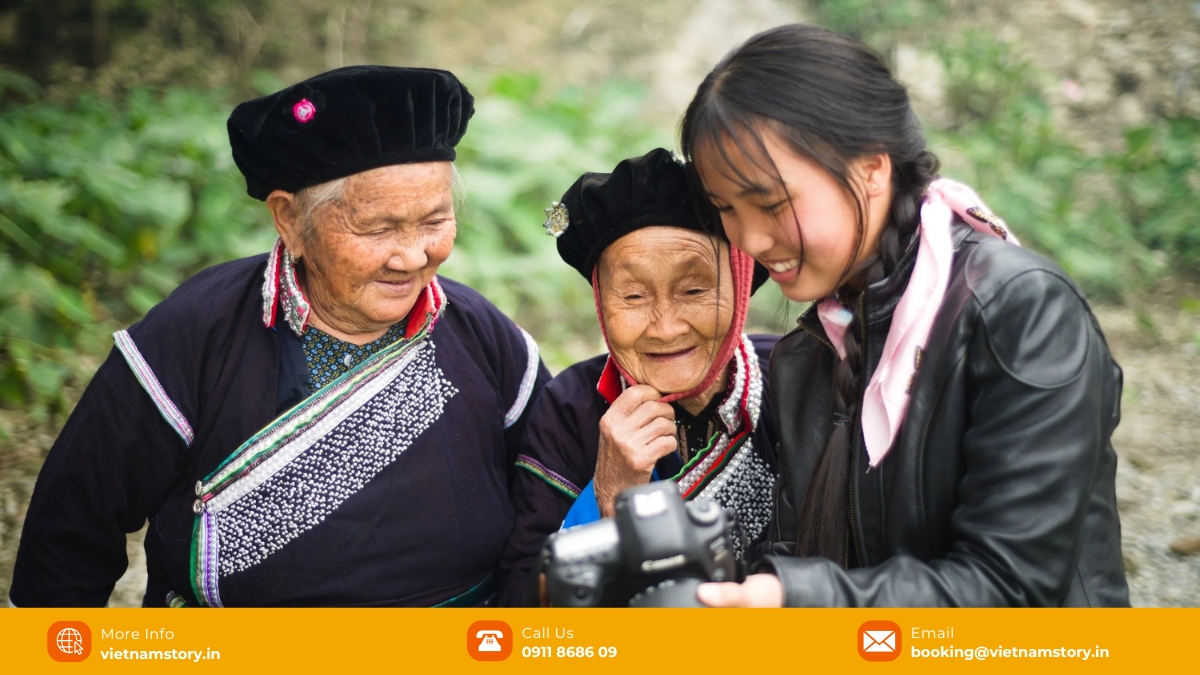
The “Black Hmong” get their name from their dark, indigo-dyed clothing. Women typically wear a sleeveless vest over a long-sleeved jacket, knee-length pants, and a black turban. The fabric is often decorated with beautiful batik patterns and silver jewelry. For my Indian guests who appreciate high-quality textiles, the Hmong embroidery and hemp weaving found in the markets are must-buy souvenirs.
Festivals and ceremonies
If you visit around the 12th day of the Lunar New Year, you might witness the Gau Tao Festival. This is a vibrant prayer-for-rain spring event featuring bamboo-flute dances, archery, and social games. It is a time for bonding and courtship, reflecting the community’s spiritual depth.
READ MORE: A Guide To A Local Dinner In Ethnic Village Sapa For Indian Travelers
Red Dao Villages: Red Dao culture Sapa and traditions
The Red Dao are the second largest group and are easily identified by the bright red turbans worn by the women. For many Indian travelers, the Red Dao culture resonates because of its emphasis on herbal wellness and the vibrant use of red – a color we both associate with luck, happiness, and energy.
Red Dao culture Sapa is synonymous with ancient wisdom, particularly in the realm of herbal medicine and spiritual rituals. Residing primarily in mid-mountain areas like Ta Phin and Nam Cang, the Dao people offer a unique perspective on life through their elaborate initiation rites and the world-famous herbal bath experience.
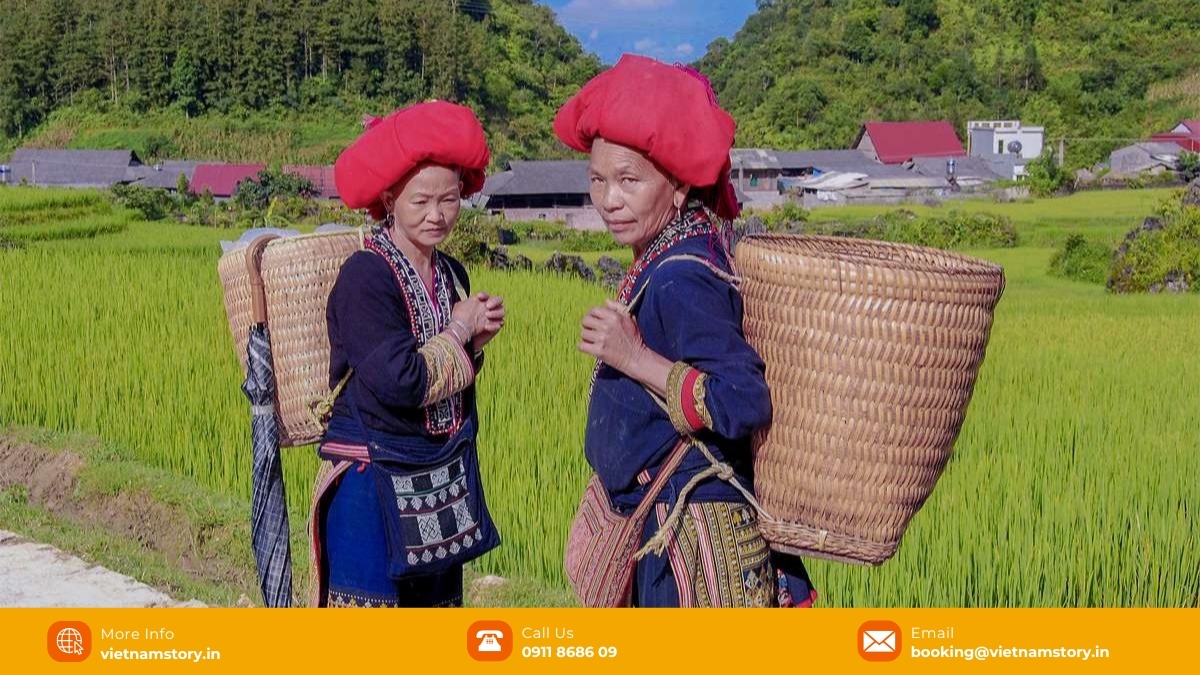
Where the Red Dao Live in Sapa?
The Red Dao typically settle in mid-mountain areas or along valley slopes. Ta Phin is the most famous village for experiencing their culture, but those seeking more tranquility often head to Nam Cang or Suoi Thau, where the homes are often built near running water sources.
Visual identity and clothing
The Dao woman’s outfit is a masterpiece of hand-embroidery. Their jackets feature intricate panels representing flora and fauna. The symbolism of five colors – blue, white, yellow, black, and red – is central to their identity, with red being the most dominant to signify vitality.
Rituals and the “Cap Sac” ceremony
Spiritual life is very active among the Red Dao. One of their most important rites is the Cap Sac, an initiation ceremony for boys marking their transition to adulthood. It involves ancestral worship and spiritual chants, often led by a village shaman.
The Red Dao herbal bath experience
No cultural experience in Sapa is complete without a Red Dao herbal bath. Using forest-foraged leaves, the Dao have perfected a therapeutic soak that relieves muscle pain and improves skin health. For travelers who have spent the day trekking, this bath is a “reset” for the body. In 2026, many family-run setups in Ta Phin offer this experience, providing a direct source of income for the village.
Top Ethnic Minority villages Sapa to visit
Choosing which village to visit depends on your fitness level and your desire for “authentic” vs. “accessible” experiences. Sapa has a village for every type of traveler. From the artisan-focused Cat Cat to the tranquil, riverside Ban Ho, the top villages in Sapa provide a range of experiences catering to different interests. Whether you want to witness a textile demonstration or stay in a rustic stilt house, these villages are the primary anchors for any Sapa itinerary.
- Cat Cat Village (Black Hmong): Just 2km from Sapa town, it is very tourist-friendly with paved paths and craft demonstrations. It is perfect for families with children or those with limited time.
- Lao Chai Village (Black Hmong): Located deep in the Muong Hoa Valley, this village is surrounded by the most stunning rice terraces and is a hub for homestays.
- Ta Van Village (Giay & Hmong): Known for its tranquil riverside setting and bamboo bridges. It is the best place to understand the Giay culture, which differs slightly from the Hmong.
- Y Linh Ho Village (Hmong): A more remote option with steeper paths. It offers a rustic hospitality that feels untouched by the commercial bustle.
- Ta Phin Village (Red Dao): The center for Red Dao culture, famous for textile sales and the best herbal baths in the region.
- Ban Ho Village (Tay): Located at a lower altitude, it is warmer and features traditional stilt houses. It is great for swimming in waterfalls or light kayaking.
Vietnamstory signature experience: Curating for Indian travelers
At Vietnam Story, we know that our Indian guests value comfort, dietary preferences, and meaningful connections. We don’t just take you to the villages; we ensure the experience is tailored to your needs. Our signature experiences are designed to bridge the gap between rugged adventure and cultural comfort. We focus on hands-on workshops, vegetarian-friendly culinary paths, and premium accommodations to ensure your visit to the Hmong and Dao villages in Sapa is seamless.
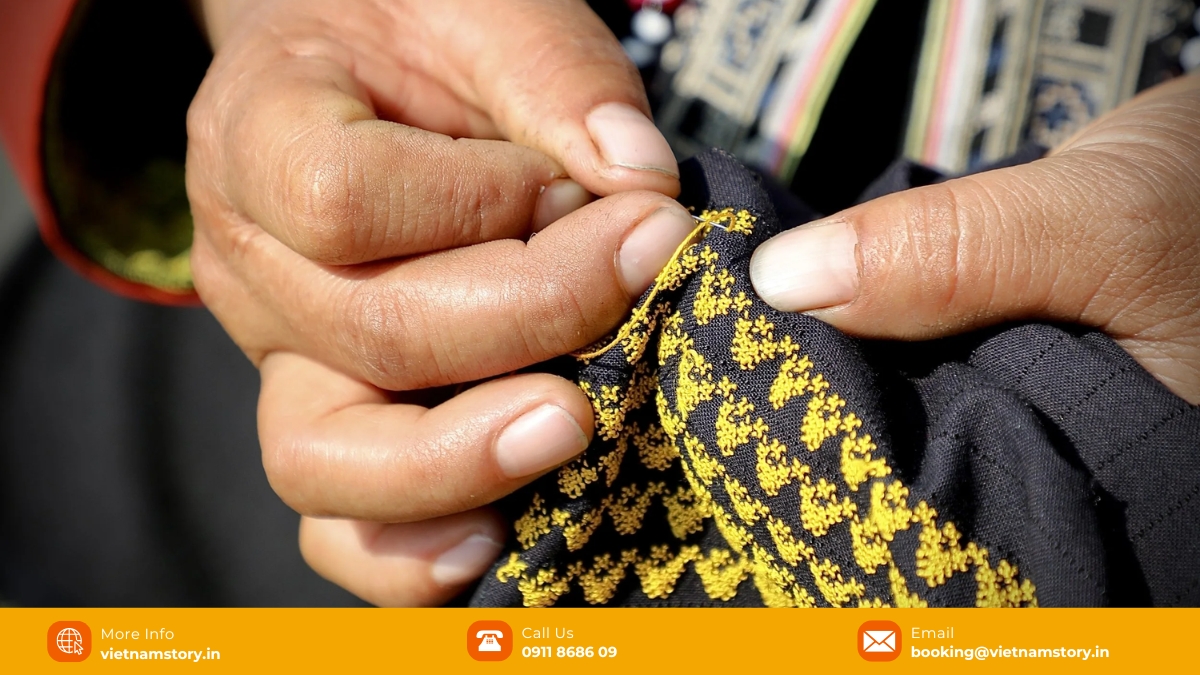
- Handicraft workshops: We can arrange for you to join a Hmong family in Ta Van for a private batik painting session. You will learn to use traditional beeswax pens to create your own textile art.
- The “vegetarian trail”: We map out the best Jain and Vegetarian-friendly homestays. We ensure your meals are cooked with fresh, mountain vegetables, keeping your dietary requirements a priority.
- Premium homestays: For those who want the village vibe without the “roughing it” aspect, we suggest “Sustainable Luxury” stays like Sapa Clay House. These offer private bathrooms and heaters – essentials for Sapa’s 2026 winter climate.
- Ethical photography: We practice an “Engage First” rule. We encourage you to talk to and support local youth projects before taking family portraits, ensuring a respectful exchange.
Responsible and Ethical community-based tourism
As Sapa grows, it is vital that we practice responsible tourism. The goal is to ensure that the income from your visit goes directly into the hands of the people who make Sapa beautiful. Responsible tourism in Sapa involves supporting community-run homestays and choosing itineraries that spread economic benefits across multiple villages. By engaging with locally-owned businesses, you contribute to a sustainable model that preserves these ancient cultures.
Community-run homestays are a fantastic way to give back. When you stay in a Hmong or Dao home, you participate in their daily life – helping with cooking or perhaps even a little farm work. It is a humble, eye-opening experience that fosters true human connection.
READ MORE: Is Sapa Still Worth Visiting in 2026?
Sample itineraries: Planning your visit local villages Sapa
Whether you have one day or three, we can structure your time to maximize your cultural exposure. Depending on your schedule, you can choose from a quick one-day cultural dip or a multi-day immersive trail. These sample itineraries provide a blueprint for experiencing the best of the Hmong and Dao cultures.
- One-day experience: Morning walk through Cat Cat (Hmong crafts) followed by an afternoon drive to Ta Phin for a Red Dao herbal bath and textile shopping.
- Two-day homestay route: Trek from Sapa to Y Linh Ho and Lao Chai. Spend the night in a Hmong home. On Day 2, continue to Ta Van to see the Giay culture before returning to town.
- Three-day immersive trail: Combine the high-altitude terraces of the Hmong, the stilt houses of the Tay in Ban Ho, and the herbal wisdom of the Red Dao in Ta Phin.
Practical travel guide: Fees and timing
To ensure your trip is smooth, there are a few practicalities to keep in mind regarding entrance fees and the best times to visit. Visiting the protected village areas requires a state-regulated entrance fee which supports local infrastructure. Choosing the right season – either the green planting months or the golden harvest – will dramatically change the scenery of your trip.
Entrance fees
- Cat Cat: 150,000 VND (~$6)
- Lao Chai – Ta Van: 75,000 VND (~$3)
- Ta Phin: 40,000 VND (~$1.60)
Best time to visit
- March – May: The “green season” when the terraces are filled with water and young rice shoots.
- September – October: The “golden season” when the rice turns yellow and the harvest begins.
Ethical tip: Please avoid giving candy or money to children on the trails. This encourages begging. Instead, buy a small handmade accessory or support village cooperatives.
Conclusion
Visiting the Hmong and Dao villages in Sapa is not just about the photos of the rice fields; it is about entering the living rooms and the lives of people who have mastered the art of mountain living. Whether you are soaking in a Red Dao herbal bath or learning the secrets of Hmong indigo, these are the moments that define a truly meaningful holiday.
At Vietnamstory, we are ready to guide you through this beautiful landscape. To see how we incorporate these villages into a full experience, I invite you to look at our Sapa: Y Linh Ho – Lao Chai – Ta Van – Giang Ta Chai (2 Days 1 Night) tour. We can’t wait to welcome you to the highlands in 2026!