
A village dinner in Sapa makes the most sense when the meal is already part of a trek, homestay or community-based stay. It is different from choosing a restaurant in Sapa town: the host, menu, serving style and timing are usually connected to the household or accommodation rather than a standard à-la-carte service.
If you are still choosing which village route fits, start with our villages around Sapa guide. If your question is simply what dishes to try across Sapa, use the Sapa food guide. This page stays focused on what to expect from a meal inside a village or homestay itinerary.
What is a Sapa village dinner?
In practice, it can mean several different things:
- A homestay dinner: included or added to an overnight stay after trekking through the valley.
- A hosted local meal: arranged with a household or community-based tourism provider without necessarily staying overnight.
- A small family-run restaurant meal: located inside or near a village route but operating more like a normal restaurant.
Those formats should not be treated as interchangeable. Before booking, ask where the meal is served, who prepares it, whether it is private or shared with other guests, and whether food is included in the trek or room price.
How does it differ from eating in Sapa town?
| Village / homestay dinner | Sapa-town restaurant |
|---|---|
| Menu may be set by the host and available ingredients. | Usually more choice from a written menu. |
| Meal time is often tied to the trekking or homestay schedule. | You can usually choose your own dining time more freely. |
| Shared family-style dishes are common. | Individual dishes and separate orders are easier. |
| Dietary changes often need advance notice. | Some requirements can be discussed when ordering, depending on the kitchen. |
| The meal may be part of a wider hosted experience. | The main purpose is simply dining. |
What food might be served?
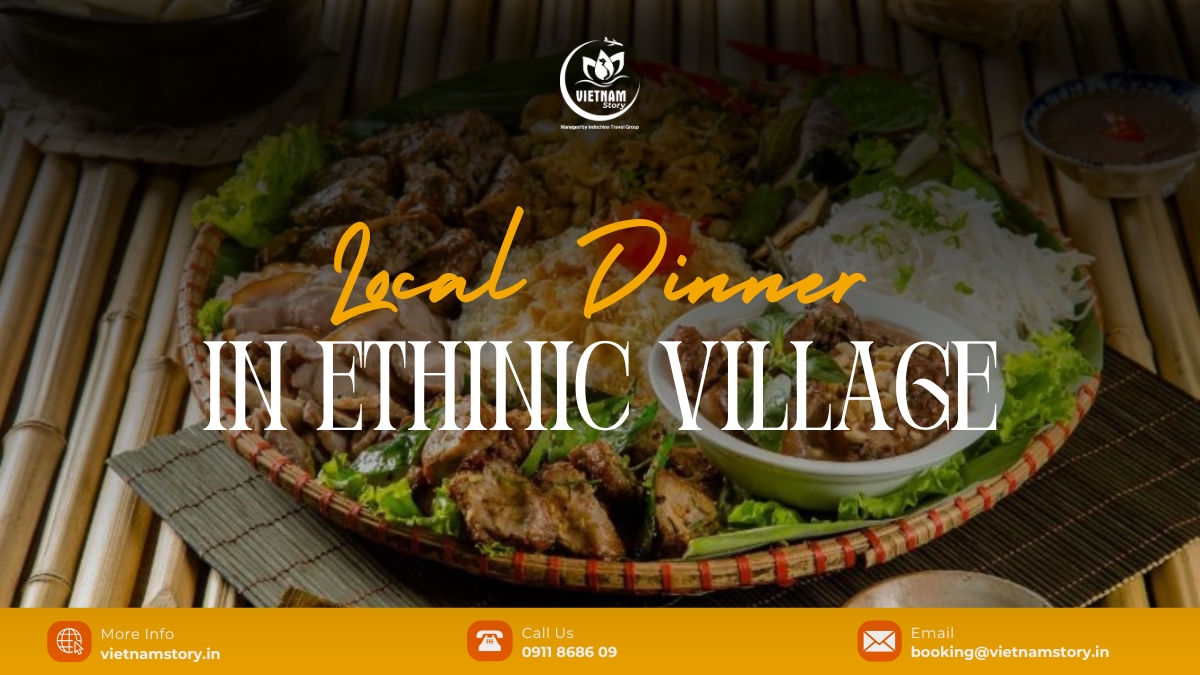
There is no single “Sapa village dinner menu”. Meals vary by household, community, season, group size and what the host normally cooks. You may see rice or corn-based staples, vegetables, tofu, pork, chicken, fish, smoked or grilled foods and simple soups or shared dishes.
Some foods commonly associated with the wider Sapa region—such as cơm lam, five-colour sticky rice, local vegetables or meat dishes—may appear, but they should not be promised unless the host confirms the menu. For dish-by-dish context, use our what to eat in Sapa guide.
Shared dining changes how dietary restrictions need to be handled
A village dinner can be more difficult to customise at the last minute because the host may be cooking one shared meal for the whole group. If a restriction matters, communicate it before the trek or stay begins.
| If you need… | What to confirm in advance |
|---|---|
| Vegetarian | No meat or fish, and whether broth, fish sauce or meat garnishes are used. |
| Vegan | Egg, dairy, honey and animal-based sauces as well as meat/fish. |
| Jain / no onion / no garlic | State the restriction explicitly; do not assume “vegetarian” communicates it. |
| Food allergy | Name the allergen and seriousness, and ask whether the kitchen can realistically manage cross-contact. |
We would not promise separate pans, a dedicated kitchen or “100% Jain” preparation unless the specific host has confirmed that arrangement for your booking.
Alcohol may be offered, but participation is optional
Some hosted meals may include local rice or corn spirits. Treat any toast as an invitation, not an obligation. If you do not drink, say so politely. If you do drink, ask what is being served and pace it carefully, especially after trekking or at altitude.
Do not rely on a fixed alcohol strength or assume every household follows the same drinking custom.
Where does a village dinner fit best?
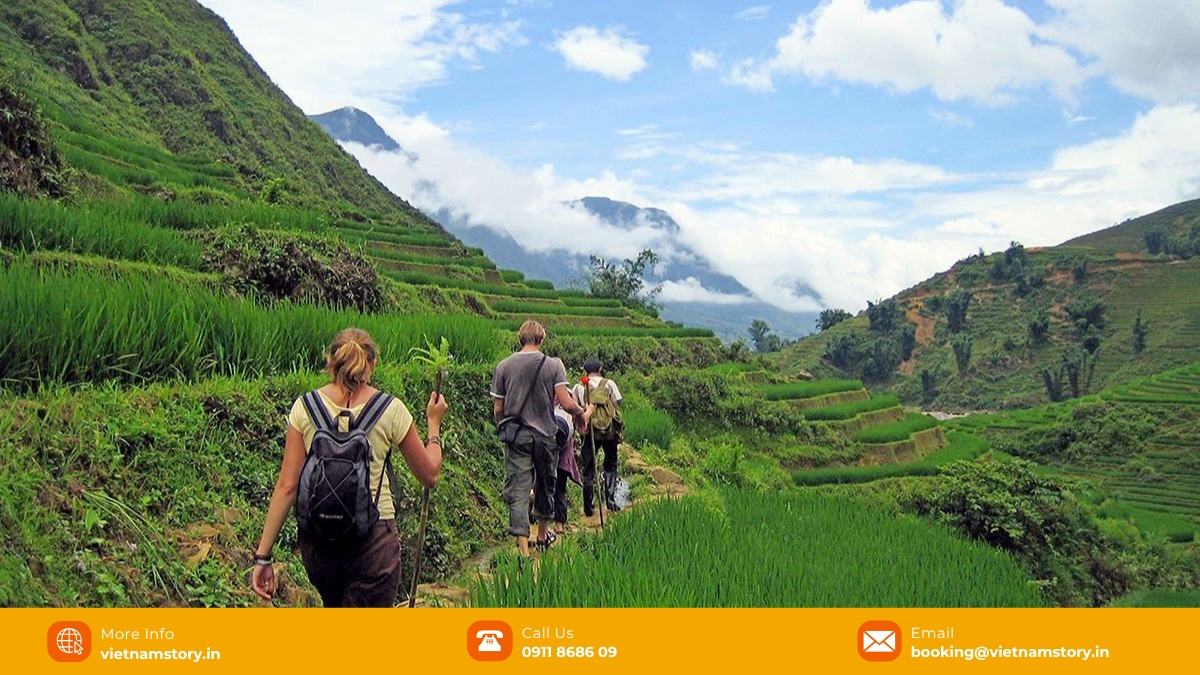
The most natural fit is at the end of a Muong Hoa Valley trek or as part of an overnight village/homestay route. It makes less sense to travel out from Sapa town only for dinner when the rest of the day is already built elsewhere.
- Day trek: lunch may be more practical than dinner if you are returning to Sapa before evening.
- Overnight homestay: dinner becomes part of the stay and usually needs to be discussed at booking.
- Community visit without overnight: confirm transport back after the meal, especially on darker rural roads.
What should you ask before booking?
- Is the meal included in the trek or accommodation price?
- Is it served in a home, homestay dining area or restaurant?
- Is the menu fixed or can the host adapt dishes?
- How many people are sharing the meal?
- Can the host manage the exact dietary restriction you have?
- What time does dinner start, and how will you return or continue the route afterwards?
- If this is part of a community-tourism programme, who operates the meal and where does the payment go?
These questions are more useful than relying on one generic “village dinner price”, because cost changes with accommodation, trekking package, group size and what is actually included.
How should you behave in a host’s home?
There is no single etiquette script that applies to every Hmong, Red Dao, Giay or Tay household. Follow the host or local guide rather than an internet list of supposed universal taboos.
- Ask before photographing people, children, cooking areas or private rooms.
- Do not enter private spaces unless invited.
- Follow the host’s guidance on shoes, seating and any family altar or worship area.
- Do not pressure people to perform a custom or pose for photos because you expected a “cultural experience”.
- If children are present, avoid handing out sweets or cash; support the household, guide, cooperative or legitimate local business instead.
The goal is to be a respectful guest, not to turn someone’s home into an exhibit.
Do you need to help cook?
Some homestays invite guests to help prepare rice, vegetables or another part of the meal; others do not. Treat participation as something to ask about, not as a guaranteed feature of every village dinner.
If cooking is important to you, confirm whether the booking actually includes a cooking activity and what participation looks like.
Village dinner or Sapa-town dinner?
| Choose a village dinner when… | Choose Sapa town when… |
|---|---|
| You are already staying or trekking in the valley and want the meal integrated into that route. | You want more menu choice or easier handling of a strict dietary requirement. |
| A hosted meal is part of the reason for choosing the homestay. | The day ends in town and another rural transfer would add little value. |
| You are comfortable with a set/shared menu confirmed in advance. | You prefer ordering individual dishes after deciding what everyone wants. |
Keep the meal inside the wider village plan
A Sapa village dinner can be a meaningful part of a trekking or homestay stay, but it does not need exaggerated claims about “becoming part of the village” or discovering a single “authentic” highland cuisine. The useful planning work is simpler: know who is hosting, what is included, communicate food requirements early and behave respectfully in the home.
If the village route itself is still undecided, return to the villages around Sapa guide. For the broader two-, three- or four-day route, use the Sapa travel guide.