In the mist-covered mountains of Sapa, food is more than just sustenance; it is a warming ritual designed to combat the highland chill. At Vietnam Story, we understand that for our Indian travelers, finding the right balance between authentic tribal flavors and comfortable dining is the cornerstone of a memorable journey. As of 2026, Sapa’s culinary landscape has reached a mature milestone, with the region receiving over 5 million annual visitors and establishing record-breaking food diversity that blends Hmong, Dao, and Tay traditions with modern global standards.
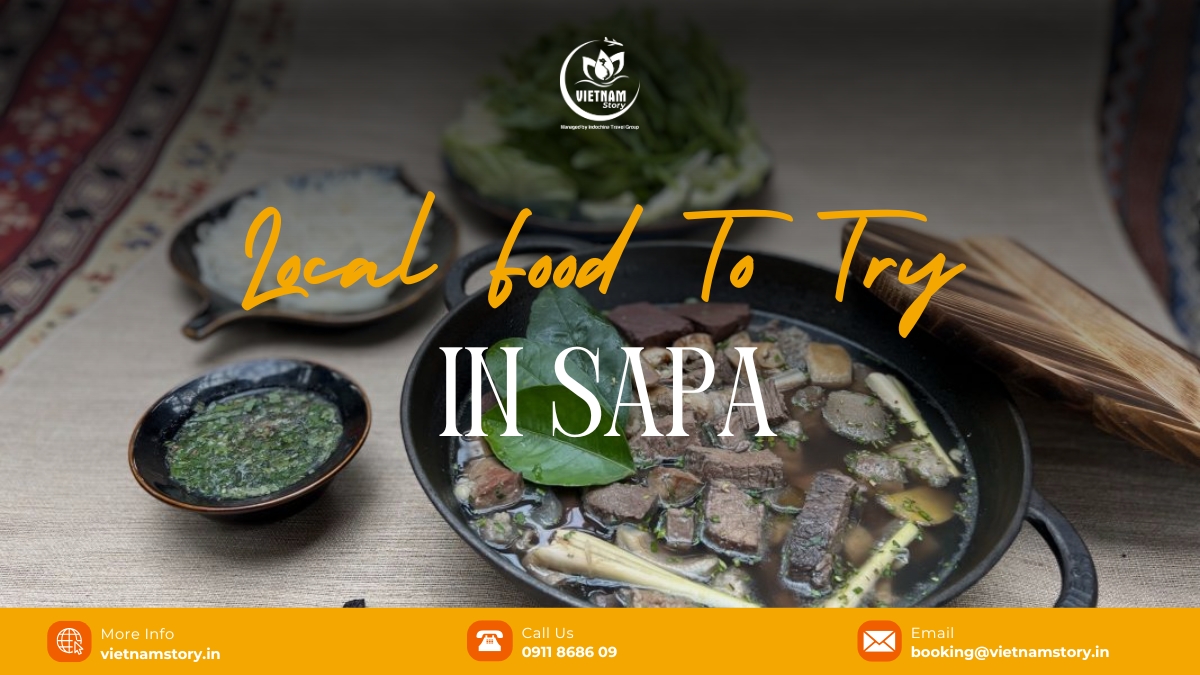
The warming staples of the highlands: Our famous hotpots and stews
Sapa’s beautifully cool climate, which averages a pleasant 15°C–20°C even in the summer, makes the communal and bubbling “Lau” (hotpot) the absolute heart of our social and culinary fabric. Sharing a hotpot is the perfect way to end a day of trekking. These are the warm, soulful dishes that will comfort you in the cool mountain air.
Salmon and sturgeon hotpot (Lau ca hoi/ ca tam)
Sapa’s cold, clean mountain streams are perfect for raising fish, and our local cold-water aquaculture industry has peaked in 2026. This means the local farms are providing incredibly fresh, high-quality river fish for our restaurants.
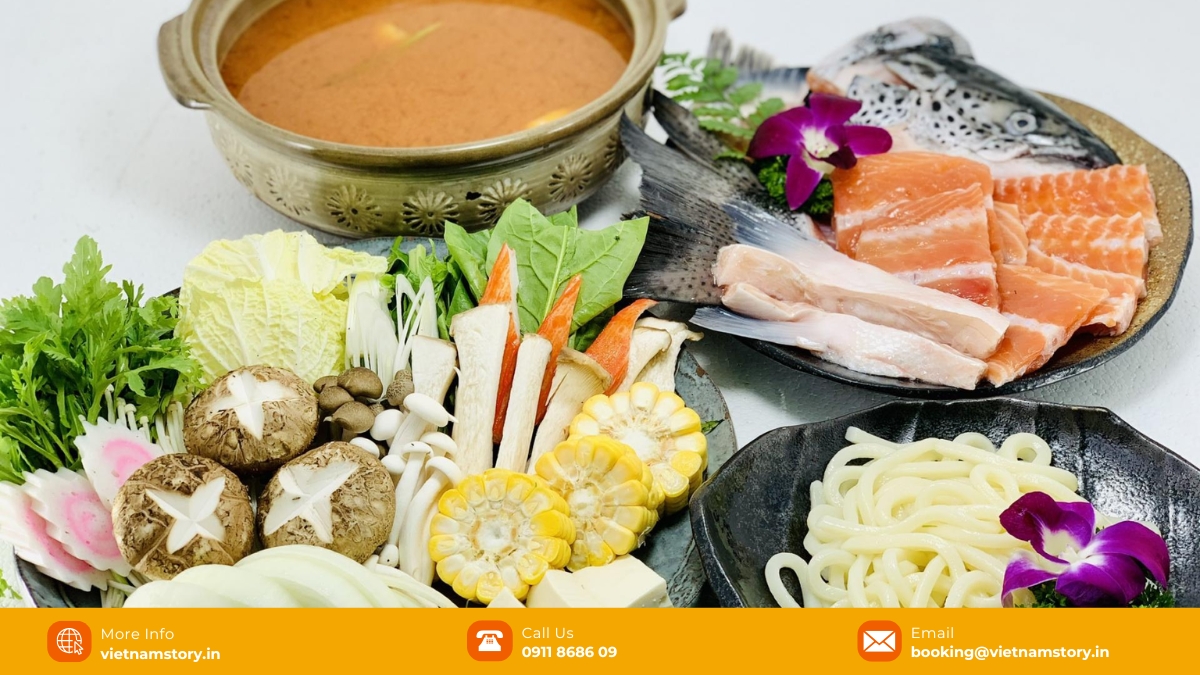
The hotpot features a wonderfully fragrant, sour-and-spicy broth that is beautifully infused with fresh pineapple, tomatoes, and a special local spice called “mắc khén” (a type of mountain pepper) that gives it a unique, tingling flavor.
For a great experience, Vietnamstory.in recommends Viet Deli (at 6 Thu Dau Mot Street) or the beautiful Moment Romantic Restaurant (at 22 Muong Hoa Street).
Thang Co (The traditional horse meat stew)
This is a 200-year-old traditional dish of the Hmong people. It is a true taste of our mountain heritage. Authentic versions of this rich and complex stew use nearly 17 different mountain spices, including cardamom, star anise, and cinnamon.
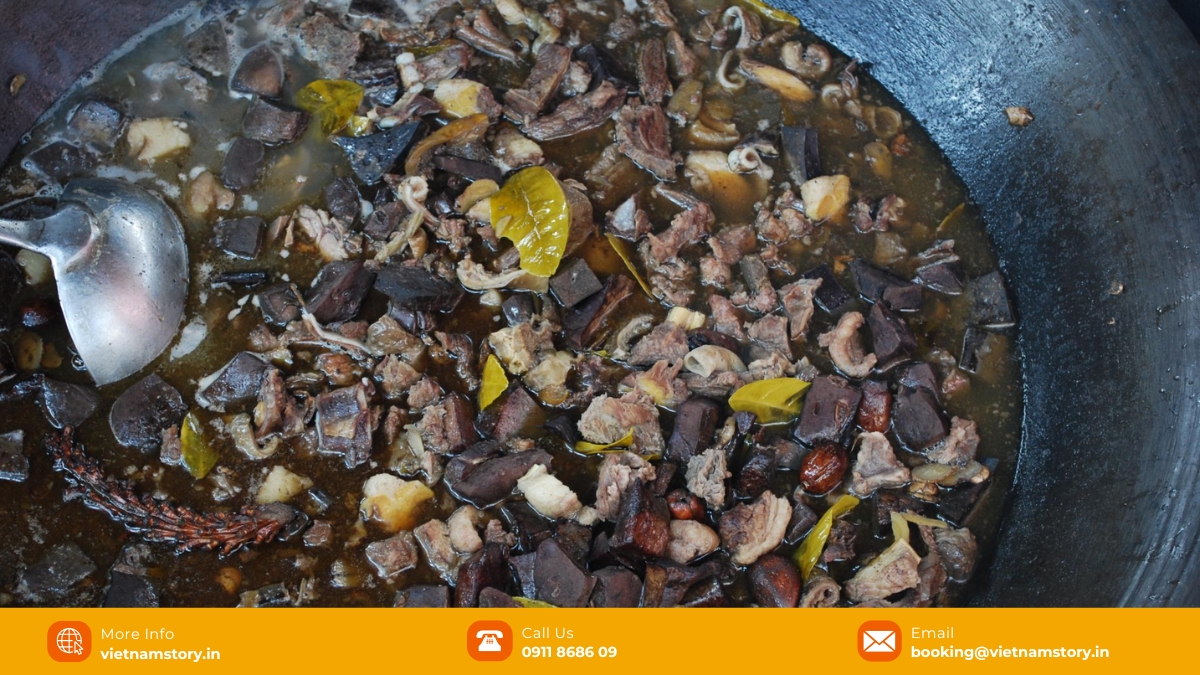
Vietnamstory.in must be honest with you, this dish has a very bold and gamey aroma that might be very strong for a first-time visitor. For a more approachable, “entry-level” version that has been specifically balanced for international palates, we highly recommend you head to the famous A Quynh Restaurant.
READ MORE: The Best Views and Landscapes in Sapa
The signature highland meats: A taste of the mountains
The unique, free-range farming methods of the highlands produce meats that are incredibly flavorful, lean, and delicious. These are the special, local meats that you will not find anywhere else in Vietnam.
“Armpit” pork (Lon cap nach)
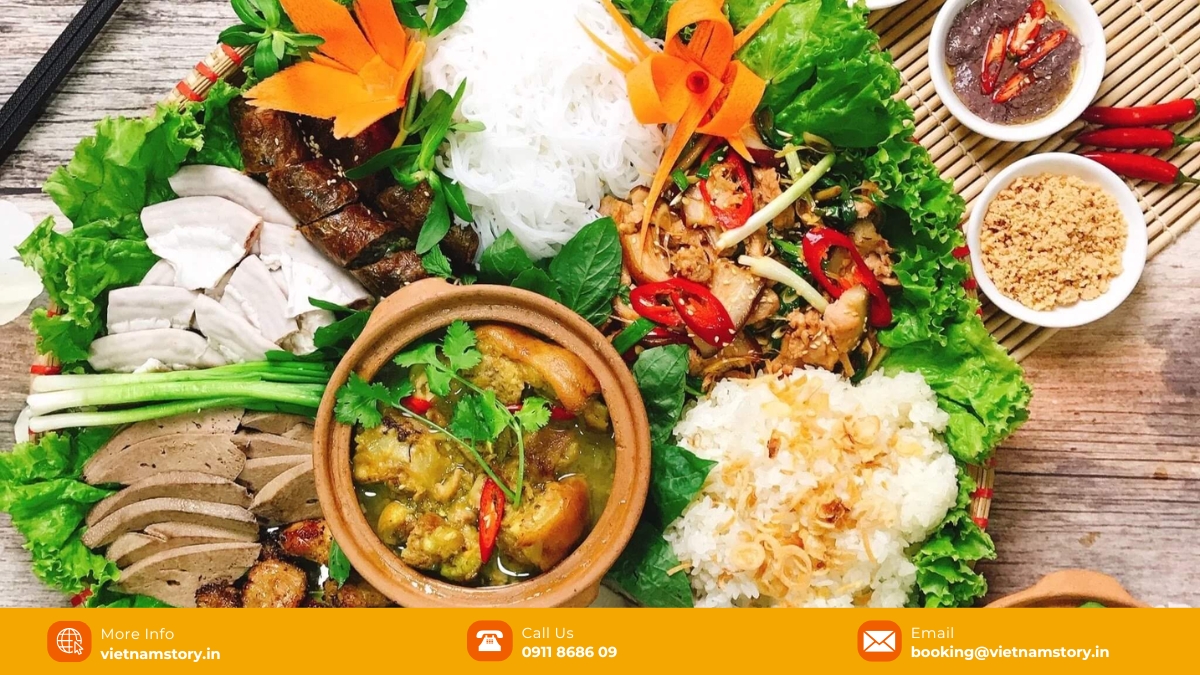
This is a very famous Sapa specialty. The name comes from the small size of these free-range black pigs, which usually only weigh about 10 – 20kg, making them small enough for a farmer to “carry under their armpit” to the market. The meat is incredibly lean, firm, and has a wonderful, sweet flavor. In 2026, the “7-style pork platter” (Lon 7 mon) has become the gold standard for groups to try, offering the pork prepared in seven different delicious ways.
The black Hmong chicken (Ga den)
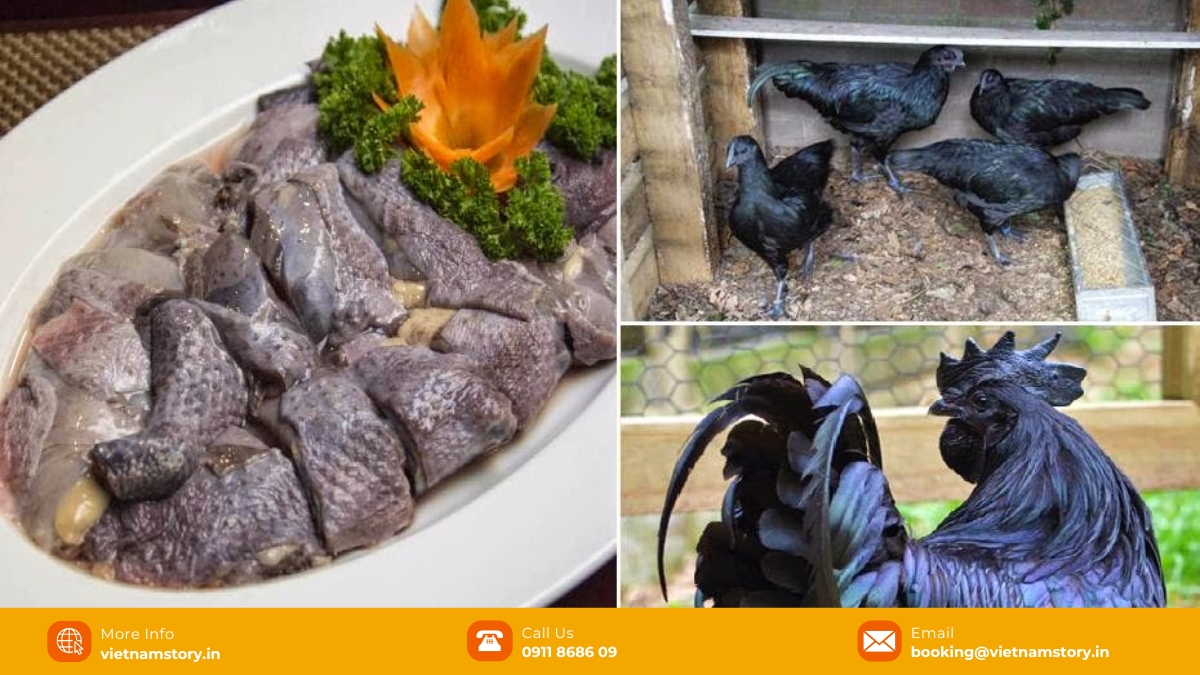
This is a native breed of chicken that is very special. It has 100% black skin and even black bones. It is scientifically noted for its high nutritional value and is traditionally slow-simmered with a variety of medicinal herbs to help boost the immune system.
Smoked buffalo meat (Thit trau gac bep)
This was originally a preservation method of the Thai ethnic people. Strips of buffalo meat are seasoned with local spices and then hung over the kitchen hearth for months, slowly smoking and drying.
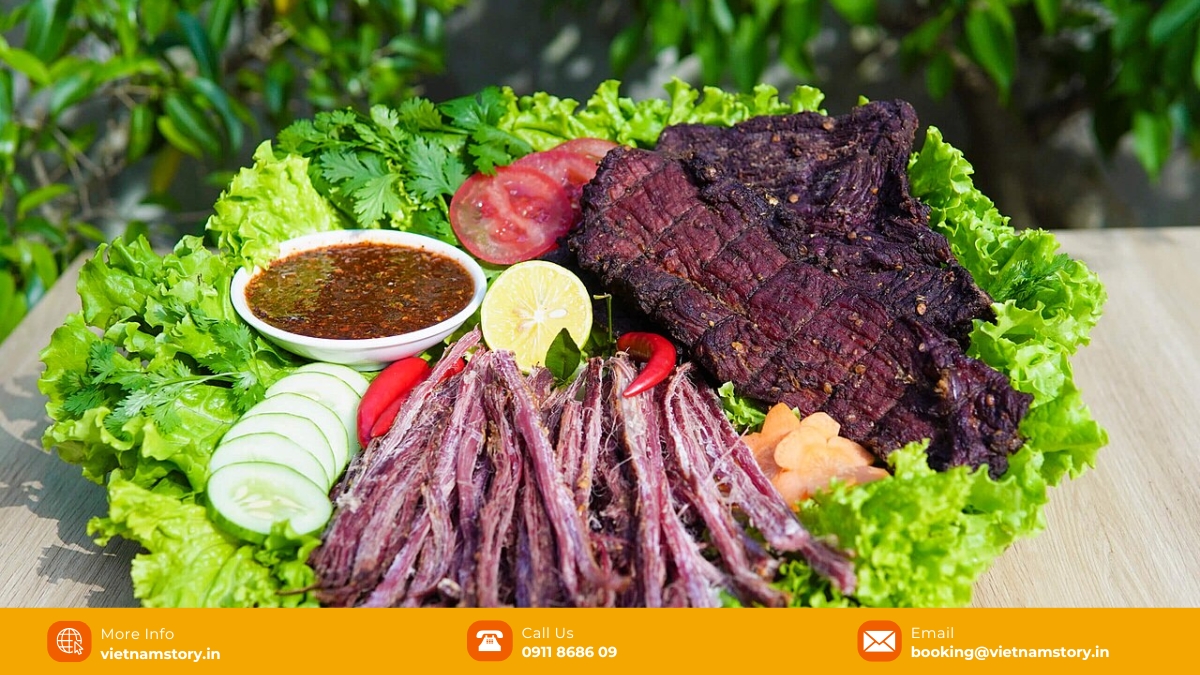
In 2026, this has become Sapa’s #1 best-selling edible souvenir. To guarantee you are buying a high-quality and authentic product, please make sure you buy from a vendor that is certified “OCOP” (One Commune One Product)
The grains and foraged specialties of the land
The staple foods of the ethnic communities are simple, beautiful, and deeply connected to the earth. These are the colourful and unique dishes that are the foundation of the highland diet.
Five-color sticky rice (Xoi ngu sac)
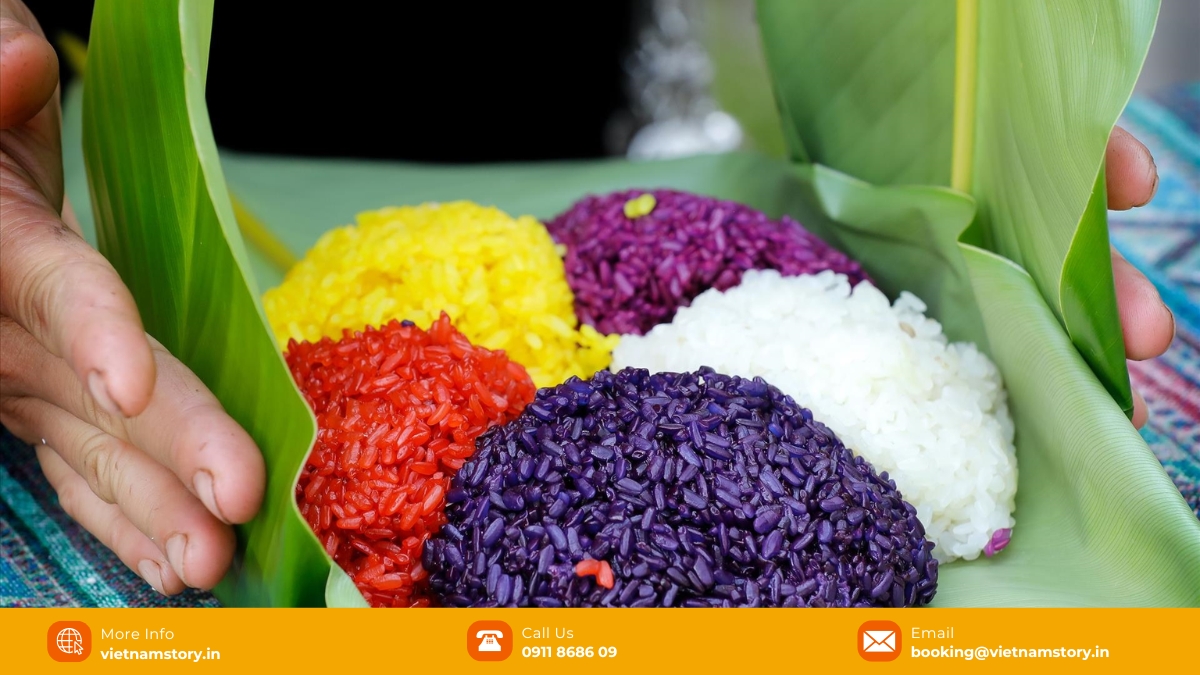
This is a true visual masterpiece and a dish you will see at every festival and celebration. The beautiful sticky rice represents the five elements (wood, fire, earth, metal, water). It is made using 100% natural dyes from local plants: a vibrant red from the Gac fruit, a beautiful green from pandan leaves, a bright yellow from turmeric, and a deep purple from magenta leaves.
Bamboo Sticky Rice (Com lam)
This is a wonderfully fragrant and flavourful dish. Glutinous rice is mixed with a little bit of coconut water, stuffed inside a hollow tube of young bamboo, and then roasted slowly over hot charcoal.
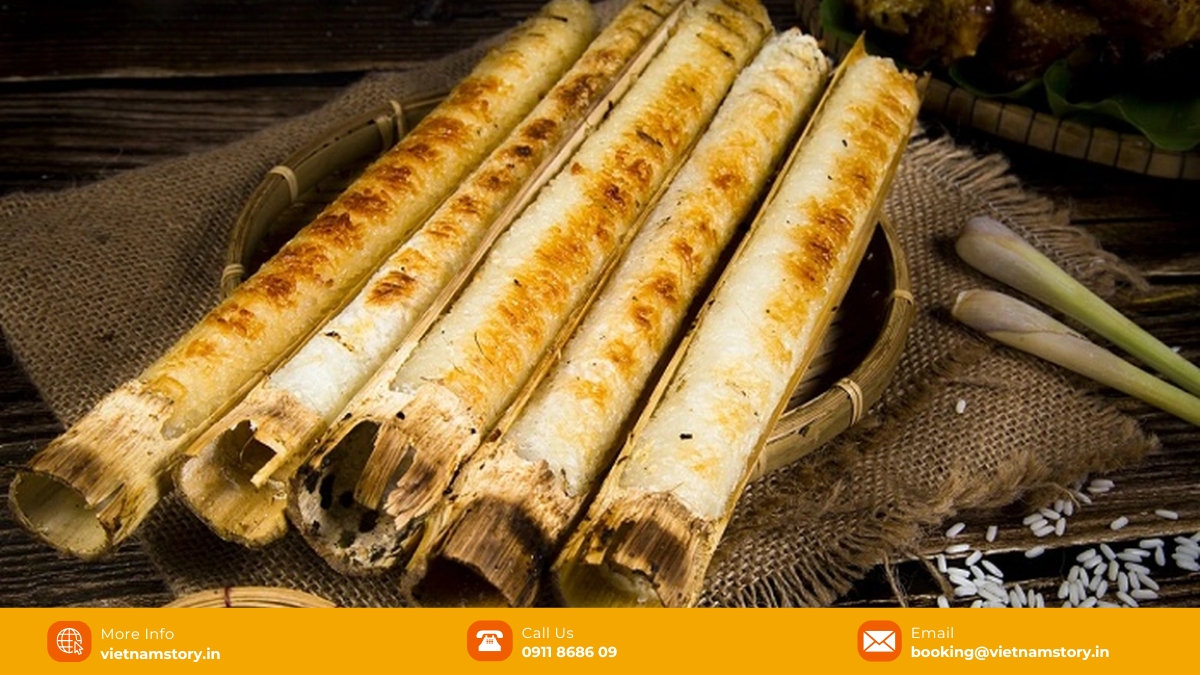
This dish is best enjoyed when it is paired with “Muoi vung,” which is a simple mixture of crushed roasted peanuts and sesame salt. The salty, nutty flavor profile is one that we know is very familiar and beloved by the Indian palate.
Men Men (Steamed cornmeal)
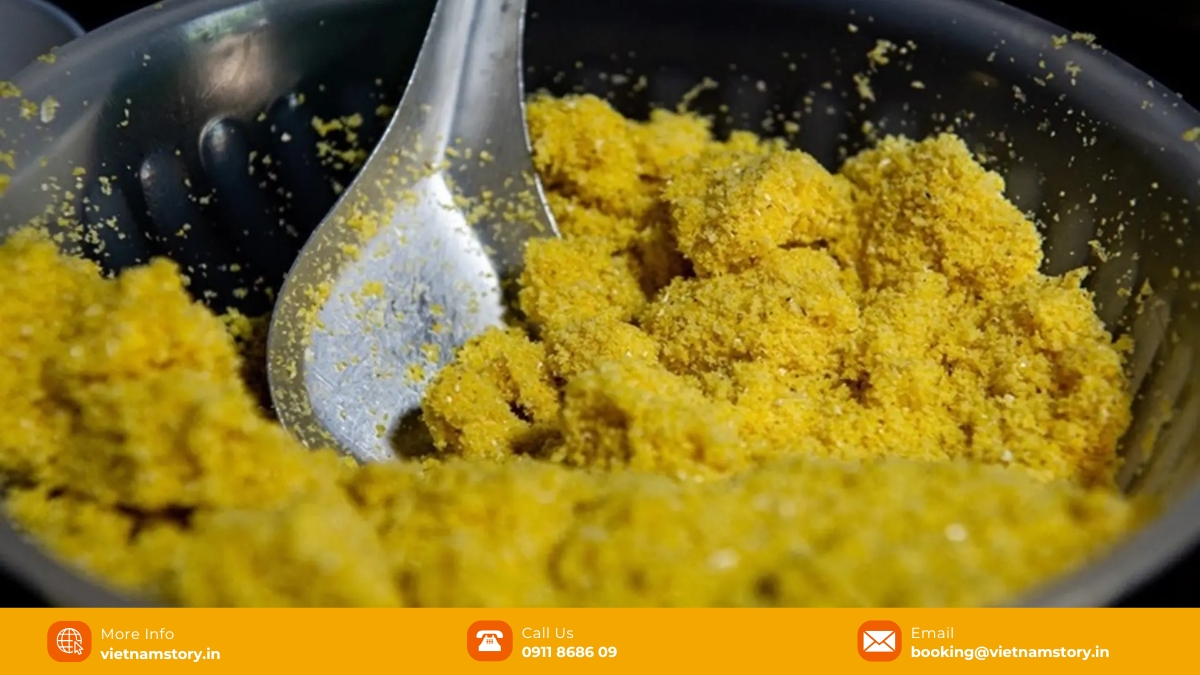
This is the traditional “bread” of the Hmong people. It is often served as a simple, steamed cornmeal pancake with a sprinkle of sesame, and it is the ultimate, energy-boosting trail snack for hikers.
READ MORE: Is Sapa Still Worth Visiting in 2026?
A haven for vegetarians: Your Indian-friendly options
Sapa has successfully positioned itself as a “Green Tourism City” in 2026, and this has made it a remarkably safe and wonderful destination for our vegetarian and Jain guests. You will be delighted by the variety and quality of the vegetarian food here.
- Thong Dong vegan kitchen: This is the premier and most famous spot in Sapa for delicious, plant-based Vietnamese fusion cuisine.
- Ganesh Sapa: For those moments when you are craving a familiar taste of home, Ganesh is the reliable go-to for authentic Indian curries and fresh, hot naan bread.
- Our beautiful mountain greens: In any local restaurant, be sure to look for dishes made with our unique local vegetables. Cai meo (a type of mountain mustard green) and Mam da (stone sprouts) are two of our favorites. They are often simply stir-fried with garlic and offer a clean, crunchy, and delicious texture. You can always request for them to be cooked without fish sauce.
The Sapa night market and fun street food
The Night Market, located on Lương Đình Của Street, is the vibrant epicenter of Sapa’s “Night-Time Economy,” and a paradise for budget-friendly and delicious snacks (most items cost between 50,000 – 150,000 VND). Here is what you must try at the night market.
Grilled skewers (Xien nuong)
You will find dozens of stalls with a huge variety of skewers ready to be grilled over hot charcoal. You can choose from everything from fresh vegetables like okra and mushrooms to “rolling” beef and local sausages.
Chestnut cake (Banh hat de)
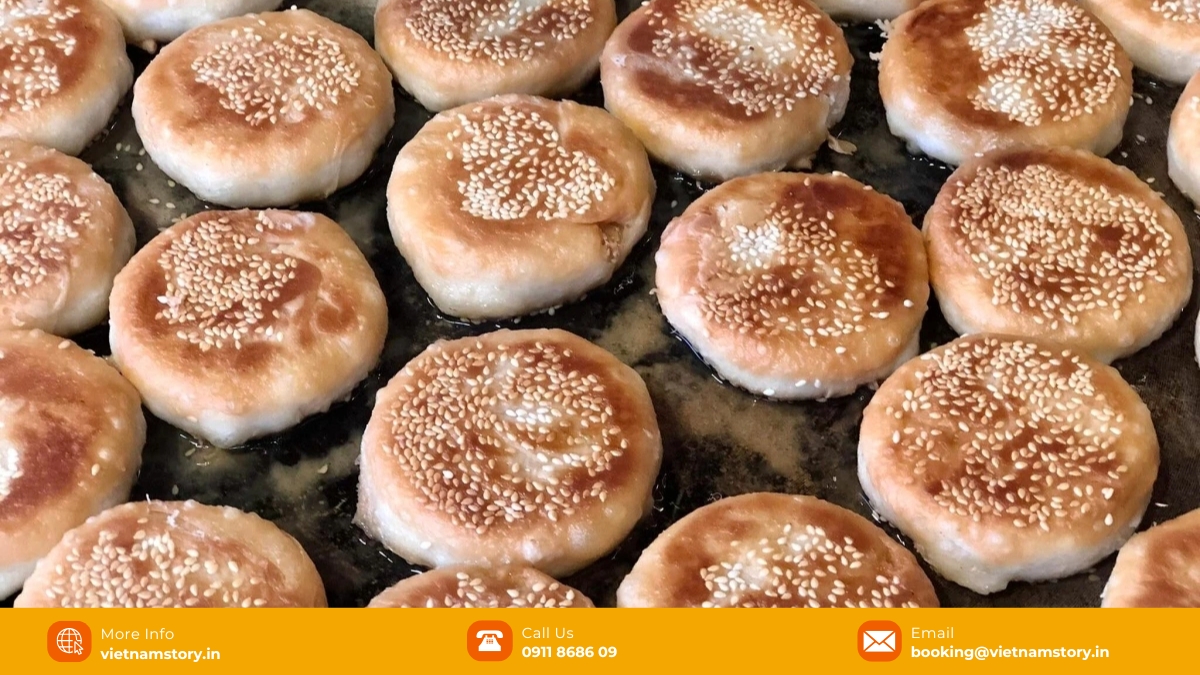
This is a warm, flaky, and delicious pastry that is filled with a sweet and earthy paste made from ground forest chestnuts. It’s the perfect warm snack for a cool Sapa evening.
Con Sui (A “dry” Pho)
This is a very unique Sapa hybrid dish. Thick, blanched rice noodles are served not in a soup, but with a thick, savory, and delicious sauce, and topped with char siu pork and roasted peanuts.
Tao meo wine
This is not made from regular apples! It is crafted from a special kind of tiny, wild highland apple that we call táo mèo. These apples are harvested from the forest and then patiently fermented for six to eight months. This long process gives the wine its beautiful, rich amber-brown color and a wonderfully complex taste that we know our friends from India will appreciate. It has a perfect balance of sweetness, a gentle, pleasant bitterness, and a crisp, acidic finish that is incredibly refreshing. It is the perfect drink to sip on a cool Sapa evening, and many locals believe it is wonderful for your digestion after a hearty meal.
Vietnamstory signature: Our special dining advice for you
To ensure your culinary journey through Sapa is both authentic and completely comfortable, we provide these special services.
- Our allergy advocacy: We understand that navigating hidden ingredients can be a concern. That is why our expert guides always carry special “Allergy cards” written in Vietnamese. These cards can clearly communicate your dietary needs to any restaurant, ensuring you can avoid ingredients like shrimp paste (mam tom) or fish sauce (nuoc mam).
- Our Hhygienic standards: We exclusively recommend and take our guests to restaurants that we know have a high turnover of customers and have a visible “Food Safety Certificate” rating, which has become a very strictly enforced standard in Sapa as of 2026.
- Our commitment to Ethical eating: We love to encourage our guests to dine at the wonderful, women-led cooperatives and family-run eateries in the local villages like Ta Van and Cat Cat. This ensures that your tourism dollars are directly supporting the ethnic artisans and the families who created these incredible recipes in the first place.
Conclusion
The food of Sapa is a beautiful reflection of the land and the people who inhabit it. It is warm, hearty, and comforting, designed to nourish the body and the soul against the cool mountain chill. Every dish tells a story – of a successful harvest, of ancient preservation techniques, and of the fragrant herbs and spices foraged from the surrounding forests. To share a bubbling hotpot with friends or to taste a piece of bamboo-roasted rice is to experience the true, warm, and generous heart of the Sapa highlands.
Your travel story deserves to be a delicious and adventurous one. Allow Vietnamstory to be your guide. We specialize in crafting seamless Tour Packages from India that take you on a safe and exciting culinary journey through the highlands, ensuring you taste the very best of our local traditions. Reach out to us, and let’s start writing your delicious S-apa story together.