If you are planning your 2026 journey to Northern Vietnam, there is one place that must be at the top of your list: the O Quy Ho Pass. O Quy Ho Pass remains the undisputed “King of Mountain Passes” in Northwest Vietnam. Stretching 50km along National Highway 4D, it serves as the majestic gateway between the mist-shrouded valleys of Sapa (Lao Cai) and the sun-drenched plateaus of Lai Chau. At Vietnam Story, we recommend O Quy Ho as the premier “Day 2” adventure for Indian travelers who want to witness the sheer scale of the Hoang Lien Son range after exploring the rice terraces of Muong Hoa.
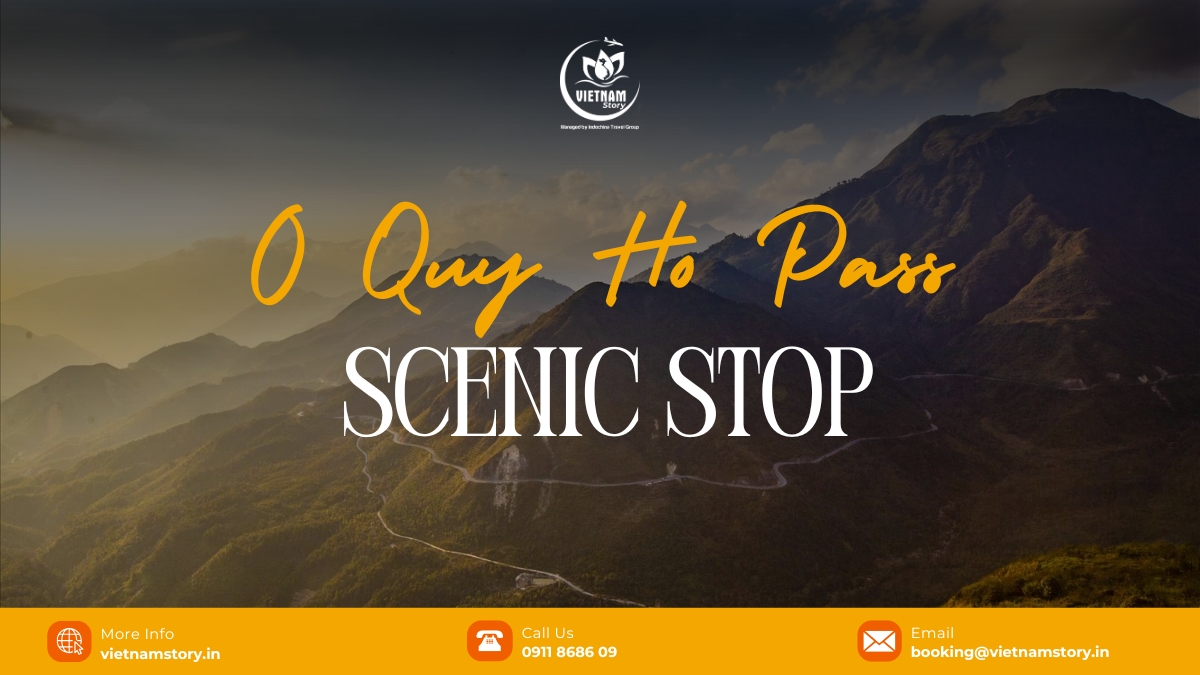
Discovering the iconic “big four” O Quy Ho Pass scenic stops for Indian traveler
The “Big Four” stops – Silver Waterfall, Heaven’s Gate, Rong May Glass Bridge, and the Lonely Tree – provide a mix of natural beauty, spiritual architecture, and high-altitude thrills. These stops are perfectly spaced out, allowing you to transition from the lush waterfalls near Sapa to the 2,000m peaks of the summit within an hour’s drive.
The O Quy Ho Pass is not just a road, it is a collection of world-class viewpoints and engineering marvels. To make the most of your half-day journey, you need to know exactly where to pull over, as each stop offers a completely different perspective of the “King of Mountain Passes.” To help you plan your stops and manage your budget, we have compiled this handy reference table for the 2026 season:
| Stop | Distance from Sapa | Key highlight | Ticket (Approx) |
| Silver waterfall | 12 km | 200m misty cascade, paved steps | 20,000 VND |
| Heaven’s gate | 18 km | 2,035m summit, Bali-style Gate | 120,000 VND |
| Rong May Glass bridge | 20 km | 600m-high glass walk & elevator | 500,000 VND |
| Lonely tree | 19 km | Iconic pine silhouette, sunset spot | 30,000 VND |
| Fairy valley | 17 km | Flower gardens and buggy service | 250,000 VND |
READ MORE: The Best Views and Landscapes in Sapa
Heaven’s Gate: The definitive viewpoint
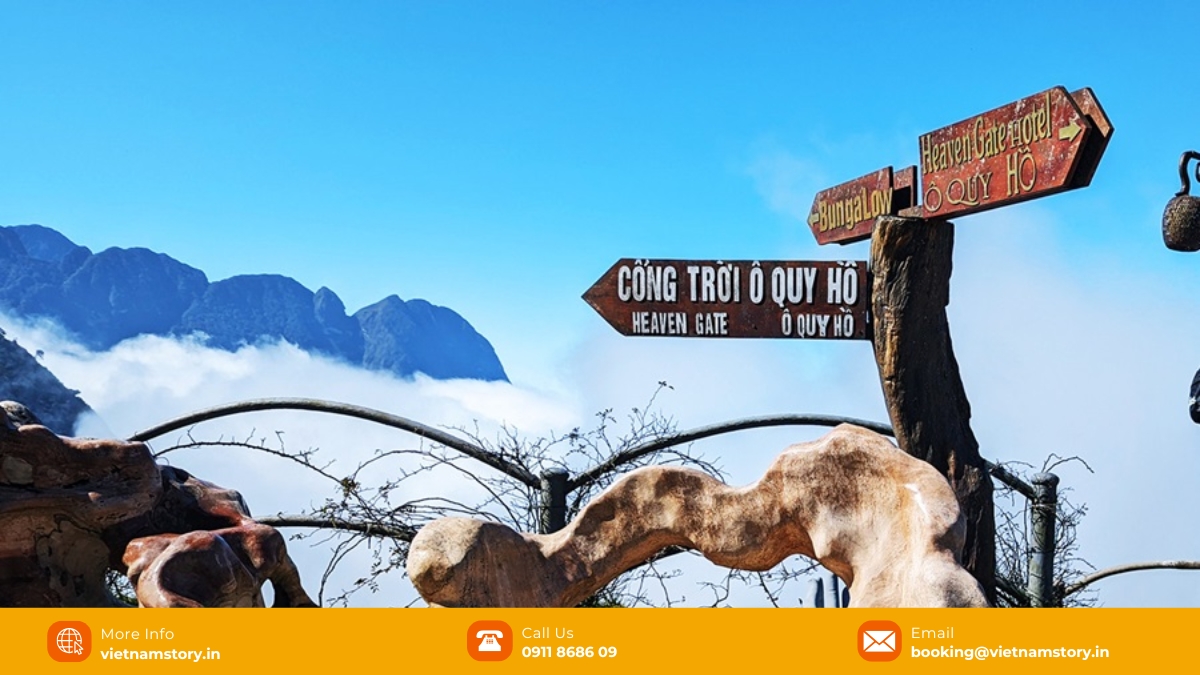
This is the “crown jewel” of any O Quy Ho Pass scenic stop. Located at the very peak of the pass, the 2026 complex has been expanded to include a spiritual pagoda and multiple viewing platforms. When you stand here, you are looking down into a massive “V-shaped” valley. For our Indian guests who love the Himalayas, this view offers a similar sense of scale but with the lush, tropical green that is uniquely Vietnamese.
Rong May Glass bridge: Vietnam’s highest skywalk
If you are traveling with teenagers or are a bit of an adrenaline junkie yourself, this is non-negotiable. You enter a 70m vertical elevator carved directly into the cliffside, which whisks you up to a transparent glass bridge hanging 600m above the valley floor. The sensation of walking on air is incredible. For those wanting even more excitement, we can arrange Ziplining or “Rope Cycling” (cycling on a wire) for an extra 150,000 VND.
READ MORE: Rong May Glass Bridge: A Guide to Sapa’s “Dragon in the Clouds”
O Quy Ho Fairy Valley: A family favorite
For those traveling with elders or young children, Fairy Valley is a fantastic O Quy Ho Pass scenic stop. It is a newer eco-complex featuring meticulously themed flower gardens and a diversity park. It is less “rugged” than the summit, offering buggy services to transport you between photo spots, making it very accessible for everyone.
The best times for cloud hunting at an O Quy Ho Pass scenic stop
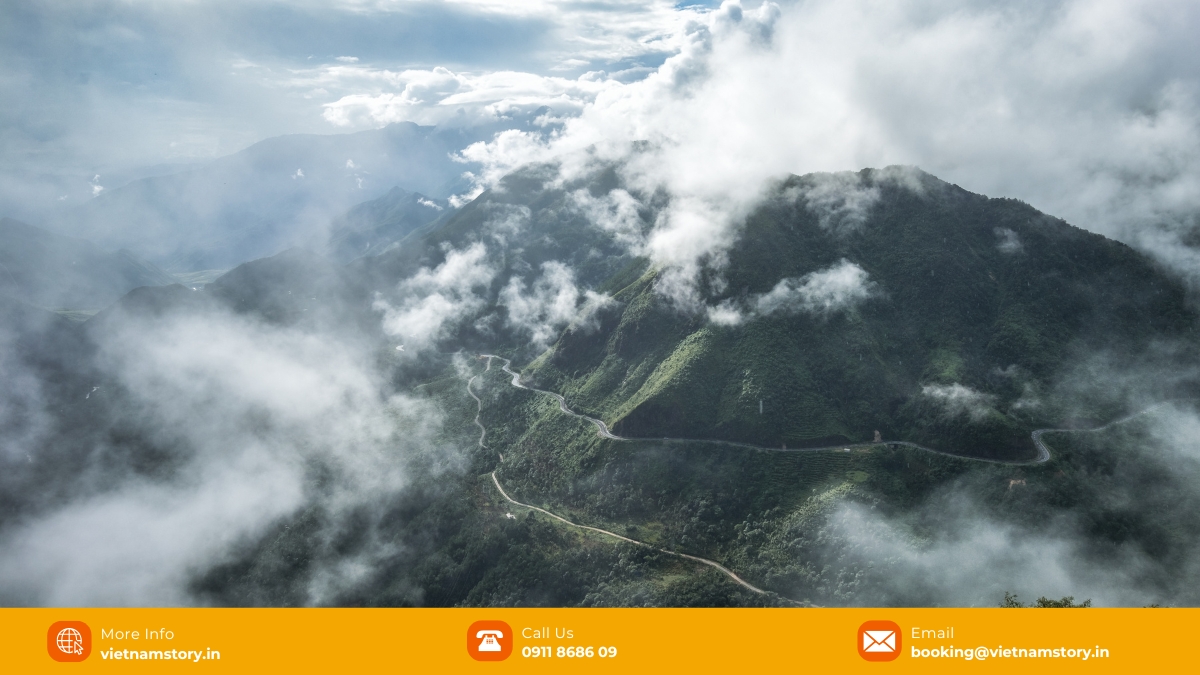
The O Quy Ho Pass is famously nicknamed “The Cloud Pass” due to its unique microclimate. Depending on when you visit, the pass can look like a sunny tropical paradise or a mysterious kingdom hidden above the clouds. To see the famous “Sea of Clouds,” aim for the months of October through December between 7:00 AM and 9:00 AM. If you prefer clear blue skies and vibrant flowers, the spring months of February to April are your best bet.
When we organize tours for our Indian friends, we always emphasize the “Golden Hours.” Here is what you can expect throughout the year:
- Cloud hunting (Oct – Dec): This is the peak time to witness the “Sea of Clouds.” The valley below fills with thick, white mist, leaving the mountain peaks poking out like islands in an ocean. It is a spiritual experience that requires an early start from Sapa.
- Sunset spectacle: There is a saying among us locals: “Sunrise at Fansipan, Sunset at O Quy Ho.” Between 4:30 PM and 5:30 PM, the pass glows in a deep amber and purple hue. It is, quite simply, the most romantic spot in Vietnam.
- The winter “frozen” effect: In late December and January, the pass occasionally sees frost. While rare, seeing the pine forests dusted in white is a “winter wonderland” that many of our guests from warmer Indian states find absolutely enchanting.
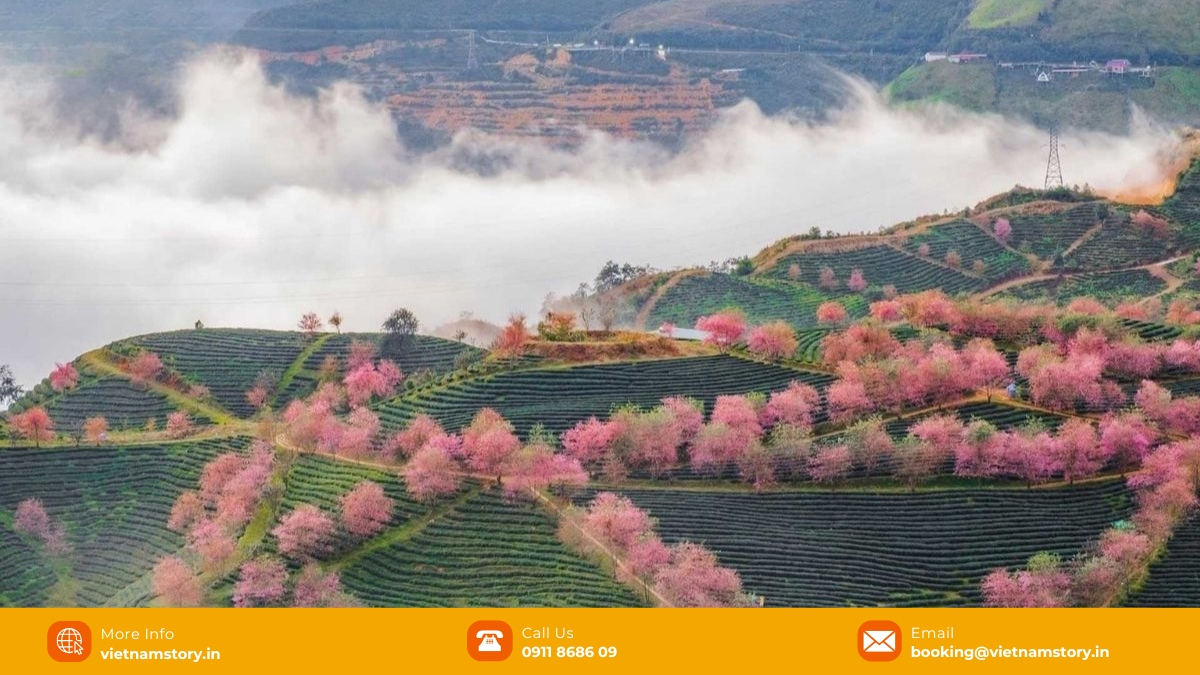
- Spring blooms (Feb – April): This is when the Hoang Lien Son range comes alive. You will see wild cherry blossoms (pink) and rhododendrons (red and white) splashing color across the green cliffs.
Navigating O Quy Ho Pass scenic stop: Driving, safety and logistics
For the safest and most comfortable experience, a private SUV is the best choice for Indian tourists. While motorbikes offer adventure, the presence of large container trucks and unpredictable fog makes professional transport a much wiser investment for families and groups. Here are the logistical realities you should consider before departing Sapa town:
Motorbike and private car
If you are an experienced rider, you can rent a scooter for about 200,000 VND/day. However, please be warned: the pass is a major artery for large trucks. At Vietnam Story, we almost always provide our Indian guests with private SUVs. This allows you to relax, enjoy the AC (or heater!), and stop at any O Quy Ho Pass scenic stop whenever you see a photo opportunity without worrying about the traffic.
The “two-sided” weather phenomenon
This is one of the most fascinating things about O Quy Ho. Because the pass acts as a wall between two climate zones, it can be foggy, cold, and drizzling on the Sapa (Lao Cai) side, but the moment you cross the summit into the Lai Chau side, you are greeted by bright sunshine and dry heat. Always carry a jacket, even if Sapa looks sunny when you leave!
READ MORE: The Best Places to Visit in Sapa
Vietnamstory’s tips for Indians visiting an O Quy Ho Pass scenic stop
Embrace the local “Pass Food” which mirrors some Indian flavors, dress in layers to combat the high-altitude chill, and always aim to finish your mountain journey before the dense evening fog rolls in.
The “pass food” experience
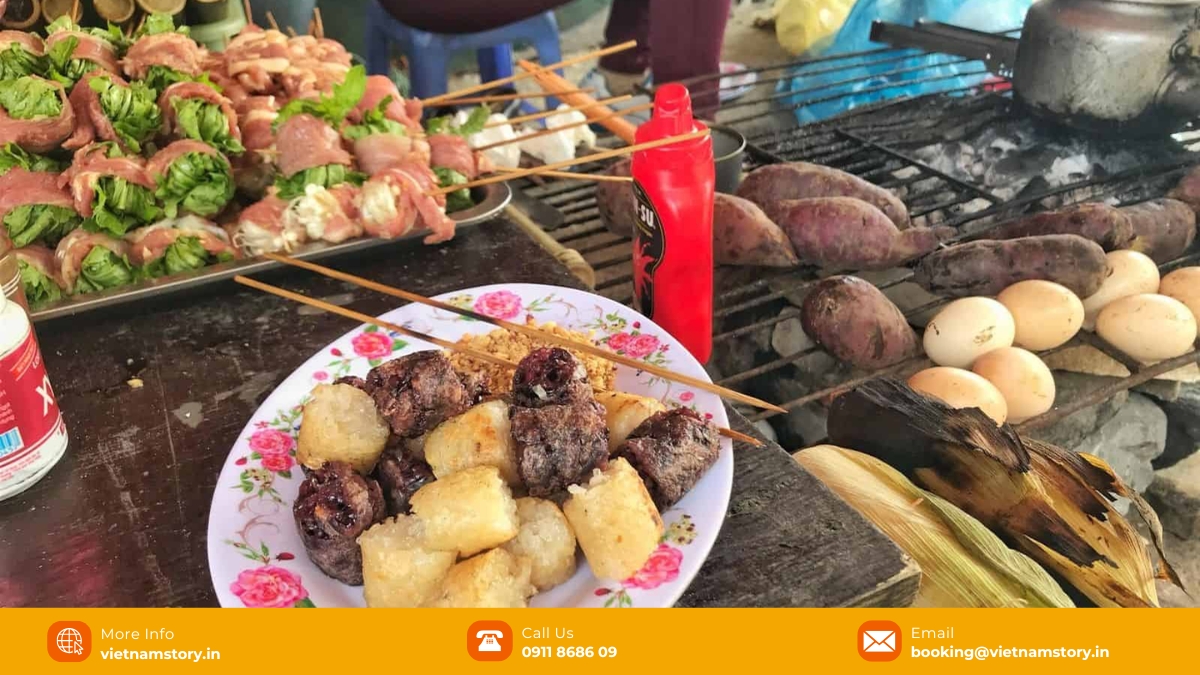
At the Heaven’s Gate O Quy Ho Pass scenic stop, you will find small roadside stalls with smoke rising from charcoal grills. We always encourage our guests to try Cơm Lam (bamboo-cooked sticky rice) and Grilled Pork Skewers seasoned with “Mắc Khén” (wild mountain pepper). The Mắc Khén has a numbing, citrusy spice profile similar to Szechuan pepper or certain Indian forest spices. It is hearty, warm, and usually very appealing to the Indian palate. It’s the perfect “mountain soul food.”
Clothing and gear
Even if Sapa town feels mild, the summit of the pass is usually 5–8°C cooler. The wind can be quite sharp. Vietnamstory.in suggests wearing a light base layer and bringing a windbreaker and a colorful scarf – not just for warmth, but because a bright pashmina looks stunning against the blue and green backdrop of the mountains!
A strategic itinerary
The best way to experience Sapa is to take the Fansipan Cable Car in the morning. After you’ve stood on the “Roof of Indochina,” head back down for lunch, and then drive to the O Quy Ho Pass in the afternoon. This allows you to catch the sunset on your way back to town, maximizing your daylight hours.
Safety warning: Please avoid driving the pass after 5:30 PM. Once the sun goes down, dense fog can reduce visibility to under 5 meters instantly. There is no street lighting on these cliffs, and safety is our absolute priority.
Choosing your adventure: O Quy Ho Pass scenic stop and Muong Hoa valley
Choose O Quy Ho for high-altitude drama, photography, and modern attractions like the Glass Bridge. Choose Muong Hoa Valley if you prefer a slow-paced day of trekking, cultural interaction with ethnic tribes, and seeing the iconic rice terraces up close. To help you decide, look at this comparison:
| Feature | O Quy Ho Pass scenic stop | Muong Hoa valley |
| Primary vibe | High-altitude Drama | Pastoral Serenity |
| Top activity | Photography & Glass Bridge | Trekking & Village Visits |
| Best for | Adrenaline & Sunsets | Culture & Rice Terraces |
| Access | Car / Motorbike | Trekking / Local Taxi |
If you have the time, we always suggest doing both. They represent the two faces of Sapa: the raw power of the mountains and the gentle beauty of the people who live among them.
Practical planning for your O Quy Ho Pass scenic stop journey
As we look toward the 2026 travel season, Sapa is becoming more popular than ever. Planning ahead will ensure you beat the crowds and enjoy the serenity you deserve.
- Best time to visit: March to May offers the best floral displays, while September to November provides the clearest skies and the famous golden rice terraces in the valleys below.
- Distance: It is roughly 15 – 18km from Sapa town center to the summit. A round trip with stops usually takes 3 to 4 hours.
- Stay hydrated: The high altitude and mountain winds can be dehydrating. Even if it’s cold, keep a reusable water bottle handy.
- Navigation: Mobile service is surprisingly good, but there are “dead zones” behind the massive cliffs. Download Google Maps for the Sapa region offline before you leave your hotel.
READ MORE: The Best Time to Visit Sapa
For those of you looking to pair the high-altitude thrills of the mountain pass with a deep dive into Sapa’s legendary rice terrace cultures, we highly recommend our specially curated Sapa: Y Linh Ho – Lao Chai – Ta Van – Giang Ta Chai (2 Days 1 Night) tour. This journey is a top choice for our Indian guests because it perfectly balances adventure with cultural authenticity, taking you off the beaten path and into the heart of the Muong Hoa Valley to meet the Black Hmong and Giay communities. It is the ideal way to experience the “pastoral serenity” of the highlands, allowing you to walk through world-famous paddies and mist-covered villages before returning to the comforts of Hanoi.
Conclusion
Choosing the right O Quy Ho Pass scenic stop allows you to balance the thrill of high-altitude adventure with moments of quiet reflection. By planning ahead with 2026’s updated logistics and local insights, you ensure that your trip to the “King of Mountain Passes” is the undisputed highlight of your Vietnamese holiday. As you plan your 2026 adventure, remember that Sapa is a place that rewards the patient and the prepared. Don’t rush through the curves, stop often, breathe in the crisp mountain air, and let the scale of the “King of Mountain Passes” humble you. Whether you are hunting for the “Sea of Clouds” in November or chasing the pink cherry blossoms in February, every O Quy Ho Pass scenic stop has a story to tell.
At Vietnamstory, we don’t just see ourselves as tour organizers; we see ourselves as your local bridge to the soul of Vietnam. We understand the importance of safety for your children, the need for comfort for your elders, and the desire for that perfect, Instagram-worthy sunset. The O Quy Ho Pass is waiting to welcome you with its mist, its majesty, and its unrivaled mountain views.