
The best places to visit in Sapa depend on what you want the mountain stay to feel like. Fansipan, Muong Hoa Valley, Cat Cat Village and the O Quy Ho side all belong to Sapa, but they do different jobs in an itinerary. We would choose one main mountain experience, one valley or village block, then add a roadside/viewpoint stop only if it fits the same route.
If you are still deciding whether Sapa deserves two, three or four days, start with our Sapa travel guide. This page stays focused on which places to visit once Sapa is already in the itinerary.
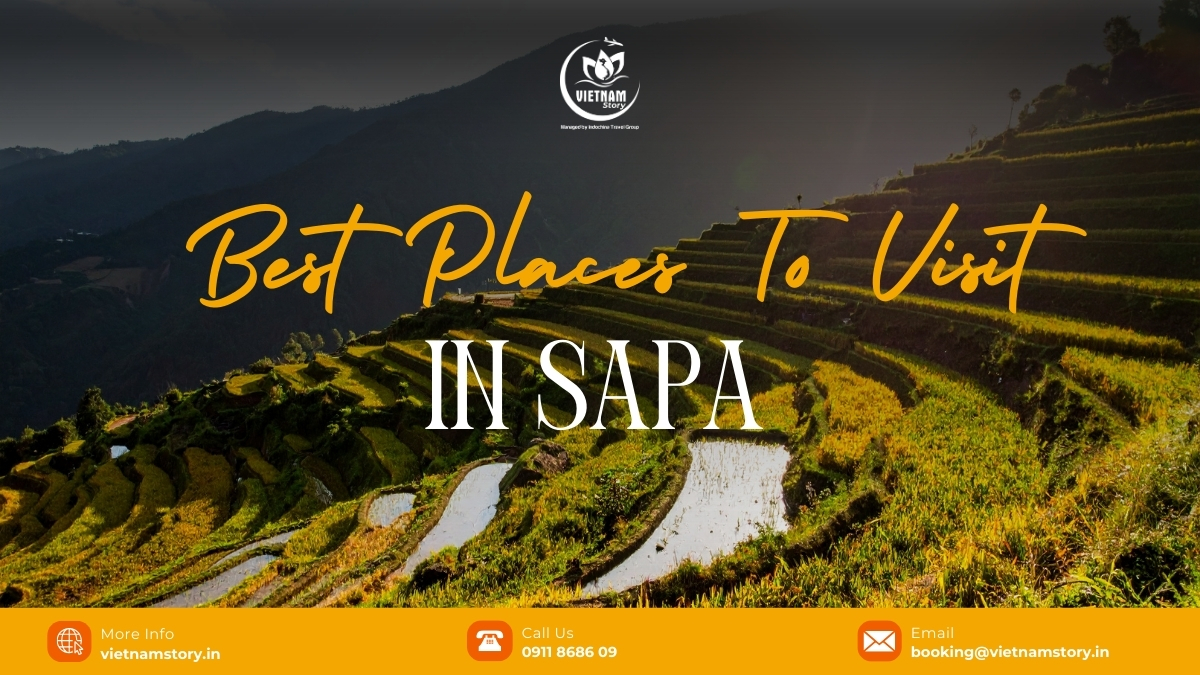
Places to visit in Sapa at a glance
| Place / area | Choose it when | Planning role |
|---|---|---|
| Fansipan | You want the highest-mountain panorama and a major half-day experience without committing to a long trek. | Main mountain anchor. |
| Muong Hoa Valley | Rice terraces, walking and valley landscapes are central to the trip. | Main trekking / countryside block. |
| Cat Cat Village | You want a shorter village visit close to Sapa town and accept a busier visitor environment. | Easy half-day village option. |
| O Quy Ho Pass | You want mountain-road scenery and viewpoints west of town. | Road-side scenic route. |
| Silver Waterfall | You are already travelling on the O Quy Ho side and want a short waterfall stop. | Route add-on, not a separate day. |
| Rong May Glass Bridge | The glass-bridge experience itself interests you and the extra road time fits. | Specialist attraction on the pass route. |
| Village / community routes | You want more context than a quick scenic stop. | Use the Hmong and Dao villages guide before choosing the route. |
Choose Fansipan when the mountain summit is the main experience
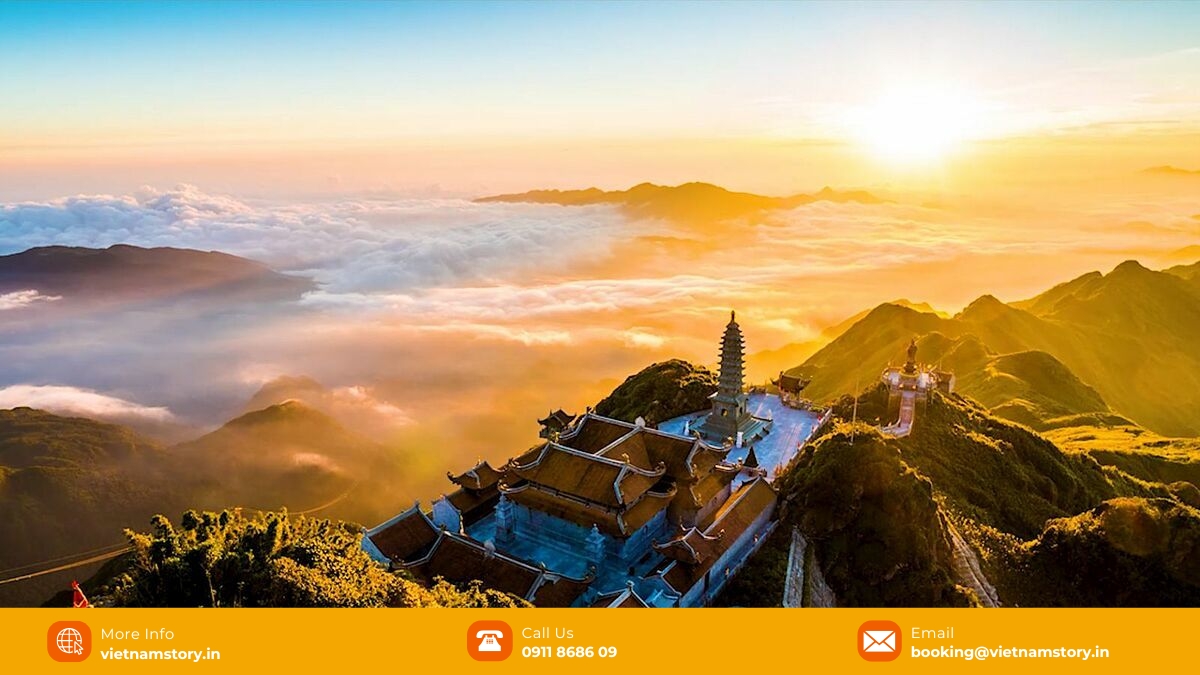
Fansipan works best as a proper mountain block rather than one more viewpoint squeezed between village visits. The cable-car system makes the upper mountain accessible to travellers who do not want a multi-day climb, but the experience still depends on visibility, weather and how much walking or stair climbing your group is comfortable with at the upper station.
Use our Fansipan Mountain guide to decide whether it belongs in the trip. Once the answer is yes, move to the Fansipan cable-car guide for the transport sequence and current visit details.
Choose Muong Hoa when walking through the valley is the point
Muong Hoa Valley gives Sapa its classic combination of mountain slopes, cultivated terraces and village landscapes. The useful decision is not whether the valley is “unmissable”; it is how long you want to walk, which villages the route actually passes and where the trek finishes.
A short valley walk and a full-day trek are very different products. Use our Muong Hoa Valley guide for route depth, then check the weather and walking conditions close to your travel date.
Choose Cat Cat when proximity matters more than solitude
Cat Cat is close to Sapa town, which makes it one of the easiest village-style visits to add to a short stay. That convenience also means it can feel busier and more visitor-oriented than longer valley routes.
We would choose it for a shorter first-day or half-day experience, not because it is a “perfect introduction” to Hmong life. If you want to compare Cat Cat with longer or less concentrated village routes, read the Sapa villages guide first; use the Cat Cat guide once the village itself is already the choice.
Use O Quy Ho as a route, not a collection of separate attractions
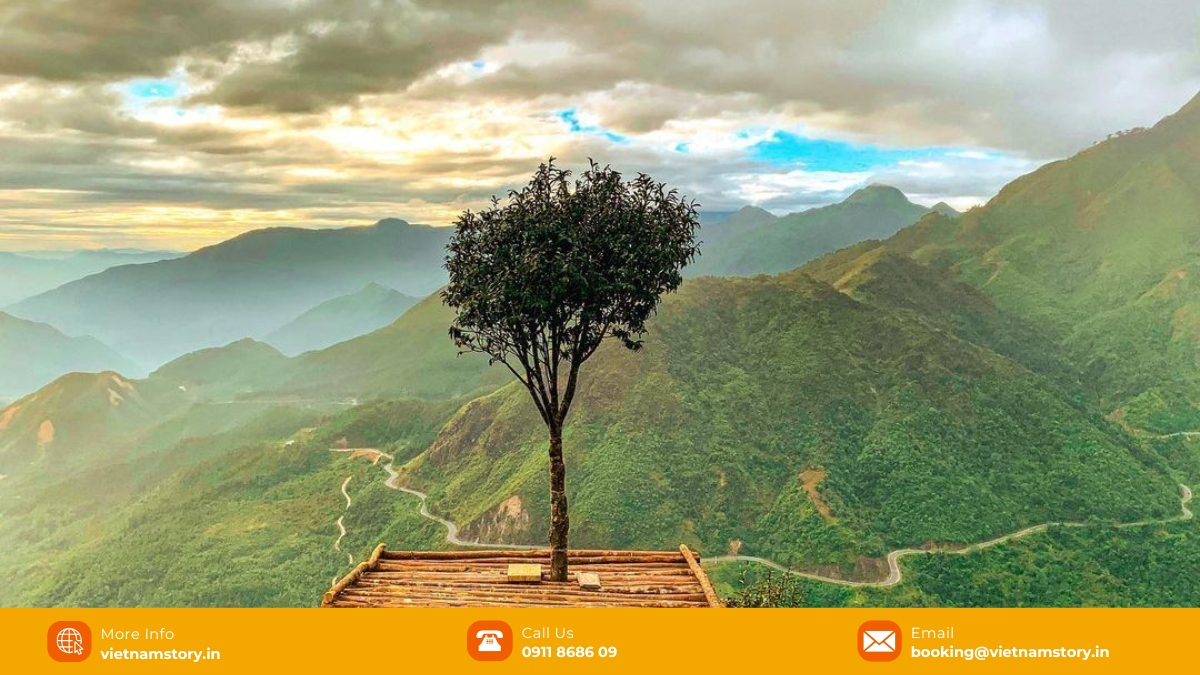
The O Quy Ho side of Sapa is where several scenic stops can fit into the same road journey. Treating each one as a separate “must-see” creates unnecessary backtracking.
- O Quy Ho Pass: choose it for the mountain-road landscape and high viewpoints; see the O Quy Ho guide.
- Silver Waterfall: useful as a short stop when the pass route is already in the day; see the Silver Waterfall guide.
- Rong May Glass Bridge: add it only when the attraction itself matters enough to justify the time; see the Rong May guide.
For photography and viewpoint selection across the whole destination—not just this road—use our Sapa views and landscapes guide.
How we’d choose places by trip priority
| If your priority is… | Start with… | What we would leave out first |
|---|---|---|
| First Sapa visit with limited walking | Fansipan + one easy town/nearby village block | A long valley trek and distant roadside additions. |
| Trekking and rice terraces | Muong Hoa Valley | Extra photo stops that cut into walking time. |
| Village context | Choose a village route through the culture/village guide | Stacking several villages with the same itinerary role. |
| Mountain-road photography | O Quy Ho route | Crossing back to another area simply to add one more viewpoint. |
| Mixed-age family | Fansipan or a shorter village visit, depending mobility | A fixed full-day trek that not everyone wants. |
What fits into two, three or four days?
The number of days should decide how many experience types you combine—not how many attraction names you can fit.
- 2 days / 1 night: choose Fansipan or a substantial valley/village block, then one shorter contrasting experience.
- 3 days / 2 nights: combine one valley/village day with Fansipan or the O Quy Ho side, keeping some flexibility for mountain weather.
- 4 days or more: go deeper into trekking or a slower village stay before adding more roadside attractions.
For the complete trip-shape decision, return to the Sapa travel guide. This page should not replace the destination pillar with a second full itinerary.
Weather can change which place deserves the day
Sapa’s mountain weather affects visibility, trail surfaces and how comfortable exposed viewpoints feel. A viewpoint that looks spectacular in one set of conditions can be hidden by mist on another day, while a valley trek may need a different route after heavy rain.
If your dates are flexible, use the Best Time to Visit Sapa guide. If the trip is already booked, check the short-range forecast and let the order of Fansipan, trekking and roadside viewpoints move when conditions justify it.
Choose places that make the Sapa stay more varied
A balanced Sapa route usually needs fewer stops than a “top attractions” list suggests. Choose one strong mountain anchor, one valley or village experience, then add a short scenic stop only when it belongs naturally on the same route. The specialist guides should own tickets, detailed access and current operating information; this hub should help you decide which experience deserves your time.