
The best time to visit Sapa depends on what you want to see and how much rain, mist or cold your group is comfortable with. Spring can suit trekking and blossom season, summer brings greener rice terraces but more rain, the harvest period attracts photographers, and winter can be cold and foggy with changing mountain visibility. This guide helps you choose the season by weather, rice-field conditions, mobility and the activities that matter to your trip.
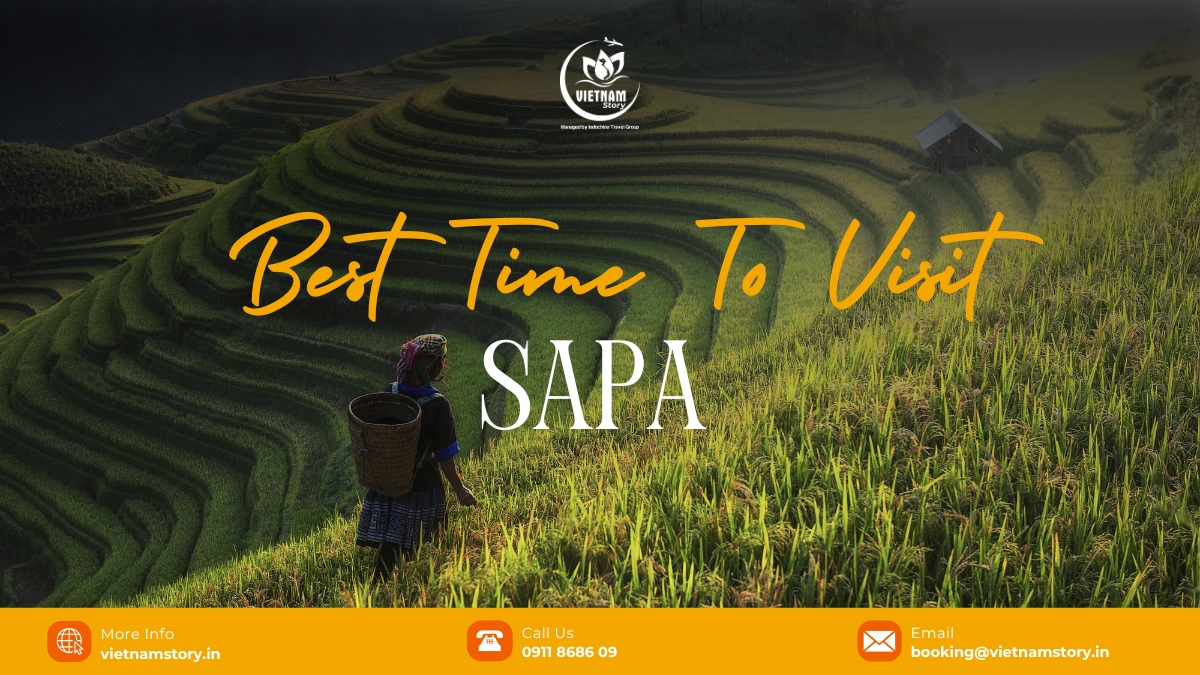
Sapa weather and scenery by season
Choosing the right month to visit Sapa depends on the experience you want most. Mountain weather can change quickly, so use the seasonal pattern to choose a suitable window, then check current visibility, rain and trail conditions close to departure.
| Season | Months | Typical conditions | Planning implication |
| Spring | March – May | Milder weather with a mix of sun, cloud and showers. | Useful for trekking when trails are in good condition; blossom timing varies by year and elevation. |
| Summer / Green Season | June – August | Warmer, wetter and more humid, with heavier rain possible. | Rice terraces are green, but muddy trails and mountain-road conditions need more attention. |
| Autumn / Harvest Period | September – November | Often cooler and less wet as the season progresses. | Popular for trekking and rice-field photography, but harvest timing shifts between villages and years. |
| Winter | December – February | Cold, mist and low cloud are common; frost and rare snow can occur at higher elevations. | Pack warm layers and expect visibility to change quickly. |
How Sapa’s rice terraces change through the year
Rice terraces are a major reason many travellers include Sapa in a Vietnam itinerary, but their appearance changes with the farming cycle. Planting, green growth and harvest do not happen on exactly the same dates in every village, so use the periods below as planning guidance rather than a fixed annual schedule. If the terraces themselves are the main reason for travelling, use our Muong Hoa Valley guide for the actual trekking and valley route.
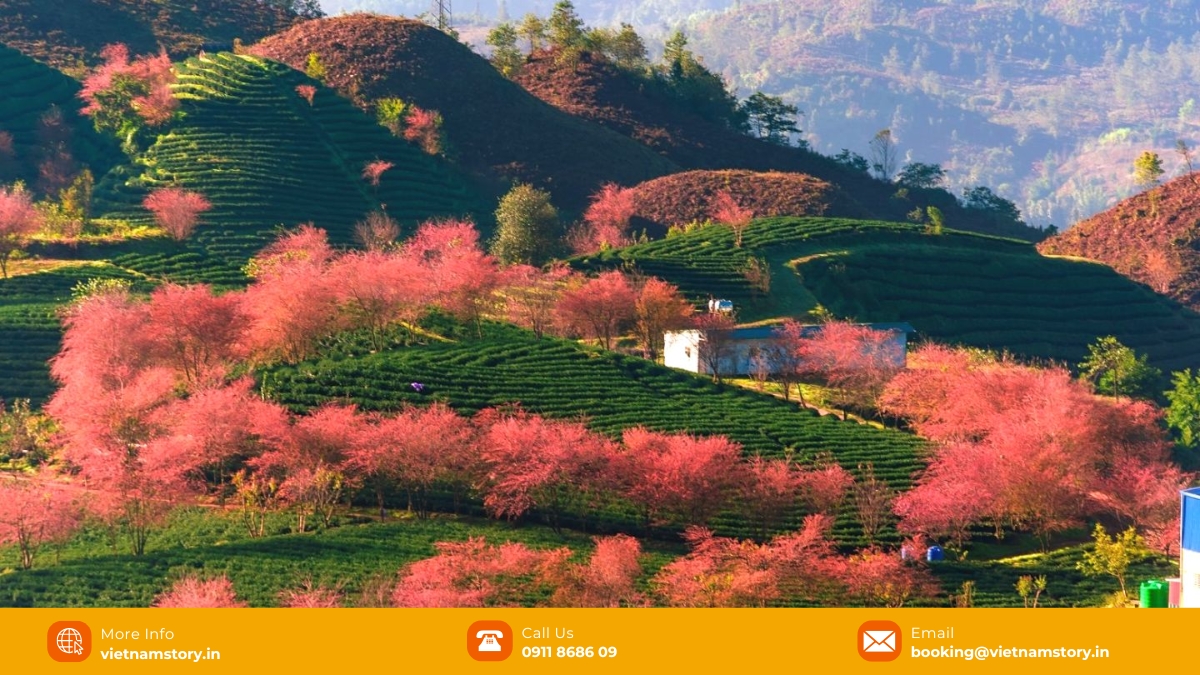
Spring planting period: timing varies by village
During parts of spring, some terraces are flooded in preparation for planting. On clear days, the water can create strong reflections, but the timing and appearance vary by village, farming schedule and weather.
If photography is a priority, check recent field conditions close to your travel date rather than assuming every terrace will be at the same stage.
June to August: greener terraces, higher rain risk
June to August usually brings greener terraces as the rice develops, but it is also a wetter period. Expect a higher chance of muddy trails, reduced visibility and changing mountain-road conditions after heavy rain; check the actual route before committing to a trek.
READ MORE: Ninh Binh or Sapa: Which Is Better for Your Vietnam Trip?
Harvest period: check current field conditions
Late summer into early autumn is often associated with golden terraces, but harvest timing differs between villages and elevations. Some fields may already be cut while others remain green or gold, so recent local conditions matter more than a fixed date range.
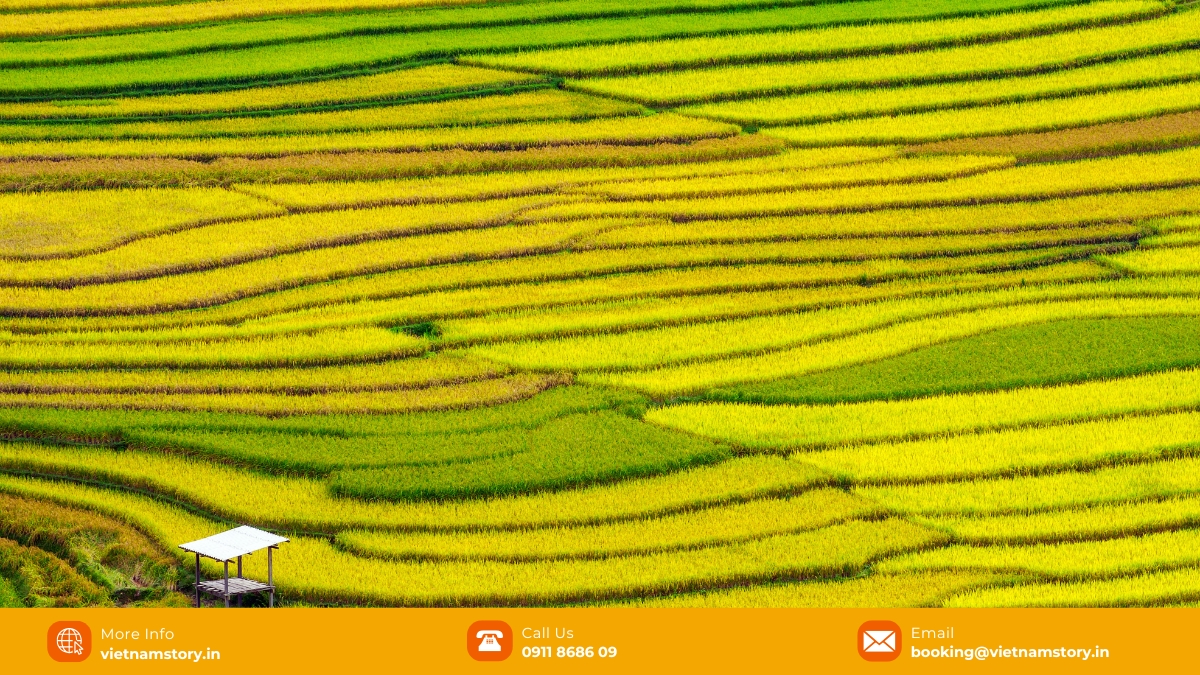
Rice is harvested at different times between villages and elevations, so the landscape can change quickly during the harvest period. If golden terraces are the main reason for your trip, check current local field conditions shortly before travelling rather than relying on a fixed annual harvest date.
Blossoms, cloud views and winter conditions
Sapa’s scenery extends beyond the rice terraces, but blossom timing, cloud views and winter conditions depend on temperature, elevation and the actual weather. Treat seasonal labels as possibilities rather than fixed-date attractions.
- Winter to early spring blossoms: peach, plum, pear and other flowering trees can add colour to the mountain landscape, but blooming dates shift with temperature, elevation and the year. Check recent local conditions if blossoms are a priority.
- Cloud views: cooler periods can produce dramatic low cloud and valley mist, but clear peaks are never guaranteed. Fansipan, Muong Hoa and the O Quy Ho side create different visual experiences; use our Sapa views and landscapes guide when photography or visibility is the real decision.
Practical notes for Indian travellers
For Indian travellers, the practical details that most often change a Sapa plan are dietary requirements, walking difficulty, transfer time and mountain visibility. Confirm these against the actual hotel, route and travel dates instead of assuming one standard Sapa experience fits every group.
Vegetarian and Jain food requirements
Vegetarian and Jain requirements should be confirmed in writing before fixed meals, homestays or remote excursions. Sapa has vegetarian options, but availability and kitchen practice vary by property, so do not assume that every hotel or homestay can provide Jain food without prior arrangement.
Mobility and walking difficulty
For families travelling with seniors or anyone with limited mobility, check the actual walking surface, gradients, steps and vehicle access before choosing a village route. Cat Cat and mountain viewpoints can involve significant walking, while easier alternatives are possible depending on the itinerary and current local access.
Fansipan: plan around visibility and operating conditions
Fansipan visibility can change quickly, so do not choose a cable-car time on the assumption that one fixed slot always has better views. Check the current operating hours and short-term mountain forecast, then keep the visit flexible when cloud, wind or storms are likely.
Practical planning: crowds, transport and trail conditions
Here are the final essential details for planning your trip. From crowd levels to the best way to get here, let’s look at the practicalities.

December falls right in the heart of winter, resulting in potentially very cold Sapa weather.
Crowds and hotel prices
The rice-harvest period can attract strong demand, and room prices vary by date, weekend and local event. Compare live hotel rates rather than assuming a fixed seasonal premium. March, May and the harvest period all offer different trade-offs in weather, scenery and crowd levels.
Summer rain and trail conditions
If you are visiting in July or August, be prepared for muddy trails and changing mountain-road conditions after heavy rain. Ask about the actual route and required footwear before a trek, and switch to an easier or paved option when local conditions make a trail unsuitable.
Hanoi to Sapa transport
Road and rail options between Hanoi and Sapa vary in travel time, comfort and departure point. Keep the current transport detail in the dedicated Hanoi to Sapa transport guide rather than relying on fixed journey times or premium-transfer claims in a seasonal weather article.
Your Frequently Asked Questions
- Is Sapa too cold in December? December can feel genuinely cold, especially after sunset and at higher elevations. Pack warm layers and check the facilities at your actual hotel or homestay rather than assuming every property has the same heating or insulation.
- Can I see snow in Sapa? Snow is rare and should never be treated as a reason to book a specific date. Frost and very cold conditions can occur during winter cold spells, especially at higher elevations, but check the current mountain forecast rather than relying on an annual frequency claim.
- How many days do I need? The right stay depends on how Sapa fits into your wider Vietnam route. A shorter visit can focus on one main experience; an extra night gives more flexibility for weather, trekking or Fansipan. Count the Hanoi transfer and your international flight days before deciding.
Conclusion
There is no single best month for every Sapa trip. Choose the season that matches your priority: trekking comfort, green terraces, harvest scenery or a colder winter atmosphere. If visibility, rice colour or trail conditions are essential, verify the current local conditions close to departure rather than relying only on an annual calendar.
If Sapa is one part of a wider Vietnam trip, compare its mountain conditions with the Vietnam weather guide before fixing the national route. Once Sapa is confirmed, check the short-term mountain forecast again before trekking, Fansipan or other visibility-sensitive plans.