Vietnam is a rewarding country for travel photography because the visual character can change completely within one journey. In Hanoi, you may photograph old streets, cafés and everyday city life. A few days later, your frame could contain Ninh Binh’s limestone landscapes, Ha Long Bay’s islands, Hoi An’s heritage streets or a Phu Quoc sunset. For Indian travellers planning a Vietnam photography itinerary, our advice is simple: Build the route around visual contrast, not the number of famous photo spots. You do not need every famous photograph of Vietnam to return with a visually memorable trip.
What makes a good Vietnam photography route?
Think in terms of photographic subjects:
| Destination | Visual Character |
| Hanoi | Streets, architecture, daily life |
| Ninh Binh | Limestone mountains, rivers, countryside |
| Ha Long Bay | Seascapes, islands, boats |
| Hoi An | Heritage, colour, lanterns |
| Golden Bridge | Architecture, mountains |
| Phu Quoc | Beaches, tropical landscapes, sunsets |
The strongest route combines subjects that look and feel different without creating unnecessary transfers. If adding another destination gives you very similar images but requires another flight and hotel change, ask whether it genuinely improves the holiday.
Hanoi: Street life rather than one famous view
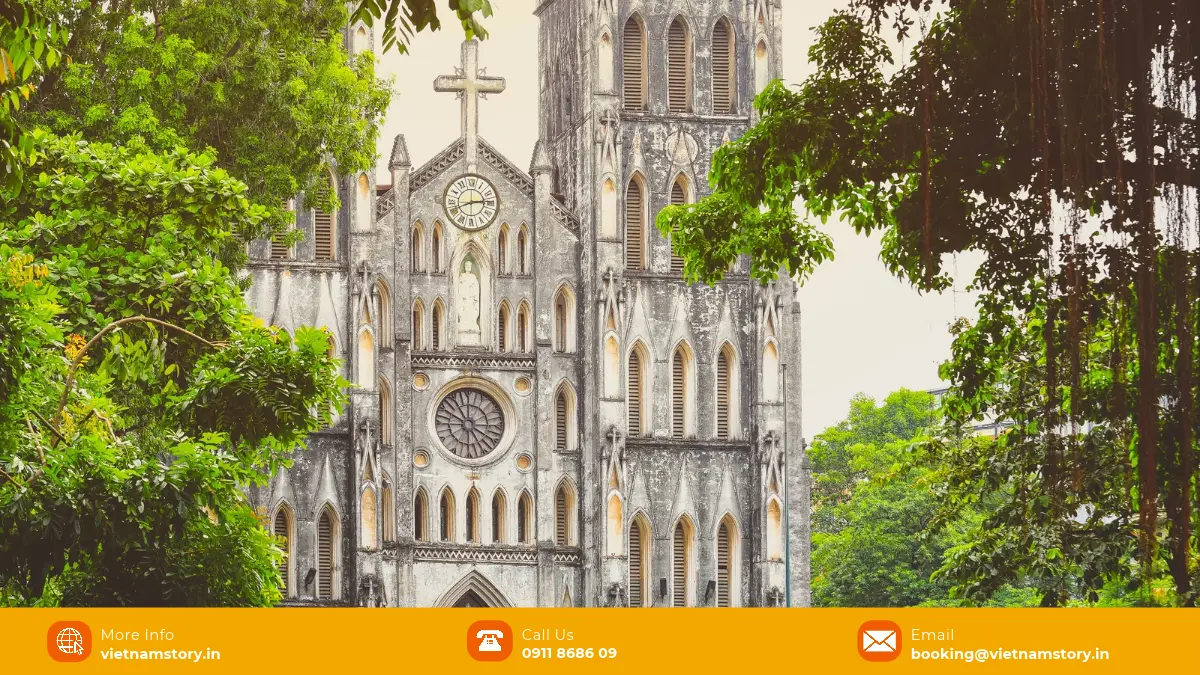
Hanoi is a natural photography starting point because its visual appeal is not concentrated in one landmark.
The Old Quarter offers layers: shopfronts, signs, cafés, scooters, architecture and narrow streets. Around Hoan Kiem Lake, the atmosphere changes towards open public spaces and everyday city life. The best approach is often to walk slowly rather than chase a checklist.
Photography-focused travellers sometimes arrive wanting to reproduce exact images they have seen online. Hanoi becomes more interesting when you leave space for moments you did not plan. Different times of day also change street activity and light.
And when people become the subject, photograph respectfully. Ask before taking close portraits where appropriate rather than treating daily life as a backdrop.
Ninh Binh: Add scale and landscape

After Hanoi’s dense streets, Ninh Binh changes the visual scale. Its waterways, limestone formations and rural landscapes give your photography route a subject that Hanoi cannot provide.
Boat journeys around areas such as Trang An offer low perspectives with cliffs, vegetation and water filling the frame. Higher viewpoints can show the same landscape from a completely different scale. That variety makes Ninh Binh more useful than simply another “Instagram stop”.
It also fits naturally into a Northern Vietnam route without requiring a domestic flight. For travellers interested in landscapes, Hanoi + Ninh Binh + Ha Long Bay can already provide a strong photography trip.
Hanoi, Ninh Binh and Ha Long Bay can form a particularly efficient photography route because each adds a different visual environment without requiring domestic flights between every stop. Our North Vietnam Itinerary for Indian Travellers shows how these destinations can fit into a wider northern journey.
Ha Long Bay: Let the weather change the photograph
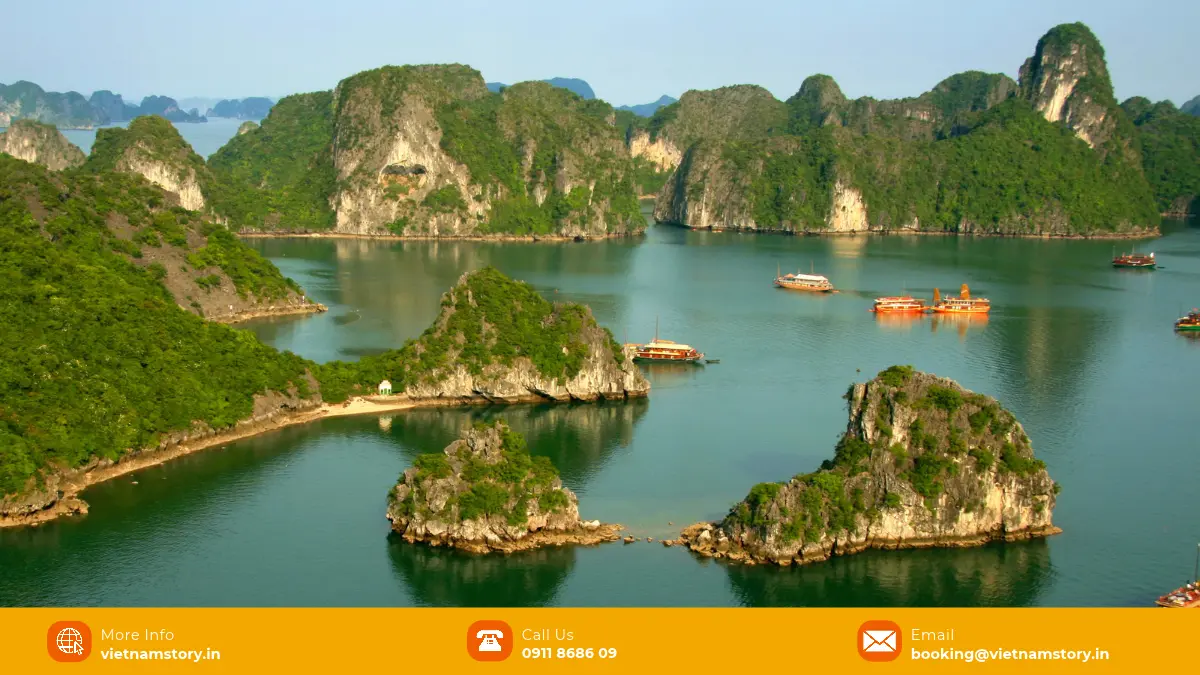
Ha Long Bay also features limestone formations, but photographically it is very different from Ninh Binh. Here, water and distance become major parts of the composition.
Boats moving across the bay, islands disappearing into the horizon and changing conditions between the karsts can create memorable frames without requiring a specific viewpoint.
Weather matters. Clear conditions and misty conditions produce very different photographs. One is not automatically a failed version of the other. This is an important mindset for photography travel: work with the conditions you receive rather than judging the destination against one blue-sky image seen online.
If you are deciding whether the bay deserves a place alongside Ninh Binh, our guide to whether Ha Long Bay is worth visiting explains how the cruise format and route can change the experience.
Hoi An: Photograph the place at different times
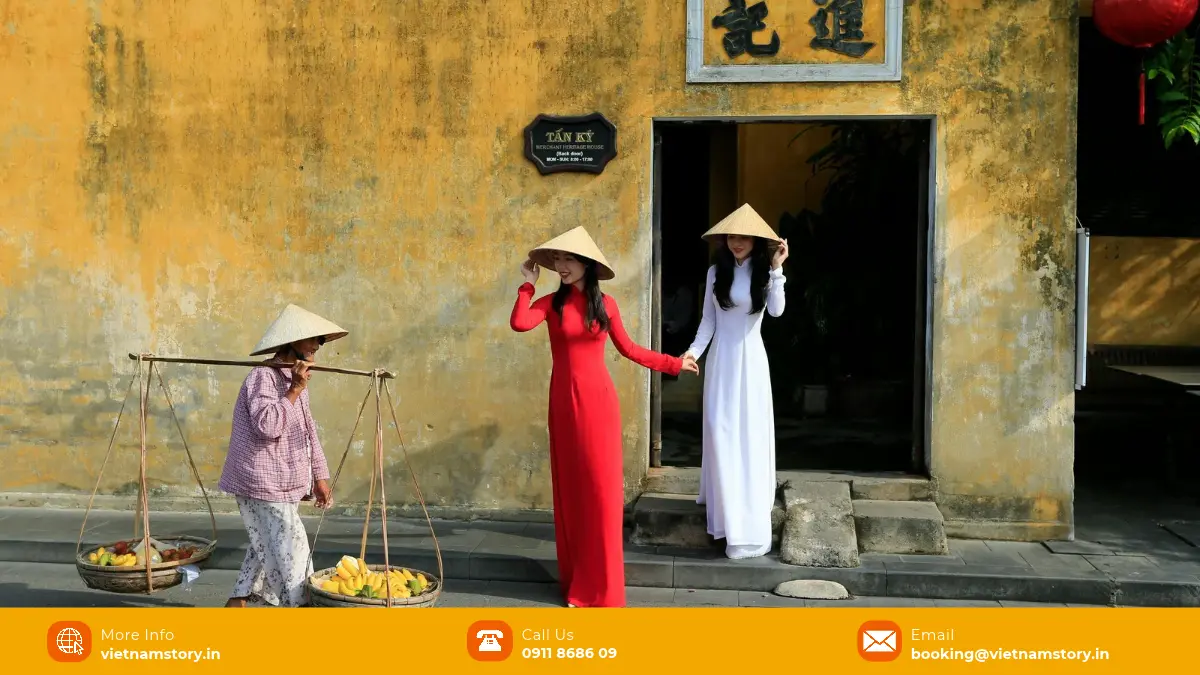
Hoi An rewards travellers who give it time. During the day, the Ancient Town offers old façades, architectural details and narrow streets. As the light changes, the town develops a different character. Evening brings lanterns, reflections and more activity but popular evening periods can also be busy.
If photography matters, do not rely on a single walk through town. An earlier visit can be useful for architecture and street detail. Later, return for the changing atmosphere and colour. This is one reason we prefer staying around Hoi An or nearby Da Nang rather than treating the Ancient Town as a rushed photo stop.
Travellers who want to explore the town more deliberately can use our guide to the best photography spots in Hoi An to identify streets, architectural details and different times of day worth considering without turning the visit into a fixed photo checklist.
Golden Bridge: Iconic but keep expectations realistic

The Golden Bridge at Ba Na Hills gives this route something visually different again: modern architecture within a mountain environment. The giant hands and curved bridge create a recognisable composition that is unlike Hanoi, Ninh Binh or Hoi An but it also requires realistic expectations.
Golden Bridge is a popular attraction. Other visitors may be present, and mountain weather can affect visibility. Going earlier may change the experience, but no sensible itinerary should promise an empty bridge, clear mountains or one exact photograph.
Add Golden Bridge because Ba Na Hills interests you as an experience, not because your entire Vietnam trip depends on recreating one social-media image.
Golden Bridge works best when it is already part of a logical Da Nang and Hoi An stay. Our Central Vietnam Itinerary for Indians shows how these experiences can be combined without adding a separate transfer simply for one photograph.
Phu Quoc: Add it only when the route has space
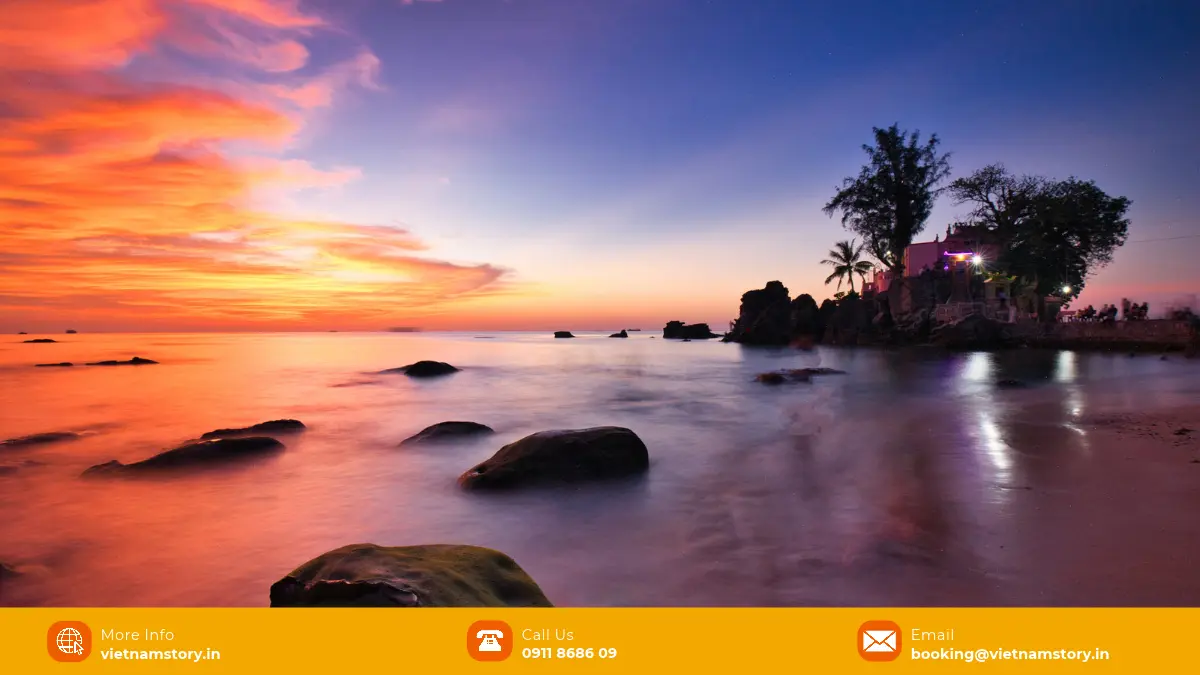
Phu Quoc changes the visual rhythm again. After streets, limestone landscapes and heritage architecture, you get: open horizons → beaches → tropical scenery → sunset light. That contrast can make Phu Quoc a satisfying end to a longer photography itinerary but it requires another travel sector.
- For a 9 – 10 day journey, we would normally protect the stronger North + Central route rather than adding an island simply for sunset photographs.
- At around 11 – 14 days, Phu Quoc becomes easier to justify because you can give it several nights.
That also gives you more than one opportunity for changing beach and sunset conditions instead of organising the entire island stay around one evening.
Which photography route fits your trip length?
Around 7 days
Choose one of 2 approaches.
- Landscape-focused: Hanoi → Ninh Binh → Ha Long Bay. You get street photography, rural limestone landscapes and seascapes without adding a domestic flight.
- Culture + architecture: Hanoi → Da Nang/Hoi An → Golden Bridge. This gives you city life, heritage colour and distinctive architecture. Trying to include both routes completely in seven days usually makes photography compete with transfers.
Around 9 – 10 days
Our strongest all-round photography route is: Hanoi → Ninh Binh → Ha Long Bay → Da Nang/Hoi An. Add Golden Bridge as a Central Vietnam excursion if it interests you.
This route gives you strong visual variety while keeping the trip to North and Central Vietnam.
Around 11 – 14 days
Now you can consider: Hanoi → Ninh Binh → Ha Long Bay → Da Nang/Hoi An → Phu Quoc. Phu Quoc works as the final visual contrast and also gives you genuine downtime after a photography-heavy journey.
Adding another photogenic destination is only worthwhile when the overall trip remains comfortable. Our guide to a Short vs Long Vietnam Trip explains when extensions such as Phu Quoc begin to fit without sacrificing too much time from the core Vietnam route.
Don’t let photography control the holiday
This matters particularly when travelling as a couple or family. If every morning requires a sunrise start and every evening is reserved for golden-hour photography, companions who are less interested in photography may stop enjoying the trip.
Choose a few moments when timing genuinely matters. Keep the rest flexible. A memorable photograph should come from experiencing Vietnam more carefully – not from turning everyone else’s holiday into a production schedule.
Phone or camera?

You do not need professional equipment for this itinerary. A modern phone can handle many street scenes, landscapes and family photographs very well.
A dedicated camera becomes more useful when photography itself is an important hobby and you want greater control over lenses, exposure or low-light work. Whichever you choose, travel light enough to enjoy the day.
Protect electronics around rain, humidity, boats and beaches, and carry enough battery power and storage for long sightseeing days.
Camera equipment also needs to fit alongside normal luggage, weather protection and electronics. Our guide on what to pack for Vietnam from India can help you prepare for the different conditions you may encounter between northern landscapes, Central Vietnam and the beach.
Photograph respectfully
Ask before taking close portraits when appropriate. Follow local instructions at cultural, religious and private locations. Never enter restricted areas or create a safety risk simply to reproduce an image seen online.
Be especially cautious with drones. Regulations and restrictions can depend on location and permission, so never assume an open scenic area automatically means drone flying is allowed. The photograph should document the journey, not disrupt it.
If photography is only one of several priorities on your first journey, start with the Best Vietnam Itinerary for First-Time Indian Travellers and then adjust the route according to the landscapes and visual experiences that interest you most.
FAQs
Where are the best photo spots in Vietnam?
Hanoi is strong for street photography, Ninh Binh for limestone and river landscapes, Ha Long Bay for seascapes, Hoi An for heritage and colour, Golden Bridge for architecture and Phu Quoc for beaches and sunsets. The best combination depends on your trip length and preferred subjects.
Is Vietnam good for photography?
Yes. A single Vietnam journey can combine street life, architecture, limestone landscapes, waterways, heritage towns, mountains and tropical beaches.
How many days do I need for a Vietnam photography itinerary?
Around 9–10 days works well for a North + Central photography route. With 11–14 days, adding Phu Quoc becomes more practical.
Is Golden Bridge worth adding for photography?
Yes when Ba Na Hills already fits your Central Vietnam route. Do not add it solely to recreate one photograph because crowds and mountain conditions can change the experience.
Conclusion
A good Vietnam photography itinerary should never feel like travelling between backdrops. Start with Hanoi for street life. Add Ninh Binh for inland landscapes and Ha Long Bay for seascapes. Use Hoi An for heritage and colour. Include Golden Bridge when Ba Na Hills fits naturally into your Central Vietnam stay. Add Phu Quoc only when your trip is long enough to give the island meaningful time.
At Vietnam Story, that is how we would plan a photography-focused journey: Choose destinations for the experience first. Then use photography to notice them more carefully. If you would rather compare complete routes before arranging each transfer and hotel separately, explore our Vietnam tour packages from India by duration and destination, then choose the route that gives you the visual variety you want.