Unlike the tropical south of Vietnam, the north has four distinct seasons. This means your experience can range from sipping hot masala chai in a misty winter fog to jumping into 30°C emerald waters under a summer sun. To ensure you have the best experience, we recommend checking out our curated Halong Bay Cruise options, which are specifically selected to provide comfort regardless of the season. In this guide, we will clarify every detail about the climate to help you time your trip perfectly.
Monthly and seasonal Halong Bay temperature roadmap
Understanding the Halong Bay temperature is not just about checking a thermometer, it is about understanding the “soul” of the bay at different times of the year. The climate here is a story of two halves: the cool, dry winter months and the hot, humid summer months, with two beautiful transition periods in between.
The annual Halong Bay temperature ranges from a low of 15°C in January to a high of 37°C in July. Choosing the right month depends on whether you prioritize swimming and water sports (May – August) or comfortable hiking and clear photography conditions (October – April). Generally, the “Golden Window” for most Indian travelers is during the spring or autumn when the weather is most balanced. To help you plan your itinerary, let’s look at the specific evidence for each season:
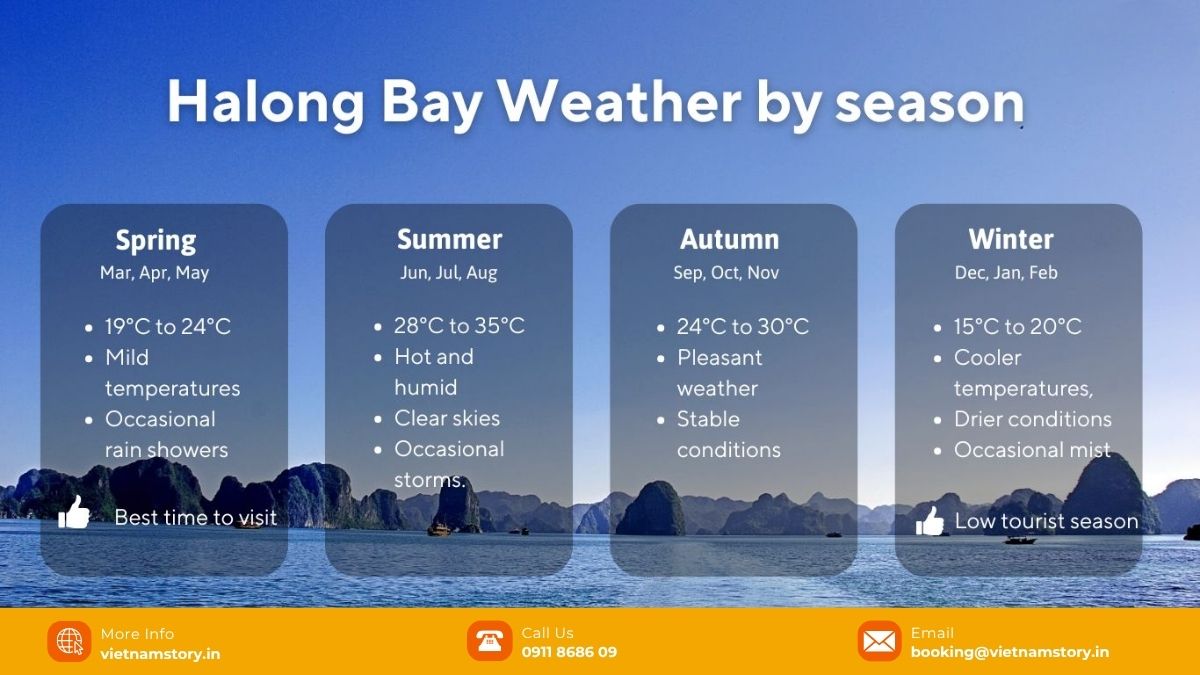
Spring (March – May)
During this time, the bay “wakes up.” In March, the Halong Bay temperature hovers between 18°C and 25°C. This is what we call the “Golden Window” because the air is crisp, and while late afternoon drizzles occur, the humidity is much lower than in the summer. By April and May, temperatures climb quickly (21°C – 31°C). By late May, the sea temperature warms to 25°C, officially kicking off the swimming and kayaking season.
Summer (June – August)
For our guests from Delhi or Rajasthan, the summer heat here (28°C–35°C) might feel familiar, but the humidity is much higher. Daytime highs can hit 37°C, making the sundeck quite intense at noon. The sea temperature is a balmy 28°C–30°C—it feels like a warm bath! However, please be cautious: this is the wettest period with up to 350mm of rain in August. July and August are also peak typhoon months, which can occasionally lead to 24-hour cruise cancellations.
Autumn (September – November)
As the monsoon recedes, the Halong Bay temperature settles between 22°C and 31°C. September still sees transitional rain, but October and November are the most prestigious months to visit. The humidity drops to a comfortable 75%, and the air becomes incredibly clear. This is the best time for drone photography and watching the sunset from the peak of Ti Top Island.
Winter (December – February)
In the heart of winter, the Halong Bay temperature averages 15°C – 22°C, but it can drop to 10°C at night when the northern winds blow. The sea stays around 19°C – 21°C, which is too cold for most Indian travelers to swim. However, the heavy morning fog creates a “traditional ink-wash painting” aesthetic that is hauntingly beautiful.
READ MORE: Your Ultimate Guide To Halong Bay Weather
A detailed Halong Bay temperature and climate reference table
To make your planning easier, we have compiled the latest data into a simplified reference guide. This table allows you to compare the air and sea conditions at a glance, ensuring you don’t pack for a swim in the middle of a chilly January. This table provides specific evidence of the monthly averages for the Halong Bay temperature, water warmth, and humidity levels. It serves as a practical tool for Indian travelers to decide which month aligns with their specific comfort zones – whether you prefer the 30°C tropical waters of August or the 21°C festive nights of December. Before you book your flights, take a look at these projections:
| Month | Avg air temp (°C) | Avg sea temp (°C) | Humidity | Best for |
| Jan – Feb | 15 – 21°C | 19 – 20°C | 80% | Misty, cool photography; dry trekking. |
| Mar – Apr | 18 – 27°C | 23 – 25°C | 85% | Prime Season. Ideal for all outdoor fun. |
| May – Jun | 25 – 33°C | 25 – 27°C | 87% | Great cruise deals; early summer swimming. |
| Jul – Aug | 28 – 35°C | 28 – 30°C | 88% | Swimming & water slides; high typhoon risk. |
| Sep – Oct | 23 – 31°C | 26 – 28°C | 80% | Peak visibility; warm water, cool breezes. |
| Nov – Dec | 16 – 25°C | 21 – 23°C | 75% | Festive atmosphere; crisp, clear nights. |
As your local expert, we always remind our guests that even a small 2-degree shift in the Halong Bay temperature can change the “vibe” of your evening sundeck party.
Expert packing tips for Indian travelers
In Vietnam, the humidity can make a 25°C day feel like 30°C, and a 15°C night feel like 10°C. Packing correctly for the Halong Bay temperature is the difference between a relaxing holiday and a frantic search for a sweater in a local market. Indian travelers should prioritize layered clothing to manage the 10°C swings between day and night, especially during the spring and winter. High-SPF sunscreen is essential even on cloudy days due to the high UV index, and lightweight rain gear is a must for the “flash monsoon” bursts that occur during the hot summer months.
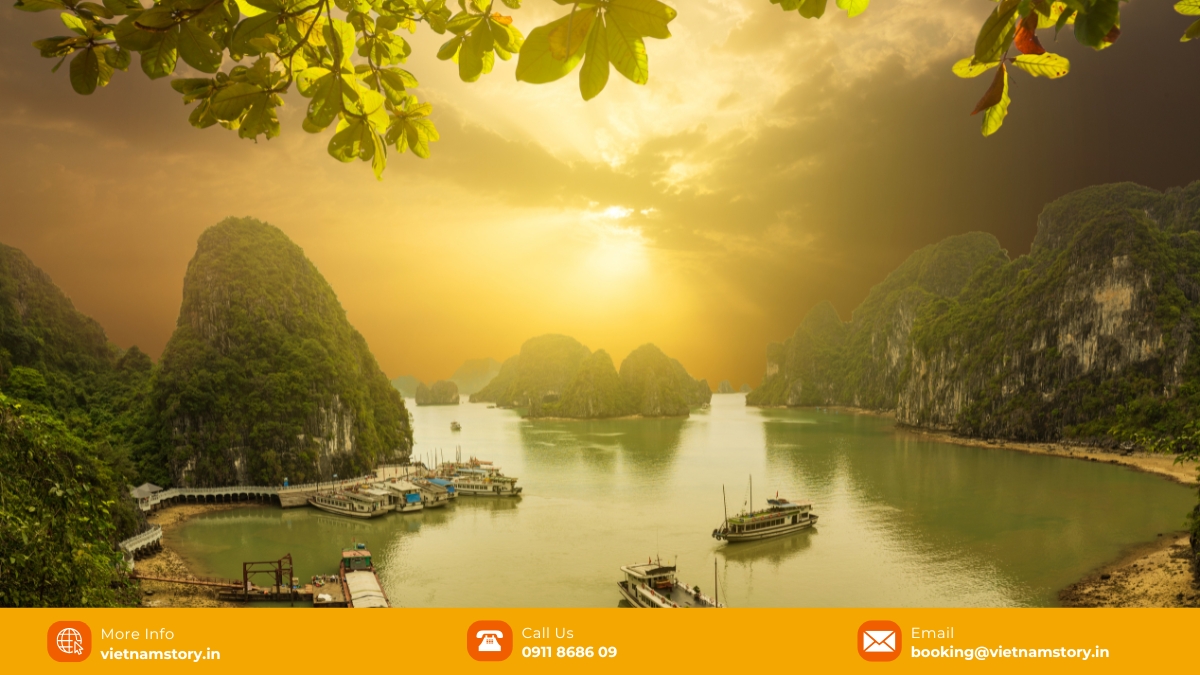
Based on our experience at Vietnam Story, here are our specialized recommendations:
- The “march/april layer”: During the daytime, it is perfect for t-shirts. However, once the boat starts moving and the sea breeze hits the deck, the temperature can drop significantly. We always advise our female guests to bring a pashmina or a light windbreaker for those romantic sunset dinners.
- Sun protection: Do not be fooled by the mist! Even on cloudy days, the UV index in the bay often reaches 7+. Please apply sunscreen before you go kayaking, as the water reflects the sun and can cause quick burns.
- The monsoon poncho: If you visit during the hot peak of July or August, don’t pack heavy umbrellas. Rainfall often comes in “short, dramatic bursts.” A lightweight, breathable rain poncho is much more effective for moving between the cruise ship and the caves.
READ MORE: How Was Halong Bay Created?
The “Dragon’s breath”: A rare phenomenon linked to Halong Bay Temperature
One of the most magical sights you might encounter is something many standard travel blogs completely miss. It is a unique meteorological event that happens when the Halong Bay temperature undergoes a specific inversion, usually in late March or early April.
The “Dragon’s Breath” is a thick, low-lying mist caused by warm southern air meeting the cooler limestone karsts. It creates a micro-climate where the Halong Bay temperature on the water can be 3–4°C cooler than on the mainland, offering a mystical, ethereal atmosphere that is perfect for spiritual reflection and unique photography.
When this phenomenon occurs, you might be standing in bright sunshine at your hotel in Ha Long City, but as soon as your tender boat reaches the center of the bay, you are engulfed in a cool, white mist. It feels as though the islands are breathing. For our Indian guests who enjoy the spiritual side of nature, this is often the highlight of their trip. The mist dampens the sound of other boats, leaving you in a silent, emerald world that feels like it belongs to another century.
Safety, jellyfish and booking strategies for Halong Bay temperature shifts
While the Halong Bay temperature makes for a beautiful holiday, we must always respect the power of the sea, particularly regarding seasonal wildlife and storm patterns. Safety in Ha Long Bay involves monitoring high-precision weather forecasts to avoid typhoons, particularly in August. Additionally, as the Halong Bay temperature rises in the summer, travelers should be aware of the seasonal increase in jellyfish and always consult their cruise guides before swimming in open water.
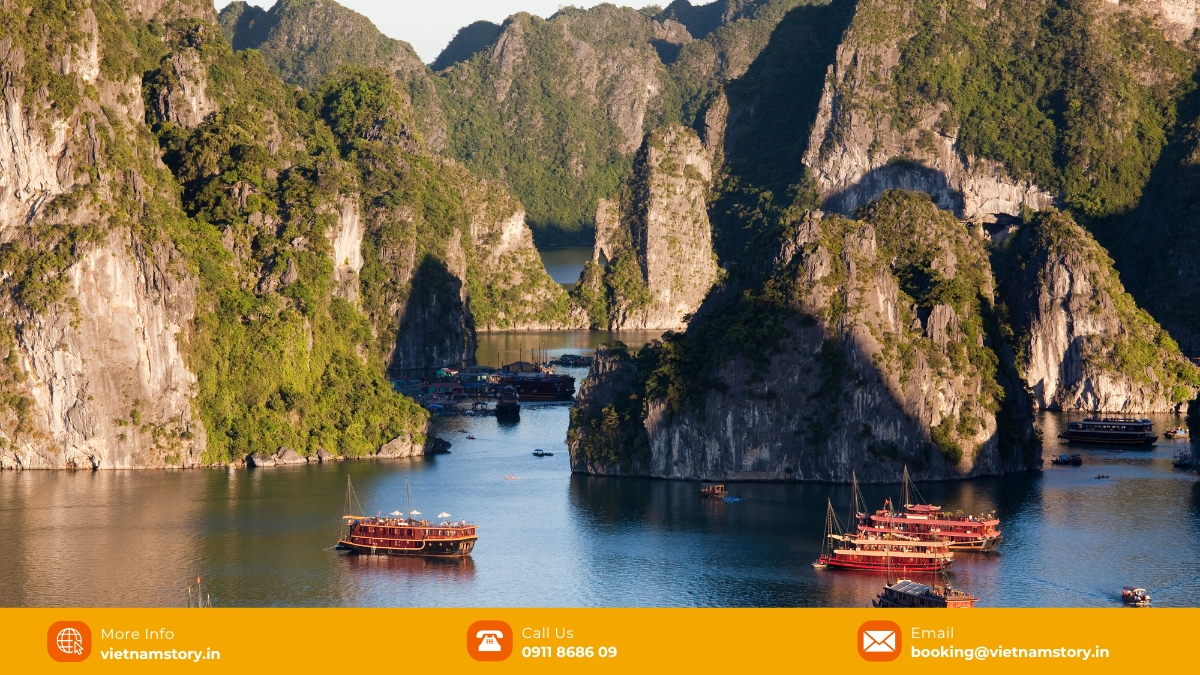
Here is some practical advice for your booking:
- Typhoon insurance: If you are planning an August trip to take advantage of the low prices, we recommend choosing cruises with flexible dates. At Vietnam Story, we monitor the National Hydrometeorological Center data 24/7 to ensure our guests are never in harm’s way.
- Jellyfish awareness: As the sea temperature hits that 28°C mark in June, the “sea nettle” jellyfish sometimes appear. They are not dangerous, but they can sting. We always tell our guests: “Always check with your guide before jumping in!” Most 5-star cruises have designated “Safe Zones” for swimming.
READ MORE: How Many Days in Ha Long Bay? The Ultimate Duration Guide For Indian Travelers
Conclusion
Ha Long Bay is a masterpiece of nature that changes its colors with the seasons. Whether you are seeking the heat of the summer sun or the cool silence of a winter morning, understanding the Halong Bay temperature is the first step to your dream holiday.
At Vietnam Story, we don’t just book a cruise; we manage the experience. We handle the logistics of the weather, ensure your Jain or Vegetarian food is hot when the air is cold, and provide the local secrets that make your trip truly yours.