
If Ha Long Bay has to fit inside a short Vietnam itinerary, a day cruise can be the right choice; if you want the evening, morning and cabin experience on the bay, 2D1N usually gives the better balance. Choose 3D2N only when the extra full activity day is worth giving Ha Long a larger share of your trip. The decision is not simply “longer is better” — it depends on your total holiday time, road transfers, comfort sleeping onboard, family pace, meal needs and the actual route. If you are still deciding where Ha Long fits in the wider North Vietnam route, start with our Ha Long Bay travel guide.
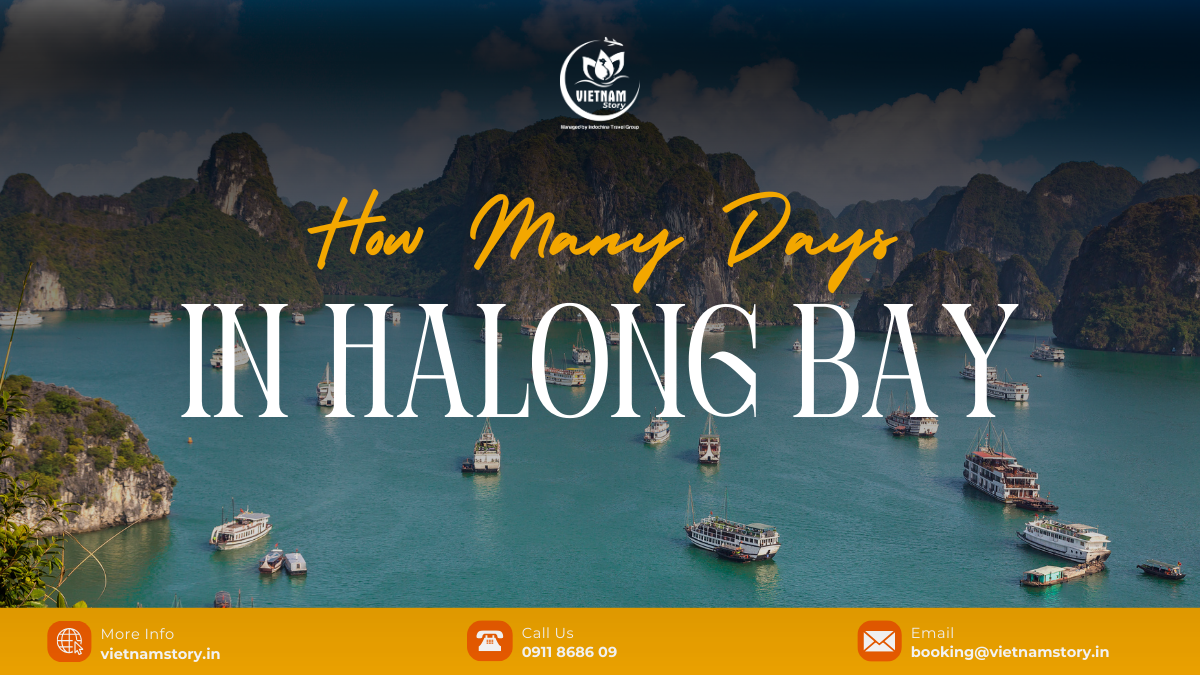
Day cruise vs 2D1N vs 3D2N at a glance
Start with the time you can realistically give Ha Long Bay, then compare the actual route and vessel. A day cruise compresses sightseeing and the Hanoi road transfer into one day. A 2D1N cruise splits the road journey across two days and adds a cabin, evening and morning onboard. A 3D2N cruise is useful when you want another day of the activities listed on that sailing.
| Format | Best fit | What you gain | Main trade-off |
|---|---|---|---|
| Day cruise | Short itinerary; prefer a hotel on land; want the core bay scenery without another overnight stop. | One-day commitment and a simpler luggage plan. | Outbound and return road travel happen on the same day, so the day can feel long. |
| 2D1N | Want to sleep on the bay without giving Ha Long several days. | Cabin, evening and morning on the water, with the drives split across two days. | Higher time and cost commitment; cabin, route and activities still vary by vessel. |
| 3D2N | Ha Long is a major trip priority and the extra full activity day matters. | More time for the vessel’s listed second-day programme and a slower rhythm. | Uses a larger share of the holiday and does not guarantee a specific quiet area or attraction. |
When a Ha Long Bay day cruise is enough
Choose a day cruise when you have only a few days in Vietnam and seeing the bay matters more than sleeping on it. It can work particularly well when Hanoi, Ninh Binh or another region already takes priority and you do not want to give up an extra hotel night.
Current information from the Ha Long Bay Management Department describes two common day-cruise patterns: VHL1 at about four hours on the bay and VHL2 at about six hours. VHL1 focuses on Thien Cung, Dau Go and nearby islets; VHL2 can include Ti Tốp, Sung Sot and Luon Cave. Other licensed routes also exist, so the duration label alone does not tell you which stops you will get.
From Hanoi, the tiring part of a day cruise is often travelling to the bay and back on the same day. If you are starting in Hanoi, keep the evening light rather than planning another major activity after you return. If you are already staying in Ha Long City, a day cruise becomes much easier because the same-day Hanoi transfer disappears.
If caves, kayaking or a Ti Tốp viewpoint are important, check the listed route before paying. The things to do in Ha Long Bay guide explains which experiences belong to which route instead of treating every cruise as the same product.
When 2D1N is worth the extra night
2D1N makes sense when the overnight experience itself is part of why you want to visit Ha Long. You get a private cabin for the night and time on the bay after the main daytime sightseeing period, then wake up onboard before disembarkation later the next morning. The exact schedule and activities still depend on the vessel.
For travellers coming from Hanoi, another practical advantage is pacing: you do not have to travel Hanoi → Ha Long → Hanoi in one long day. You drive to the bay one day and return the next. That can feel easier for families and senior travellers, although a 2D1N programme is still fairly structured and should not be mistaken for two full sightseeing days.
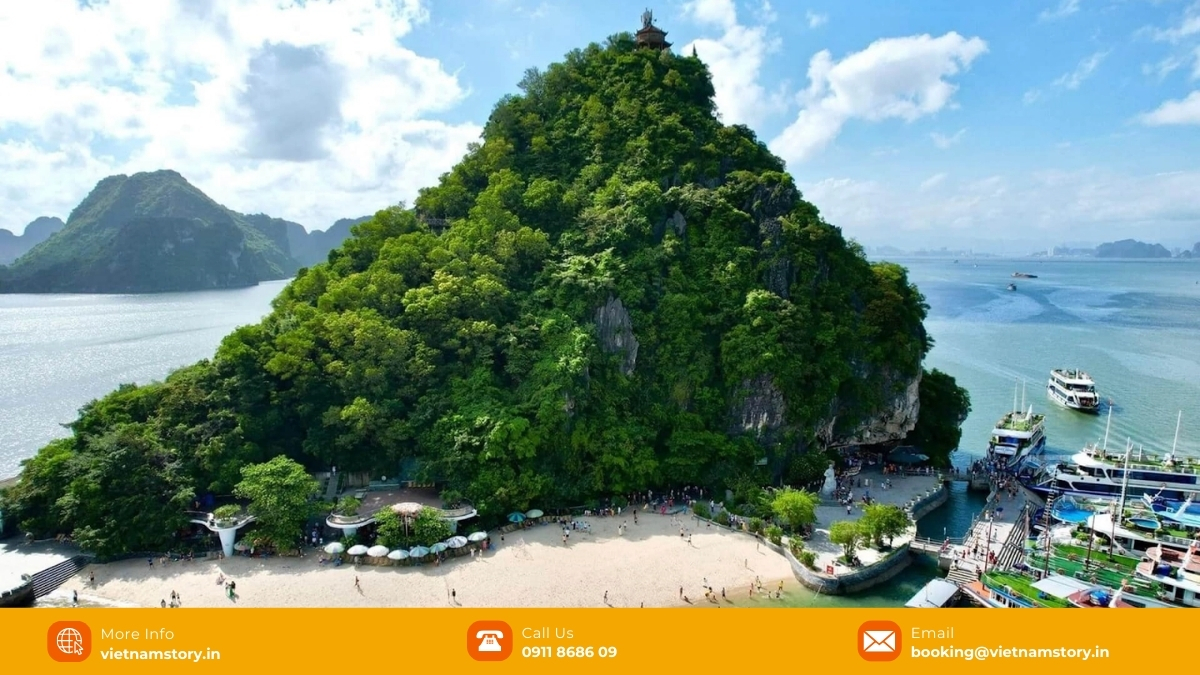
Do not assume every overnight cruise includes the same kayaking, cooking class, squid fishing or Tai Chi programme. Treat those as vessel-specific inclusions. Before booking, compare the cabin, route, meals, transfer, entrance fees and activity list in the written programme for your actual sailing.
Is 3D2N worth another day?
Choose 3D2N only when you want the extra full activity day, not because “more nights” automatically means a better route. Many 3D2N programmes use the middle day for a longer outing, sometimes with a smaller day boat, but the exact area and stops are operator-specific.
It can be a good fit for a slower honeymoon, repeat visitor or traveller who wants Ha Long to be one of the main experiences of the holiday. It is harder to justify when your total Vietnam trip is short and the extra day forces you to rush Hanoi, Ninh Binh, Sapa or another region.
If a programme mentions places such as Viet Hai Village, Cong Dam or another area beyond the classic day circuit, verify that stop on the actual itinerary rather than assuming every 3D2N sailing reaches it. Do not choose a longer cruise from a generic destination list; use the route printed for the specific sailing.
What actually changes between a day cruise and an overnight cruise?
The biggest difference is not a longer attraction list. It is how the travel day is structured. On a day cruise, you see the bay and return to a hotel that evening. Staying overnight lets you have dinner on board, sleep in a cabin and wake up on the water.
- Journey from Hanoi: a Hanoi day trip places both drives on the same day; 2D1N splits them across two days.
- Time on the bay: day cruises finish after their scheduled sightseeing; overnight cruises continue into the evening and following morning.
- Sleeping arrangement: day-cruise travellers return to a hotel on land; overnight guests sleep in a cabin onboard.
- Luggage: a day bag is usually enough for a day cruise; an overnight sailing requires clothes, medicines and personal items for the cabin stay. Check the vessel’s luggage guidance if you carry large suitcases.
- Meals: a day cruise may include lunch, while an overnight programme usually involves more onboard meals. Check how many meals your chosen cruise includes.
- Activities: sunset, morning exercise, evening activities and additional stops may appear on an overnight programme, but none should be treated as universal.
- Flexibility: once onboard an overnight cruise, your schedule is tied more closely to the vessel’s programme, so read the timings before booking.
Route, port and duration are three different decisions
A “2D1N cruise” does not tell you the exact route, and “day cruise” does not tell you the departure port. Current Ha Long sightseeing is organised across multiple licensed routes, while both day and overnight vessels can use different passenger ports and programmes.
Check that your chosen cruise visits the places you want to see, then find the departure port on your booking confirmation. Check both before you travel: boats can depart from different piers and visit different parts of the bay, even when their trips last the same number of days. Use the Ha Long harbour guide once you know the vessel you are considering.
Which cruise suits your family?
Think about what would tire your group most: a long return drive in one day, or a night away from your hotel. For some families, splitting the road travel across two days makes 2D1N easier. For others, sleeping in a hotel, avoiding a cabin overnight or keeping luggage simple makes a day cruise more comfortable.
- Children: compare wake-up times, how busy each day is, cabin layout and whether a child can skip a climb or kayak session without disrupting the group.
- Senior travellers: check cave steps, boarding access, walking surfaces and how many times the group transfers between vehicle, port and vessel.
- Travellers sensitive to boat motion: if you already know that sleeping on a boat is uncomfortable for you, do not choose an overnight cruise only because it is marketed as the fuller experience.
- Light sleepers: ask about cabin location and vessel layout if engine noise or people moving around would keep you awake.
- Couples and honeymooners: an overnight cruise can be worth the extra time when the cabin, sunset/evening and morning atmosphere are part of the experience you want—not simply because it is more expensive.
What Indian travellers should confirm before booking
If you need vegetarian or Jain meals, cabins close together or help with luggage, ask about these before choosing a boat. Give the operator your specific requirements so you know what can be arranged before you pay.
- Vegetarian and Jain meals: vegetarian is not automatically Jain-compatible. Send the excluded ingredients, ask which onboard meals can be adapted and keep the written confirmation for the specific sailing. The Indian food on Ha Long Bay cruises guide has the detailed checklist.
- Several rooms together: if parents, children or friends need adjacent or connecting cabins, confirm the exact room allocation rather than assuming the cruise can arrange it later.
- Large luggage: ask whether the operator wants you to bring all bags onboard or leave some luggage with the Hanoi hotel/transfer arrangement. This varies by booking.
- Hanoi transfer: confirm whether the quoted cruise includes the road transfer, where the pickup point is and what happens after disembarkation.
Does a longer cruise protect you from bad weather?
No. A 3D2N cruise is not weather insurance. Marine conditions and local authority instructions can affect day cruises and overnight programmes alike. Activities may be adjusted, routes may change and a sailing can be disrupted when conditions require it.
Before payment, read the operator’s cancellation, change and rebooking terms for weather disruption. Do not choose a longer cruise only because you think it guarantees a clear-weather window. For seasonal planning, use the best time to visit Ha Long Bay guide, but follow the current operator and local-authority instructions for the actual sailing.
When Cat Ba should be a separate extension
Add Cat Ba when you want island-based time such as hiking or a separate land stay, not simply because you want “more Ha Long”. A night in a Cat Ba hotel gives you time ashore for hiking or exploring the island; another night on a cruise keeps you on the boat’s itinerary. If both matter, check how the cruise route, ferry/transfer and hotel change fit together before adding another night.
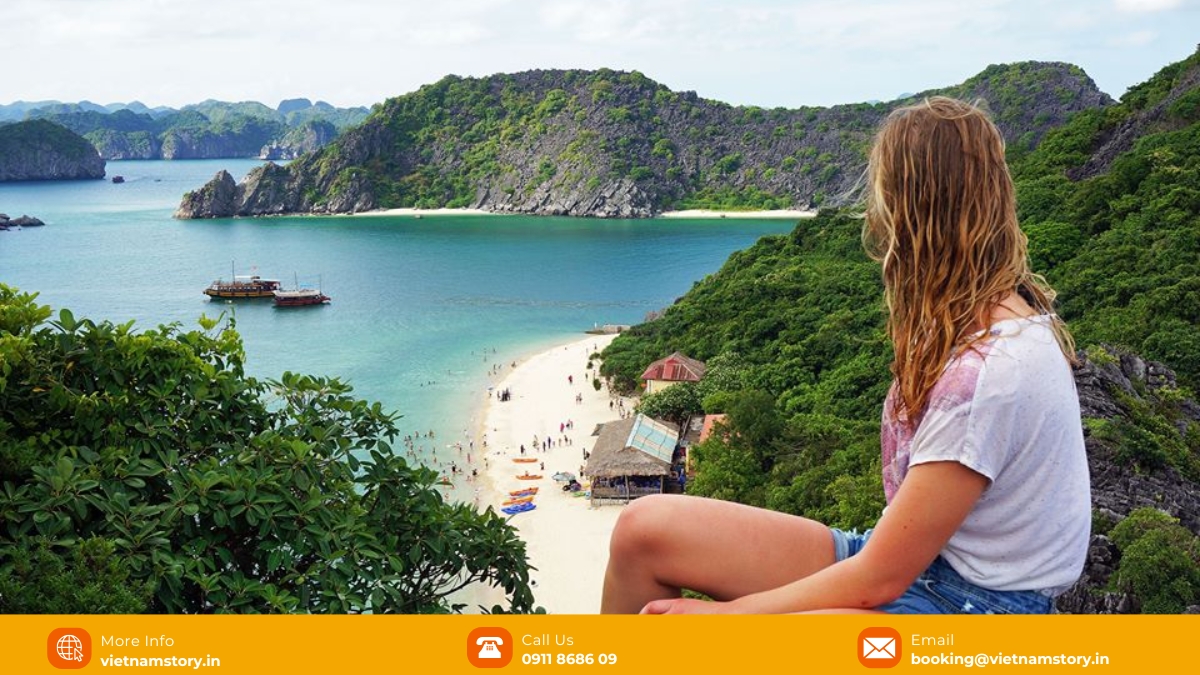
What to check before booking your cruise
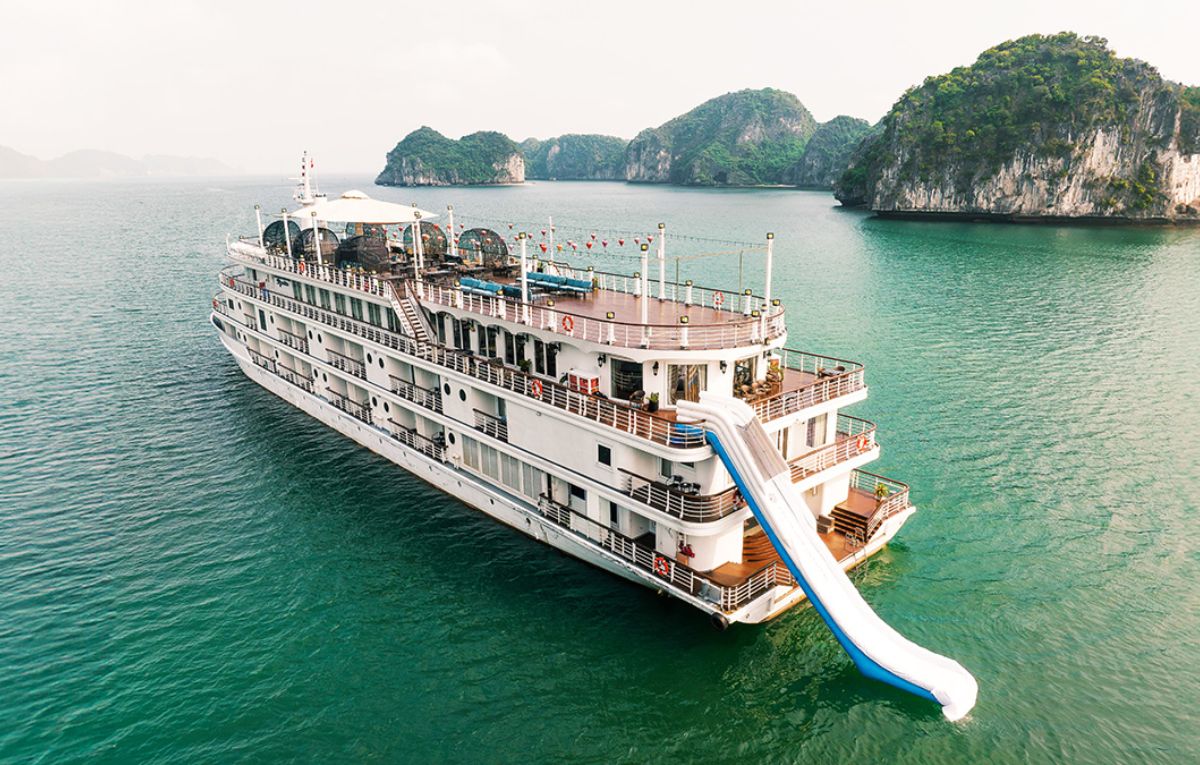
Before paying, check the boat, cabin and places you will visit. Two cruises that last the same number of days can have quite different rooms, meals and daily schedules.
- Exact vessel name and cabin category.
- Licensed route and the attractions actually listed.
- Departure port and check-in instructions.
- Hanoi pickup/drop-off and whether the transfer is included.
- Meals and any vegetarian/Jain confirmation.
- Kayaking, swimming, cave visits and other activities actually included.
- Entrance fees and any optional charges.
- Luggage guidance and cabin configuration.
- Weather-related cancellation/change terms.
If your dates or cabin requirements are fixed, the advance-booking guide explains when booking earlier is useful and when flexibility matters more.
Once you have chosen how long to stay, browse the Vietnam Story Ha Long Bay cruise collection to compare boats and cabins. Check the price for your dates, the places you will visit and whether the Hanoi transfer is included.
Which duration should you choose?
Choose a day cruise if you want to see the bay and return to your hotel. Stay overnight if dinner, a cabin and waking up on the water are part of what you are looking forward to. With 2D1N, you also spread the drive from Hanoi and back over two days. Choose 3D2N if you want to spend another day on the bay and are happy to leave less time for other destinations. Whatever you choose, confirm the route, port, cabin, meals and weather terms for the specific sailing before payment.
Still deciding between a day cruise and a night on the bay?
Tell us your travel dates, how many days you have in Vietnam and who is coming with you. Mention whether you need pickup from Hanoi, your budget and any cabin or meal requirements. If you have a boat in mind, include its name.
1. Tell us your datesInclude the time you can spare for Ha Long.
2. Share what mattersA cabin, particular stops, meals or an easier pace.
3. Compare your optionsLook at the itinerary and total cost before booking.
We’ll contact you about your cruise request. Ask for the cabin, meals, activities and Hanoi transfer to be listed in your quote.