The culinary landscape of Ha Long Bay is no longer just about seafood. While the “marine bounty” remains the heart of local identity, the region has evolved into a sophisticated food destination that seamlessly blends traditional Quang Ninh specialties with world-class international and Indian-friendly dining. For the modern traveler, eating in Ha Long is an experience of “Ocean-to-Table” freshness, where the 1,600 limestone islands provide a unique mineral-rich environment for some of the rarest marine species in the world.
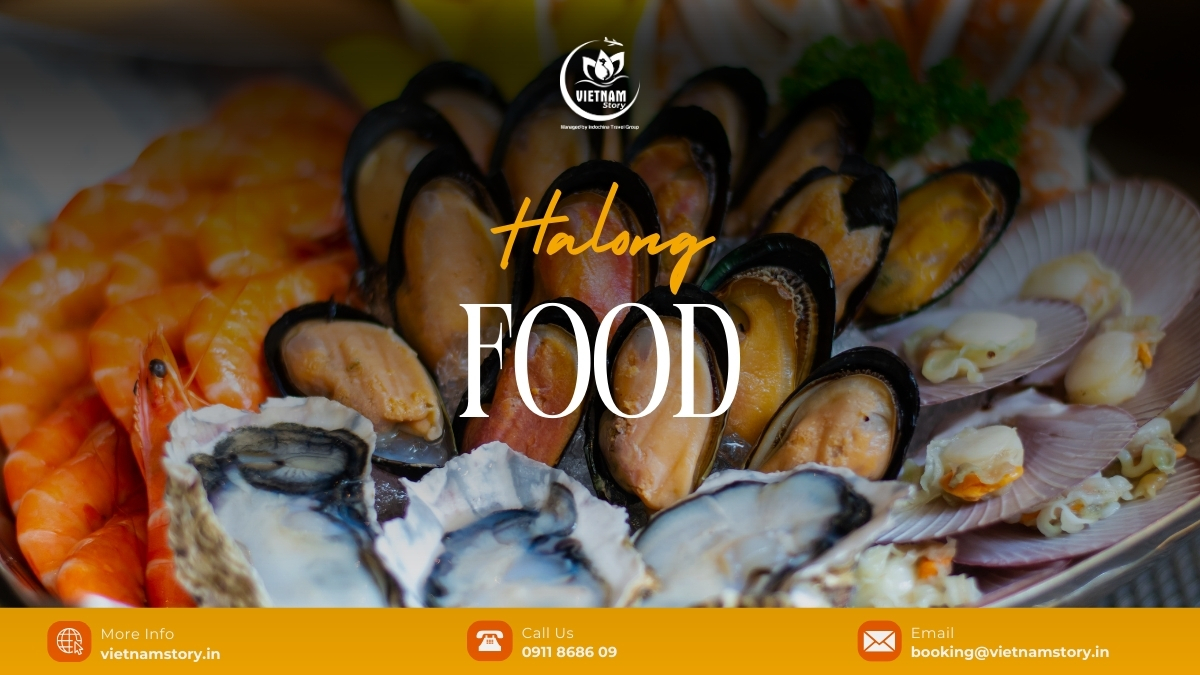
What are the iconic signature specialties of Halong Food every traveler must try?
If you only have time to try a few dishes, you must focus on the “Big three.” These are the items that define our provincial pride and carry centuries of tradition in every bite. For our Indian guests, these dishes offer a fascinating look at how we utilize the natural resources of the Gulf of Tonkin to create textures and flavors that are entirely unique.
The soul of Halong food is found in its hand-pounded squid patties, the prehistoric horseshoe crab, and the incredibly rare “white gold” peanut worms. These dishes represent the pinnacle of local craftsmanship and geological rarity, offering deep umami flavors and cultural stories that resonate with travelers seeking authenticity.
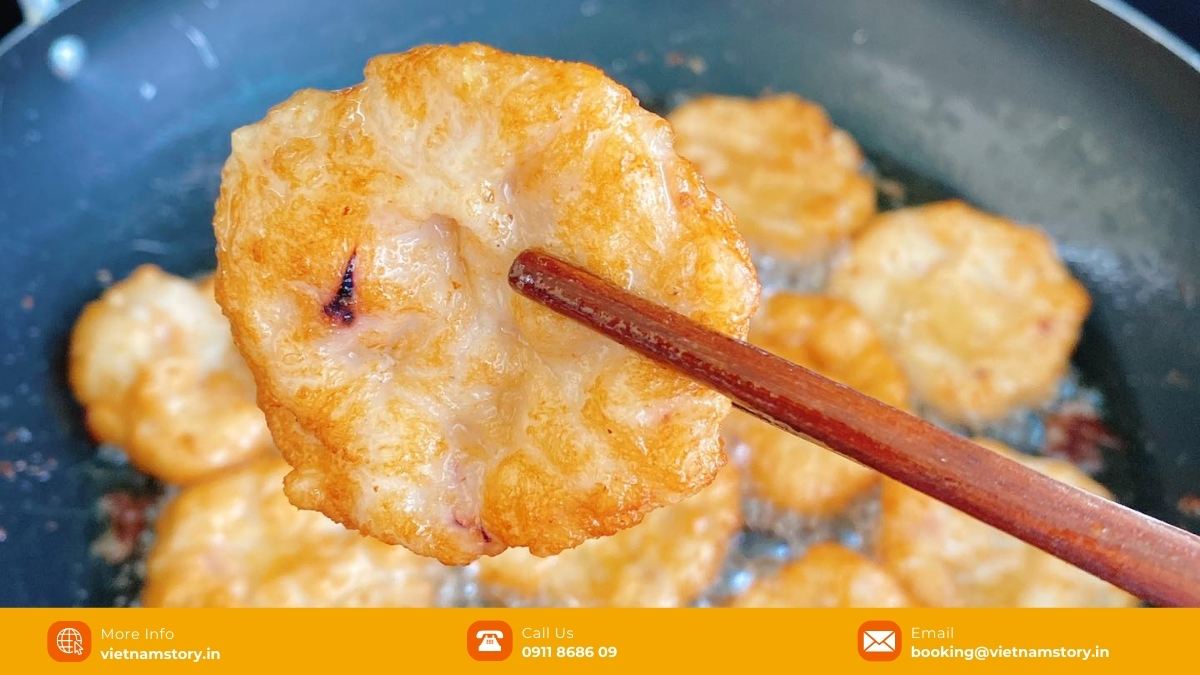
- Cha muc Ha Long (Grilled squid patties): This is the undisputed King of our local table. The secret lies in a tradition dating back to 1946: the best Chả Mực is exclusively hand-pounded in stone mortars. This preserves the muscle fibers, creating a “crunchy-yet-chewy” texture that industrial machines simply cannot replicate. In 2026, I recommend visiting Quang Phong in Bai Chay, where you can watch the “Live Pounding” demonstrations. We usually serve this with hot Banh Cuon (steamed rice rolls) for a perfect lunch.
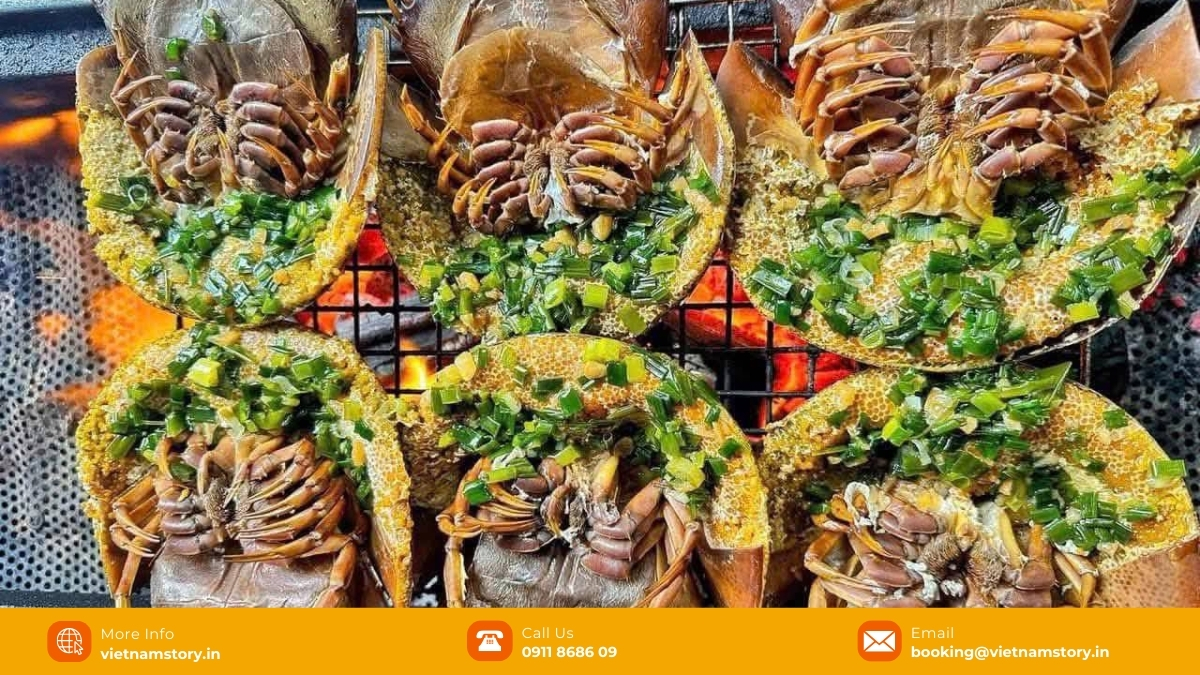
- Sam (Horseshoe crab): This is a prehistoric “Sea Treasure.” Interestingly, we always catch and serve them in pairs (male and female) to ensure harmony and safety. Our chefs are highly trained to prepare Sam in various ways – our Indian guests particularly love the Sam Trung (stir-fried with eggs) or the spicy lemongrass salad, which provides a familiar kick of heat.
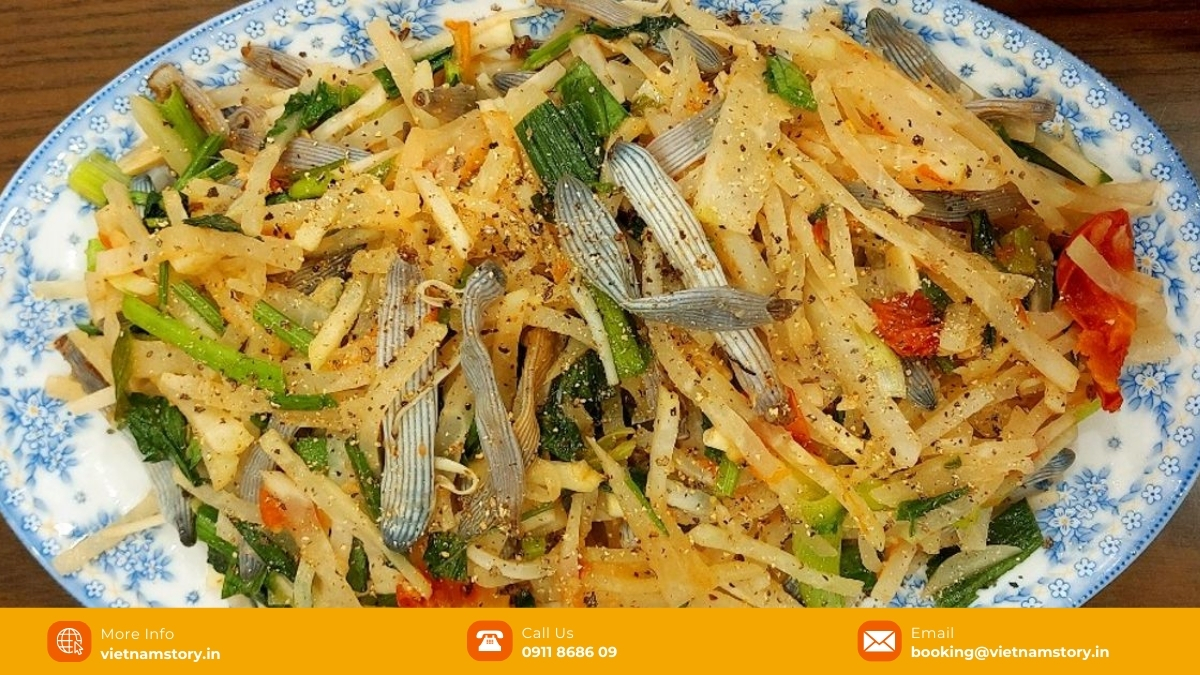
- Sa Sung (Peanut worms) – “White gold”: Don’t let the name surprise you! These rare sea worms are dubbed “white gold” because they fetch up to 6,000,000 VND (~$240) per kilo when dried. They are incredibly rich in amino acids and provide a deep, natural umami. In fact, fresh Sa Sung is the “secret ingredient” in premium Northern Pho broth, replacing the need for any artificial MSG.
READ MORE: Your Complete Guide To Finding The Perfect Halong Restaurant
Which noodles and soups define the breakfast culture of Halong food?
In Vietnam, breakfast is the most important meal for energy, and in Ha Long, we skip the heavy beef broths of Hanoi in favor of light, briny seafood soups. For travelers from India, who often appreciate a warm, savory start to the day, these noodle dishes are a revelation of freshness. The “Breakfast of champions” in the bay revolves around seafood-based broths like Bun Be Be and Cu Ky noodles. These dishes highlight the sweetness of mantis shrimp and stone crabs, providing a light yet nutrient-dense start to the morning that is perfectly suited to the breezy coastal climate.
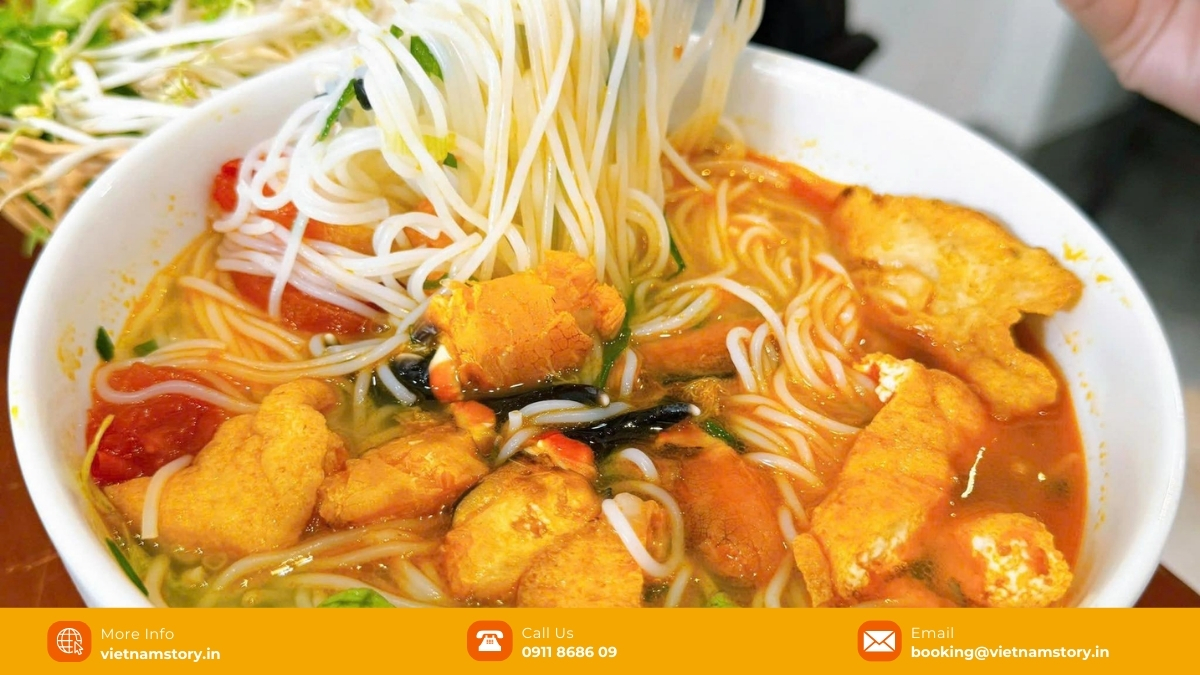
- Bun Be Be (Mantis shrimp noodles): This is the local favorite. It features sweet, succulent mantis shrimp and fried tofu in a broth infused with shrimp shells and tomatoes. For the most authentic bowl, we always take our groups to Dong Bac.
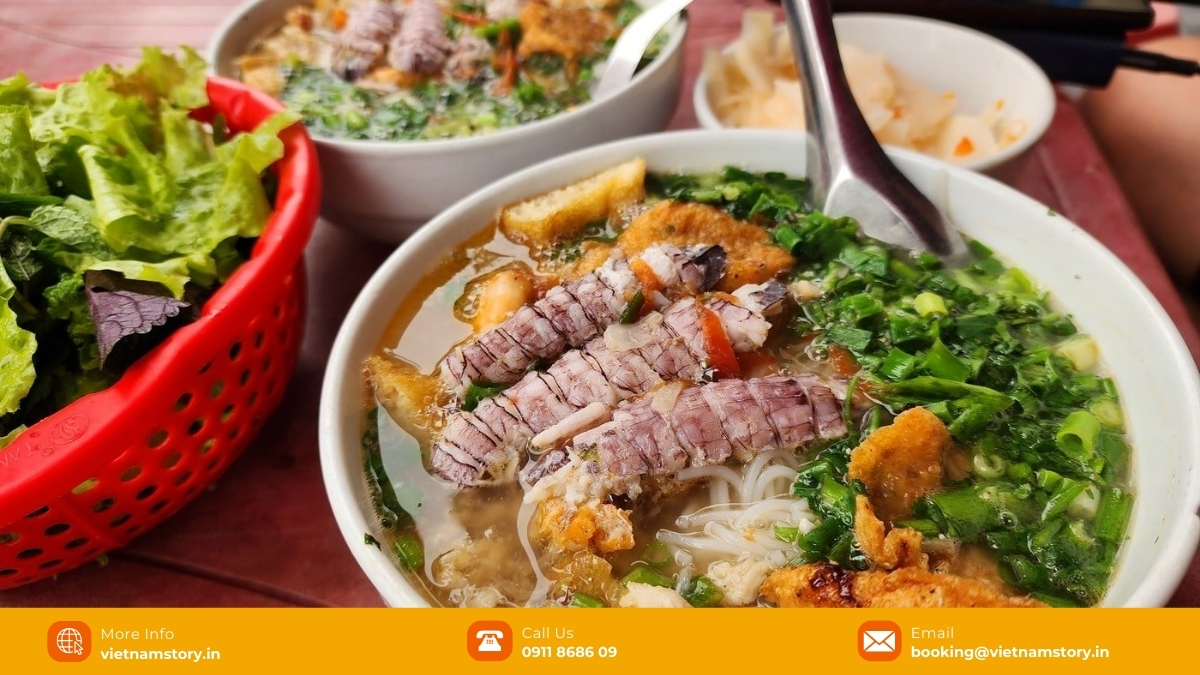
- Cu Ky noodles: The Cu Ky is a local “Stone Crab” known for its massive, meaty claws. The broth is thick and savory – ideal for a cool 2026 winter morning on the harbor.
- Chao Ha (Barnacle porridge): This is the ultimate “comfort food.” It’s a creamy rice porridge made with tiny, peppered barnacle meat. After a morning of kayaking, there is nothing better to soothe the stomach.
- Banh Gat Gu (Nodding rice cake): These are long, floppy rice cakes that “nod” when you hold them with chopsticks. They are dipped in a special sauce made of chicken fat, minced pork, and chili. It’s a fun, tactile eating experience that children especially enjoy.
Exploring the symphony of shellfish and exotic bites in Halong food
The biodiversity of our UNESCO-protected waters allows for a “Symphony of shellfish.” In our culture, these are often enjoyed as Moi – snacks eaten while sharing a conversation and a drink. For the adventurous Indian foodie, the variety of textures here is unparalleled.
Halong food is famous for its exotic shellfish, ranging from the “tasteless” but sweet Ngan clams to the elongated Snout Otter clams. These items are typically prepared with ginger, lemongrass, and garlic – flavors that are very welcoming to the Indian palate – and are best enjoyed at local night markets.
- Ngan (Corrugated clams): The name literally means “tasteless” in Vietnamese, but the flavor is the exact opposite – extremely sweet and tender. We even use them to infuse Ngan Wine, a potent local specialty that we encourage the men in our groups to try once!
- Oc Mong Tay (Razor snails): These are stir-fried with lemongrass, chili, and lots of garlic. They are chewy and briny, making them a staple of any night-market visit in Bai Chay.
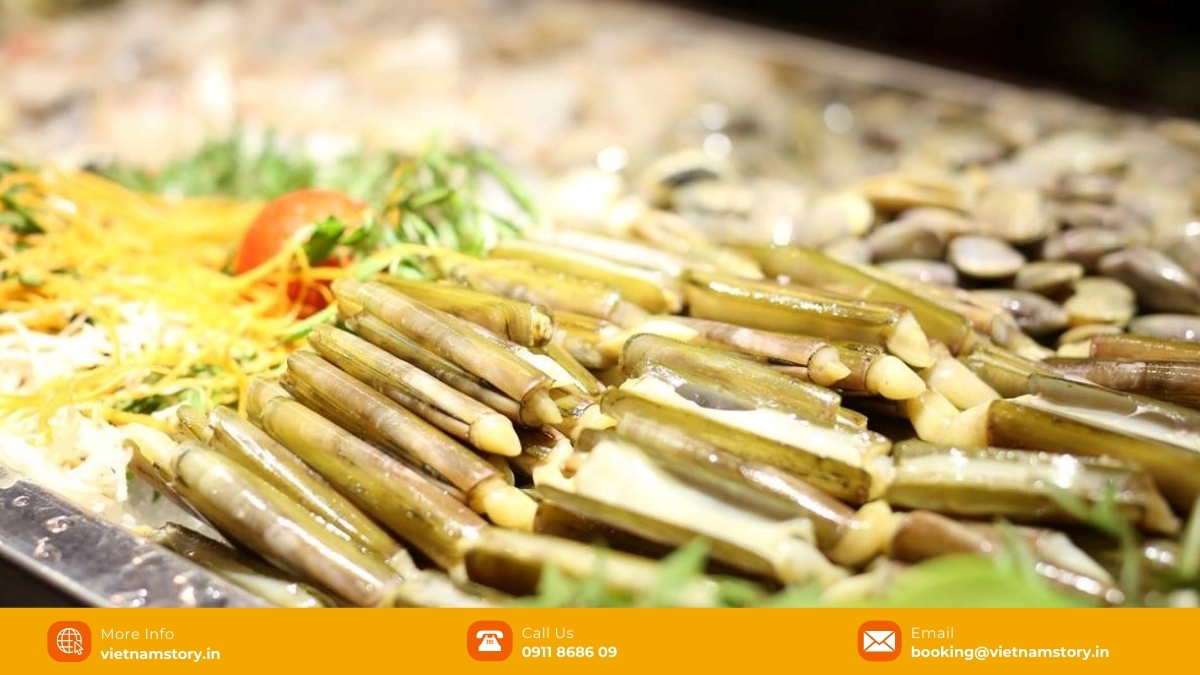
- Tu Hai (Snout otter clams): These are rare and prized for their rich, tender meat. We typically steam them with ginger and green onions to let the natural sweetness of the sea shine through.
- Drunken prawns: This is a theatrical dish where prawns are soaked in rice wine before being steamed. The meat becomes exceptionally fragrant and sweet, a great choice for a celebratory dinner.
Are there specialty meats and desserts beyond seafood in Halong food?
While we are famous for the sea, our “Hill Chicken” and ethnic cakes provide a wonderful balance for those who want a break from seafood. Our dessert scene has also become a major draw, offering cooling, coconut-based treats that are perfect after a day in the sun. Beyond the ocean’s bounty, the region offers smoky hill-grilled chicken and traditional ethnic pork cakes. To finish the meal, the famous Ha Long Tapioca Yogurt and Egg Bread Cream provide a sweet, cooling contrast that has become a viral sensation among international tourists.
- Loi Am Hill grilled chicken: This is free-range chicken marinated in lemongrass, garlic, and honey, then grilled over charcoal until smoky. It reminds many of our Indian guests of a high-quality Tandoori chicken, but with a Southeast Asian twist.
- Tay Nong Ep (Ethnic pork cake): This is a specialty of the San Diu people. It is glutinous rice wrapped around savory pork and onions, then steamed.
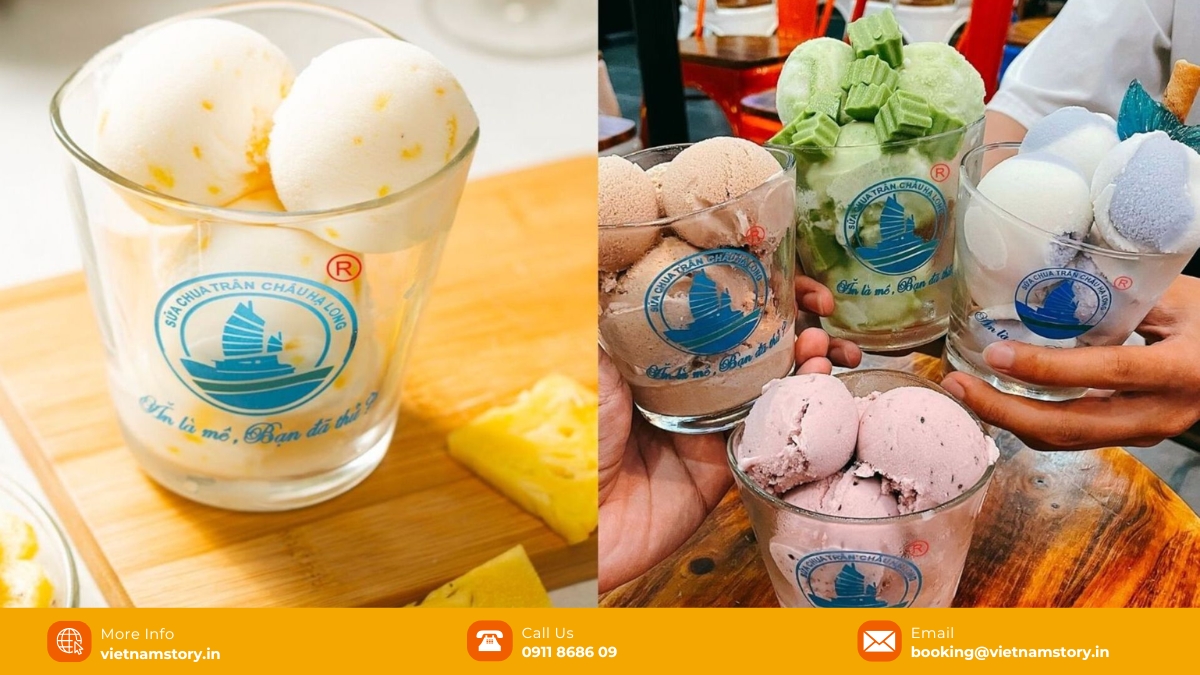
- Ha Long tapioca yogurt: This is our most famous dessert. It consists of chilled yogurt served with warm, chewy tapioca pearls in thick coconut milk. It is incredibly refreshing.
- Squid fishing BBQ: On many overnight cruises, if you catch a squid during the night activity, the chef will prepare it for you instantly as a late-night BBQ snack. There is no “fresher” food than this!
How does Halong food accommodate Indian, vegetarian and Jain travelers?
Modern Halong food culture is highly inclusive, with luxury cruises now offering official Halal certification and dedicated Jain kitchens. On land, Ha Long City boasts authentic Indian restaurants serving North and South Indian classics, ensuring that every traveler can enjoy the bay without compromising their dietary beliefs.
- Dedicated Indian kitchens: We exclusively partner with cruises like Mon Chéri, Catherine, and Indochine Premium. These vessels feature separate Jain and Vegetarian kitchens to ensure zero cross-contamination.
- Jain and Satvik options: Most 5-star cruises now offer specialized menus (no onion, garlic, or root vegetables) if requested 48 hours in advance. This has been a game-changer for our groups from Gujarat and Rajasthan.
- Land-based Indian hubs: If you are staying in the city, Indian Master Food and Sri Kitchen in the Bai Chay area provide excellent Paneer Tikka, Dal Makhani, and hot Naans that taste just like home.
- Vegetarian adaptations: Even local dishes like the Tay Nong Ep cake can be prepared with mung beans instead of pork for our vegetarian guests, allowing you to taste the local culture safely.
READ MORE: Top Indian Restaurants in Ha Long Bay
What are the essential food safety and practical tips for Indian travelers?
As your local guide, your health is our priority. While our street food is tempting and generally very clean, seafood requires a specific “safety first” mindset to ensure your stomach stays happy throughout the trip. To enjoy Halong food safely, travelers should strictly avoid raw shellfish, follow a “live-only” market strategy, and be aware of potential allergens. Proper communication and timing – such as avoiding caffeine immediately after a seafood feast – are the keys to a trouble-free gastronomic adventure.
- The “raw” rule: Vietnamstory always tells our Indian guests to strictly avoid raw crab or blood cockles. Ensure all shellfish are boiled or steamed for at least 20 minutes to eliminate any risk of parasites.
- Market strategy: If you visit Ha Long Market I or II, choose seafood that is still swimming in the tanks. You can pay a small fee ( 2−5$) to have a nearby stall cook it for you instantly.
- Allergy alert: If you have sensitivities, please memorize this phrase: “Tôi bị dị ứng với hải sản” (I am allergic to seafood).
- Beverage note: Avoid drinking strong tea or coffee immediately after a heavy seafood meal. The tannins can react with the calcium in the shells and cause minor stomach irritation.
Where are the best dining spots to experience Halong food?
To help you navigate the hundreds of options, we have selected the “Gold Standard” venues. These spots have been vetted for their hygiene, service, and, most importantly, the quality of their ingredients. The dining scene offers a variety of price points and atmospheres. From the luxury of Hong Hanh 3 to the scenic sunset views at Phuong Nam and the authentic local flavors of Thuy Chung, these recommendations provide a roadmap for the best culinary experiences in the bay.
| Category | Recommended spot | Est. price (per person) |
| Luxury seafood | Hong Hanh 3, Sam Ba Ty, Thien Anh | $25 – $50 |
| Scenic/BBQ | Phuong Nam | $20 – $40 |
| Authentic local | Thuy Chung, Dong Bac Bun Be Be, Quang Dung, Ha Long I/II Night Markets | $10 – $20 |
| International | Avocado | $15 – $30 |
| Dessert hub | Mrs. Duyen, Chi Ngoc Egg Bread | $2 – $5 |
| BBQ/ Fishing catches | Halong Cruise | Included |
Conclusion
The story of Halong food is a symphony of the sea, the hills, and the traditions of our people. From the rhythmic thud of the squid-pounding mortars to the neon glow of the nighttime sea, every meal here is an invitation to understand Vietnam a little deeper. For our friends from India, this journey offers a unique chance to see how our two cultures share a love for fresh ingredients, bold spices, and the joy of a communal table. At Vietnamstory, we are ready to welcome you. We will handle the Jain meals, the safety checks, and the hidden local gems, so all you have to do is bring your appetite.