The Halong Market scene has evolved into a sophisticated blend of raw, early-morning tradition and neon-lit evening tourism. For travelers disembarking from a luxury cruise or staying in the Bai Chay hub, the markets offer the most direct connection to the “coastal soul” of Quang Ninh province. At Vietnamstory, we curate market tours that help our Indian guests navigate the sensory overload, ensuring you find the highest quality pearls and the freshest seafood while avoiding the common “tourist traps.”
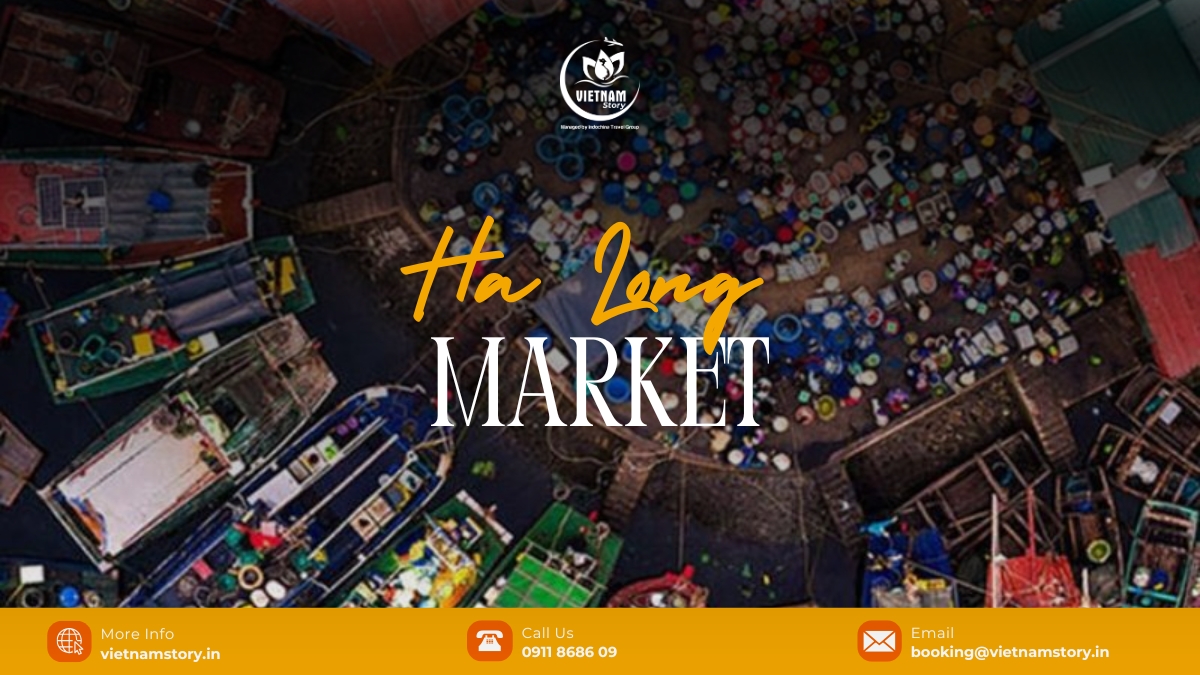
Discovering the best Halong Market: Where to go and when?
Halong City is geographically and culturally split into two distinct areas: Bai Chay and Hon Gai. Bai Chay is the tourist and leisure hub, while Hon Gai is the administrative heart where local life happens. Choosing the right market depends entirely on your “mission” – whether you are hunting for souvenirs at night or looking for a raw, authentic fisherman’s haul at dawn.
The Halong market landscape is diverse, ranging from the tourist-centric Night Market in Bai Chay to the massive, wholesale hubs like Halong I and II in Hon Gai. To get the best experience, time your visit according to the market’s specialty: dawn for fresh seafood and evening for souvenirs and street food.
To help you plan your itinerary, Vietnamstory has prepared a comprehensive table of the major markets you should consider visiting during your 2026 trip:
| Market name | Location | Primary focus | Best time | Vibe |
| Halong Night Market | Bai Chay (Marine Plaza) | Souvenirs, Clothing, Pearls | 7:00 PM – 11:00 PM | Neon-lit, tourist hub |
| Cai Dam Market | Bai Chay | 6-story hub; fresh seafood | 6:00 AM – 9:00 AM | Modern, organized, local |
| Halong I Market | Hon Gai (Van Xuan St) | 4-floor giant; wholesale | 2:00 AM – 9:00 PM | Iconic, massive variety |
| Halong II Market | Hon Gai (Le Loi St) | Dried seafood, shrimp floss | 8:00 AM – 5:00 PM | Relaxed, great for gifts |
| Hon Gai Wharf | Foot of Bai Tho Mt | Direct boat-to-shore sales | 4:00 AM – 7:00 AM | Raw, photogenic, gritty |
Depending on your preference for comfort or authenticity, you might choose to stay close to the luxury hotels of Bai Chay or cross the iconic Bai Chay Bridge into the “real” Halong. The Night Market is perfect for a family stroll after dinner, while the Hon Gai Wharf is for the adventurous souls who want to see the silver scales of the morning catch glisten under the first light of day.
What to buy at a Halong Market: From hand-pounded squid to lustrous pearls
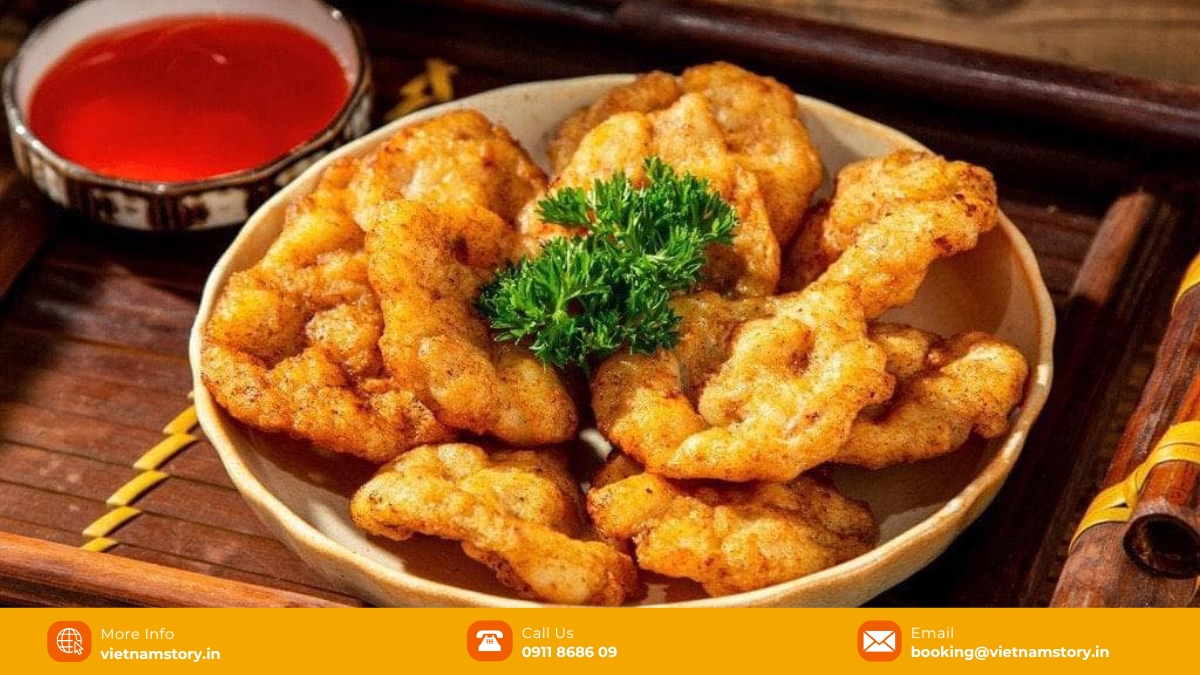
Every halong market is a gold mine for regional specialties, but the quality can vary greatly between stalls. As an experienced organizer for Indian groups, Vietnamstory knows that our guests look for items that are not just beautiful, but authentic and high-value. Shopping at a Halong market offers two distinct categories: coastal delicacies and high-end handicrafts. The most famous local food is the hand-pounded squid cake (Cha Muc), while the most prized souvenirs are certified Halong pearls and unique statues carved from local anthracite coal.
When you walk through the aisles, keep an eye out for these specific items that represent the best of our region:
- Cha Muc (Squid Cakes): This is the “King of Halong Food.” If you are in Halong I Market, you must visit Thoan Cha Muc (Kiosks 36-37). They are legendary for hand-pounding the squid in stone mortars rather than using machines, which gives the cakes a much better texture.
- Dried seafood: For something to take home, dried squid and Sá Sùng (rare sea worms used for flavoring broth) are highly prized. Look for squid with a natural pink tone and a light white “dust” on the surface; this indicates freshness before drying. In 2026, many vendors now offer QR code tracing so you can see exactly which boat your seafood came from!
- Halong pearls: Our nutrient-rich waters produce world-class pearls in shades of white, gold, and black. While the Night Market has many stalls, we recommend Stalls #23-27 for the best balance of price and quality. For high-end purchases, reputable shops like Legend Pearl provide certificates of authenticity.
- Coal statues: Unique to this province, these are carved from local anthracite coal. They are surprisingly lightweight and symbolize the mining heritage of our people.
READ MORE: Your Complete Guide To Finding The Perfect Halong Restaurant
The ultimate Halong Market street food guide: Must-eat coastal delicacies
You cannot truly say you have visited a halong market until you have sat on a low plastic stool and enjoyed a meal prepared right in front of you. Market dining is the most authentic way to experience Halong’s coastal cuisine, and it is a highlight that our Indian guests often remember most fondly.
Street food at the halong market is centered around fresh, steaming rice rolls and unique seafood preparations. Highlights include the “Nodding Cake” (Banh Gat Gu), savory squid cakes, and the famous Pearl Yogurt, which provides a cooling finish to a spicy seafood meal.
If your palate is ready for an adventure, look for these specific dishes tucked away in the food sections of the markets:
- Banh Cuon Cha Muc: These are delicate, steamed rice rolls filled with wood-ear mushrooms and served with hot, fried squid cakes. The contrast of the soft roll and the chewy, savory cake is divine.
- Sam (Horseshoe crab): This is a rare delicacy. It can be prepared as a cold salad or grilled with scallion oil. It has a very distinct “ocean” flavor that is quite unique to the North.
- Banh Gat Gu (“Nodding cake”): Originating from the nearby Tien Yen district, these are long, soft rice cakes. They are called “Nodding Cakes” because they are so long and soft that they “nod” when you hold them. Dip them into a rich, minced pork and onion sauce.
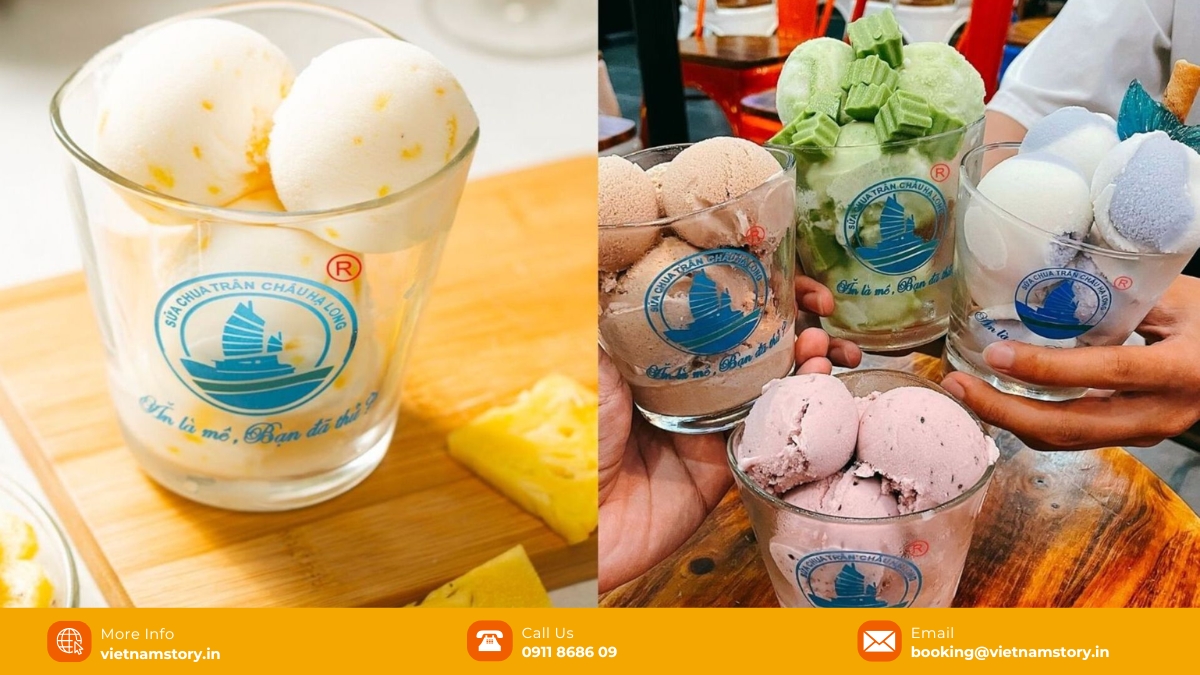
- Pearl yogurt (Sua chua tran chau): This is the ultimate Halong dessert. Imagine cold, creamy yogurt topped with warm coconut milk and chewy “pearl” tapioca balls. It’s the perfect way to soothe your stomach after a day of exploring.
Special Vietnamstory insider tips for navigating the Halong market
After five years of serving Indian travelers, we’ve refined a set of tips specifically to ensure your comfort and value. We understand the nuances of the Indian travel style – from the importance of vegetarian options to the thrill of a good bargain. Navigating a halong market in 2026 is easier than ever with digital payments, but it still requires some local “know-how.” From the “Buy & Cook” seafood experience to polite photography etiquette, these tips will help you shop like a local while respecting the culture.
Here is our “secret playbook” for Indian friends:
- The “buy and cook” experience: At Cai Dam Market, you can buy fresh crabs or prawns directly by weight. Many nearby stalls will steam or grill them for you for a small fee (~50,000 VND). This ensures you get the freshest possible meal at a fraction of restaurant prices.
- Bargaining strategy: At the Night Market, prices are often marked up for tourists, so feel free to start at 50-60% of the asking price. However, at local markets like Halong I or II, the prices are already close to local rates; a 10-20% discount is usually the most you should aim for.
- Vegetarian note: If you are vegetarian, look for “Banh Gio” (pyramidal rice dumplings) often filled with mushrooms, or stick to the “Banh Gat Gu” without the meat sauce. Most yogurt stalls are completely vegetarian-friendly!
- Payment and tech: While the modern Vincom Plaza or Night Market stalls may accept cards, 90% of halong market vendors still prefer VND Cash. There are multiple ATMs at Vincom Plaza that we recommend using before you head into the more traditional stalls.
Planning your visit: Practical logistics and rates for any Halong market
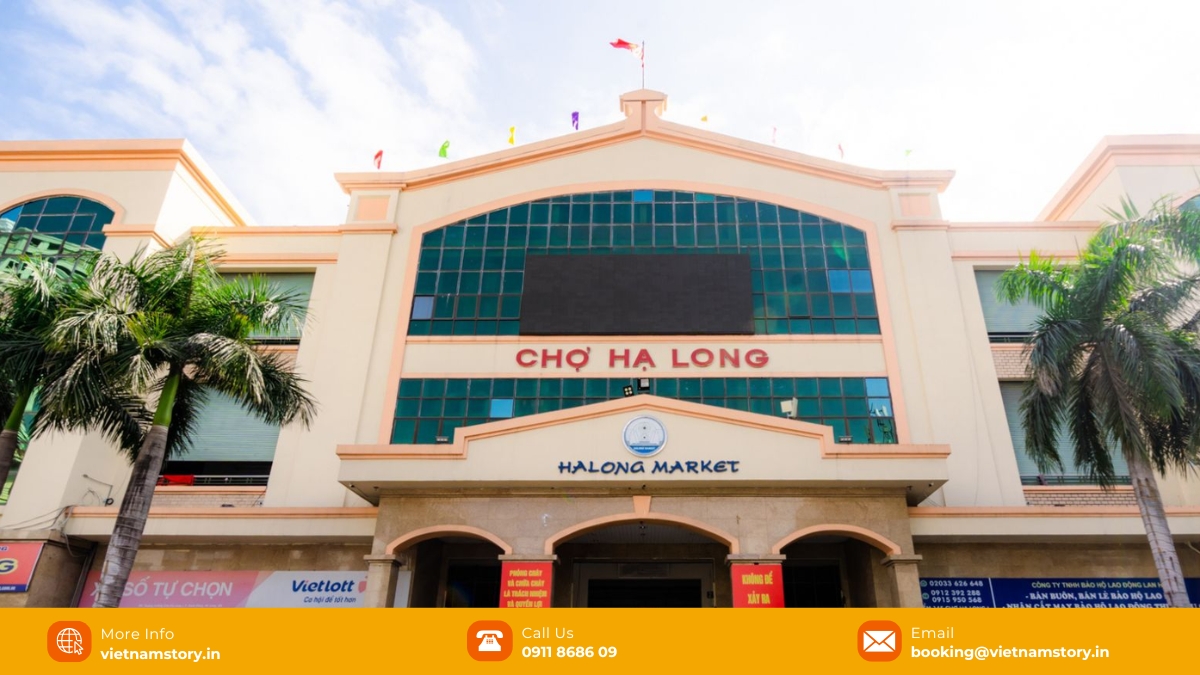
Getting to your chosen halong market is quite simple, thanks to the massive infrastructure upgrades our city has seen in the last two years. However, timing is everything if you want to avoid the heaviest crowds. Transportation to the markets is affordable, with taxis and ride-sharing apps being the most reliable methods. Visiting on weekdays generally offers a quieter experience, while weekends provide a high-energy atmosphere at the Night Market. Here are the logistical details you need to know for the 2026 season:
- Transportation costs: If you are staying at Tuan Chau Port, a taxi will take about 20 minutes and cost approximately 200,000 VND. From the hotels in Bai Chay, most markets are within walking distance, or a short 100,000 VND taxi ride across the bridge to Hon Gai.
- Best days to visit: Friday through Sunday are the best nights for the Night Market energy. However, if you want a “no-tourist-tax” shopping experience for dried goods, visit Halong II on a Tuesday or Wednesday morning.
- Safety tip: Our markets are generally very safe, but in crowded areas like the Night Market, we always tell our guests to keep their bags in front. Also, always carry a small bottle of hand sanitizer, especially after handling cash or walking through the wet seafood sections.
If you are planning to visit these markets as part of a larger adventure, we highly recommend checking out our Halong Bay Cruise Collections. Many of our selected cruises offer “Market Add-ons” where a local guide will take you through these stalls as part of your pre- or post-cruise experience.
Beyond the guide: Rare insights into the 2026 Halong market evolution
The world is changing, and so is the halong market. In 2026, we are seeing a fascinating “Connected Market” evolution that blends ancient traditions with high-tech commerce. The market scene is defined by modern trends like livestreaming vendors and eco-friendly initiatives. Understanding these shifts allows you to find the most reputable stalls and support sustainable tourism in the bay.
One of the most surprising things you might see is a vendor like Ba Ngan or Thoan livestreaming their squid-pounding to thousands of viewers on their phones. Don’t be shy – this is actually a sign of a high-turnover, high-quality stall! They are proud of their freshness. Furthermore, since 2025, many “Model Stalls” in Halong we have transitioned to biodegradable and eco-friendly packaging for their dried goods. Look for the “Green Market” seal to ensure you are buying export-quality products that support our bay’s health.
Conclusion
A visit to a Halong market is more than just a shopping trip, it is a journey into the heart of our community. It is where you hear the rhythmic “thud-thud” of the squid pounders, see the vibrant colors of our textiles, and taste the salt of the sea in our street food. For our Indian friends, it is a place that feels strangely familiar in its chaos yet uniquely Vietnamese in its details.
Whether you are looking for a million-dollar pearl or a simple 20,000 VND yogurt, the markets of Halong Bay are ready to welcome you with open arms. At Vietnamstory, we are here to ensure that your market journey is as spectacular as the bay itself.