What to Buy in Da Nang 2026: Souvenirs, Gifts & Packing Tips
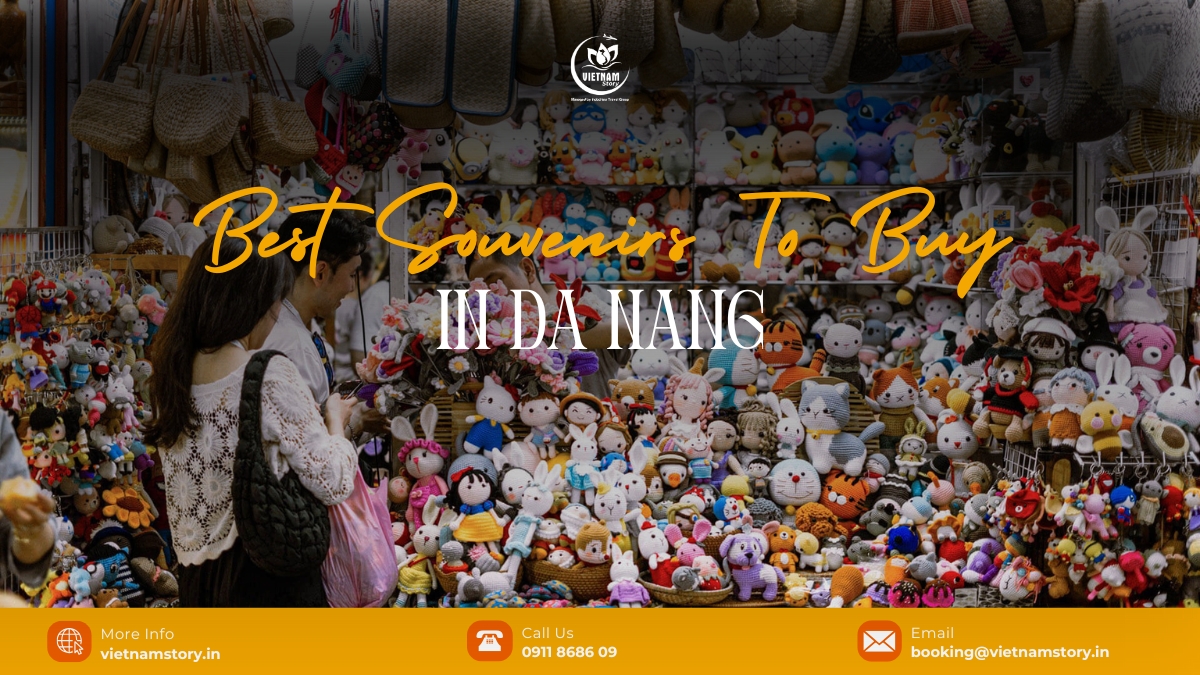
If you are deciding what to buy in Da Nang, start with what will actually survive the trip home. Our shortlist is simple: light textiles, a nón lá if you can protect its shape, small Non Nuoc stone craft, packaged sesame cake, coffee or tea, and other clearly labelled dry goods. We would be more careful with meat, seafood and liquids because airline and Indian import rules matter more than whether a shop can vacuum-seal the item. For where to buy it, use our Da Nang markets guide or shopping malls guide.Choose souvenirs by how easy they are to verify, pack and carry home.
What should you actually buy in Da Nang?
Start with the recipient and the journey home, not with the biggest souvenir display. The table below is the decision layer we would use before shopping.
Souvenir
Best for
What to check
Packing / India note
Áo dài / scarf / textile
Personal gift, clothing, lightweight present
Fabric, stitching, sizing, tailoring time
Easy to pack; keep proof of material if buying an expensive “silk” item
Nón lá
Iconic visual souvenir
Frame, stitching, shape
Light but crushable; needs luggage space
Small Non Nuoc carving
Da Nang-linked craft
Material, workmanship, size, seller explanation
Choose small pieces for luggage; do not confuse local craft with locally quarried Marble Mountains stone
Bánh khô mè / dry packaged snacks
Family or office gifts
Producer, ingredients, date, intact seal
Usually simpler than meat, seafood or liquids
Coffee / tea
Easy general-purpose gift
Producer, roast/ground format, ingredients, date
Compact and easy to distribute; choose labelled packs
Chả bò / dried seafood
Better as food to enjoy in Vietnam
Storage, label, origin
Animal-product import rules matter; do not assume vacuum sealing makes it acceptable for India
Sauces / pastes
Home cooks
Ingredients, bottle seal, volume
Leak risk + airline liquid rules; pack carefully
Our simplest rule is: the more fragile, perishable, liquid or animal-based the souvenir is, the more planning it needs. A gift is not better just because it feels more “local”.
Clothing and textiles: what is worth buying and how should you check it?
Textiles are among the easiest gifts to carry because they are light, do not leak and are simple to fit around the rest of your luggage.
Ao Dai (The traditional Vietnamese dress)
For a tailored áo dài, confirm fabric, fitting and completion time before paying. An áo dài can be bought ready-made or tailored. If you want a custom piece, ask about fabric, fitting and completion time before paying; turnaround depends on the tailor and how much alteration is needed. Han Market is useful for comparing fabrics and ready-made pieces, while specialist tailors in Da Nang and nearby Hoi An offer more fitting options. We would choose based on the time left in your trip rather than assume every tailor can finish in one or two days.
Nón lá, scarves and other light gifts
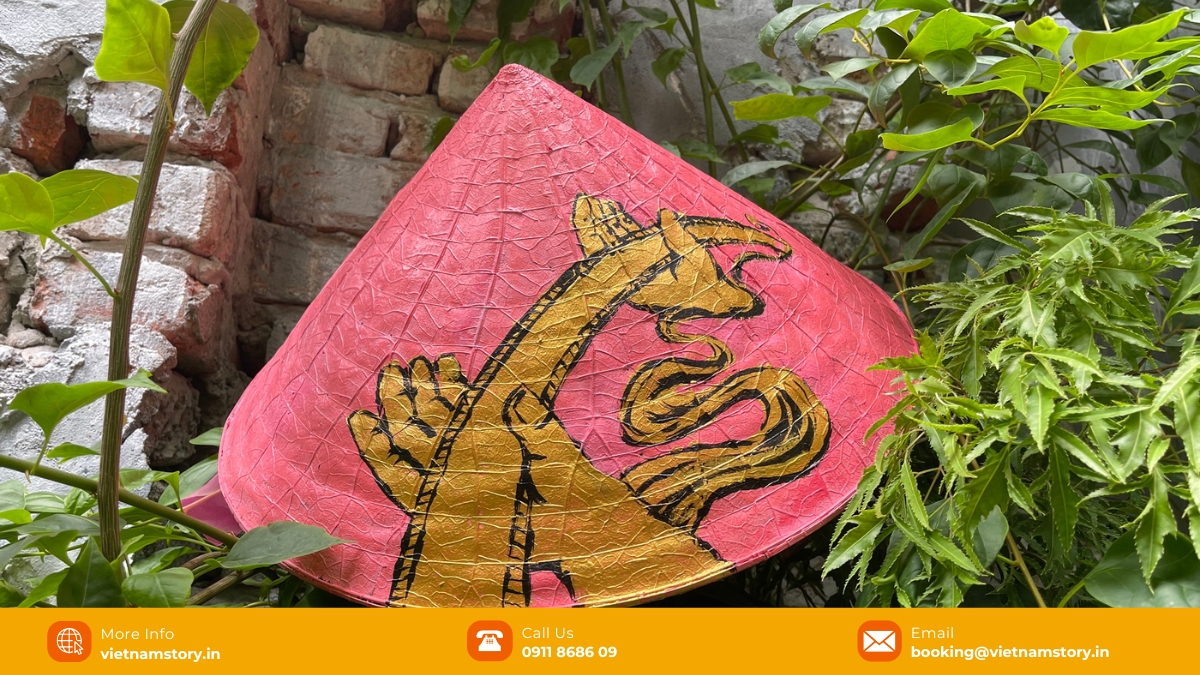
A nón lá is light, but you need enough luggage space to keep its shape.
Nón lá: light to carry but awkward to protect. If you want one as a gift, check the frame, stitching and whether you have enough luggage space to avoid crushing it.
Scarves and fabrics: easy to pack, but do not treat a “silk” label as proof of fibre content. If material matters to you, ask the seller what the fabric is and buy from a shop that can identify the product clearly.
How should you judge textiles before buying? Focus on material, construction, fit and what the seller can explain consistently rather than relying on quick “authenticity tests”.
For a higher-value textile purchase, ask for a receipt or product information when fibre content materially affects the price.
For an áo dài
Check fit through the shoulders and torso, trouser length, seam quality and the finishing around closures. If it is being altered, agree on the fitting and pickup time before paying. A short trip does not leave much room for missed tailoring deadlines.
For a scarf or fabric sold as silk
Do not use shine, softness or a burn test as your “proof”. Those shortcuts are unreliable and may damage the product. If fibre content matters enough to justify a higher price, buy from a seller that clearly identifies the material and can provide a receipt or product information.
For a nón lá
Inspect the frame and stitching and put the hat down on a flat surface to see whether the shape sits evenly. The purchase itself is easy; keeping it uncrushed during the flight is the real constraint.
Craft souvenirs: Non Nuoc stone carving and small art
If you want a craft with a direct connection to Da Nang, Non Nuoc stone carving is one of the clearest local options.
Marble sculptures from Non Nuoc Village
The Non Nuoc Stone Carving Village at the foot of the Marble Mountains preserves a stone-carving tradition dating back to at least the seventeenth century and is recognised as national intangible cultural heritage. One detail matters when you shop: the stone is not currently quarried from the Marble Mountains. Local quarrying was prohibited in 1990 as the resource declined, so workshops now source raw stone from other regions while preserving the local carving craft. Buy the piece for the workmanship and provenance of the craft, not because a seller calls the material “Marble Mountains stone”. For travellers flying home, small carvings are far easier than large statues. If a workshop offers international shipping for a larger piece, treat that as a separate purchase decision: ask for the material, dimensions, weight, packing method, shipping terms and insurance in writing rather than assuming every shop offers the same service.
Small carving or large sculpture?
For most international travellers, a small carving is the more sensible souvenir. It is easier to inspect, carry and protect. A large sculpture turns the purchase into a shipping transaction, so the important attributes become different: exact material, dimensions, weight, crating, insurer, carrier, delivery terms and who is responsible if the piece arrives damaged. If a seller offers international shipping, ask for those terms in writing before paying for the object. The craft can be local even though the raw stone comes from outside the Marble Mountains; do not pay a premium based only on a claim that the stone itself was quarried locally.
Other light craft gifts
Foldable lanterns: more closely associated with Hoi An, but easy to find in Da Nang and practical to pack when they fold flat.
Prints and small artworks: useful if you want something visual without the weight of stone; ask whether the work is an original, print or reproduction if that matters to you.
Bamboo, rattan and wooden items: lightweight options exist, but check construction and finish rather than assuming every “handmade” label guarantees local origin.
Food gifts: what is easy to take home and what needs checking?
Dried seafood may be easy to pack, but Indian animal-quarantine rules still need checking before you carry it home. For an international flight, the easiest food gifts are generally sealed, clearly labelled, shelf-stable products that do not contain meat or seafood. Vacuum sealing helps with packing, but it does not override airline, customs or quarantine rules.
Specialty food souvenir
Description
Packing / India travel note
Cha Bo (Beef Sausage)
A Central Vietnamese beef sausage seasoned with black pepper and other spices, then wrapped and steamed.
Better treated as something to eat locally unless you have checked the current Indian import requirements. Meat and meat products are subject to Animal Quarantine and Certification Services procedures on arrival in India.
Muc Rim Me (Tamarind squid)
Dried squid coated in a tamarind-based sweet, sour and spicy sauce. It is commonly sold in packaged form in Da Nang.
Easy to pack, but dried squid is still an animal/aquatic product. Do not assume vacuum sealing makes it automatically acceptable for entry into India; check the current AQCS/customs rules before buying it for the flight home.
Vietnamese Coffee & Tea
Coffee and tea are widely available as packaged gifts. You can choose whole beans, ground coffee or labelled tea blends depending on how the recipient normally prepares drinks.
Choose sealed packs with a clear producer, ingredients and date. Whole beans or ground coffee are easier to evaluate than loose, unlabelled products.
Banh Kho Me (Sesame dry cake)
A dry sesame-coated cake made from ingredients such as rice flour, sugar and ginger. Its dry format makes it easier to pack than refrigerated or liquid food gifts.
A practical flight gift because it is dry and usually sold in sealed boxes. Check ingredients and the date before buying.
Local spices & sauces
You can also find packaged seasoning blends, chilli sauces and lemongrass-based pastes. Check the ingredients, container and luggage rules before buying liquids or pastes for the flight home.
Choose sealed, labelled packs. Sauces and pastes can leak and may be subject to airline liquid restrictions, so pack them according to your airline’s current baggage rules.
Which food gifts are low-friction, and which need checking? We would separate them into three practical groups:
The difference matters because shelf-stable dry goods, liquids and animal products create very different packing and import decisions.
Lower-friction choices
Sealed sesame cake, coffee, tea and other clearly labelled dry snacks are usually the simplest to pack and share. “Simple” does not mean “ignore the label”: check the producer, ingredients, date and condition of the packaging.
Pack carefully
Sauces, pastes and other liquids may be perfectly reasonable gifts, but they introduce leakage and airline-baggage constraints. Put them in checked baggage only when permitted by your airline, protect the cap and seal, and isolate the container from clothing.
Check before buying for India
Chả bò, dried squid and other meat or aquatic products are a different category. Indian AQCS procedures cover meat/meat products and aquatic products. That does not mean every product has the same outcome, but vacuum sealing alone does not make an item “customs-safe”. If you do not want to research the current rule for the exact product, enjoy it in Da Nang and choose a lower-friction gift for home.
Where should you buy these souvenirs?
Keep the location decision separate from the product decision. Use our Da Nang markets guide if you want Han, Con or other traditional markets, and the shopping malls guide when fixed-price, air-conditioned retail is more useful. For stone craft, the Non Nuoc village/workshop area is the relevant specialist stop.
A 60-second packing check before you pay
Before buying a souvenir for the flight home, ask five questions:
Can I identify what this is made from? This matters most for textiles, stone and food.
Can I pack it without crushing, leaking or exceeding my baggage plan?
Does it need refrigeration? If yes, it is usually a poor long-haul souvenir unless you have a specific cold-chain plan.
Is it meat, seafood or another regulated animal product? If yes, check the current India import requirement before treating it as a take-home gift.
If it is expensive, do I have a receipt and enough information to describe the item if asked?
This check is deliberately practical. It prevents the common situation where a souvenir looks easy in the shop but becomes a problem at the hotel packing table.
Essential shopping tips for Indian travelers
Bargaining: for unpriced market goods, ask the price first and compare before negotiating. There is no reliable percentage discount that applies to every seller.
Check the label: for food, look for producer, ingredients, net weight and date. For textiles and crafts, ask what the material is if that matters to your purchase.
Do not use packaging as a customs guarantee: vacuum-sealed meat or seafood can still fall under Indian animal-quarantine rules. Check current CBIC/AQCS guidance before you buy animal products for the flight home.
Pack for the journey: protect hats and fragile carvings from crushing; keep liquids within your airline’s baggage rules; keep receipts for higher-value purchases.
Leave enough time for shopping
Once you know what you actually want to buy, the next question is where the shopping fits without making the rest of the day harder. For a central route, Han Market can sit naturally beside Hai Chau and the Han River. For specialist stone craft, Non Nuoc makes more sense when Marble Mountains or the southeast side of Da Nang is already in the day. For food gifts or a final stock-up, a market or supermarket near your hotel is often the better choice than creating a separate cross-city trip. For a customised trip, tell us whether you want one efficient market stop, specialist craft shopping, or a protected window near the end of the trip. We can discuss the route, duration, hotel category and ground arrangements before the final quotation. That can solve the itinerary problem, but it does not change the product rules. Customs and quarantine decisions still depend on the product and the current rules of India, so use the packing guidance above rather than treating itinerary support as an import guarantee.
A shopping stop, transfer or other service should only be treated as included when it appears in the final itinerary and quotation.
What should you avoid buying blindly?
High-priced “silk” with no clear material information: buy the textile because you like it, but do not pay a large authenticity premium based only on a verbal claim.
Large stone pieces without written shipping terms: the souvenir becomes a logistics purchase once it no longer fits safely in normal luggage.
Unlabelled food for an international flight: you lose ingredient, date and producer information just when those details become more useful.
Meat or seafood because the seller says “vacuum sealed is okay”: packaging is not an import permit.
Fragile gifts on the first day of a multi-stop trip: every transfer becomes another opportunity to damage them.
What would we actually take home?
For an easy flight home, we would prioritise a scarf or small textile item, a protected nón lá, a small Non Nuoc carving, packaged sesame cake, or clearly labelled coffee and tea. These are simpler to pack and easier to evaluate before buying. We would enjoy chả bò and seafood in Da Nang rather than automatically put them in the suitcase for India. If you specifically want to carry animal products home, check the current Indian customs and AQCS requirements first. The souvenir is only useful if it reaches home without creating a baggage or quarantine problem.
Hana: I'm Hana, a passionate writer and your dedicated guide at the Vietnam Story brand. Fueled by a deep love for travel and exploration, my mission is to bring the stunning landscapes and rich culture of Vietnam closer to you through my writing.