
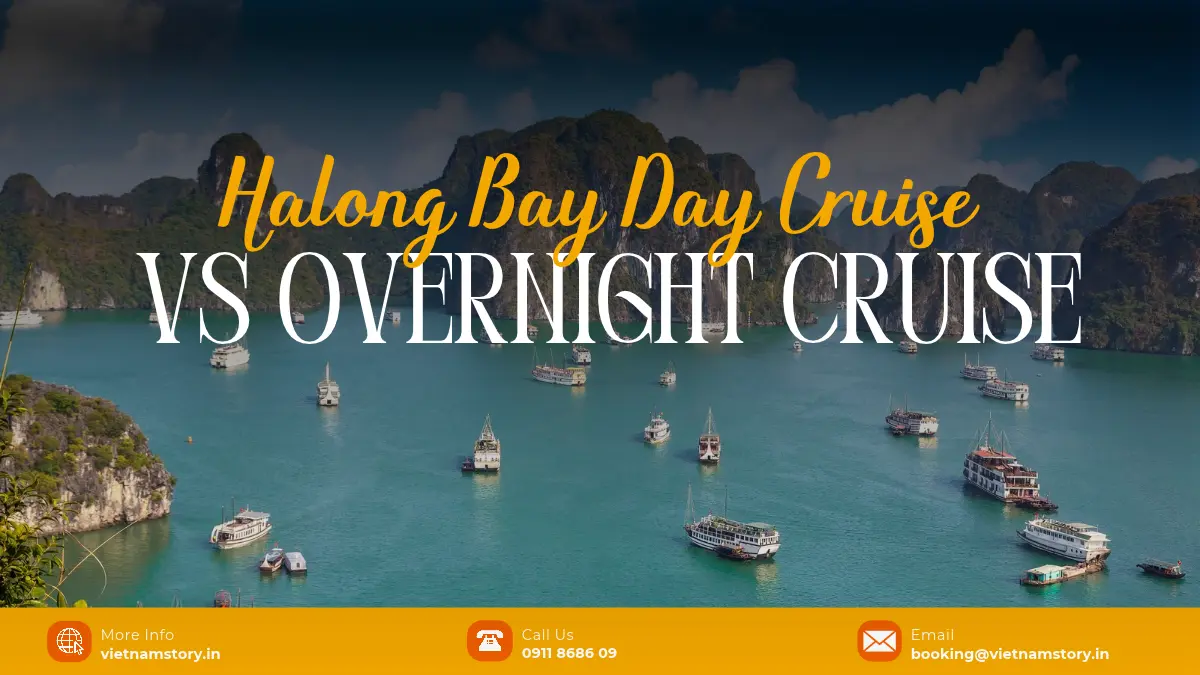
A Ha Long Bay cruise can be part of a family holiday, but a baby or toddler changes which vessel and sailing programme are practical. The exact child’s age, supervision, onboard railings, boarding arrangements, meal needs and where the family will sleep should be checked before treating the cruise as a suitable inclusion in a Vietnam tour.
Policies differ between operators and vessels. We would never assume that every cruise accepts infants, offers correctly sized life jackets or provides a cot simply because a brochure says “family-friendly.”
Are babies and toddlers allowed on Ha Long cruises?
Ask the named cruise operator for the current minimum-age rules, infant fare, occupancy and any limitations for small-boat transfers or excursions. A child may be accepted as a passenger while certain kayaking, swimming or smaller-boat activities are unsuitable or restricted. The written answer matters more than a third-party listing.
Check whether children count toward a cabin’s maximum occupancy and whether a cot or extra bed is available for your date. Our Ha Long cabin selection guide covers the room and deck questions in more detail.
Day cruise or one night onboard with a toddler?
| Choice | What may help | What could be harder |
|---|---|---|
| Shorter day cruise | No overnight cabin routine and an earlier return to land | Daytime boat hours, a potentially busy transfer and nap timing |
| Overnight cruise | A private room to rest and a slower evening onboard | Cabin layout, sleep disruption, meal windows, stairs and access to help overnight |
| Land-based Ha Long hotel | Predictable room and alternative activities | May not provide the on-water experience the family primarily wants |
The right choice is about your child’s routine and the specific vessel, not a universal age recommendation. Compare our day cruise versus overnight guide before deciding.
What should you check at boarding?
Ask how passengers move from the road vehicle to the pier, onto the boat and into the cabin. Are there steps, ramps, narrow gangways or a separate tender? Can one parent carry the child while another manages bags? Who assists with a stroller, and is it permitted or practical on the ship?
Request confirmation of the current life-jacket provision appropriate for the child’s size. A life jacket designed for an adult is not an acceptable substitute for a child-sized one. Follow the vessel crew’s instructions at all times and supervise children closely near water and deck edges.
Cabin questions are not only about bed size
- Is there enough clear floor area for a cot if one is available?
- Can the parents safely supervise the child near balcony doors or railings?
- How many steps separate the room from the restaurant or main deck?
- Is there a private bathroom and suitable access to hot water?
- Can the family remain in the cabin if a scheduled outing is unsuitable?
- What time are meals and morning activities scheduled?
Do not infer any specific safety fitting from cruise star ratings. Ask about the exact booked room.
Feeding, naps and familiar food
Explain the child’s current feeding needs to the cruise operator in advance. Ask whether the galley can provide a simple meal and whether milk, formula, packaged food or baby food can be brought according to the vessel’s policy. Confirm refrigeration or warming only where the provider says it is available.
Adult vegetarian, Jain or allergy requests should be discussed separately; those kitchen arrangements cannot be assumed to cover a child’s feeding plan. The Indian food on Ha Long cruises guide explains what to verify with the galley.
What if the child feels unwell or the weather changes?
Ask who to contact onboard, what medical assistance the vessel can actually provide and how the operator handles urgent return or a cancelled sailing. If your child has a health condition or special care requirement, seek advice from their usual clinician before travel. Do not rely on the vessel as a substitute for appropriate medical support.
Parents who experience motion sickness should also read our Ha Long seasickness planning guide. The CDC’s motion-sickness guidance notes that medicines for children require particular caution; ask a healthcare professional instead of self-prescribing.
How much of the North Vietnam itinerary should the cruise take?
Do not follow an early international flight with a long road transfer and an ambitious first cruise day just to save time. Families may be more comfortable with a Hanoi rest night before the bay, or with an adjusted land-based programme. Use our Vietnam with a toddler guide and North Vietnam route planner before finalising the schedule.
Eight questions to send the cruise operator
- Does the vessel accept the child’s exact age and what fare applies?
- What cabin occupancy and cot/bed options are confirmed?
- Does the vessel have a correctly sized child life jacket?
- How does boarding work, including any tender boats?
- Which activities can the child join and which should be skipped?
- Can the galley meet the stated feeding needs?
- What medical and weather-related procedures apply?
- What is included in the final cruise quotation?
Plan the family cruise with Vietnam Story
Send us the child’s age, the family’s sleeping arrangements, travel dates, food requirements and the level of activity you want. Vietnam Story can compare suitable cruise options within the Vietnam tour package collection or recommend a route with a different Ha Long experience if the vessel cannot confirm essential requirements. No infant facility, private transfer, specialist meal or ship activity is guaranteed until it is documented in the written booking.
FAQs
Is a large cruise automatically better for a toddler?
No. The named vessel’s rules, boarding, cabin design and crew procedures matter more than a general size or rating label.
Can parents skip kayaking without missing the whole cruise?
Often this is possible, but confirm whether a family member can remain on board and what supervision arrangement the operator allows.
Should we bring a stroller?
Ask the ship whether it can be stored and used safely. A baby carrier or other arrangement may be more practical on some routes, but the decision depends on the boarding layout and your child’s needs.