
Traditionally, people thought of Ha Long Bay only for cruises. However, the trend has shifted toward the “vertical adventure.” A Halong hike has evolved from simple scenic walks into a series of “Peak-to-Panorama” experiences. Unlike the long-distance treks of Sapa, hiking here focuses on short, intense vertical climbs that reward you with the archipelago’s most iconic 360° views. At Vietnam Story, we’ve curated these trails specifically for our Indian guests, ensuring you hit the summits during the “Golden Hours” for photography while avoiding the midday tropical heat. To see how we integrate these adventures into a luxury stay, we invite you to explore our Halong Bay Cruise options, which serve as the perfect base camp for your trekking ambitions. In this guide, we will share the most up-to-date and exciting trails for your journey, ensuring your Halong hike is safe, culturally rich, and visually spectacular.

Finding the perfect Halong hike near the harbor
A Halong hike doesn’t always require a boat; the city itself offers elevated viewpoints and coastal paths that provide a unique perspective on the urban-maritime interface. For our guests who are staying a night in Bai Chay or Hon Gai before their cruise, these land-based trails are the best way to get your “mountain legs” ready while discovering the history of the local people.
This section explores the “Poem” mountain and coastal paths accessible from the city. These hikes answer the need for quick, accessible panoramic views and cultural immersion, proving that a Halong hike can start the moment you step out of your hotel lobby.
The city side of the bay offers three primary trails that vary in difficulty but all provide a high return on investment for your social media feed.
Bai Tho (Poem) Mountain

This is the most famous Halong hike on land. While official access remains in a “transition” phase due to safety upgrades, this moderate-to-steep 30-minute climb is the most sought-after viewpoint in the city. You reach the summit to see the 15th-century poem carved into the rock by King Le Thanh Tong. It offers a complete 360° view of the city, the bridges, and the limestone forest. For our Indian guests, standing where a King once wrote poetry feels very familiar to the historical grandeur of the forts in Rajasthan.
Ba Hang Coastal Trail
This is a 2.5km easy coastal path connecting the mainland to the “living museum” of the Ba Hang Fishing Village. This trail now serves as a cultural corridor where you can witness the daily rhythm of the village families who have relocated to the mainland but return daily to maintain their floating heritage. It is less of a climb and more of a cultural walk, perfect for multi-generational families.
Sung Sot (Surprise) Cave approach
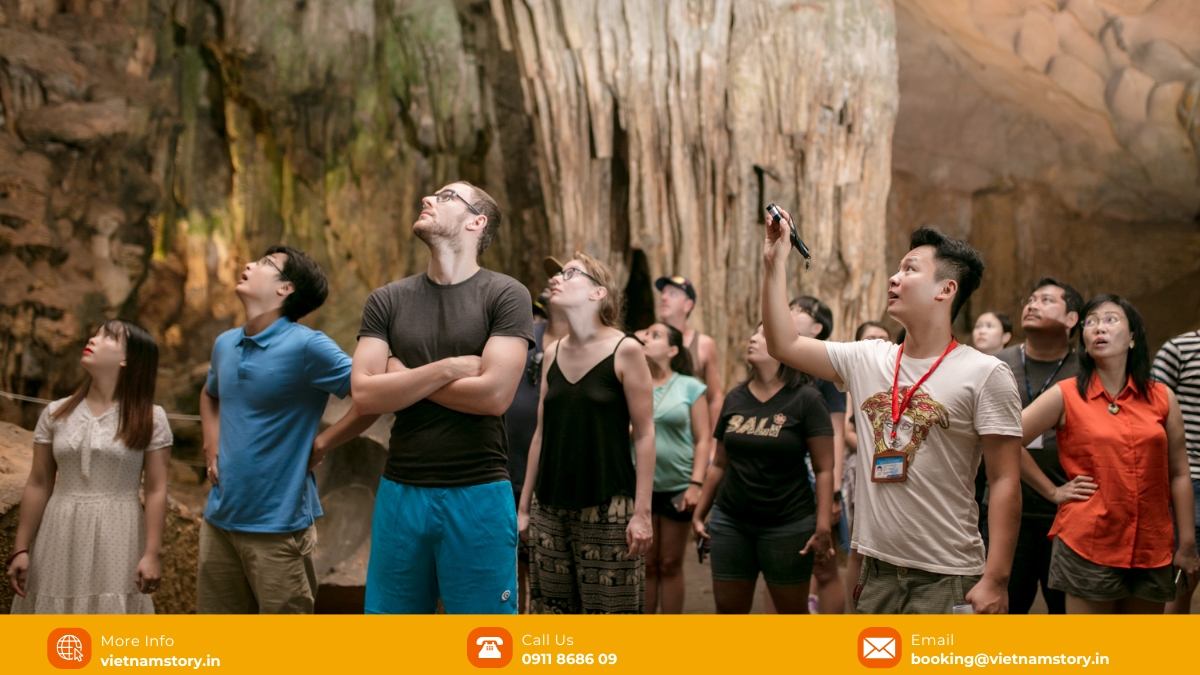
While everyone visits the cave, the approach itself is a scenic stone path that qualifies as a light Halong hike. It leads to the entrance of the bay’s largest cave, providing a stunning elevated frame of the Bo Hon Island area. It’s an excellent “warm-up” trek before you enter the subterranean wonders.
The most challenging and rewarding Halong Hike adventures
Island summits represent the most intense version of a hike, often consisting of steep vertical climbs over limestone stairs or raw karst rocks. These island trails are usually included in cruise itineraries, but knowing which one to pick can change your entire photography game and the level of physical exertion you face.
This section details the vertical challenges found on the islands of Ti Top, Monkey Island, and Me Cung. These summits provide the definitive answer to where you can get the best “birds-eye” view of the 1,969 islands, though they require different levels of footwear and fitness.
To help you choose the right island for your trek, I have prepared a comparison of the most popular island trails available:
| Island | Trail type | Effort level | Unique feature |
| Ti Top Island | Paved Staircase (450+ steps) | Moderate | Sunset “Glow Hour” access; crowded but iconic. |
| Monkey Island | Limestone Scramble | Strenuous | 360° intersection view of Lan Ha & Ha Long Bay. |
| Me Cung Cave | Winding Stone Path | Easy-Moderate | Leads to a “Secret Garden” valley overlook. |
Ti Top Island trail
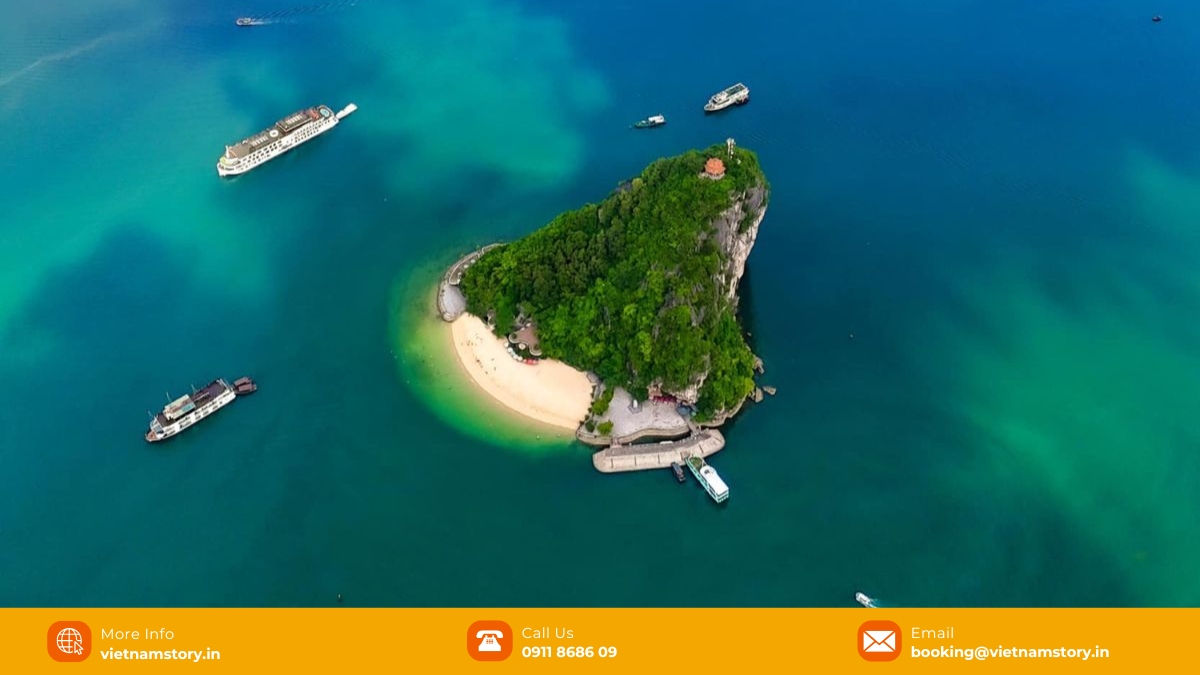
This is the most popular Halong hike. A well-paved staircase of 450+ steps takes you approximately 110m high. Vietnam Story Tip: Because this spot is busy, we recommend hiking at 4:30 PM. This allows you to catch the sunset light hitting the limestone towers, then you can head down to cool off with a swim at the crescent beach below.
Monkey Island (Cat Dua) summit
Located in Lan Ha Bay, this is much more rugged than Ti Top. This is a natural limestone scramble (15–20 minutes) over sharp “Cat’s Ear” rocks. This is the best spot to photograph the intersection of the Lan Ha and Ha Long UNESCO zones.
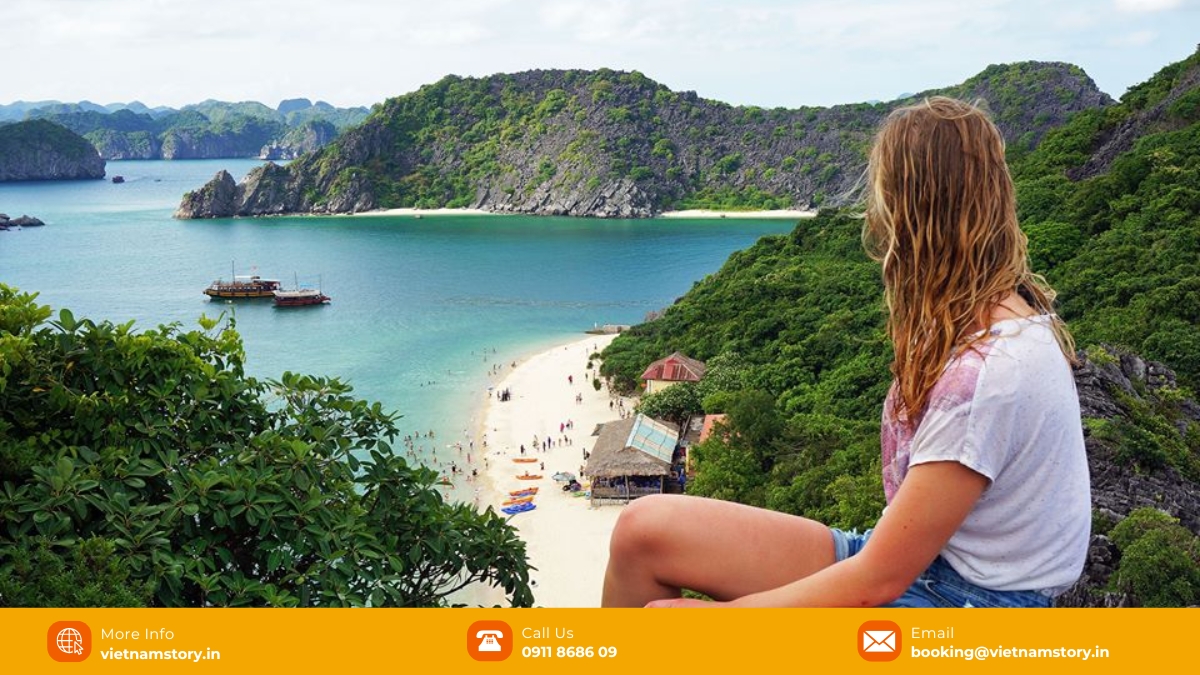
Note: Proper sneakers are mandatory for this Halong hike; flip-flops are prohibited for safety due to the sharp rocks.
Jungle treks and National park extensions
If you are looking for a longer, more immersive Halong hike, the surrounding national parks offer multi-kilometer treks through ancient forests. These “Green-to-Blue” transitions allow you to see the biodiversity of the region—from rare poison-detecting trees to hidden freshwater lakes – providing a lush contrast to the gray limestone of the bay.
This section explores the deeper treks in Cat Ba National Park and Bai Tu Long. These hikes are for travelers who want to spend 2-4 hours in nature, offering a quieter, more eco-focused alternative to the busy island summits. For the true adventurer, these three regional extensions represent the pinnacle of trekking in Northern Vietnam’s coastal region.
Cat Ba National Park (Ngu Lam Peak)
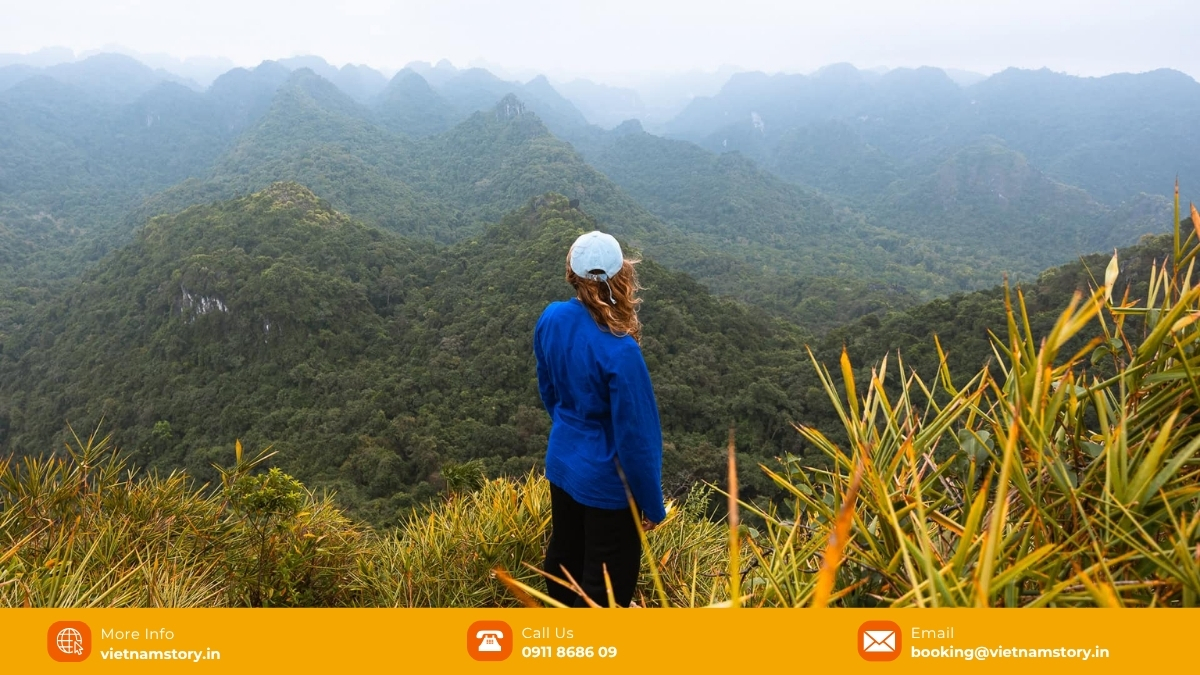
This is a 1.5km (1-hour) moderate trek through the Kim Giao forest. This forest is home to rare trees once used to make “poison-detecting” chopsticks for Vietnamese royalty—a story our Indian guests always find fascinating! The observation tower at the peak reveals a “sea of green” mountains that mirrors the limestone karsts in the water. The extended route now includes a 6km path to Frog Pond (Ao Ech), the largest freshwater lake in the park.
Tuan Chau eco-trail
For families staying near the marina, this is an easy forest and cultural loop on Tuan Chau Island. It is a light nature walk that doesn’t require a boat trip, making it an easy addition to your morning before your cruise departs.
Bai Tu Long National Park
If you want to avoid the crowds, head to Bai Tu Long for a Halong hike. These forested paths often lead to waterfalls and offer a chance to spot the rare Cat Ba Langur. It remains the “Quiet Zone” of the region, perfect for those seeking meditative silence.
Why is your Halong hike tailored for Indian comfort?
At Vietnam Story, we know that an Indian traveler’s version of a Halong hike includes more than just steps, it’s about the right food, the right photos, and the right pace. We have spent years refining our hiking tours to ensure they meet the specific cultural and physical needs of our brothers and sisters from the subcontinent.
We have adapted the Halong hike experience by integrating “Bollywood” photography spots, specialized hydration like coconut water and Nimbu Pani, and spiritual pilgrimage extensions to Yen Tu Mountain. This ensures that the trek is not just a workout, but a cultural and spiritual journey.
Here are the three pillars of our specialized Indian hiking service for the season:
- The “Bollywood” Frame: Our guides are trained to find the exact angles at Monkey Island and Bai Tho Mountain that have been used in the latest cinematic productions. We know you want that grand, sweeping shot, and we know exactly where to stand to get it.
- Hike-to-hydration: Humidity in the bay can be intense. We provide chilled Coconut Water or Nimbu Pani (Indian-style lemonade) at the base of every hike. Recovering with a familiar, refreshing drink makes the descent much more enjoyable.
- Spiritual highs: For many of our guests, a Halong hike is a form of pilgrimage. At nearby Yen Tu Mountain (a day-trip from Ha Long), we arrange guided hikes up 6,000 stone steps to the Bronze Pagoda. This blends fitness with the spiritual heritage of Zen Buddhism, resonating deeply with Indian traditions of mountain worship.
Safety and timing for your hike
Success in any Halong hike depends on the weather and preparation, especially where new digital regulations and seasonal shifts dictate the best times to hit the trail. The limestone rocks of the bay are beautiful but can be unforgiving if you are not prepared.
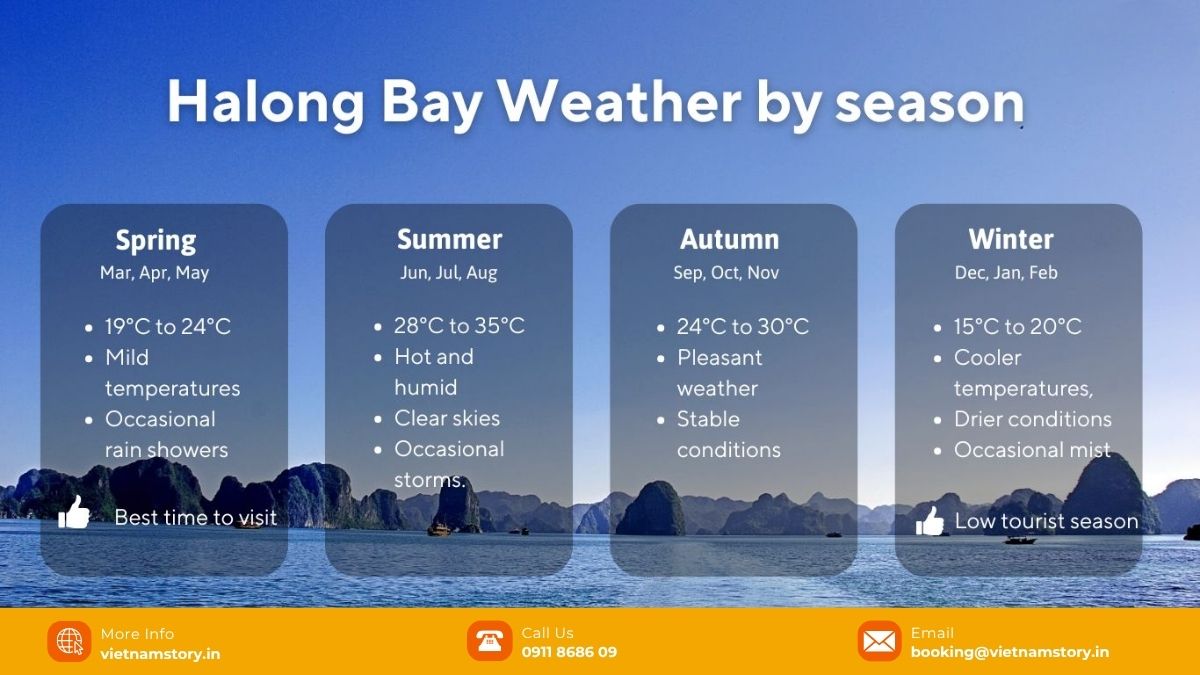
This final section provides the logistical “must-knows”, including the best months to hike, how to handle the winter mist, and the mandatory gear requirements for different trails. It answers the crucial question of how to stay safe while maximizing your enjoyment of the vertical bay. To ensure your safety and comfort, please follow these guidelines for every Halong hike you attempt:
- Optimal season: October to April is the dry and cool season. This is the best time for any Halong hike as the risk of rain is low and the temperatures are pleasant.
- The “mist” factor: In January and February, morning mist makes rocks extremely slippery. We advise starting your hikes after 10:00 AM once the sun has had a chance to dry the limestone surfaces.
- Marathon lert: The Ha Long Bay Heritage Marathon (Mid-November) features routes along the coastal highway. If you are planning a land-based Halong hike during this time, check for local road closures.
- Gear check:
- Shoes: Sturdy sneakers with good grip are essential. For the Monkey Island scramble, hiking boots are even better.
- Drones: While you might want that aerial shot, drones are strictly prohibited in the National Park zones without special permits.
Conclusion
A Halong hike is the perfect way to transform a standard sightseeing trip into a personal journey of discovery. Whether you are standing on the “Poem” mountain reflecting on history, or scrambling over the sharp rocks of Monkey Island for that perfect photo, these vertical experiences provide a perspective of Vietnam that you simply cannot get from the water.
At Vietnam Story, we are ready to guide you to these peaks. We handle the logistics, the hydration, and the “Bollywood” angles so that you can focus on the breath-taking view!
Top Halong Bay Tours You’ll Love


Vietnam Highlights 7 Days: From Hanoi to Phu Quoc
Hanoi - Halong bay - Da Nang - Hoi an ancient town - Phu Quoc


8 Days Vietnam Journey: Culture, Heritage & Natural Wonders



Hanoi - Halong - Sung Sot - Titop - Luon Cave - Hanoi


Serenity Grandeur Cat ba cruise
Lan Ha Bay - Cat Ba - Cai Beo Floating Village - Viet Hai Village - Turtle Island - Tai Keo Cave


Hanoi - Lan Ha Bay - Dark And Bright Cave - Hanoi