
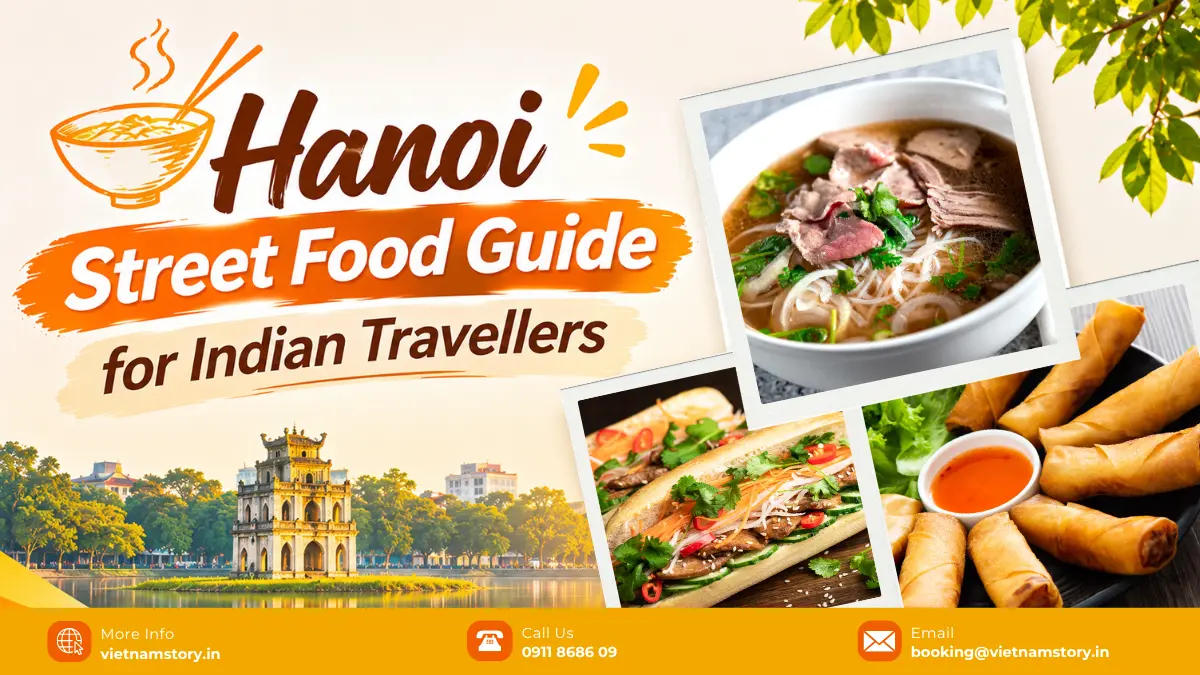
Hanoi street food is one of the most enjoyable ways to discover Vietnam’s capital. From steaming noodle soup to freshly prepared rice dishes and traditional coffee, the city’s food culture is closely connected to everyday life. The best street food in Hanoi to try includes pho, bun cha, banh mi, banh cuon, xoi and egg coffee. The Old Quarter and surrounding Hoan Kiem streets are the easiest starting points for first-time visitors. For Indian travellers, the key is understanding what goes into each dish. Vietnamese food may look vegetarian while containing fish sauce, meat stock or other animal ingredients. At Vietnam Story, we recommend trying a few carefully chosen dishes rather than rushing between famous food stops.
What makes Hanoi street food special?
Hanoi’s food culture revolves around small eateries, family-run kitchens and dishes prepared throughout the day. Northern Vietnamese cooking often highlights rice noodles, aromatic broths, fresh herbs and dipping sauces. Chilli, lime and seasonings may be served separately, allowing you to adjust the flavour.
Unlike a restaurant meal with several courses, street food often focuses on one speciality prepared repeatedly. You might see locals eating pho for breakfast, stopping for noodles at lunchtime or meeting friends over coffee. The experience is as much about Hanoi’s daily rhythm as the food itself.
Best street food in Hanoi: What should you try?
| Dish | What to expect | Vegetarian suitability |
| Pho | Rice noodles in aromatic broth | Confirm vegetarian broth |
| Bun cha | Grilled pork, noodles and dipping sauce | Traditionally not vegetarian |
| Banh mi | Vietnamese baguette with fillings | Depends on filling and sauces |
| Banh cuon | Delicate steamed rice rolls | Check filling and accompaniments |
| Xoi | Sticky rice with sweet or savoury toppings | Depends on toppings |
| Egg coffee | Coffee with whipped egg mixture | Contains egg |
Pho: Hanoi’s famous noodle soup
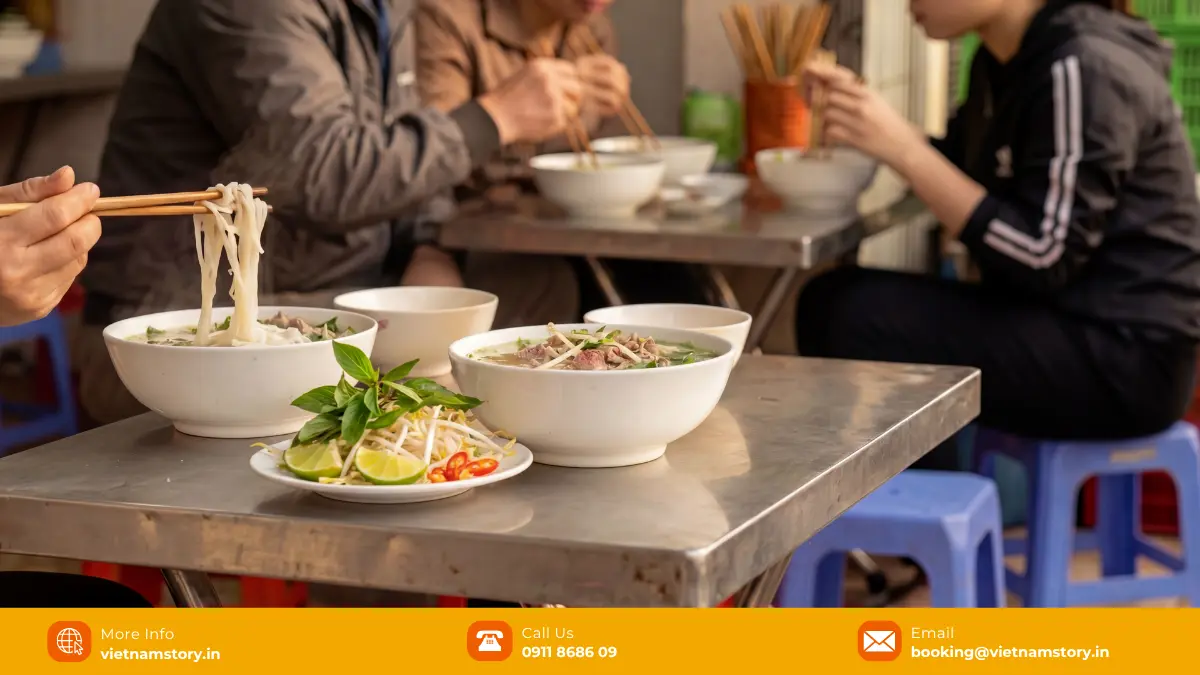
Pho is one of Vietnam’s most recognisable dishes. Traditional Hanoi versions usually feature beef or chicken with rice noodles in a fragrant broth. The flavour is aromatic rather than necessarily spicy, making it approachable for travellers trying Vietnamese cuisine for the first time.
Vegetarians can look for pho chay, but should confirm that the broth, toppings and seasonings contain no unwanted animal ingredients.
Bun Cha: A Hanoi speciality
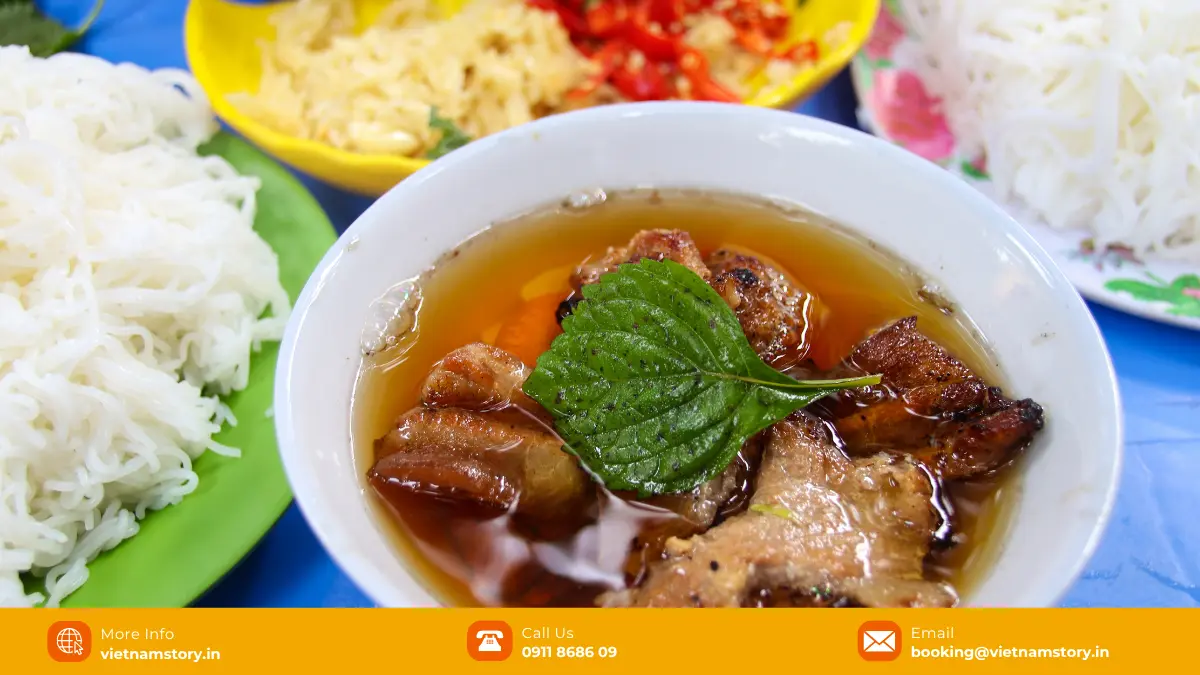
Bun cha combines grilled pork, rice noodles, fresh herbs and a dipping sauce. It is a classic Hanoi dish and an interesting introduction to the city’s balance of smoky, fresh and savoury flavours.
However, traditional bun cha contains pork and is not suitable for vegetarian travellers. If you follow a strict diet, choose another dish rather than assuming the meat can simply be removed.
Banh Mi: A convenient snack
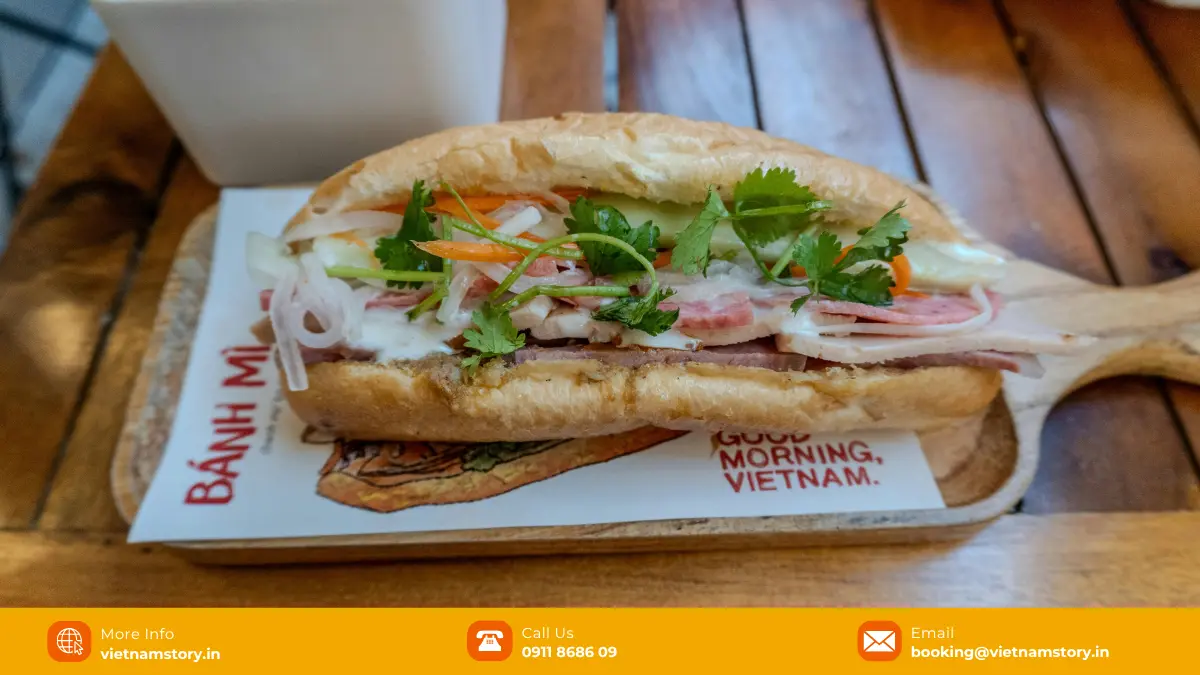
Banh mi is a Vietnamese baguette sandwich with fillings that vary by vendor. You may encounter meat, pâté, vegetables, herbs, eggs or sauces. Vegetarian versions exist, but ask about pâté, fish sauce, mayonnaise and preparation methods.
A suitable banh mi can be convenient between sightseeing stops when you do not want a full meal.
Banh Cuon: Steamed rice rolls
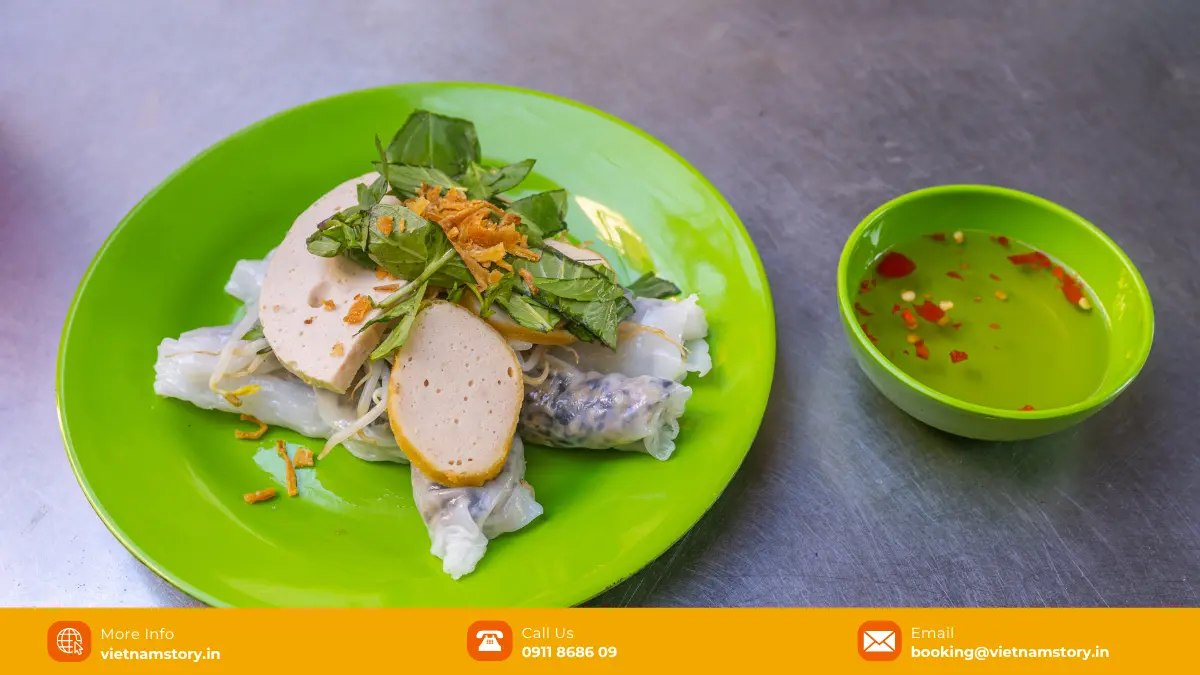
Banh cuon consists of thin steamed rice sheets, commonly filled with minced pork and mushrooms. It is usually served with dipping sauce and may include additional meat-based accompaniments.
Vegetarian versions can be prepared, but confirm the filling, sauce and side dishes before ordering.
Xoi: Vietnamese sticky rice
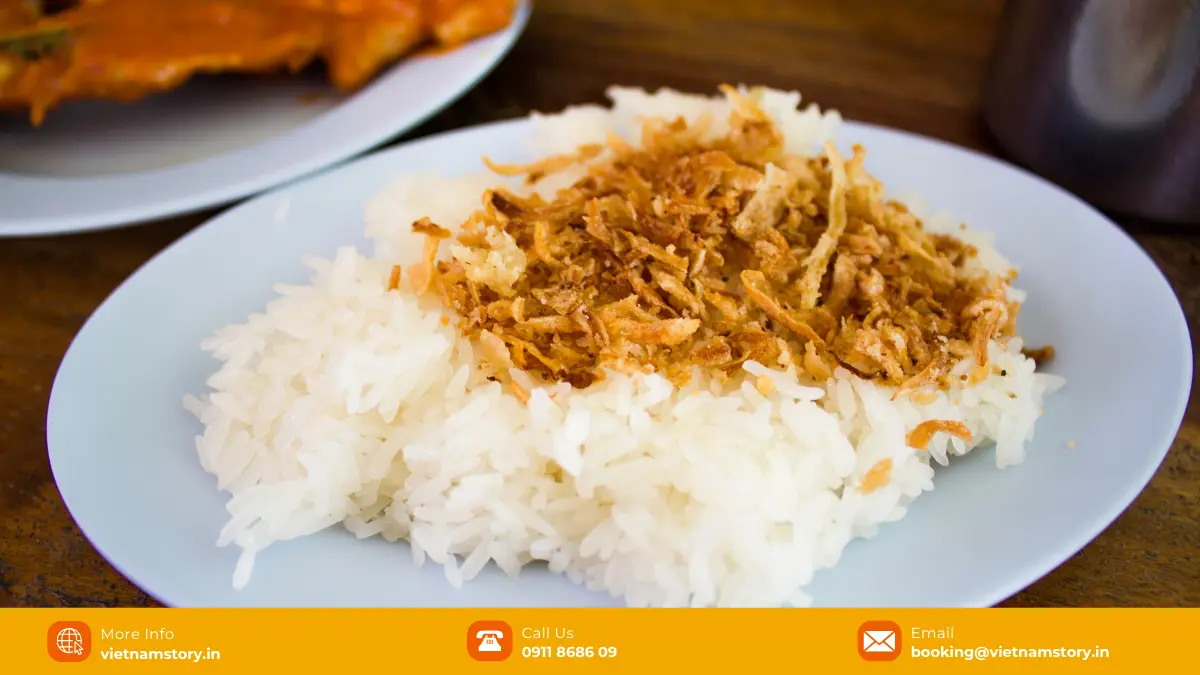
Xoi is a familiar-looking option for travellers who enjoy rice dishes. It can be served with mung beans, coconut, meat, fried shallots or other toppings. Sweet and savoury versions differ considerably.
Check the ingredients carefully, especially if you avoid meat, eggs, onion or other specific foods.
Egg coffee: A Hanoi café experience
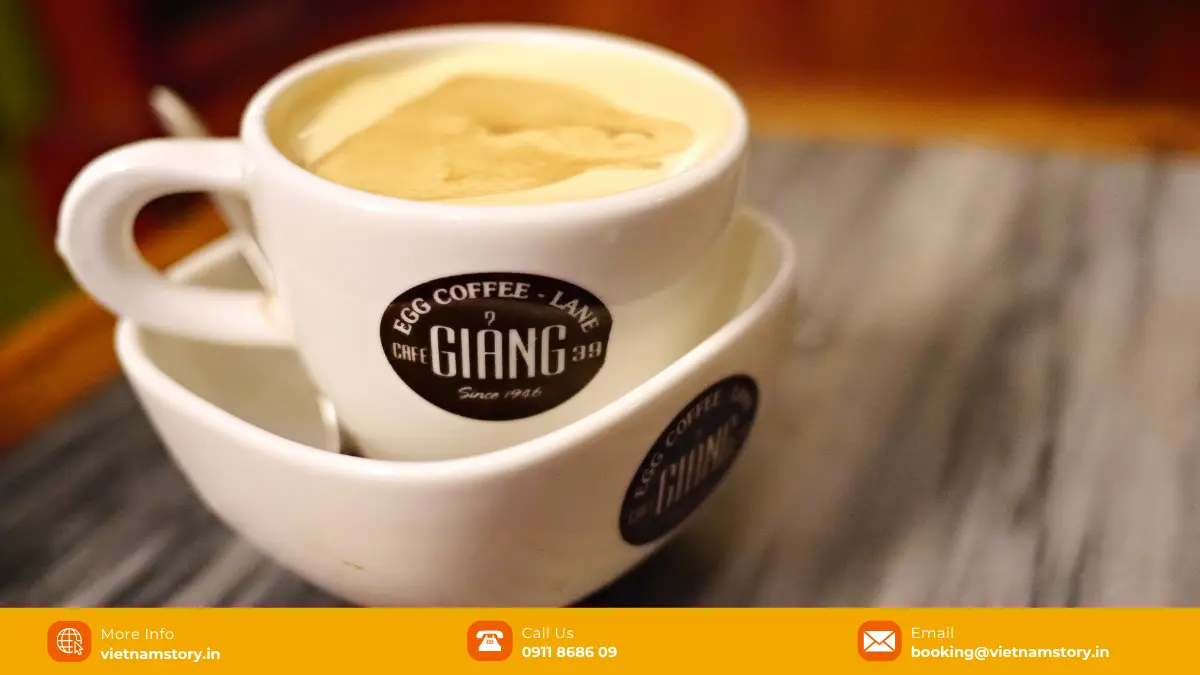
Hanoi is famous for egg coffee, traditionally made with coffee and a creamy whipped egg mixture. It is a distinctive café experience, particularly for travellers interested in local drinks.
However, egg coffee contains egg and is unsuitable for vegans or anyone avoiding eggs. If you prefer a plant-based drink, ask about black coffee or other suitable options.
Where to find street food in Hanoi?
Old Quarter and Hoan Kiem
The Old Quarter is the most convenient starting point for a first street food experience. You can combine small eateries and cafés with shopping, historic streets and a walk around Hoan Kiem Lake.
Around Hang Manh and nearby streets, you can explore Hanoi’s noodle-dining culture. Hang Bong and the surrounding area also offer cafés and casual food options. Individual businesses change, so choose a suitable establishment rather than assuming a particular dish will always be available.
Hang Buom, Ma May and Ta Hien
These streets are useful for experiencing the Old Quarter’s lively dining atmosphere. Hang Buom and Ma May offer opportunities to explore small eateries and cafés, while Ta Hien becomes especially busy in the evening.
If you are travelling with children or prefer quieter surroundings, visit earlier rather than during the busiest evening period.
Dong Xuan Market Area
Dong Xuan Market and nearby streets provide another perspective on Hanoi’s everyday food culture.
This is an active commercial area rather than a purpose-built tourist food court. Allow time to browse, observe food preparation and choose a place where you feel comfortable eating.
Can Indian vegetarians enjoy Hanoi street food?
Yes, but ingredients must be checked carefully. Vietnamese vegetarian cuisine is often described as chay. It may include tofu, mushrooms, vegetables, rice and noodles. However, a dish that appears vegetable-based may still contain fish sauce, shrimp paste or meat broth.
For vegetarian travellers, ask about the entire preparation, not just the main ingredient. For Jain travellers, explain each restriction separately, including onion, garlic, root vegetables and other ingredients you avoid.
A vegetarian dish is not automatically Jain-friendly. Our guide to dietary restrictions in Vietnam for Indians offers practical advice for explaining food requirements clearly. If your dietary rules are strict, a dedicated vegetarian restaurant may be easier than an unfamiliar street stall where ingredients cannot be confirmed.
A simple 2 – 3 hour Hanoi street food walk
You do not need to spend an entire day eating to enjoy Hanoi’s food culture. Here is a flexible route that combines food with sightseeing.
- Stop 1 – Hoan Kiem Lake: Begin with a lakeside walk and choose a nearby café.
- Stop 2 – Hang Bong and Hang Manh: Explore the surrounding streets and stop for a suitable noodle dish or snack.
- Stop 3 – Ma May and Hang Buom: Continue through the Old Quarter, observing local eateries and traditional shopfronts.
- Stop 4 – Ta Hien area: Finish with a café break or an early dinner, depending on your preferences.
The route is a suggested sequence of neighbourhoods, not a guarantee that every dish will be available at each stop. For a wider sightseeing plan, our Hanoi itinerary for 2 or 3 days explains how to combine food experiences with the city’s main attractions. If you want to explore more than the historic centre, our Hanoi travel guide introduces other neighbourhoods and cultural landmarks.
How to choose a street food stall?
A few practical checks can make eating in an unfamiliar city more comfortable. Choose places where food is freshly prepared and served hot. Observe whether utensils and preparation surfaces appear clean and whether ingredients are stored appropriately.
A busy stall may suggest regular demand, but popularity alone does not guarantee food safety. Drink bottled or properly treated water. If you are uncertain about the source or handling of ice, choose a drink without it. If you have food allergies, explain them clearly and avoid dishes when ingredients or cross-contact cannot be confirmed. Carry some Vietnamese dong, as smaller vendors may prefer cash.
Should you stay near Hanoi’s street food areas?
For a short visit, staying around the Old Quarter or Hoan Kiem can make food exploration easier. You can return to your hotel between sightseeing and meals without travelling across the city. However, central streets can be noisy, especially in the evening.
Our guide to where to stay in Hanoi compares the Old Quarter, French Quarter and West Lake so you can choose a location that suits your travel style. If you want familiar meals alongside local food, our Indian food in Vietnam guide explains how to plan dining across different destinations.
FAQs
What is the most famous street food in Hanoi?
Pho and bun cha are among Hanoi’s best-known dishes. Banh mi, banh cuon and xoi are also popular choices.
Is Hanoi street food spicy?
Many traditional Hanoi dishes are relatively mild, with chilli offered separately. However, seasonings vary, so check before ordering.
Can Indian vegetarians eat Hanoi street food?
Yes, provided ingredients and preparation methods are suitable. Vegetarian versions of some dishes exist, but meat broth and fish sauce require particular attention.
Is Hanoi street food safe for tourists?
Many visitors enjoy Hanoi street food, but no establishment is risk-free. Choose freshly prepared food, observe hygiene and avoid ingredients you cannot identify or confirm.
Conclusion
Hanoi’s street food is a memorable introduction to Vietnamese culture, whether you enjoy a bowl of noodles, explore a market or relax in a traditional café. For Indian travellers, the best approach is to stay curious while communicating dietary requirements clearly. If you are planning a longer holiday, compare Vietnam tour packages from India and check whether the itinerary allows time for local food experiences alongside any pre-arranged meals.
At Vietnam Story, we recommend leaving room for a relaxed food walk rather than trying to sample every famous dish in one afternoon. A few thoughtfully chosen meals can tell you more about Hanoi than a long checklist of places to eat.