Descending into the Muong Hoa Valley is like entering a living masterpiece of agricultural engineering. For our Indian travelers, this valley offers a rare blend of cultural depth and cinematic scenery that is far more expansive and intimate than the more commercialized Cat Cat Village. At Vietnamstory, we recommend Muong Hoa as the “soul” of any Sapa itinerary – a place where you can walk through Guinness-recognized rice terraces and witness the ancient traditions of the Black Hmong, Giay, and Red Dao people in their most authentic form.
The lay of the land: Its location and access options
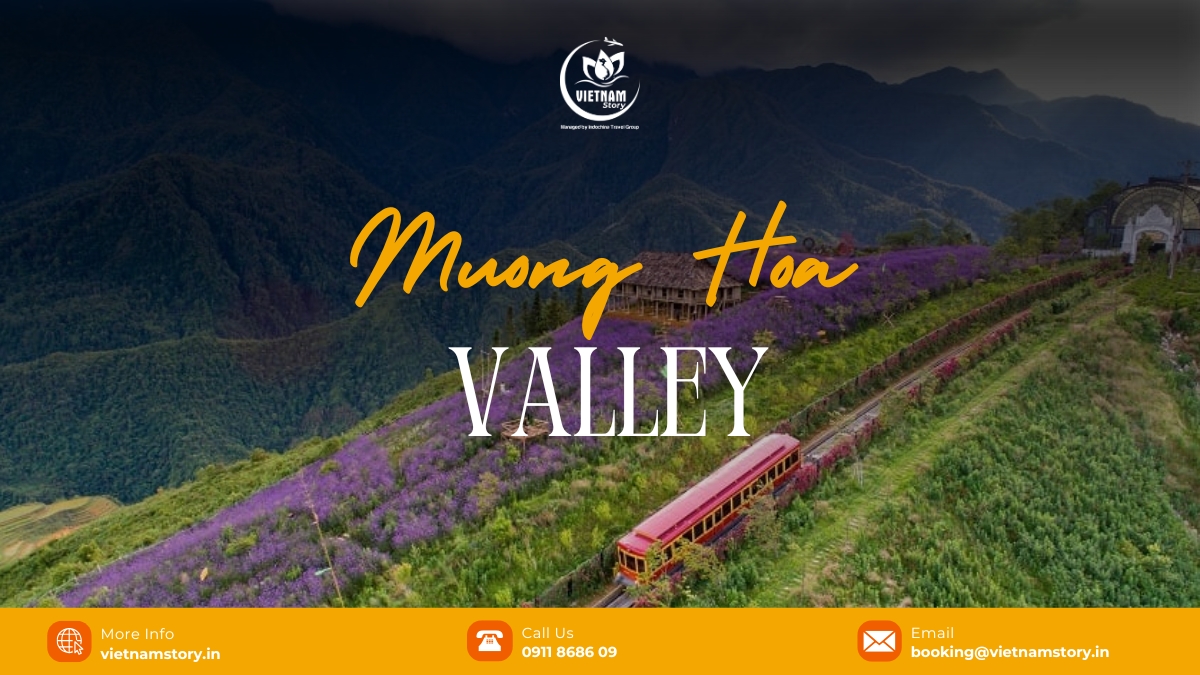
The Muong Hoa Valley is a vast and stunningly beautiful landscape, cradled between two majestic mountain ranges. Its convenient proximity to Sapa town makes it very accessible for a day of incredible exploration.
The Muong Hoa Valley is a 15km-long valley that stretches to the southeast from Sapa town. It follows the path of the beautiful Hoa Stream (which means “Flower Stream”) and is nestled between two parallel mountain ranges of the mighty Hoang Lien Son. The start of the main trekking route is located approximately 8–10 km from the Sapa town center.
Your transport options:
- The classic trek: This is the most popular and rewarding way to experience the valley. It is a beautiful 10 – 15km route that takes you on a gentle, mostly downhill path from Sapa, through the villages of Y Linh Ho, Lao Chai, and Ta Van. The trek usually takes about 4 – 6 hours.
- The Muong Hoa mountain train: For a “no-trek” luxury experience with incredible aerial views, you can take this charming, 6-minute funicular ride. It departs from the Sun Plaza in Sapa town and costs about 200,000 VND for a round trip.
- Private Car/Motorbike: The valley is also accessible via the main highway. Hiring a pillion motorbike (where you ride as a passenger behind a local driver) is one of the best ways to navigate the narrower village paths and costs only about 100,000 VND.
Entrance fees and practical trekking details
To help maintain the beauty and infrastructure of this heritage area, there is a small entrance fee to the valley. Here is what you need to know before you start your trek.
The entrance ticket
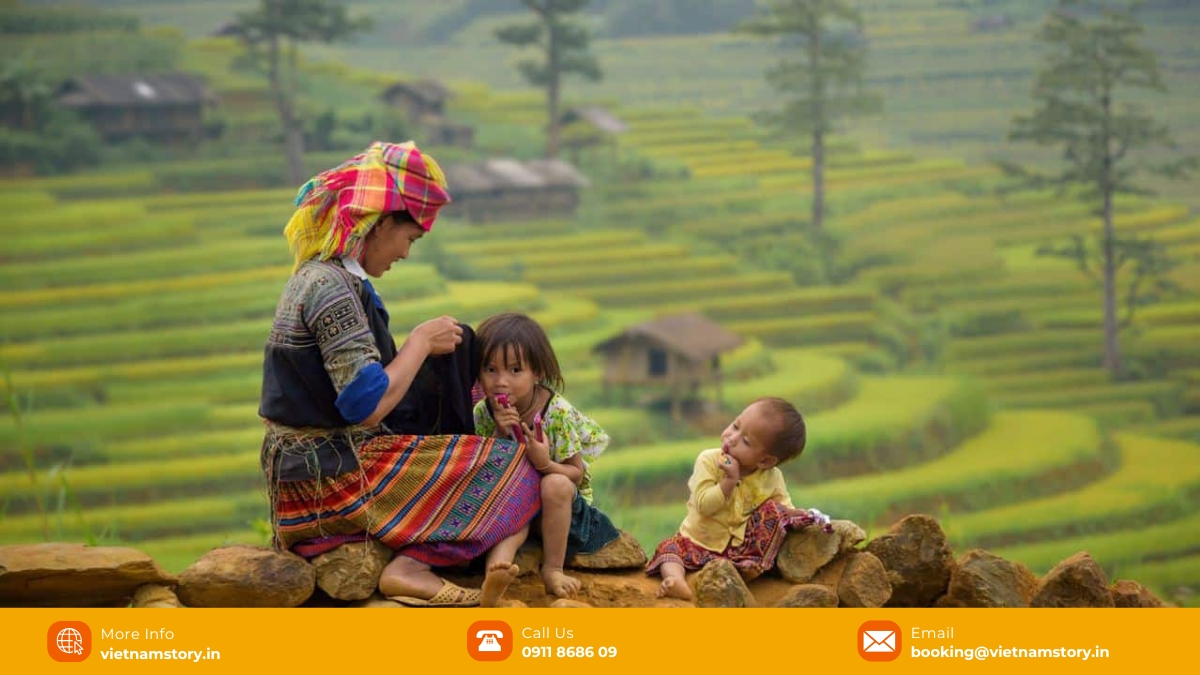
- Adults: 150,000 VND (which is approximately ₹520)
- Children: 100,000 VND
- Payment is typically made at a small checkpoint on the main road (TL152) as you enter the valley.
The difficulty of the trek
The trek is considered to be of moderate difficulty. Most of the paths are either downhill or flat, making it very enjoyable. However, it is very important to know that the paths can become extremely muddy and slippery, especially during the rainy season of 2026. Sturdy trekking boots with a good grip are non-negotiable for your safety and comfort.
A guided and a solo trek
While it is possible to do an independent trek using an offline map app, Vietnamstory.in highly recommends you hire a local Hmong guide. A local guide will not only be able to take you on the beautiful, “hidden” ridge trails that are not on the main path, but they will also provide you with the invaluable cultural context and stories of the villages you pass through.
READ MORE: The Best Views and Landscapes in Sapa
The best times to visit and the prime photography spots
Best time to visit Muong Hoa Valley
The Muong Hoa Valley is a living canvas that dramatically changes its colors with the seasons. Choosing the right time to visit will determine the kind of breathtaking beauty you will witness.
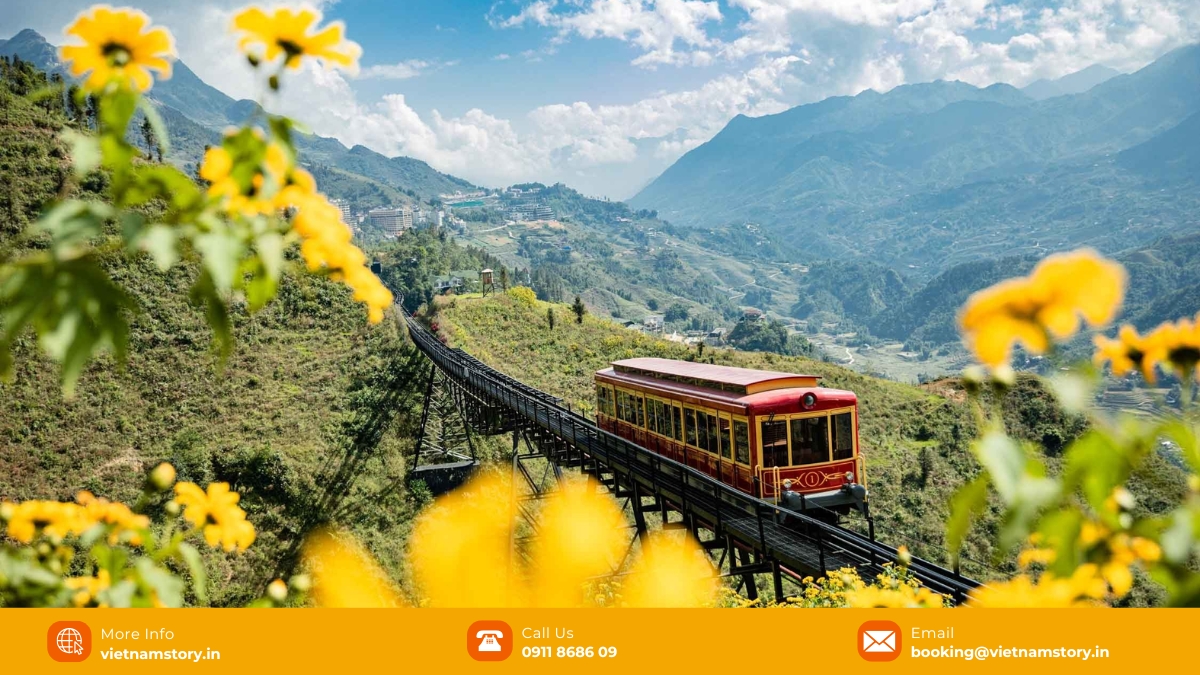
- The golden harvest (September – October): This is the peak and most famous season. The entire valley transforms into a cascading river of brilliant, golden yellow as the rice terraces become ripe for harvest. For the most stunning photos, we recommend you visit in the first half of September. This is when the fields are at their fullest and most golden, just before the harvest begins.
- The “Mirror” season (April – May): This is the “Water Falling” season. The local farmers will flood the terraces with water, and they will perfectly reflect the blue sky and the white clouds like thousands of giant, silver mirrors. It is an incredibly surreal and beautiful sight.
- The lush emerald season (June – August): This is when the rice is at its most vibrant and green. While this coincides with our rainy season, the landscapes are at their most lush and powerful.
Your top photo opportunities in the valley
- The Hau Thao viewpoint: This is the highest point in the valley and offers the most stunning, sweeping panoramic view of the entire landscape.
- The Lao Chai suspension bridge: This is the perfect spot for taking fun, “action” shots as you cross the rushing Hoa Stream.
- The hilltops of Ta Van village: This is the best spot for beautiful sunset shots, as the golden light hits the traditional stilt houses of the village.
READ MORE: The Best Time to Visit Sapa in 2026
The cultural highlights and the ancient mysteries of the valley
The Muong Hoa Valley is not just a place of natural beauty, it is a cradle of ancient culture and history. From mysterious, ancient rocks to vibrant, living villages, the valley is a cultural treasure trove.
The Sapa ancient rock field (Bai Da Co)
This is a fascinating, 8 sq. km archaeological site that features around 200 giant stones covered in mysterious, 2,000-year-old petroglyphs. Your guide will help you find the “Father Stone” and the “Mother Stone,” which are etched with ancient images of humans, stilt houses, and solar symbols that still baffle our scientists to this day.
A beautiful mosaic of villages
- Lao Chai: This is the main domain of the Black Hmong people. It is famous for its traditional indigo dyeing and hemp textile workshops.
- Ta Van: This beautiful village is home to the Giay people and is known for its charming stilt houses and the famous “Cloud Bridge” (Cau May).
- Giang Ta Chai: To reach this village of the Red Dao people, you must pass through a beautiful bamboo forest. It features a hidden waterfall and is home to traditional silver jewelry smiths.
Vietnamstory signature experience for you
At Vietnamstory, we are experts at ensuring our guests from cities like Delhi, Mumbai, and Bangalore have a comfortable, safe, and culturally seamless visit. Here is how we tailor the Muong Hoa Valley experience for you.
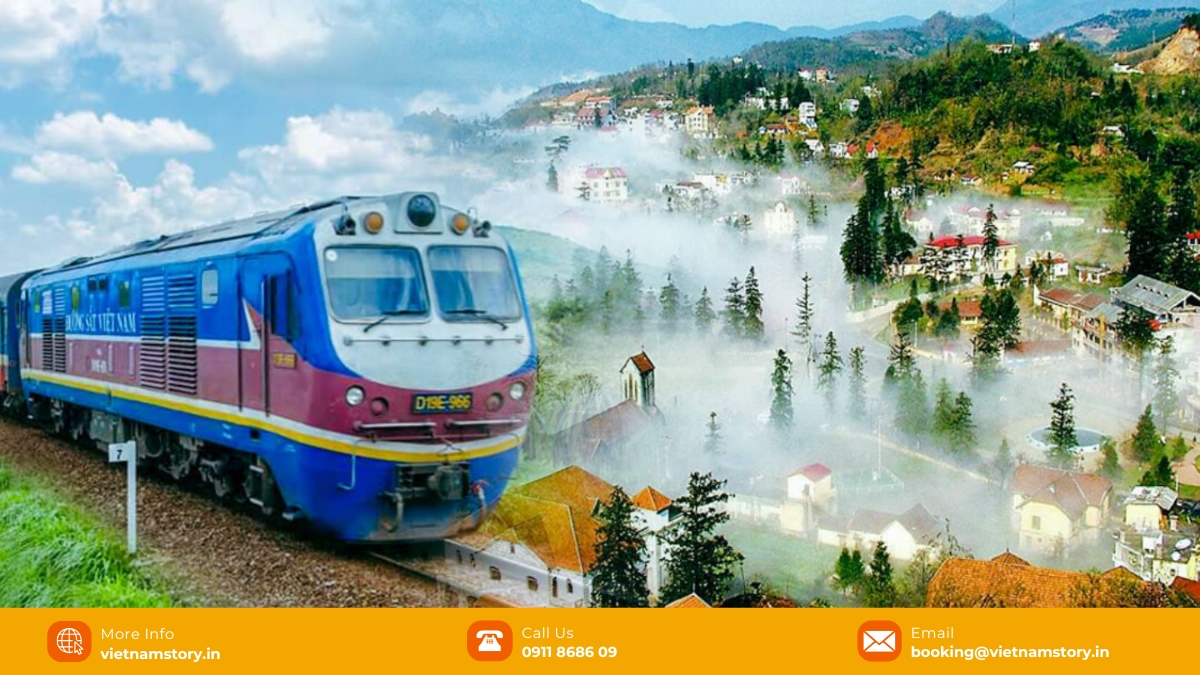
- Saree-friendly trekking and photoshoots: We understand you want that perfect photo in your beautiful traditional attire. We suggest you wear comfortable trekking gear for the actual hike and carry your saree or kurta in a dry bag. We will then arrange for a private and clean “changing suite” at one of our premium riverside cafes in Ta Van Village for you to change for your perfect rice terrace photoshoot.
- Reliable vegetarian and Jain options: We have built strong partnerships with the best homestays in the valley that truly understand Indian dietary needs. We can arrange for delicious, farm-to-table organic vegetable stir-fries and local tofu dishes, seasoned with fresh mountain herbs, all prepared to your specifications.
- The “no-follow” guarantee: To ensure you have a peaceful and uninterrupted trek, our expert guides will use private, “back-door” trails through the Hau Thao ridge. This helps to avoid the persistence of “trekking companions” who are trying to sell souvenirs.
- The best boutique homestays: For 2026, we exclusively book our guests into beautiful “Eco-Stays” that provide all the comforts you need, including Western-style bedding, heated blankets (which are crucial for the winter), and private, en-suite bathrooms.
For our cherished Indian travelers who want to experience the very best of Sapa without any of the planning stress, our “Sapa: Cat Cat Village & Fansipan Peak Discovery (2 Days/1 Night)“ tour is the perfect solution. We have carefully crafted this journey to be the ultimate blend of culture and breathtaking nature. We will handle everything for you, from your comfortable, modern limousine van transfer from Hanoi to your stay in a beautiful Sapa hotel. On this tour, you will take a guided journey through the stunning Cat Cat Village to connect with the local Hmong culture, and then ascend to the “Roof of Indochina” to witness the spiritual grandeur of the Fansipan Peak. It is a perfectly paced adventure that allows you to see all the highlights with the comfort and expert guidance that Vietnam Story is famous for.
Conclusion
While the town of Sapa offers comfort and convenience, it is in the Muong Hoa Valley that you will find the authentic, beating heart of this incredible region. It is the place where the landscapes are at their most grand, where the cultural traditions are at their most vibrant, and where your connection to the land and its people feels the most real. A trek through this valley is not just a walk through beautiful scenery; it is a journey into the very soul of the Hmong, Giay, and Dao heritage.
Your travel story deserves to be a masterpiece. Allow Vietnamstory to be your guide. We specialize in crafting seamless Tour Packages from India that immerse you in the most beautiful and authentic stories our country has to offer. Reach out to us, and let’s start writing your incredible Muong Hoa Valley story together.