Da Nang combines beaches, riverfront landmarks, cultural sites and easy day trips. The useful question is not how many attractions you can collect, but which experiences fit the time and energy you actually have.
- Short city windowBeach, riverfront, market or one nearby cultural stop.
- Half-day blockMarble Mountains or Son Tra works better when it has breathing room.
- Full-day priorityBa Na Hills, Hoi An, My Son or Hue should shape the day rather than be squeezed into it.
For a first visit, separate quick city stops from half-day outings and true full-day trips. That keeps My Khe or the Han River from competing with Ba Na Hills, Hoi An or Hue on the same schedule.
| Time available | Good starting choices | Planning note |
|---|---|---|
| 1–2 hours | My Khe Beach, Han River, Dragon Bridge, a market or café stop | Easy to fit around another city activity |
| Half day | Marble Mountains, Son Tra Peninsula or Cham Museum + city time | Allow for walking, heat and road time |
| Most of a day | Ba Na Hills, Hoi An, My Son or Hai Van Pass | Treat these as the main plan rather than an add-on |
Which cultural stops deserve a half day?
Marble Mountains, Linh Ung Pagoda and the Cham Museum offer three different kinds of cultural context: active Buddhist sites, cave-and-pagoda landscapes and Champa history. You do not need to rush through all three in one block; choose according to your interest and the amount of walking your group is comfortable with.
Marble Mountains

Marble Mountains is a cluster of limestone and marble hills south of central Da Nang. The visit combines caves, pagodas, viewpoints and stone-carving heritage, so allow more time than the map distance alone suggests. Highlights:
- Caves and pagodas: Thuy Son contains pagodas and cave spaces including Huyen Khong Cave. Expect stairs, uneven surfaces and time spent moving between levels rather than a quick roadside photo stop.
- Am Phu Cave: This cave uses Buddhist imagery of heaven, judgement and the underworld. It is darker and more symbolic than the viewpoint sections, so include it when that religious narrative interests your group rather than because it is another cave on the ticket.
- Non Nuoc Stone Carving Village: The craft area sits at the foot of Marble Mountains. Add it when you want to understand the local stone-carving tradition or shop for stonework; skip it if the group is already tired from the caves and steps.
Son Tra Peninsula and Linh Ung Pagoda
- Lady Buddha: The 67-metre Quan Am statue is the visual anchor of Linh Ung Pagoda. The site is active and spiritual as well as scenic, so allow time to walk the grounds rather than treating the statue as a quick photo stop.
- Linh Ung Pagoda: The complex gives you both a religious site and a wide coastal viewpoint. We would come for the pagoda first, then use the terraces for the city and My Khe views rather than treating it only as a lookout.
- Nature and wildlife: Son Tra is also habitat for the endangered red-shanked douc langur. Wildlife sightings are never guaranteed, and the peninsula works best when you leave enough time for the road, viewpoints and site rules.
If Linh Ung is one of the reasons you are going to Son Tra, our Linh Ung Pagoda guide covers the site itself, including how to visit respectfully and how it fits a peninsula outing.
The Museum of Cham Sculpture

The Cham Museum is most useful when you want historical context before or after My Son. Its sculpture collection makes the Hindu and Champa layers of Central Vietnam easier to read, especially if temple ruins feel abstract without a little background. You can visit it independently, but give yourself time to read the object labels rather than rushing through for photographs.
What needs a full day — and what fits an evening?
Da Nang’s modern side is easiest to experience around the Han River and through larger attractions such as Ba Na Hills. The key planning difference is time: Dragon Bridge fits into an evening, while Ba Na Hills usually deserves most of a day.
Ba Na Hills and the Golden Bridge
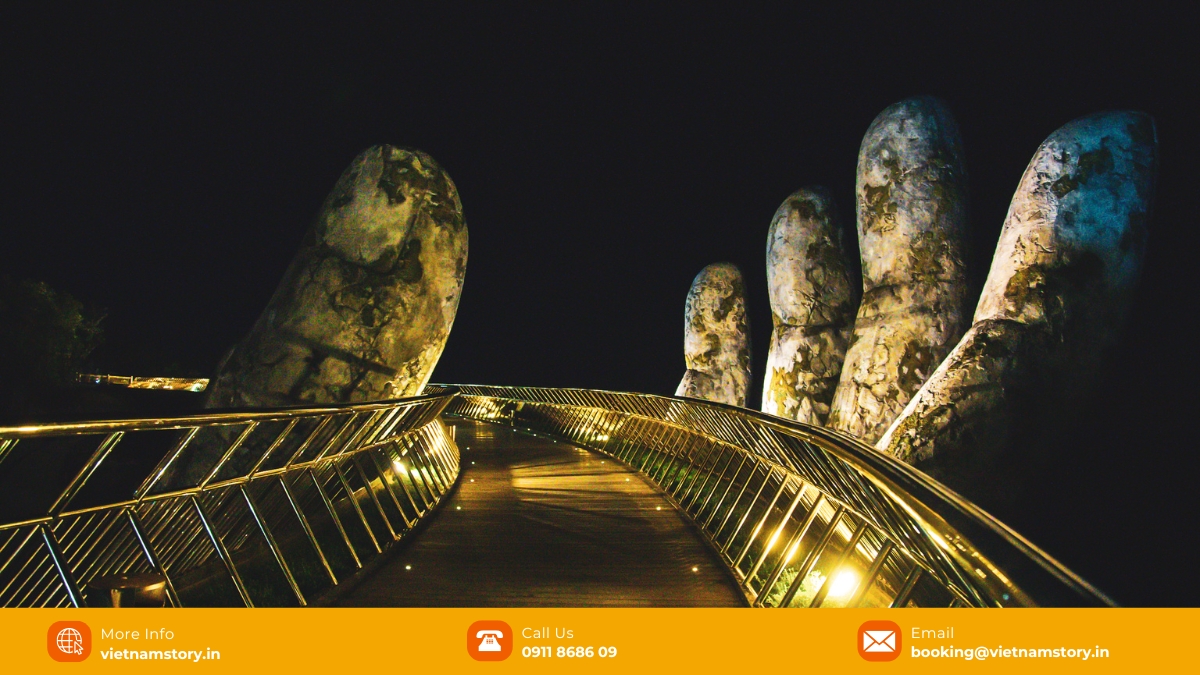
The Golden Bridge is the best-known photo stop inside Sun World Ba Na Hills, but it is only one part of a large mountain complex. Choose Ba Na Hills when you can reserve most of the day and are comfortable with cable cars, walking and variable mountain weather.
- The cable car: Check the current line and operating window before your visit.
- The French Village and Fantasy Park: These add architecture, shows and indoor family entertainment. Attraction availability and separate charges can change, so avoid planning around a fixed ride count.
Once you decide to visit, compare the practical ways to travel from Da Nang to Ba Na Hills and confirm the return plan before going up the mountain.
BA NA HILLS DAY
Give the mountain day its own space
If Golden Bridge and Ba Na Hills are priorities, we would not stack Marble Mountains, Son Tra and a Hoi An evening around the same day. Decide the full-day slot first, then choose the transport that matches your group and return time.
Dragon Bridge (Cau Rong)
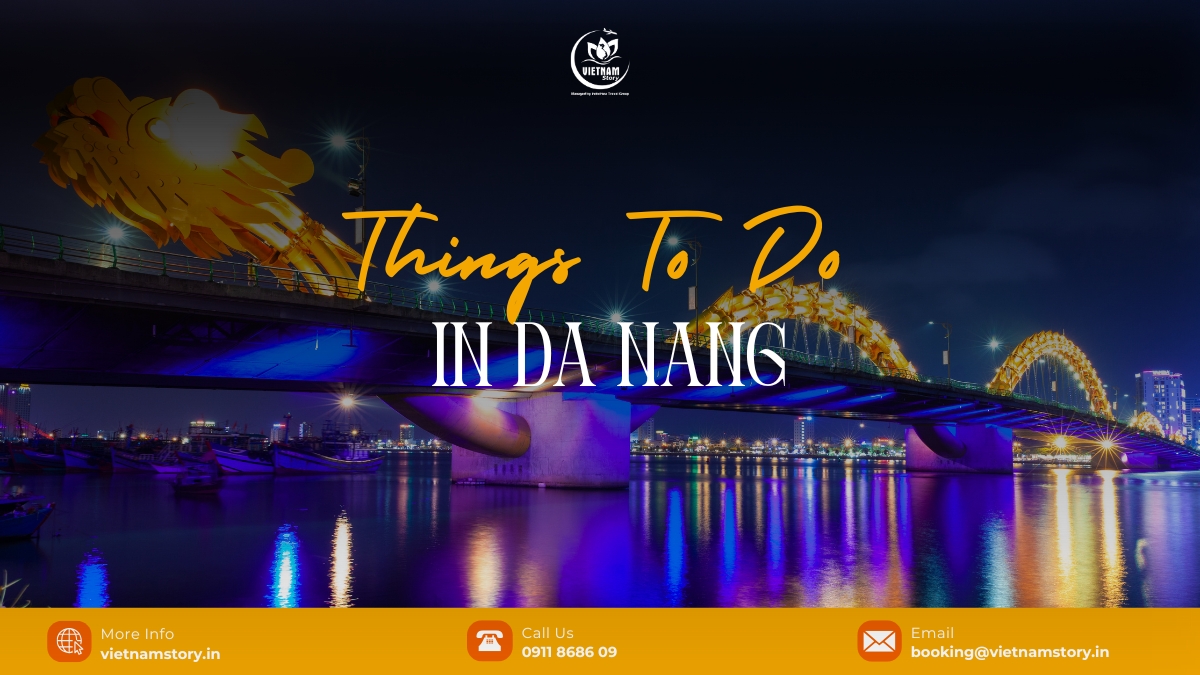
- Dragon Bridge: The bridge is one of the easiest landmarks to fit into an evening because it sits directly on the Han River corridor. If you only want to see the structure lit up, you do not need to build the whole night around the fire-and-water show.
- The fire and water show: The current Da Nang tourism guidance lists the show at 21:00 on Friday, Saturday and Sunday, with additional performances possible on major holidays. Operational schedules can change because of weather, maintenance or events, so check the latest official notice before arranging your evening.
Where do food and markets fit into the day?
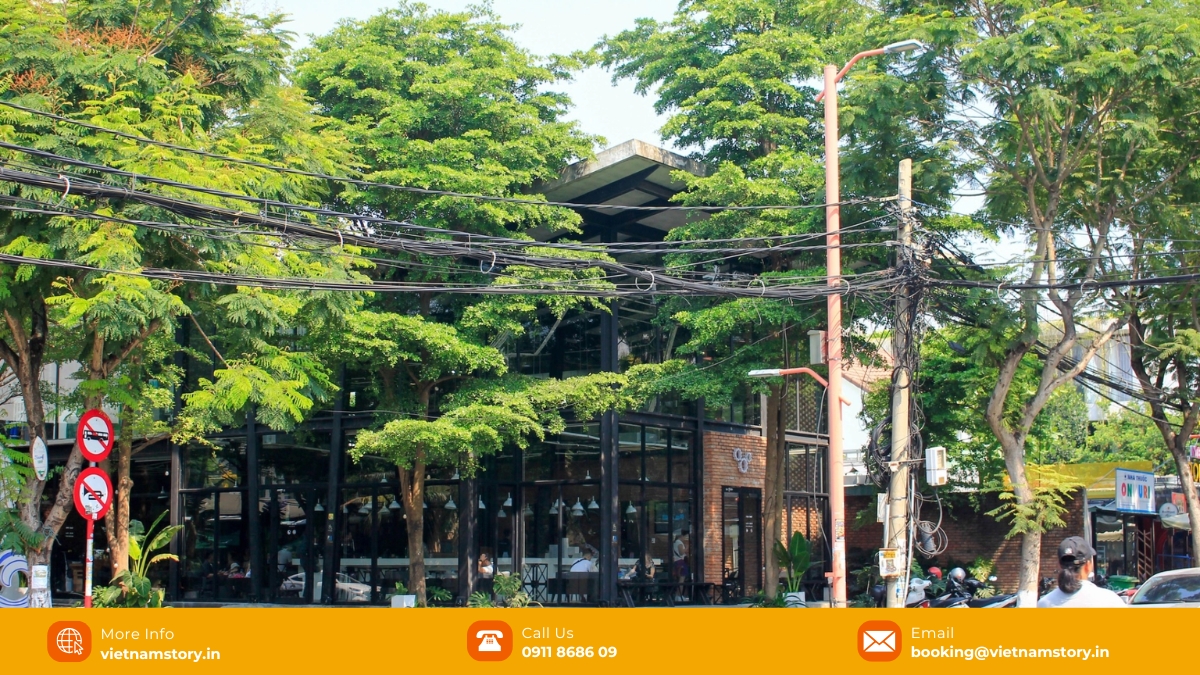
Food and markets work best as part of the day rather than as a separate checklist. We usually fit them around where you already are: Han Market with the riverfront, a café stop between city sights, or a local meal after Marble Mountains or Son Tra.
Food and market stops
- Local dishes: Mi Quang, bun cha ca and banh xeo are useful starting points if you want Central Vietnamese flavours. Choose according to your dietary preferences rather than treating every dish as compulsory.
- Markets: Han Market is convenient for central-city shopping, while Con Market is more useful if food stalls and everyday local trade interest you. Pick the market that matches the purpose of the stop rather than visiting both by default.
- Coffee stops: Da Nang has both traditional and modern cafés, so use a coffee break as recovery time between sights. If you are curious about local-style drinks, compare the menu rather than arriving with a fixed “must-try” list.
Hands-on cultural workshops
- Cooking class: This can make sense when food is one of the reasons you are in Central Vietnam and you have a spare half day. Classes vary widely, so check whether the programme includes a market visit, hands-on cooking or mainly a demonstration.
- Craft workshops: Lantern, pottery or textile workshops can work well on a slower day, but many of the better-known options sit outside central Da Nang. Check the location and travel time before treating a workshop as a quick city activity.
If seafood is part of the plan, our Da Nang seafood guide explains how to compare freshness, pricing and ordering without turning one dinner into another sightseeing task.
Which Da Nang outings deserve their own block?
Da Nang works well as a Central Vietnam base because the beach, city and airport sit close together while Hoi An, My Son, Hue and the Hai Van Pass can be planned as separate outings. That convenience is useful only when each day trip is given enough time of its own.

Beaches and coastal relaxation
- My Khe Beach: This is the easiest beach to combine with a central Da Nang stay. Early morning is useful if you want local beach activity and cooler conditions; swimming suitability still depends on the sea conditions and lifeguard guidance that day.
- Non Nuoc Beach: A quieter coastal option near Marble Mountains. It makes the most sense when you are already staying or sightseeing on the southern side of Da Nang rather than crossing the city just for a second beach.
A scenic road trip: Hai Van Pass
- Hai Van Pass: The road gives you a high coastal viewpoint between Da Nang and Hue. We would choose it when the journey itself matters to you; if the goal is simply to reach Hue efficiently, the pass does not need to become a separate attraction.
- How to do it: A private car is easier for families or travellers who want weather protection and flexible stops. An Easy Rider-style motorbike trip suits confident travellers who want the road itself to be part of the experience. Choose by comfort and weather, not by a single “best” mode.
Heritage day trips from Da Nang
- Hoi An Ancient Town: This is one of the easiest day or evening trips from Da Nang, but it does not need to be paired with too many other stops. If the lantern-lit old town is the priority, protect the late afternoon and evening rather than arriving tired after a full sightseeing day.
- My Son Sanctuary: Choose My Son when Champa history and archaeology matter more to you than beach or city time. The site has stronger context if you have already visited the Cham Museum or are willing to use a guide or site interpretation.
- Hue: A day trip is possible, but it is the longest heritage outing in this group. We would only do it from Da Nang when the group is comfortable with a long road day; otherwise an overnight stop gives the Imperial City and royal tombs more breathing room.
If you want to combine Da Nang with Hoi An, My Son or Hue over several days, compare our 4–7 day Da Nang itineraries before deciding which day trips belong in the same route.
When the calendar changes the plan
Events worth checking before you book
- Quan The Am Festival: A major Buddhist folk festival held at the Marble Mountains, typically in March.
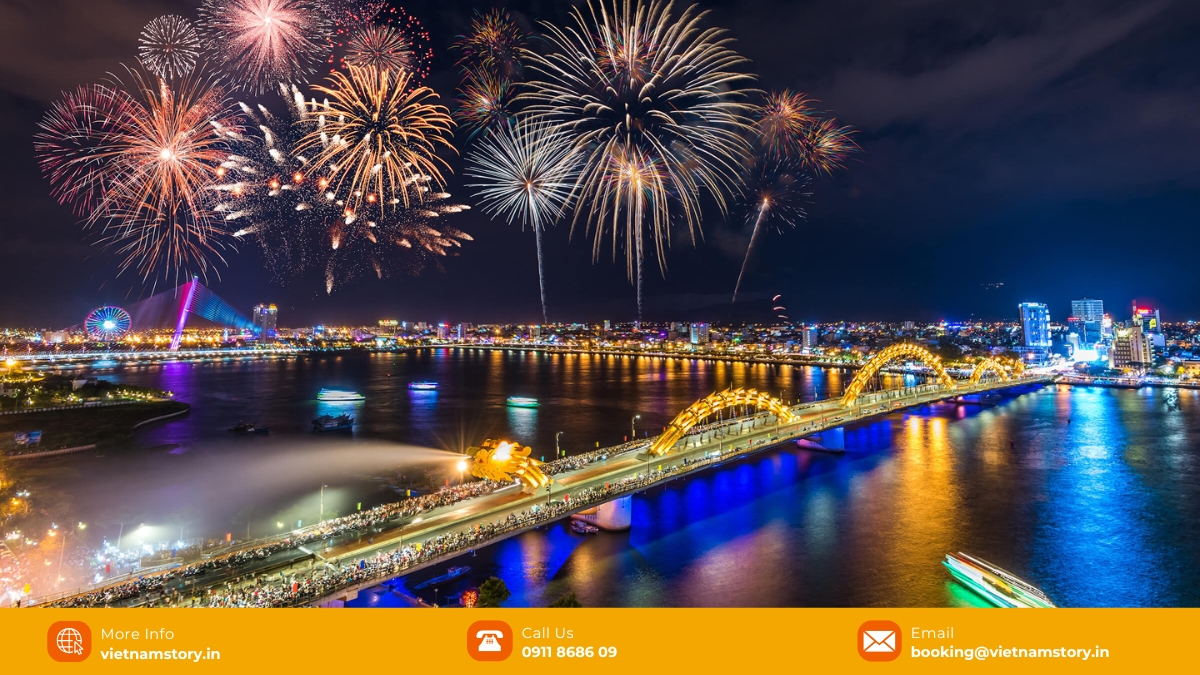
- Da Nang International Fireworks Festival (DIFF): DIFF 2026 ran from 30 May to 11 July along the Han River. If you are planning a later trip, check the announced dates for that edition before choosing hotel nights or assuming a fireworks evening will fall inside your stay.
- Tet (Lunar New Year): Tet can change opening hours, transport demand and the rhythm of the city as much as it changes the decorations. If your dates overlap the holiday, check operating schedules instead of planning from a normal-week itinerary.
If the trip includes pagodas, markets or local festivals, our Da Nang customs and etiquette guide is the better place for dress, behaviour and cultural context.
Practical cultural planning
At active religious sites, dress respectfully and follow the instructions posted at the site. A guide can add context at places such as the Cham Museum or Marble Mountains, but it is not required for every traveller. If you are visiting independently, allow enough time to read the site information rather than treating the stop as a photo checkpoint.
Choose the day shape before adding another attraction
Da Nang is easiest to enjoy when you protect a few different kinds of time: a beach or riverfront period, one cultural or nature outing, and any full-day trip that genuinely matters to you. If Ba Na Hills, Hoi An, My Son or Hue is the main event, let it be the main event instead of squeezing it between several city stops.
FROM ATTRACTIONS TO ITINERARY
Once your priority list is down to two or three experiences, move from attraction research to route planning: