
Vietnam 5 Days Itinerary From India: What To Include And What To Skip

vietnam 5 day itinerary for indian travellers

If you have 5 days in Vietnam and are wondering where to go, choose only one region. For most first-time travellers, the best Vietnam 5 days itinerary covers Hanoi, Ninh Binh and an overnight Ha Long Bay or Lan Ha Bay cruise. This northern route combines city culture, countryside scenery and a signature bay experience without requiring a domestic flight.

Choose Da Nang and Hoi An instead if beaches, romance and a slower pace matter most. Choose Ho Chi Minh City and the Mekong Delta if you prefer city life, shopping, food and recent history. Do not try to combine North, Central and South Vietnam in one five-day trip.

This guide explains what to see in Vietnam in 5 days, what to do each day and which destinations to skip. It also compares routes, accommodation bases, weather risks, transfer demands, cost factors and planning considerations for travellers arriving from India. For broader destination, transport and cultural information, start with our Vietnam Travel Guide for Indian Travellers.

Table of Contents

Is 5 days enough for Vietnam?

Five days is enough to explore one region of Vietnam comfortably. It is not enough to experience North, Central and South Vietnam in a meaningful way.

A five-day trip usually provides three or four useful sightseeing days after accounting for arrival and departure. The exact amount depends on your international flight schedule:

  • Early arrival and late departure: Up to four useful sightseeing days.
  • Daytime arrival and departure: Around three complete sightseeing days.
  • Late arrival or connecting flights: Potentially less than three full days on the ground.

When evaluating an itinerary, calculate every transfer from one hotel door to the next. A domestic flight may last only one or two hours, but the complete journey also includes travelling to the airport, checking in, passing security, collecting baggage and reaching the next hotel.

Choose one arrival city, remain within the surrounding region and avoid any transfer that does not add enough value to justify losing half a sightseeing day.

Travellers who are still deciding between a short break and a longer multi-region journey can compare the practical differences in our guide to how many days are enough for Vietnam.

What does a 5 days 4 nights Vietnam itinerary mean?

A five-day, four-night itinerary includes both the arrival day and the departure day. It does not normally mean five complete days of sightseeing.

A realistic 5 days 4 nights Vietnam itinerary should use no more than two accommodation bases. In many cases, one hotel base plus one overnight cruise is the most efficient arrangement.

When comparing tour programmes, check whether day 1 begins with sightseeing or only with an airport pickup. Also check whether day 5 provides a usable morning or consists mainly of the hotel-to-airport transfer. These details can make two apparently similar itineraries feel very different.

5 days in Vietnam: Where should you go?

If this is your first Vietnam 5 days trip, choose North Vietnam for the broadest mix of city culture, countryside and natural scenery. Choose Central Vietnam for beaches and romance, or South Vietnam for city energy, markets and history.

Your priorityBest routeMain experiencesPace
First trip and iconic sceneryNorth VietnamHanoi, Ninh Binh, Ha Long BayBalanced
Honeymoon and photographyCentral VietnamDa Nang, Hoi An, beachesRelaxed
City life and recent historySouth VietnamHo Chi Minh City, Cu Chi, Mekong DeltaActive
Family with young childrenCentral VietnamBeach, resort time and shorter local transfersRelaxed
Multigenerational familyNorth VietnamCity, countryside and a cruiseModerate
Shopping and nightlifeSouth VietnamMarkets, cafés and city districtsActive

Quick route comparison

RouteSuggested nightsAccommodation basesMain transferBest for
Hanoi–Ninh Binh–Ha Long Bay4Hanoi and cruiseHanoi to cruise portFirst-time visitors
Da Nang–Hoi An4One or twoDa Nang to Hoi AnCouples and families
Ho Chi Minh City–Mekong Delta4Ho Chi Minh CityRoad-based day tripsCity and history travellers

For most first-time visitors, the northern route is the strongest all-round choice. It combines a historic capital, rural limestone scenery and a bay cruise without requiring a domestic flight.

Central Vietnam works better for couples and families who prefer beaches, photography and a slower pace. South Vietnam is better suited to travellers who enjoy a fast-moving city, shopping, nightlife and history-focused excursions.

Flight schedules and the direction of travel can change which route is most efficient. Use the Vietnam route map for Indian travellers to compare regional combinations before confirming your arrival airport.

What to see in Vietnam in 5 days

The best things to see in Vietnam in five days depend on the region you choose. Do not select attractions from opposite ends of the country simply because they are all famous.

RegionWhat to seeWhat to leave out
North VietnamHanoi Old Quarter, Trang An or Tam Coc, Ha Long Bay or Lan Ha BaySapa and Ho Chi Minh City
Central VietnamDa Nang, Hoi An Ancient Town, Ba Na Hills or Son Tra PeninsulaPhong Nha and a rushed Hue day trip
South VietnamCentral Ho Chi Minh City, Cu Chi Tunnels and the Mekong DeltaHanoi, Phu Quoc and Da Lat

For a first visit, Hanoi, Ninh Binh and Ha Long Bay provide the strongest combination of historic streets, limestone scenery and a memorable overnight experience.

Central Vietnam is the better alternative when beaches, evening atmosphere and a relaxed holiday matter more than covering major natural landmarks. South Vietnam works best when city life, markets and modern history are the main reasons for travelling.

What to do in Vietnam for 5 days

A balanced five-day Vietnam itinerary should combine one city experience, one natural or countryside experience and one signature activity. Avoid filling every day with long transfers or similar attractions.

  • Explore a historic neighbourhood: Walk through Hanoi Old Quarter, Hoi An Ancient Town or central Ho Chi Minh City.
  • Take one scenic excursion: Choose Ninh Binh, Son Tra Peninsula or the Mekong Delta according to your region.
  • Book one signature experience: Spend a night on a bay cruise, visit Ba Na Hills or explore the Cu Chi Tunnels.
  • Try local food: Include a food walk, market visit, café experience or pre-arranged vegetarian meal.
  • Protect free time: Keep at least one evening or half-day without a tightly scheduled tour.

The most successful Vietnam travel itinerary for five days is not the one with the greatest number of attractions. It is the one that combines different experiences while keeping hotel changes and transfer time under control.

North Vietnam itinerary for 5 days: Hanoi, Ninh Binh and Ha Long Bay

North Vietnam 5 day itinerary covering Hanoi, Ninh Binh and Ha Long Bay

Best for: First-time visitors, families, cultural travellers and people who want recognisable Vietnamese landscapes.

Recommended arrival airport: Hanoi.

Suggested overnight split: Two nights in Hanoi, one night on a cruise and one final night in Hanoi.

Physical intensity: Moderate. Boat access, steps and uneven surfaces may require additional consideration for senior travellers or guests with limited mobility.

Day 1: Arrive in Hanoi and explore the Old Quarter

After arriving in Hanoi, check into a hotel in or near the Old Quarter. Keeping the first day flexible gives you time to recover from the journey and protects the itinerary if your flight is delayed.

Depending on your arrival time, include:

  • Hoan Kiem Lake
  • Ngoc Son Temple
  • The Old Quarter
  • St Joseph’s Cathedral area
  • Vietnamese egg coffee
  • A short evening food walk

Avoid scheduling a long guided excursion immediately after landing. Hanoi is easier to enjoy when the first afternoon remains adaptable.

The Old Quarter is the most convenient base for a short first visit because restaurants, cafés, shops and many central attractions are concentrated in a compact area. Travellers seeking a quieter stay can consider the French Quarter or West Lake, although daily transfers may take longer.

Day 2: Take a Ninh Binh day trip

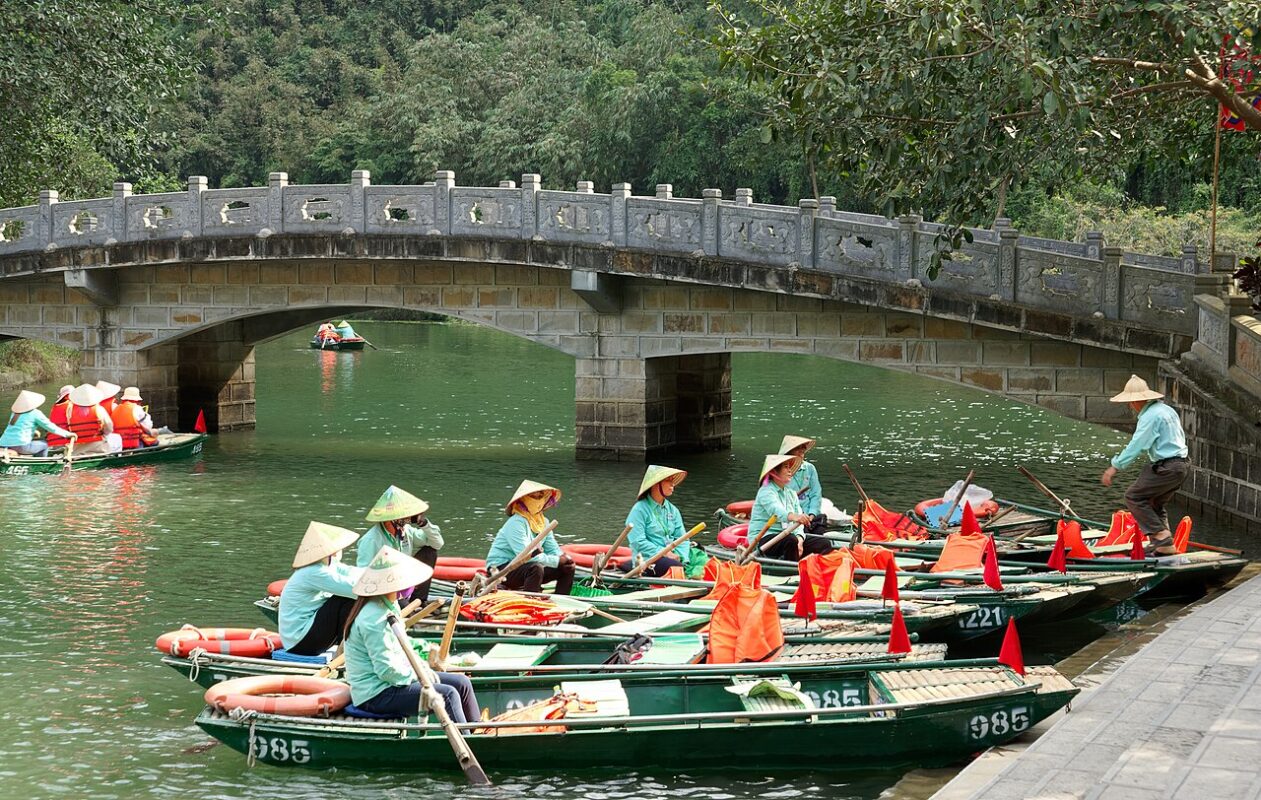
Travel from Hanoi to Ninh Binh in the morning. This route adds countryside scenery without requiring another airport or hotel change.

A practical Ninh Binh day combines one boat route with one land-based attraction. Suitable combinations include:

  • Trang An and Hoa Lu Ancient Capital
  • Tam Coc and Bich Dong Pagoda
  • Trang An and Hang Mua viewpoint

Choose Trang An if you want a longer boat journey through limestone valleys and cave passages. Choose Tam Coc if seasonal rice-field scenery is your priority.

Hang Mua offers a panoramic viewpoint, but the climb involves many steep steps. Families with small children, senior travellers and guests with knee or mobility concerns may prefer Hoa Lu, Bich Dong or another lower-intensity stop.

Do not attempt Trang An, Tam Coc, Bai Dinh Pagoda and Hang Mua on the same day. Although the attractions appear close on a map, combining all of them creates a rushed checklist. Compare the main options in our guide to the best things to do in Ninh Binh.

Return to Hanoi for the night.

Day 3: Travel to Ha Long Bay or Lan Ha Bay

Leave Hanoi after breakfast and travel to the cruise port for an overnight journey.

An overnight cruise is generally more suitable than a rushed day trip because it combines accommodation, meals, scenery and activities within one part of the itinerary.

Depending on the vessel, weather and route, the programme may include:

  • Kayaking or a bamboo boat ride
  • A cave, beach or island visit
  • Swimming when conditions permit
  • A sunset deck session
  • A cooking demonstration
  • Morning tai chi

Ha Long Bay is the classic first-time choice. Lan Ha Bay may suit travellers who prefer a quieter sailing area. The experience depends more on the vessel, cabin, boarding port, route and activity schedule than on the bay name alone. Use our comparison of Ha Long Bay versus Lan Ha Bay before deciding.

Indian vegetarian and Jain meals may be available on selected cruises, but they should not be assumed to be included in a standard buffet. Provide the exact dietary requirement during booking and reconfirm it before departure.

Travellers with limited mobility should ask about the distance from the transfer vehicle to the vessel, tender-boat access, staircases between decks and whether activities require climbing into smaller boats.

Day 4: Finish the cruise and return to Hanoi

Most overnight cruises include a morning activity before returning to port around late morning. Travel back to Hanoi and use the evening for attractions you missed on day 1.

Possible options include:

  • Temple of Literature
  • The French Quarter
  • Water puppet theatre
  • Old Quarter shopping
  • A relaxed Vietnamese or Indian dinner

Avoid scheduling a domestic or international flight immediately after the cruise. Port operations, road traffic and the vessel’s return time can affect the schedule.

Day 5: Final Hanoi sightseeing and departure

Use the final day according to your flight time. For a late departure, consider the Ho Chi Minh Mausoleum complex, One Pillar Pagoda, West Lake, Quan Thanh Temple or Dong Xuan Market.

Do not add another excursion outside Hanoi. Keep the final hours flexible and protect the airport-transfer buffer.

What to include in North Vietnam

  • Hanoi Old Quarter
  • One Ninh Binh boat route
  • An overnight Ha Long Bay or Lan Ha Bay cruise
  • One focused cultural experience in Hanoi
  • A flexible final evening

What to skip in North Vietnam

  • Sapa: The journey requires too much road or rail time for this combination.
  • Ho Chi Minh City: A cross-country flight reduces the time available in both regions.
  • Both Trang An and Tam Coc: The two boat experiences serve a similar role in a short itinerary.
  • A cruise followed by a tightly timed flight: The connection leaves too little margin for disruption.

Central Vietnam itinerary for 5 days: Da Nang and Hoi An

Best for: Honeymooners, couples, photographers, families with children and travellers who want a slower pace.

Recommended arrival airport: Da Nang.

Suggested overnight split: Two nights in Da Nang and two nights in Hoi An, or four nights in one base.

Physical intensity: Low to moderate. Ba Na Hills, Marble Mountains and My Son Sanctuary involve more walking and steps than a beach-focused itinerary.

Da Nang and Hoi An are close enough to combine without a domestic flight. Travellers who dislike changing hotels can stay in one city and use day transfers.

Day 1: Arrive in Da Nang

Check into a hotel near My Khe Beach, the Han River or another area that matches your preferred travel style.

  • My Khe Beach: Better for beach access, resorts and a relaxed atmosphere.
  • Han River area: Better for city access, restaurants and evening walks.
  • Hoi An Ancient Town: Better for atmosphere and evening exploration, but farther from Da Nang attractions and the airport.

Keep the first afternoon light:

  • Walk along My Khe Beach
  • Visit the Han River waterfront
  • See the Dragon Bridge area
  • Visit a local café
  • Have an early dinner

Bridge performances and local event schedules can change, so verify the current operating details instead of structuring the whole evening around one show.

Day 2: Choose Ba Na Hills or Da Nang city

Select one main direction rather than combining several major attractions.

Option 1: Ba Na Hills

Choose Ba Na Hills if the Golden Bridge, cable-car journey and themed attractions are important to you. Leave early because visitor numbers and changing mountain weather can affect the experience. Allow most of the day rather than treating Ba Na Hills as a short photo stop.

Option 2: Da Nang city and Son Tra Peninsula

Choose the Da Nang city and Son Tra Peninsula option if you prefer a flexible sightseeing day without committing most of the day to Ba Na Hills. A practical combination can include Linh Ung Pagoda, Son Tra viewpoints, Marble Mountains, My Khe Beach and a local market.

Do not combine Ba Na Hills, Marble Mountains and Hoi An Ancient Town on the same day. Each experience requires enough time to be worthwhile. Review the wider options in our guide to the best things to do in Da Nang.

Day 3: Transfer to Hoi An

Travel to Hoi An after breakfast. Stop at Marble Mountains on the way if you did not visit them on day 2 and your group is comfortable with steps.

Spend the afternoon and evening in Hoi An Ancient Town. Prioritise:

  • The Japanese Covered Bridge area
  • Historic merchant houses
  • Riverside lanes
  • Local craft and tailoring shops
  • The lantern-lit town after sunset

Hoi An is known for custom tailoring, but a finished garment may require more than one fitting. Place an order soon after arriving rather than waiting until the final evening. Simple garments may be completed quickly, while suits, dresses and complex designs may require additional time.

For dining, shopping and attraction ideas, see our guide to the best things to do in Hoi An.

Day 4: Choose beach, countryside or heritage

Select one experience according to your main priority:

  • For relaxation: Spend the morning at An Bang Beach and keep the afternoon free.
  • For local scenery: Take a countryside or cycling experience around Cam Thanh and nearby villages.
  • For history: Visit My Son Sanctuary and return to Hoi An for the evening.
  • For a honeymoon: Keep the morning unstructured and arrange a private dinner, spa treatment or photography session later in the day.

Avoid adding Hue unless imperial history is the main reason for the trip. The road journey and sightseeing programme create a long day and change the relaxed nature of the route.

Day 5: Return to Da Nang and depart

Travel from Hoi An to Da Nang Airport with a suitable buffer. If the flight leaves late, use the morning for a final Ancient Town walk, café visit, beach stop, souvenir shopping or collection of tailored clothing.

Do not schedule a distant attraction on departure day.

What to include in Central Vietnam

  • Hoi An after sunset
  • One full day for Ba Na Hills or Da Nang
  • One beach or countryside period
  • Marble Mountains if mobility allows
  • Enough time for tailoring fittings if ordering clothes

What to skip in Central Vietnam

  • Hue: Skip it unless imperial history is your main priority.
  • Phong Nha: The journey requires too much time for a Da Nang and Hoi An route.
  • Multiple full-day excursions: Choose Ba Na Hills, My Son or countryside rather than forcing all three into the trip.
  • Frequent hotel changes: One Da Nang hotel and one Hoi An hotel are sufficient.

South Vietnam itinerary for 5 days: Ho Chi Minh City and the Mekong Delta

South Vietnam 5 day itinerary covering Ho Chi Minh City and the Mekong Delta

Best for: City lovers, shoppers, food travellers and visitors interested in recent history.

Recommended arrival airport: Ho Chi Minh City.

Suggested overnight split: Four nights in Ho Chi Minh City.

Physical intensity: Moderate. Urban walking, heat and long road excursions can make the route tiring even without hotel changes.

Using one hotel for the entire trip reduces packing and allows Cu Chi and the Mekong Delta to be visited as separate excursions.

Day 1: Arrive and explore central Ho Chi Minh City

Stay in District 1 or another well-connected central neighbourhood. District 1 is practical for a first visit because many landmarks, restaurants, markets and evening venues are nearby.

Depending on your arrival time, explore:

  • Nguyen Hue Walking Street
  • Central Post Office
  • Book Street
  • Ben Thanh Market area
  • The Saigon River waterfront

Some historic buildings undergo periodic restoration. Check current access before structuring the day around a specific façade or interior visit.

Day 2: Explore the city’s history and neighbourhoods

Use the second day for a focused city programme:

  • Independence Palace
  • War Remnants Museum
  • Central Post Office
  • A neighbourhood, market or food tour

The War Remnants Museum contains distressing images and may not be suitable for young children. Families can replace it with the History Museum, a river activity or a general city tour.

Travellers who prefer a slower day can divide the city attractions across the first two days instead of treating day 2 as a dense checklist.

Day 3: Visit the Cu Chi Tunnels

Take a half-day or extended half-day journey to the Cu Chi Tunnels.

The site provides context about underground wartime networks and the conditions in which they were used. Some tunnel sections are narrow, warm and physically demanding. Travellers with mobility limitations, claustrophobia or respiratory concerns can remain above ground and still follow much of the guided route.

Return to Ho Chi Minh City for the evening. Do not combine Cu Chi with a complete Mekong Delta programme unless you knowingly accept a very long day with limited depth at both destinations.

Day 4: Take a Mekong Delta day trip

Choose a route centred on Ben Tre or another destination that can be visited without an overnight hotel change.

A typical introductory excursion may include:

  • River transport
  • Coconut-growing areas
  • Small workshops
  • Village roads
  • Regional food

Treat a one-day excursion as an introduction to the Mekong Delta rather than a complete exploration. The delta covers a large region, and deeper journeys require additional days.

Travellers from Kerala or other parts of southern India may recognise visual similarities in the waterways and coconut landscapes. However, the agriculture, communities and river culture remain distinctly Vietnamese.

Day 5: Markets, cafés and departure

Use the final hours for activities close to your hotel:

  • Ben Thanh Market
  • Local cafés
  • Souvenir shopping
  • A short riverfront walk
  • A final Vietnamese meal

Allow additional airport travel time during busy periods and avoid travelling far from the city centre on departure day.

What to include in South Vietnam

  • Central Ho Chi Minh City
  • One history-focused day
  • Cu Chi or the Mekong Delta if the schedule is reduced
  • A market or guided food experience
  • Free time for shopping and nightlife

What to skip in South Vietnam

  • Hanoi: The cross-country flight removes too much usable time.
  • Phu Quoc: An island extension deserves several nights of its own.
  • Cu Chi and the Mekong Delta on one day: The combined programme is long and provides limited time at both locations.
  • Mui Ne or Da Lat: Both create additional long-distance transfers.

What should every traveller skip on a 5-day Vietnam trip?

Planning mistakes Indian travellers should avoid on a five-day Vietnam trip

1. Skip the three-city route

Do not combine Hanoi, Da Nang and Ho Chi Minh City in five days. The route requires at least two domestic flights and several hotel transfers.

Five calendar days are not the same as five complete sightseeing days.

2. Skip destinations chosen only because they look close on a map

Travel time depends on road conditions, mountain routes, city traffic, ferry schedules and pickup arrangements. Always calculate the complete hotel-to-hotel transfer rather than looking only at distance.

3. Skip long overnight transport when recovery matters

Sleeper buses and overnight trains may save accommodation costs, but poor sleep can reduce the value of the next sightseeing day. They are generally more suitable for longer or budget-led journeys.

4. Skip unconfirmed dietary assumptions

Vegetarian food is available in major destinations, but vegetarian, vegan, Jain and no-onion-or-garlic meals are not the same request.

Provide the exact requirement to hotels, restaurants, cruise operators and tour providers before travelling. Reconfirm any meal included in a package.

5. Skip last-minute immigration planning

Entry rules, eligible ports and processing guidance can change. Indian passport holders should verify the latest requirements through the official Vietnamese immigration system before paying for non-refundable travel services.

Check passport details, the portrait photograph, passport data-page image, intended entry point and travel dates carefully. Our guide to the Vietnam e-visa for Indian travellers explains the main planning steps, but official government information should remain the final reference.

How does the travel month affect your route?

Vietnam does not have one uniform weather pattern. Conditions can differ between Hanoi, Da Nang and Ho Chi Minh City during the same week. The best five-day route therefore depends partly on the region and travel month.

Weather considerationHow it affects the itineraryPlanning response
Cooler or misty weather in the NorthBay views may be atmospheric but less clearPack layers and keep expectations flexible
Heavy rain or poor marine conditionsCruise activities or routes may changeKeep a Hanoi or Ninh Binh alternative available
Wet weather in Central VietnamBeach time and outdoor activities may be reducedInclude cafés, museums, workshops and spa time
Hot and humid conditions in the SouthMidday walking can become tiringSchedule outdoor sites earlier and allow afternoon rest

Do not select a route using a general statement such as “the best time to visit Vietnam” without checking the specific region. Review the seasonal differences in our Vietnam weather guide before confirming flights and non-refundable activities.

What if weather disrupts the itinerary?

A strong five-day plan needs alternatives because there is little time to recover from a cancelled or modified activity.

  • North Vietnam: Keep Hanoi museums, cultural sites or an additional Ninh Binh programme as alternatives if cruise operations change.
  • Central Vietnam: Replace beach time with cafés, craft workshops, museums, spa time or food experiences.
  • South Vietnam: Move outdoor city sightseeing to the morning and retain indoor attractions for hotter or rainier periods.

Never book an international departure too close to the scheduled return of a weather-sensitive cruise or distant road excursion.

What affects the cost of a five-day Vietnam trip?

The price of a Vietnam 5 day itinerary depends more on the route, flight schedule and travel style than on the number of days alone.

The main cost factors include:

  • International airfare: Direct, one-stop and late-booked flights can differ substantially.
  • Hotel category: Location affects both room cost and daily transfer expenses.
  • Shared or private transport: Private vehicles cost more but may protect time for families and groups.
  • Day cruise or overnight cruise: Cabin level, route and vessel category significantly affect the northern itinerary.
  • Group or private excursions: Private guiding offers flexibility but increases the cost per traveller.
  • Attraction tickets: Theme parks, cable cars, cruises and performances can form a meaningful part of the budget.
  • Meal requirements: Specially arranged Jain or Indian meals may cost more than standard local meals.
  • Travel dates: Weekends, festivals and peak periods can affect hotel and transport availability.

A cheaper itinerary is not necessarily better value if the hotel is far from the main attractions or if shared transfers create long pickup periods. Compare what is included, the usable sightseeing time and the number of hidden transfers rather than judging a programme only by its headline price.

For a detailed budgeting framework, see our guide to the Vietnam trip cost from India.

Should you book a package or plan the trip yourself?

Both approaches can work. The right choice depends on the route, the number of travellers and how comfortable you are coordinating several time-sensitive components.

Self-planned tripOrganised five-day tour
Suitable for travellers comfortable booking transport and activities independentlySuitable for first-time visitors who want coordinated logistics
Provides more flexibility for meals and spontaneous changesReduces the risk of incompatible pickup, cruise and hotel times
Works well for a one-city itineraryUseful when the route includes multiple day trips or an overnight cruise
Requires direct communication with several suppliersProvides one point of coordination
May be economical for independent couplesCan be efficient for families and private groups
Requires the traveller to manage disruptionsCan provide operational support when schedules change

An organised package becomes more useful when the itinerary includes an overnight cruise, airport pickup, multiple private transfers, dietary requirements, young children, senior travellers or limited mobility.

A self-planned trip may be suitable when you remain in one city, prefer complete flexibility and are comfortable verifying every booking independently.

How should different travellers adjust the itinerary?

Traveller typeRecommended adjustment
Honeymoon coupleReduce early starts, use fewer hotel changes and prioritise a quality cruise cabin or Hoi An stay
Family with young childrenLimit museums, steep climbs and full-day transfers; include beach, pool or free time
Senior travellersCheck stairs, boat access, tunnel conditions, walking distances and vehicle comfort
Vegetarian or Jain travellersConfirm every included meal and explain exact restrictions before arrival
Photography-focused travellersProtect early morning and evening time instead of filling every hour with attractions
Shopping-focused travellersKeep the final evening free in Hanoi, Hoi An or Ho Chi Minh City
First-time international travellersUse airport transfers and avoid tightly connected independent bookings

How to choose between North, Central and South Vietnam

Filter 1: Compare usable flight times

Choose the region supported by the most practical flight schedule from your departure city. A cheaper ticket may not be better if it arrives late on day 1 or leaves early on day 5.

Compare the number of usable hours at the destination, not only the airfare or flight duration.

Filter 2: Identify the main reason for your trip

Choose North Vietnam for:

  • Iconic scenery
  • Historic Hanoi
  • A first trip to Vietnam
  • An overnight cruise
  • A balance of culture and nature

Choose Central Vietnam for:

  • Honeymoon travel
  • Beach time
  • Photography
  • A slower pace
  • Families with children

Choose South Vietnam for:

  • City energy
  • Shopping
  • Nightlife
  • Recent history
  • Markets and food experiences

Filter 3: Decide how many hotel changes you can tolerate

Choose one accommodation base if you dislike packing and early departures.

The northern route normally requires one cruise night away from Hanoi. Central Vietnam can be completed from one base or divided between Da Nang and Hoi An. South Vietnam works efficiently from one Ho Chi Minh City hotel.

Filter 4: Check the route against your physical comfort

Do not select an itinerary based only on famous attractions. Check whether the route involves steep viewpoints, extended walking, narrow tunnels, tender boats or repeated early departures.

A route with fewer attractions may provide a better holiday when children, senior travellers or mobility limitations are part of the group.

How to plan a Vietnam 5 day itinerary from India

A Vietnam 5 day itinerary from India should begin with the most practical arrival airport rather than with a list of attractions. Choose Hanoi for the northern route, Da Nang for the central route and Ho Chi Minh City for the southern route.

Compare flights by usable holiday time, not only by airfare. A flight that lands early on day 1 and departs late on day 5 can provide almost one additional sightseeing day compared with a cheaper schedule that arrives late and leaves early.

  • Check the airport first: Avoid landing in one region and immediately taking a domestic flight to another.
  • Confirm dietary needs: State vegetarian, Jain, vegan, no-egg or no-onion-and-garlic requirements separately.
  • Limit hotel changes: Use one or two accommodation bases.
  • Protect the final day: Avoid cruises or distant road trips that return close to the international departure.
  • Review entry requirements: Verify passport and visa information before confirming non-refundable bookings.

Practical checklist for a five-day Vietnam itinerary

  1. Confirm the exact international arrival and departure times.
  2. Choose the airport serving the selected region.
  3. Limit the trip to one or two accommodation bases.
  4. Calculate every transfer from hotel to hotel.
  5. Check cruise departure and return times.
  6. Share detailed dietary requirements before arrival.
  7. Check regional weather for the travel month.
  8. Verify attraction closures, maintenance and operating schedules.
  9. Review passport and visa details carefully.
  10. Confirm what each hotel rate and tour price includes.
  11. Keep one weather alternative for the main outdoor activity.
  12. Protect the airport-transfer buffer on day 5.

Pack lightly enough to manage one hotel change without losing time. Keep travel documents, essential medicine, valuables and one change of clothing in your cabin bag.

Travellers who prefer a step-by-step preparation schedule can use the Vietnam trip planning timeline to organise flights, visa checks, accommodation, tours and final confirmations in the correct order.

Frequently asked questions

Where should I go for 5 days in Vietnam?

First-time travellers should usually choose Hanoi, Ninh Binh and Ha Long Bay. Choose Da Nang and Hoi An for beaches and romance, or Ho Chi Minh City and the Mekong Delta for city life and history.

What can I see in Vietnam in 5 days?

In five days, you can see one major city, one countryside or natural destination and one signature attraction. For example, the northern route combines Hanoi, Ninh Binh and an overnight Ha Long Bay cruise.

What should I do on a five-day Vietnam trip?

Include one city experience, one scenic day trip, one signature activity and some unscheduled time. Avoid domestic flights and repeated hotel changes unless the flight is essential to the route.

Is 5 days enough to visit Vietnam?

Yes, five days is enough to visit one region of Vietnam. It is not enough to cover Hanoi, Da Nang and Ho Chi Minh City comfortably. Limit the trip to one or two accommodation bases.

What is the best Vietnam 5 day itinerary for first-time visitors?

The best all-round route is Hanoi, Ninh Binh and an overnight Ha Long Bay or Lan Ha Bay cruise. It combines city culture, countryside scenery and a bay experience without a domestic flight.

Can I visit Hanoi and Ho Chi Minh City in 5 days?

It is technically possible but generally not recommended. The flight and airport procedures remove a significant part of one day, leaving less time to understand either city.

Can I include Sapa in a five-day trip?

Include Sapa only when it is the main focus of the trip. Do not combine Sapa, Ninh Binh and an overnight bay cruise in five days because the transport time makes the route too rushed.

Is Da Nang and Hoi An enough for five days?

Yes. Five days allows time for Da Nang, Hoi An, one major day trip and a beach or countryside experience. The route is especially suitable for couples, families and travellers who prefer a relaxed pace.

Is five days enough for a Vietnam honeymoon?

Yes, if the honeymoon remains within one region. Da Nang and Hoi An offer the easiest balance of beaches, atmosphere and free time, while Hanoi and a premium overnight cruise suit couples who prefer scenery and culture.

Is a five-day Vietnam itinerary suitable for senior travellers?

Yes, but the programme should use fewer hotel changes and avoid unnecessary steep climbs or tightly timed transfers. Check boat access, stairs, walking distances, tunnel conditions and vehicle comfort before booking.

Should I visit Cu Chi and the Mekong Delta on the same day?

Separate days are better. Combining both creates a long programme with limited time at each destination. Choose one if the international flights reduce the number of full sightseeing days.

How many hotels should I book for five days?

One or two accommodation bases are enough. The northern route may require one Hanoi hotel and one cruise night. Central Vietnam can use one base or a Da Nang and Hoi An split. South Vietnam works well from one Ho Chi Minh City hotel.

Is an overnight Ha Long Bay cruise worth it?

Yes, if the cruise is one of the main priorities and the flight schedule leaves enough time. It provides accommodation and sightseeing together. Avoid a cruise that returns too close to the international departure.

Is Vietnam suitable for Indian vegetarian travellers?

Major destinations have vegetarian restaurants and meat-free dishes, but dietary definitions vary. Clearly state whether you require vegetarian, vegan, Jain, no egg, or no onion and garlic meals, and reconfirm all included meals.

Should I use private transfers on a five-day trip?

Private transfers can be worthwhile for families, groups, senior travellers and people with tightly timed programmes. Shared transfers may cost less, but multiple pickups and fixed schedules can reduce usable sightseeing time.

How far in advance should I book?

Book earlier when the trip includes an overnight cruise, a specific hotel, special meal requirements or travel during a popular holiday period. Visa and passport checks should also be completed before non-refundable arrangements are finalised.

Is a 5 nights 6 days Vietnam itinerary better than five days?

A five-night, six-day itinerary provides one additional day, but it is still better to concentrate on one region or a carefully selected two-region combination. Do not add a third region simply because one extra night is available.

Plan your five-day Vietnam trip

Vietnam Story planning a five-day Vietnam tour for Indian travellers

A five-day itinerary leaves little room for poorly timed transfers, inconvenient hotel locations or day trips that require more travel than expected.

Vietnam Story can coordinate the route around your international flights, preferred pace, hotel category, dietary requirements and group composition. The objective is not to fit the largest possible number of attractions into five days. It is to build a trip in which each day justifies the journey.

If you already know where you want to go but prefer coordinated hotels, transfers, sightseeing and meal arrangements, compare our Vietnam 5 days tour packages from India.

The final rule is simple: choose one region, protect your sightseeing time and leave the rest of Vietnam for a longer journey.

Get free itinerary and quotation now