
The best time to visit Da Nang depends on what you want to do. For Indian travellers who want a balance of outdoor sightseeing and beach time, spring is often the easiest period to plan. Summer can work well for a beach-led trip but is hotter, while the later part of the year needs more flexibility because rain, storms and local flooding can affect outdoor plans.
This page is the Da Nang decision guide. It helps you choose a travel period for beaches, sightseeing and weather-sensitive activities. For a countrywide comparison between North, Central and South Vietnam, use the Vietnam weather guide.

Da Nang weather at a glance
Central Vietnam does not follow exactly the same rainfall calendar as Hanoi or Ho Chi Minh City. That is important for Indian travellers with fixed leave dates: a month that is wetter in another part of Vietnam can still be workable in Da Nang.
| Travel period | Typical conditions | Best fit | Main trade-off |
| March–May | Generally warm, with many useful outdoor days | First trips, sightseeing, beach + city mix | Heat builds as the period progresses |
| June–August | Hotter, often suitable for beach-led trips | Beach time, water activities, families travelling in summer leave | Stronger heat and sun exposure |
| September–October | Transition period with more variable rain and storm risk | Flexible travellers combining culture and indoor alternatives | Outdoor plans need more backup options |
| November–February | Cooler, cloudier and often wetter | Culture, food and slower city-focused trips | Beach and viewpoint conditions are less predictable |
These are planning patterns rather than guarantees for a specific week. Check the short-term forecast and local warnings again before beach days, mountain viewpoints or long road trips.
March to May: the easiest all-round period for many travellers
March, April and May often give a useful balance between warmth, lower rain risk and outdoor sightseeing. This makes the period suitable for travellers who want to combine My Khe Beach, Marble Mountains, Son Tra Peninsula, Hoi An and a day trip toward Hue or the Hai Van Pass.
For Indian families, the main advantage is flexibility: you can mix outdoor sightseeing with beach time without building the entire holiday around one weather-sensitive activity. As May progresses, heat becomes more important, so children, seniors and travellers who are sensitive to strong sun may prefer more shaded or indoor time during the middle of the day.
June to August: good for beach-led trips, but plan for heat
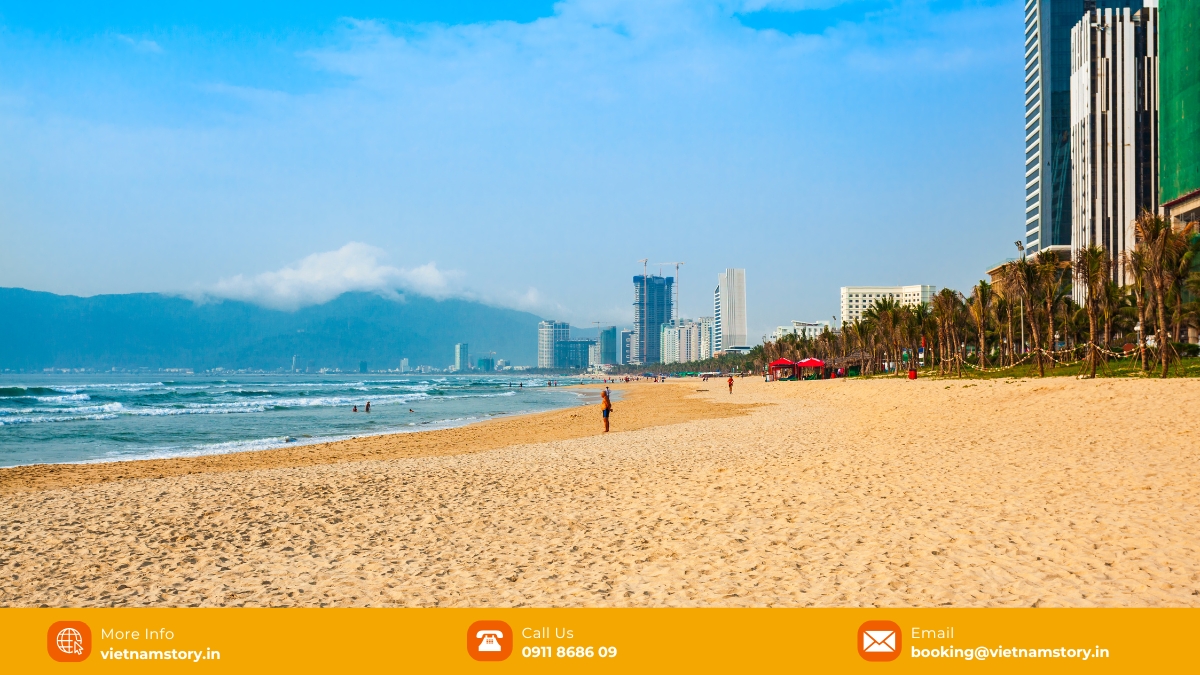
Summer can be a strong choice when the main goal is beaches and coastal activities. Official Vietnam tourism guidance notes that June to August often sees relatively little rain and useful sea conditions in Da Nang, but that does not mean every day is calm or suitable for swimming.
Use the actual beach flags, local warnings and sea conditions on the day. For sightseeing, move longer walks to cooler parts of the day when practical and keep hydration and sun protection in the plan. Do not rely on a fixed clock-time rule because cloud cover, heat and activity type vary from day to day.
September to February: travel is still possible, but flexibility matters more
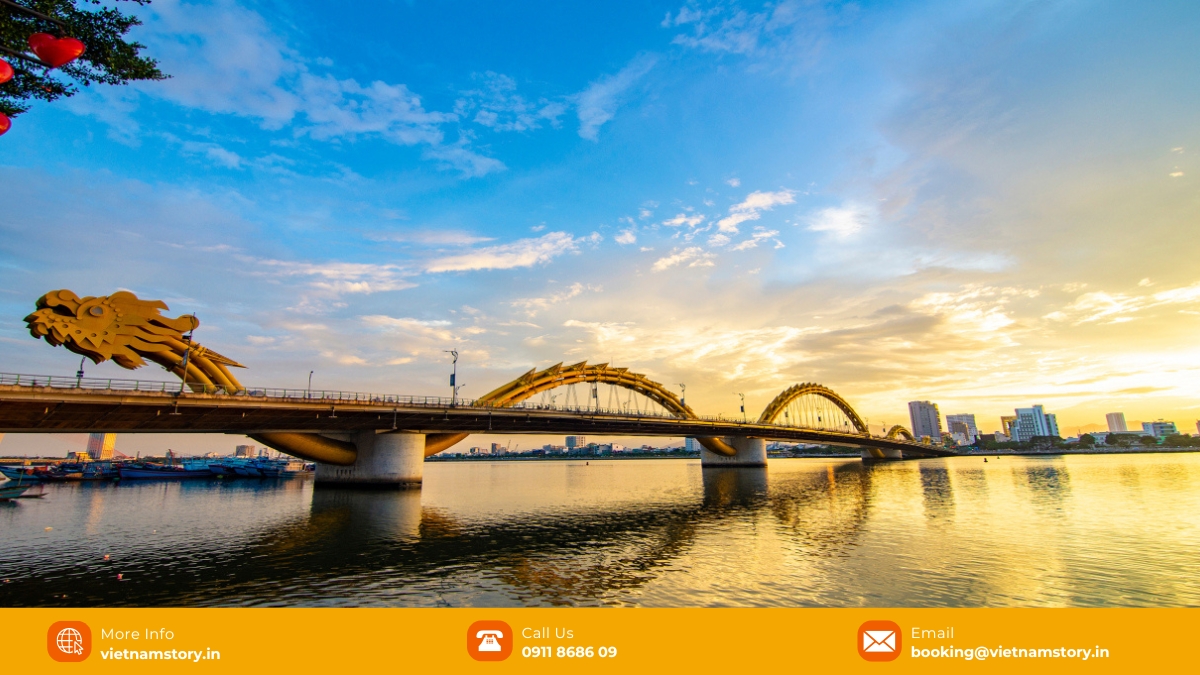
From September onward, conditions become more variable. Heavy rain, storms and local flooding can affect Central Vietnam during parts of the autumn and early winter, although the exact timing differs between years.
If your trip falls in this period, avoid planning every day around beaches or exposed viewpoints. Museums, cafés, markets, spas and covered attractions can be useful alternatives when outdoor conditions are poor. Hoi An and Hue may also be affected by the same wider weather systems, so changing cities within Central Vietnam is not always a weather solution.
Do not assume this period is automatically cheaper or quieter. Flights, hotels and attraction demand depend on the exact dates, events and booking conditions. Compare live prices instead of using a seasonal discount claim as a planning rule.
Best time for Da Nang by travel goal
| Your priority | Period to consider first | What to check |
| Balanced first trip | March–May | Heat level and current forecast |
| Beach-focused holiday | Late spring to summer | Sea conditions, sun exposure and local beach warnings |
| Sightseeing with less heat | Early spring or another mild-weather window | Rain risk and current conditions |
| Autumn / winter dates already fixed | Travel can still work | Storm, flood and heavy-rain risk; keep indoor alternatives |
Events should not decide the trip until you confirm the dates
Tết and the Da Nang International Fireworks Festival can change the atmosphere, demand and local schedules, but their exact dates are not fixed to the same calendar days every year. If an event is important to your trip, verify the current programme before booking around it.
For festival-specific planning, see the Da Nang festivals guide. For attractions and what is actually worth fitting into the trip, use the places to visit in Da Nang guide.
What should Indian travellers pack?
- Warm and sunny periods: breathable clothing, hat, sunscreen, sunglasses and comfortable walking shoes.
- Hot summer travel: prioritise hydration, shade and clothing suitable for strong heat and humidity.
- Wetter periods: add a light waterproof layer, quick-drying clothing and protection for electronics and documents.
- Any beach trip: keep plans flexible and follow local beach warnings rather than assuming a month guarantees safe swimming.
How to choose between Da Nang and another region
If your dates are fixed but your Vietnam route is not, compare Da Nang with the North and South rather than asking whether Vietnam as a whole has “good weather”. Central Vietnam can be a useful alternative during some Indian summer-holiday dates, while later-year storm risk may make another region easier.
The national Vietnam weather guide owns that comparison. This page should only help once Da Nang is genuinely one of your destination choices.
Conclusion
For many Indian travellers, March to May is the easiest starting point for combining Da Nang sightseeing with beach time. Summer can suit a beach-led trip if your group handles heat well. Later-year travel is still possible, but it needs more flexible outdoor planning and closer attention to rain, storm and flood warnings.
Choose the period according to your group and activities, then check the short-term forecast again before weather-sensitive days. If you are still choosing the wider Vietnam route, go back to the Vietnam weather guide rather than treating Da Nang’s calendar as a rule for the whole country.