
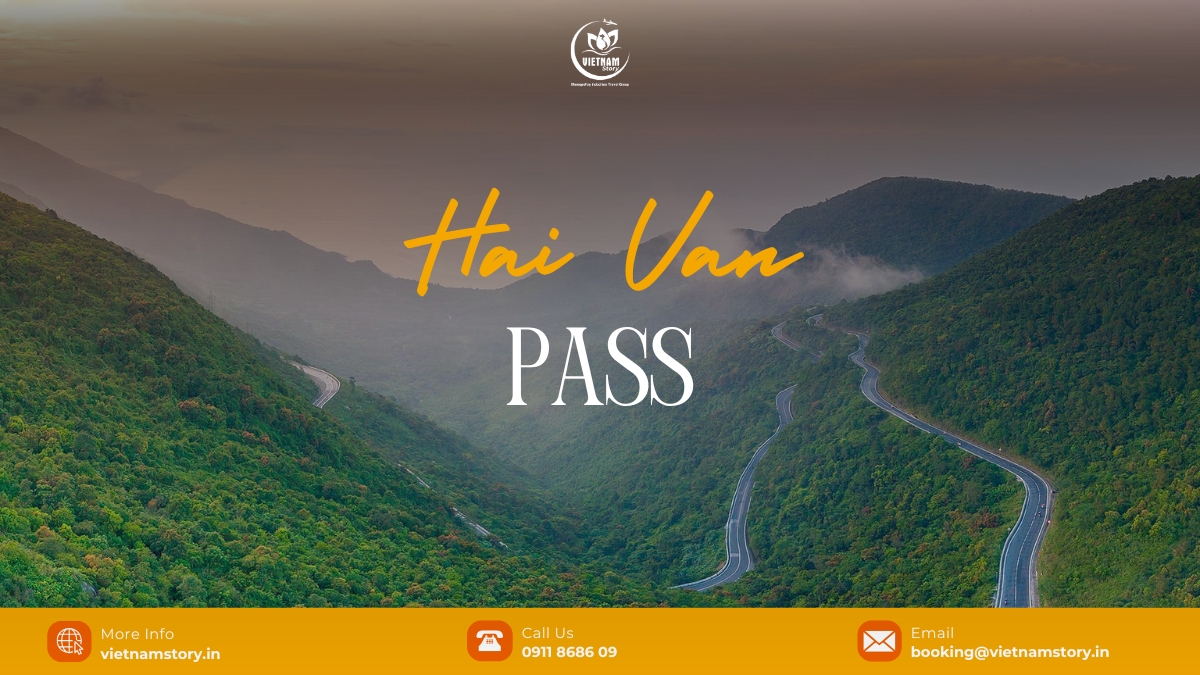
Hai Van Pass is worth taking when the journey between Da Nang and Hue is part of the experience, not just a transfer. The mountain road is about 21 km long and climbs to roughly 490 metres near Hai Van Quan, with views toward Da Nang Bay and Lang Co. For most Indian families, couples carrying luggage, or travellers with seniors, a private car via the pass is the practical default. Self-riding a motorbike needs more caution: riding experience is only one part of the decision; your licence also has to be valid in Vietnam.
Which way should you cross Hai Van Pass?
| Option | Best for | Main trade-off |
|---|---|---|
| Private car via the pass | Families, seniors, couples with luggage, small groups | More expensive than a bus or train, but easy to stop at the summit and viewpoints |
| Self-ride motorbike | Experienced riders who also meet Vietnam’s licence requirements | Weather, mountain-road risk and licence validity are your responsibility |
| Easy Rider / local rider | Travellers who want an open-air ride without driving themselves | Less protection from rain and wind; confirm helmet, luggage handling and operator details |
| Car or coach through Hai Van Tunnel | Travellers who mainly want the quickest road transfer | You miss the pass summit and its viewpoints |
| Train | Travellers who want coastal scenery without riding or hiring a private car | Beautiful rail views, but no freedom to stop on the pass road |
If you are building a wider Central Vietnam route, first decide whether Hue deserves a night or only a day trip. Our Central Vietnam itinerary for Indian travellers explains how we would split Da Nang, Hoi An and Hue without adding unnecessary hotel changes.
How long does Hai Van Pass actually take?
The pass road itself is around 21 km. A continuous crossing can be much shorter than the old “4–5 hours of riding” figure sometimes repeated online. What takes time is the full Da Nang–Hue journey plus stops.
- Da Nang to Hue by road: roughly 95–100 km overall.
- Scenic car via Hai Van Pass: allow about 2.5–3.5 hours for a one-way transfer when short viewpoint stops are included; traffic and weather can extend this.
- Using the tunnel: usually saves time because the vehicle crosses under the mountain instead of climbing the pass.
- Turning it into a sightseeing day: add time deliberately for Hai Van Quan, Lang Co or Lap An Lagoon rather than trying to stop everywhere.
This is why we would not describe Hai Van Pass as a standalone 4–5 hour motorbike ride. For most travellers, it is better understood as the scenic section of a Da Nang–Hue transfer.
Can Indian travellers legally self-ride a motorbike on Hai Van Pass?
Do not assume that an India-issued International Driving Permit automatically makes self-riding legal in Vietnam. Vietnam’s current road-traffic framework recognises an International Driving Permit issued under the 1968 Vienna Convention together with the corresponding national licence and correct vehicle category. India’s Ministry of Road Transport and Highways states that the standard Indian IDP is issued in the 1949 Geneva Convention format. India is also not listed as a party in the UN’s current participant table for the 1968 Convention.
For a short-stay Indian tourist relying only on an Indian licence and India-issued IDP, that creates a legal mismatch. In practical terms, do not rent a scooter just because a rental shop is willing to hand you the keys. If you cannot establish that your licence is valid for the motorcycle category in Vietnam, choose a private car, train, or ride as a passenger with a properly operated local service instead.
Licence rules can change and individual situations differ, so verify your documents with the relevant authorities or your insurer before driving. This also matters for travel-insurance claims after an accident.

Hai Van Tunnel or Hai Van Pass: what is the difference?
The tunnel and the pass solve different travel problems. Cars, vans and coaches can use Hai Van Tunnel when the priority is reaching the other side efficiently. The pass road climbs over the mountain and is chosen for the views and Hai Van Quan stop.
Motorbikes are not permitted to ride through Hai Van Tunnel. Do not plan a self-ride itinerary on the assumption that you can switch to the tunnel if the weather becomes poor. If visibility or road conditions are not suitable, the better decision is to delay the ride or change transport rather than force the crossing.
What is worth stopping for on Hai Van Pass?

Hai Van Quan at the summit
Hai Van Quan is the historic gateway at the top of the pass. The Nguyen Dynasty complex was built in 1826 under Emperor Minh Mang and later restored before reopening to visitors in August 2024. From 2 June 2026, the published admission fee became 70,000 VND per person, with the current fee schedule set to run through 31 December 2028. Check the latest opening information before travelling, especially if your transfer reaches the summit late in the day.
Da Nang and Lang Co viewpoints
On a clear day, the southern side gives broad views back toward Da Nang Bay, while the northern descent opens toward Lang Co and the lagoon landscape. You do not need to stop at every roadside pull-off; two or three safe stops usually preserve the experience without turning a transfer into a long sequence of photo breaks.
Lang Co and Lap An Lagoon
If the pass is part of a one-way Da Nang–Hue transfer, Lang Co or Lap An Lagoon can be a logical additional stop. They make less sense if you are already short on usable time in Hue. Travellers still deciding between Hoi An and Hue can use our Hoi An vs Hue comparison before adding another stop to the route.
What we would skip: unsafe or uncertain photo detours
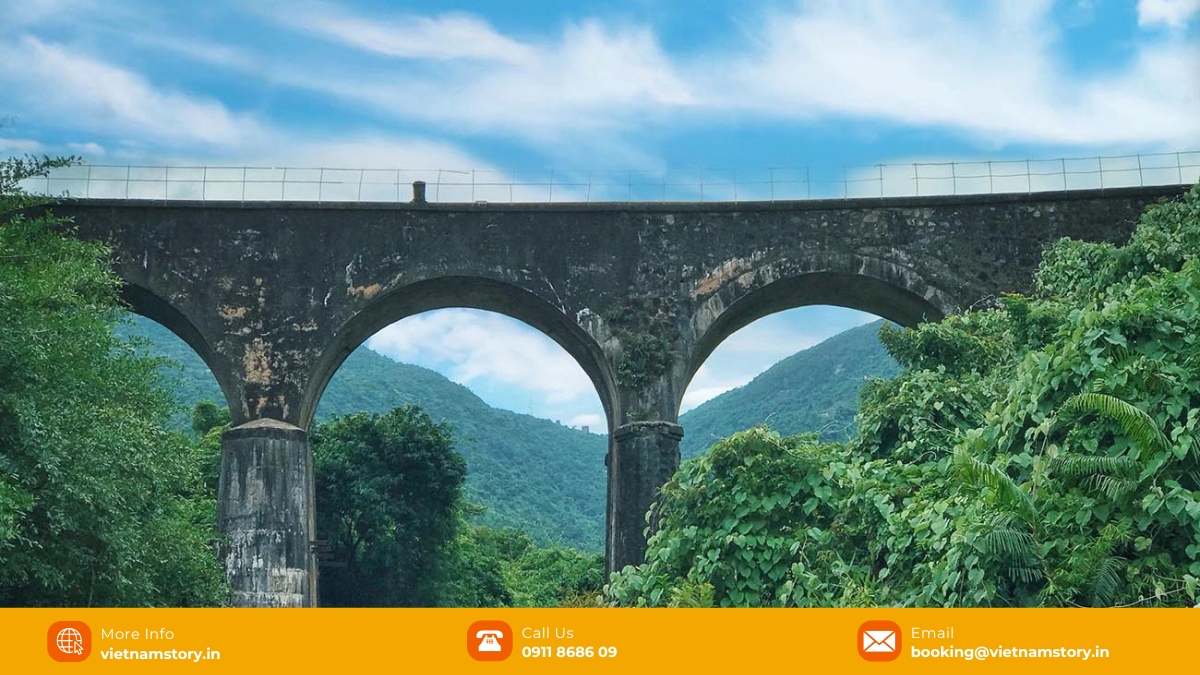
Some social posts promote railway bridges, track-side viewpoints and old infrastructure around Hai Van Pass as “hidden gems”. We would not build an itinerary around entering active railway areas, unofficial paths or access-controlled sites just for a photograph. Use public viewpoints and marked visitor areas instead.
When is the weather suitable for Hai Van Pass?
There is no month that guarantees a clear summit. In general, March to August gives a better chance of drier, clearer road conditions, while the later-year wet period in Central Vietnam is more prone to rain, cloud and reduced visibility. Tropical weather can still change quickly in any month.
For this road, the day-of forecast matters more than a generic “best month”. If the summit is buried in cloud, rain is heavy or visibility is poor, the scenic value drops while the riding risk rises. Check our Da Nang weather guide for the wider seasonal trade-offs, then check the live forecast again before departure.
Hai Van Pass safety: the decisions that matter most
- Do not learn to ride here. Hairpin bends, changing visibility and mixed traffic make the pass a poor place for a first scooter lesson.
- Use a proper helmet and inspect the vehicle. Brakes, tyres, lights and mirrors matter more on a mountain road than rental price.
- Slow down before bends and in mist. Increase following distance, keep to your lane and avoid stopping in the live carriageway for photos.
- Do not ride after dark just to complete the plan. Leave enough daylight for the road and any planned stops.
- Fuel before the climb. Do not design the trip around finding roadside services on the pass.
- Families with young children, seniors or substantial luggage should usually choose a car. The objective is to enjoy the route, not to prove that everyone can tolerate a long exposed ride.
Vegetarian and Jain food: plan before you reach Lang Co
Lang Co is well known for seafood, so strict vegetarian or Jain travellers should not assume every roadside restaurant can provide a suitable meal on request. Vietnamese “vegetarian” dishes may still need clarification about fish sauce, stock, egg, onion or garlic depending on your diet. If your requirements are strict, eat before leaving Da Nang, carry a backup snack, or have the meal stop confirmed in advance rather than making food the deciding factor once you reach the lagoon.
A realistic Da Nang to Hue route via Hai Van Pass
- Morning: leave Da Nang after checking weather and road conditions.
- Pass climb: use one or two safe coastal viewpoints rather than stopping at every bend.
- Summit: visit Hai Van Quan if your timing fits current visitor hours.
- North descent: stop for the Lang Co view; add Lap An Lagoon only if it does not squeeze your Hue time.
- Continue to Hue: treat the pass as part of the transfer, then give Hue enough time for the Imperial City or an overnight stay.
If Da Nang is your main base, compare this route with our Da Nang tour routes for Indian travellers. The useful question is not whether Hai Van Pass is “famous enough” to add, but whether it improves the route you already want to take.
Is Hai Van Pass worth it for your trip?
Yes, when you are already travelling between Da Nang and Hue and the weather is reasonable. In that case, the pass adds scenery and a meaningful heritage stop without creating a completely separate travel day. It is less compelling when your itinerary is already rushed, visibility is poor, or you are adding Hue only to justify the road.
For Indian travellers, we would make the transport decision in this order: first check whether Hue fits your Central Vietnam route; then choose the mode that fits your group; only then decide which viewpoints to stop at. If you want an open-air experience but cannot legally self-ride, being a passenger with an appropriately operated local service is a more sensible alternative than taking a licence risk.
Planning Da Nang–Hue with children, seniors, luggage or specific food needs? Send your travel month, group size and preferred route. We can check whether Hai Van Pass belongs in the itinerary or whether the faster transfer makes more sense.
Hai Van Pass FAQs
How long does it take to ride Hai Van Pass?
The mountain pass itself is about 21 km, so it does not require 4–5 hours of continuous riding. For the full Da Nang–Hue journey, allow roughly 2.5–3.5 hours by the scenic road when normal photo stops are included, and more if you add sightseeing.
Can motorbikes use Hai Van Tunnel?
No. Motorbikes are not permitted to ride through Hai Van Tunnel. Cars and coaches can use the tunnel when speed matters more than the scenic pass.
Is Hai Van Pass suitable for first-time motorbike riders?
We would not recommend it. The road has mountain bends, changing visibility and mixed traffic. A first-time rider also needs to resolve the separate issue of whether their licence is legally valid for that motorcycle in Vietnam.
How much is Hai Van Quan in 2026?
As of October 2026, the published entrance fee for Hai Van Quan is 70,000 VND per person. The fee took effect on 2 June 2026. Check current visitor information before your trip in case hours or operating arrangements change.