
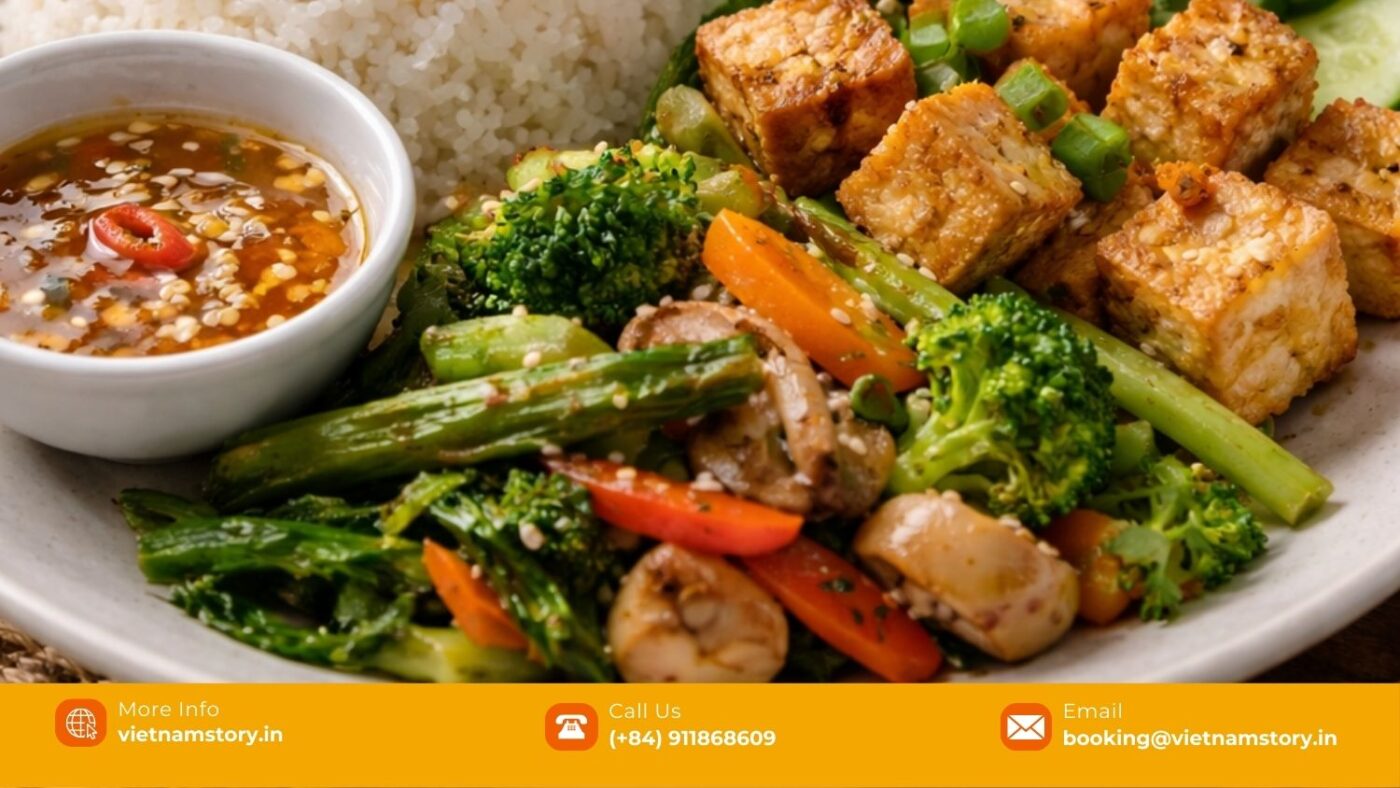
Yes, Vietnam is vegetarian-friendly for most Delhi travellers if you plan your meals with a simple strategy: choose the right regions for your comfort level, learn a small set of food words, and keep reliable “fallback meals” for long travel days.
You will feel most food-comfort in Central and South Vietnam because big cities and tourist hubs offer more Indian-style options, more English-friendly ordering, and easier logistics. North Vietnam can still work well, but it needs a slightly tighter plan for vegetarian clarity and spice expectations.
What “Indian-Friendly Food” Means In Vietnam For Delhi Travellers
Indian-friendly food in Vietnam does not mean you will eat the same food as home every day. It means you can eat comfortably, avoid accidental meat or fish sauces, and keep energy stable during sightseeing days.
For Delhi travellers, “comfort” usually includes four food needs:
- Vegetarian clarity: you can order without hidden meat, fish sauce, or seafood-based broth.
- Spice control: you can manage heat levels and avoid stomach stress from sudden chili intensity.
- Predictable meals on transit days: you have safe choices during flights, road transfers, cruises, and early-morning departures.
- Familiar fallback options: you can find at least one “known comfort meal” every day, even if the rest of your meals are Vietnamese.
Vietnam’s food culture is ingredient-forward and fresh. This helps vegetarians because vegetables, rice, noodles, tofu, herbs, and fruits are common. The main challenge is not “lack of vegetarian food,” but “hidden non-veg elements” like fish sauce, shrimp paste, bone broth, or dried seafood garnish.
North Vs Central Vs South Vietnam: Food Comfort Differences For Delhi Travellers
Choosing North, Central, or South Vietnam changes your food comfort level more than most first-time travellers expect. The difference comes from climate, cooking style, and how easy it is to find vegetarian clarity during busy travel schedules.
North Vietnam (Hanoi, Ninh Binh, Halong Bay Area): Traditional, Balanced, More Broth-Based
North Vietnam often uses lighter seasoning and more broth-based dishes. For vegetarians, broth is the main risk because many soups use meat stock even if the toppings look vegetarian. You can still eat well, but you should rely on clearly vegetarian dishes and ask direct questions.
- Comfort strength: many rice and tofu-based options, easy breakfasts, and plenty of fruit.
- Comfort risk: soups and noodle broths can hide meat stock; fish sauce appears often as a table condiment or mixed sauce.
- Pacing impact: North routes often include early starts for cruises or day trips, so “fallback meals” become important.
Central Vietnam (Da Nang, Hoi An): Tourist-Friendly, Flexible Dining, Easy Veg Signalling
Central Vietnam usually feels easiest for Indian travellers who want both Vietnamese food and occasional Indian-style meals. Da Nang and Hoi An have more tourist-facing menus, clearer ordering, and a wide range of comfort options after beach days or walking-heavy sightseeing.
- Comfort strength: high availability of vegetarian plates, tofu dishes, rice bowls, fresh juices, and international menus.
- Comfort risk: some sauces and broths still include fish sauce or seafood base, but it is easier to clarify with staff.
- Pacing impact: Central routes often feel “lighter” and more relaxed, which supports digestion and meal planning.
South Vietnam (Ho Chi Minh City, Mekong Area): Big-City Variety, International Food, Fast Logistics
South Vietnam is often the most “choice-rich” region for Delhi travellers. Ho Chi Minh City has wide dining variety and quick access to familiar food styles when you want a break from new flavours.
- Comfort strength: many vegetarian and international choices, flexible dining hours, and easy meal options around malls and busy districts.
- Comfort risk: street food can be sauce-heavy; you need clear communication to avoid fish sauce or dried seafood garnish.
- Pacing impact: the South can feel faster and hotter; hydration and spice control matter more.
Food comfort is not only about “what exists,” but about “how reliably you can access it” during your route. If your trip is short and you want minimal friction, Central and South are usually easier. If you want North highlights too, plan your veg signals and fallback meals carefully.
After you compare regions for overall comfort and pacing, you may also want to align food expectations with your route choice. See Hanoi vs Da Nang vs Ho Chi Minh from Delhi once you have clarity on what pace and climate feel best for your group.
Vegetarian Strategy That Works Across Vietnam
The most reliable vegetarian plan is not “finding the perfect restaurant.” It is a repeatable system you can use in any city, any day, and any schedule.
Step 1: Decide Your “Daily Food Mix” Before You Travel
Most Delhi travellers feel comfortable with a simple mix:
- 1 comfort meal per day (Indian-style, or simple vegetarian staples).
- 1 Vietnamese vegetarian meal per day (tofu, rice, vegetables, fresh rolls without meat).
- 1 flexible meal (depends on your tour timing, energy, and appetite).
This mix reduces stress because you are not trying to “solve every meal.” You are choosing a rhythm that supports energy, digestion, and mood.
Step 2: Use Clear Veg Signals Instead Of Long Explanations
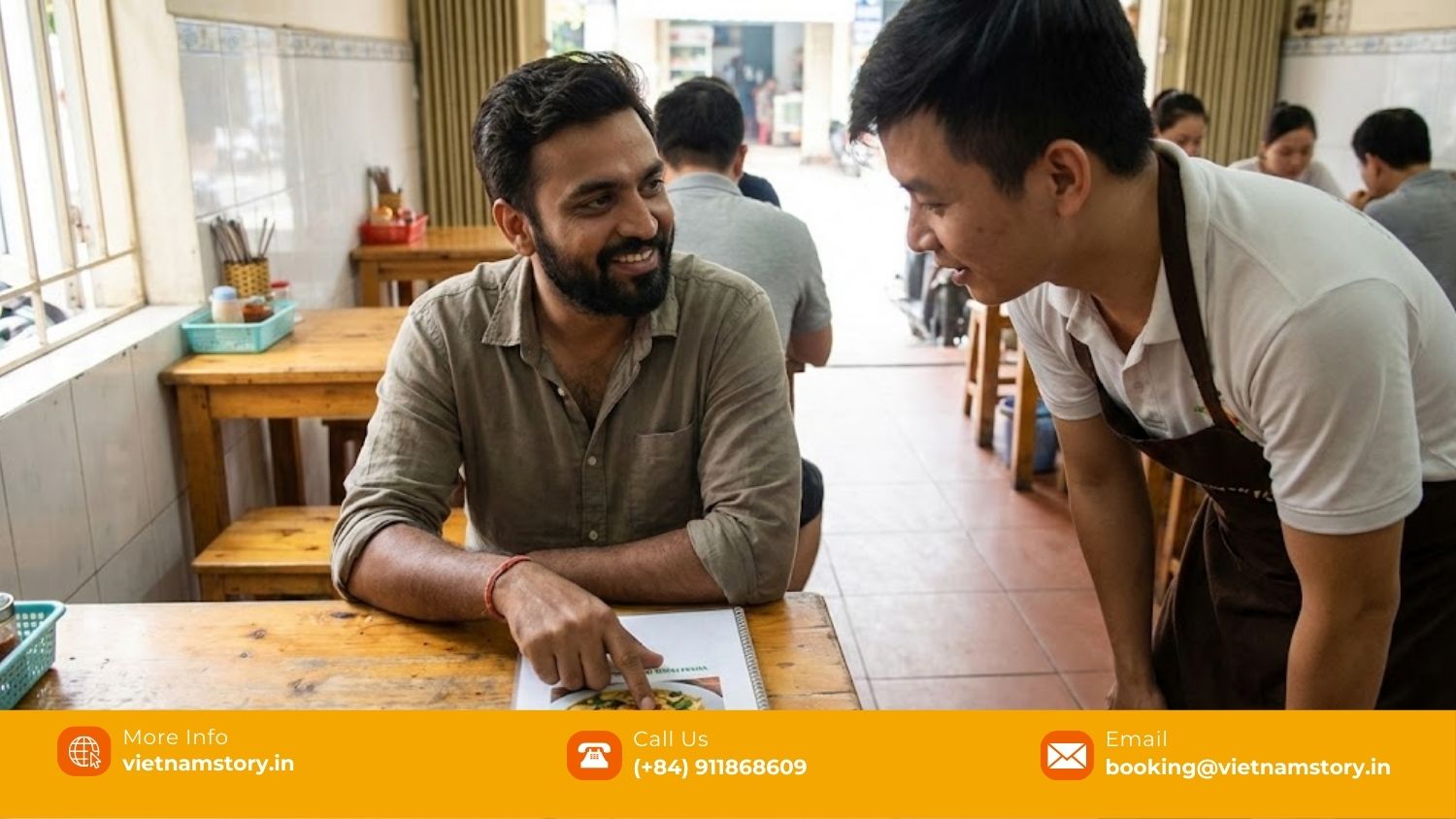
In Vietnam, short, direct requests work better than detailed stories. Use clear phrases and repeat them once.
- “No meat, no fish, no egg” if you are strict vegetarian.
- “No fish sauce” if you want full vegetarian clarity.
- “Tofu and vegetables only” when ordering noodles or rice dishes.
Many misunderstandings happen when “vegetarian” is interpreted as “no big meat pieces” but still includes fish sauce or seafood-based broth. Being explicit is the comfort shortcut.
Step 3: Pick “Low-Risk Dish Types” On Transit And Tour Days
On days with early starts, long drives, or boat schedules, choose low-risk formats:
- Dry rice or rice bowls with vegetables and tofu (less broth risk).
- Stir-fried vegetables with plain rice.
- Fresh fruit, yogurt, and nuts as backup.
Broths and mixed sauces are the common hidden non-veg risk. Dry dishes reduce uncertainty.
Step 4: Keep A “Spice And Stomach Buffer” Routine
Delhi travellers often handle spice well, but digestion can still get stressed by new oils, new herbs, and irregular meal timing. A buffer routine helps:
- Hydrate early: start your day with water before coffee or tea.
- Use spice in a controlled way: add chili slowly instead of accepting default heat.
- Balance meals: pair spicy or fried food with plain rice, soup-free vegetables, or fruit.
How Food Comfort Plays Out In Hanoi, Da Nang, And Ho Chi Minh City
This section gives city-based examples without becoming a directory. The goal is to show how your vegetarian strategy changes slightly by region and pace.
Hanoi: Best For Veg When You Prioritize Clarity Over Experimentation
Hanoi works well for vegetarians when you choose simple formats and communicate clearly. You may see many noodle dishes, but the broth question is the key comfort filter.
- Best comfort approach: choose tofu-and-vegetable plates, rice meals, and clearly vegetarian dishes rather than “customizing” broth-heavy noodles.
- Where misunderstandings happen: soups, “vegetable noodles” made with meat stock, or sauces mixed before serving.
- Good rhythm: heavier breakfast, lighter lunch, early dinner if you have a next-day cruise or early tour.
Da Nang: Best For Balanced Days With Easy Meal Recovery
Da Nang’s comfort advantage is flexibility. After beach time or long sightseeing, it is easier to find simple, non-stress meals and keep your digestion stable.
- Best comfort approach: keep one familiar meal daily if needed, then explore Vietnamese vegetarian options when you feel relaxed.
- Where misunderstandings happen: sauces and seafood garnish in mixed dishes.
- Good rhythm: lighter lunch in heat, earlier dinner to avoid late-night heavy meals.
Ho Chi Minh City: Best For Choice, But You Need Structure
Ho Chi Minh City gives you the most variety, which is both a benefit and a trap. Too many options can lead to irregular meal timing and overeating on the first hot day.
- Best comfort approach: plan meal times around traffic and tours, keep hydration high, and avoid making every meal a “big decision.”
- Where misunderstandings happen: street snacks with hidden fish sauce, or “vegetable dishes” topped with dried seafood.
- Good rhythm: consistent breakfast, lighter lunch, and a calm dinner after your day tours.
If your route choice is still open, align food comfort with climate and pacing. This is especially useful when deciding between North, Central, or South as your primary region focus.
Indian Meals In Vietnam: When You Actually Need Them (And When You Don’t)
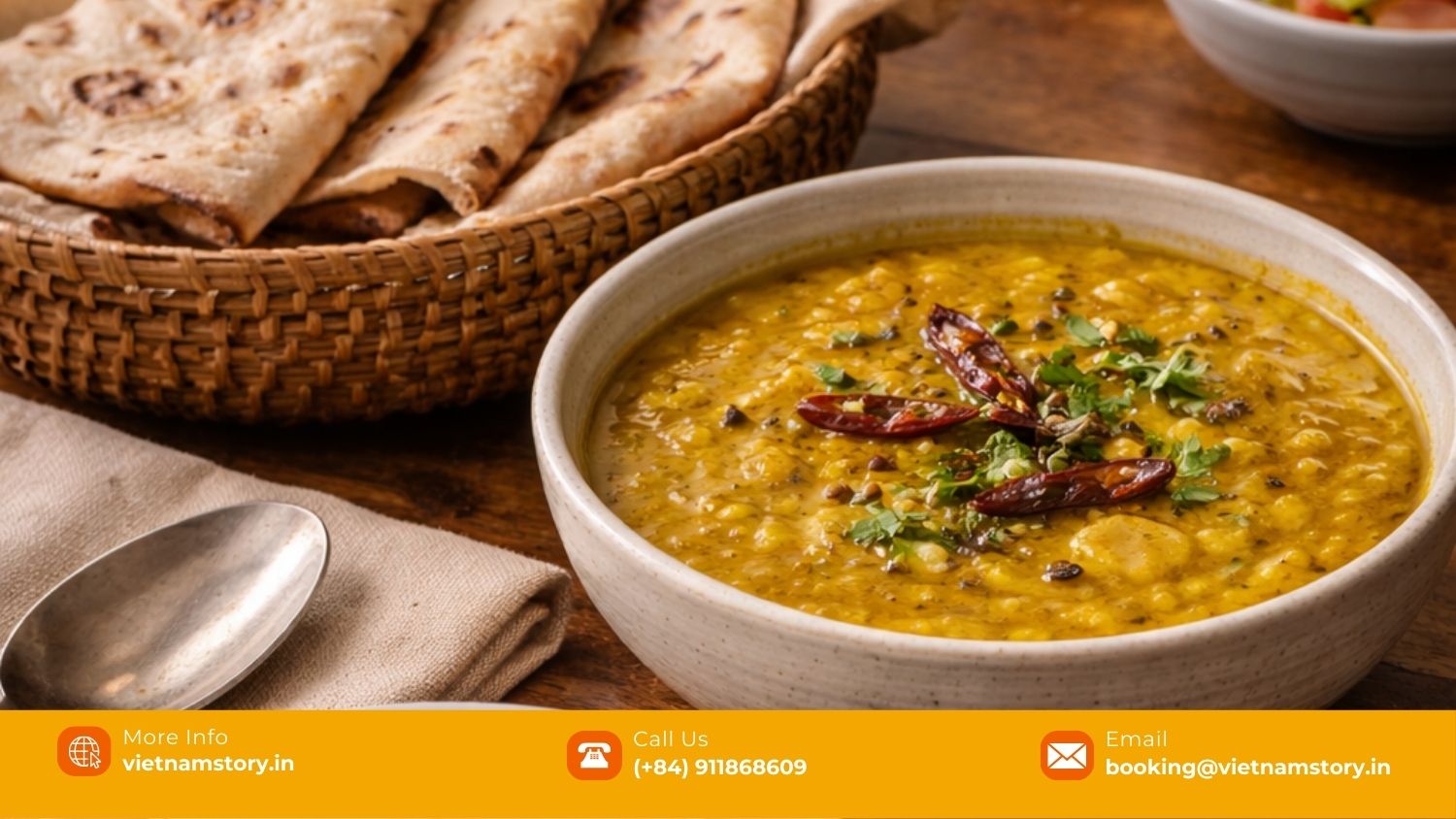
Indian meals in Vietnam are most helpful as a comfort tool, not as the main plan. Many Delhi travellers feel best when they use Indian food in three specific situations.
Situation 1: First 24 Hours After Landing
Your first day sets your energy and confidence. If you are tired from travel, a familiar meal helps you stabilize quickly. It also reduces anxiety about “what will I eat here?” which improves the entire trip experience.
Situation 2: After A Long Day Trip Or Cruise Schedule
On days with early starts and fixed schedules, you have less control over meal timing. A familiar meal in the evening can feel like a reset.
Situation 3: When Travelling With Seniors Or Kids
Families and seniors often prefer predictable meals. Indian food becomes a comfort anchor, especially when the group’s appetite or spice tolerance varies.
Outside these situations, many Indian travellers enjoy Vietnamese vegetarian dishes because they are lighter and less oily than typical heavy meals. The best comfort pattern is not “Indian every day,” but “Indian when it supports your pacing.”
If you are choosing your trip style based on who is travelling with you, use traveller-type planning to match food comfort with pace and free time. See Vietnam group tour from Delhi for how meal comfort and schedule intensity often change between couples, families, seniors, and groups.
Vegetarian Safety: The Hidden Ingredients Delhi Travellers Usually Miss
Most vegetarian issues in Vietnam come from hidden ingredients rather than obvious meat. Knowing these in advance is the fastest way to avoid accidental non-veg meals.
Fish Sauce And Shrimp-Based Condiments
Fish sauce can appear as a table condiment or mixed into dipping sauces. Shrimp paste or dried shrimp can also appear in seasoning. If you want strict vegetarian meals, ask directly for no fish sauce and no shrimp-based condiments.
Broth And Stock In Soups And Noodles
Even “vegetable noodles” can be prepared with meat stock. If you want soup, ask for vegetarian broth or choose dry noodle dishes with tofu and vegetables.
Seafood Garnish On “Vegetable” Dishes
Dried seafood toppings can be added for flavour. This is common enough that it is worth a quick check before you eat.
Egg And Dairy Assumptions
Some vegetarians are fine with egg, some are not. Communicate clearly. Vegan and strict vegetarian are not always assumed, so clarity is key.
Comfort Planning By Trip Length And Pace (Delhi Travel Constraints)
Your meal comfort is strongly tied to how intense your route is. Delhi travellers often underestimate how pacing affects digestion and appetite.
Short Trips (4 To 5 Days): Reduce Food Decision Load
On short trips, you do not want to spend energy searching for perfect meals. Use a simple plan:
- Choose low-risk vegetarian formats during day tours.
- Keep one comfort meal daily if the group needs it.
- Avoid heavy experimentation on the same day as long transfers.
Medium Trips (6 To 7 Days): Use A Region-Based Food Rhythm
With more days, you can pace your meals by region and climate:
- In hotter cities, prioritize hydration and lighter lunches.
- On walking-heavy days, add more carbs early to avoid late snacking.
- Plan “easy meals” after long tours instead of late-night heavy eating.
Longer Trips (8 To 10 Days): Prevent Food Fatigue
Food fatigue happens when you either eat only comfort meals or only unfamiliar meals for too long. Balance keeps the trip enjoyable:
- Alternate between Vietnamese vegetarian meals and familiar options.
- Use fruit and simple snacks to stabilize energy between meals.
- Keep at least one “known safe” meal option in every destination.
Practical Comfort Tips: Ordering, Snacks, And Hydration In Vietnam
These tips reduce friction in real travel situations: airports, day tours, cruises, and city walking.
Ordering Strategy: Keep It Short And Repeatable
When you order, reduce complexity. A short, repeatable phrase works better than long explanations. If you feel uncertain, choose tofu-and-vegetable dishes in dry formats.
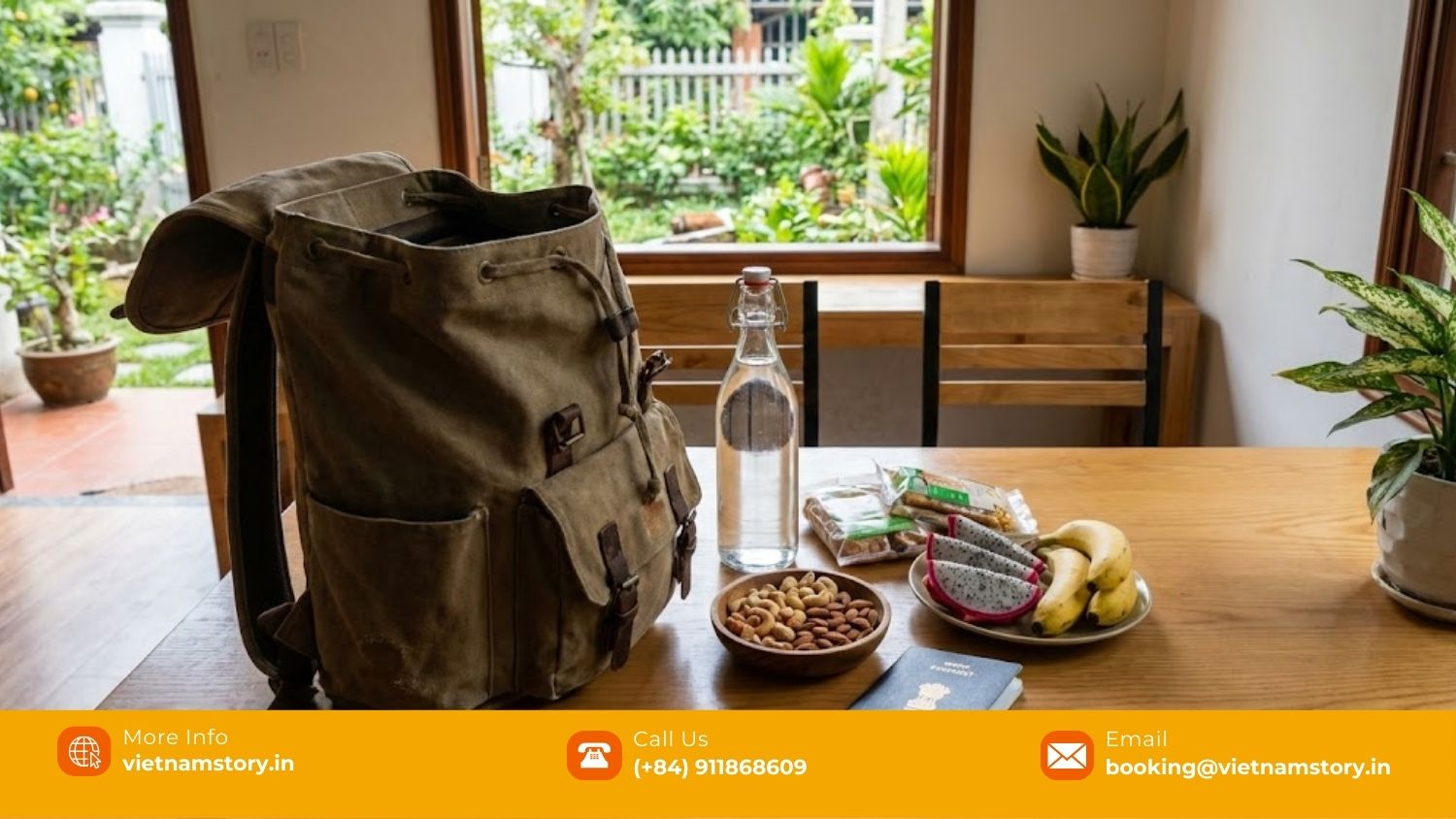
Snack Strategy: Carry A Small “Delhi Traveller Kit”
A small kit prevents low-energy moments when you cannot find quick vegetarian clarity:
- Dry snacks you trust (nuts, biscuits, energy bars).
- Electrolyte sachets for hot days and long walks.
- A light digestive buffer you already use at home if needed.
Hydration Strategy: Plan Water Like You Plan Transport
Hydration is the simplest comfort lever in Vietnam’s humidity. Many stomach issues feel worse when you are dehydrated. Use a routine:
- Drink water early in the morning before sightseeing.
- Increase hydration on beach days and walking-heavy days.
- Balance caffeine with water, especially in hot southern cities.
Food Comfort And Entry Planning: Why Visa Timing Affects Your First-Day Eating
Your first-day meal comfort depends on how smooth your entry is. Long waits, uncertain documents, or late-night arrivals can disrupt meal timing and push you into rushed choices.
If you want to reduce first-day friction, confirm your entry steps early so you arrive calmer and can choose your first meal intentionally rather than urgently.
For Delhi travellers, this is best handled as part of your pre-trip checklist. See Vietnam e-visa process from Delhi after you finalize your travel dates, so you can plan arrivals, transfers, and first-day meals with less uncertainty.
How Food Comfort Connects To Your Tour Format
Food comfort is easier when your day structure is predictable. A well-paced route reduces rushed meals, late dinners, and sudden long transfers that stress digestion.
If your group prefers comfort-first travel, choose a tour format that gives consistent meal timing, realistic sightseeing blocks, and enough downtime to eat calmly. This matters for families, seniors, and mixed-age groups.
Once you know your comfort priorities, it helps to view options designed specifically around Delhi travel patterns and typical trip durations. See Vietnam Tour Packages From Delhi after you decide whether your group wants a slower, comfort-led route or a faster, highlight-driven pace.
Common Mistakes Delhi Travellers Make With Vegetarian Planning In Vietnam
Avoiding these mistakes reduces most food stress instantly.
- Assuming “vegetarian” automatically excludes fish sauce: always clarify if you need strict vegetarian meals.
- Over-relying on soups and broths: choose dry formats on busy days to reduce hidden stock risk.
- Making every meal a big decision: use a simple daily rhythm with one comfort meal and one Vietnamese vegetarian meal.
- Ignoring climate impact: hydration and lighter lunches matter more in hot and humid conditions.
- Skipping snacks on tour days: a small backup kit prevents rushed choices and energy dips.
Why Vietnam Story Feels Different For Food Comfort And Vegetarian Confidence
Vietnam Story approaches food comfort the same way we approach route design: we start with your traveller profile, your pace preferences, and your real constraints from Delhi. That keeps food planning practical instead of idealistic.
Our planning is route-first. We connect climate, travel time, and daily energy patterns so you can eat calmly, not urgently. This matters most on cruise days, early departures, and long transfer routes.
We understand Indian outbound travel behaviour. We plan for vegetarian clarity, predictable meal timing, and the need for familiar fallback options without removing the joy of trying Vietnamese vegetarian food.
We also bring on-ground Vietnam knowledge into comfort decisions. That means you get realistic pacing, city-specific food expectations, and practical strategies that work across North, Central, and South Vietnam without turning your trip into a restaurant hunt.
Recommended Tours
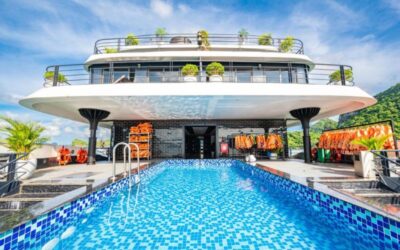
Hanoi - Lan Ha Bay - Dark And Bright Cave - Hanoi
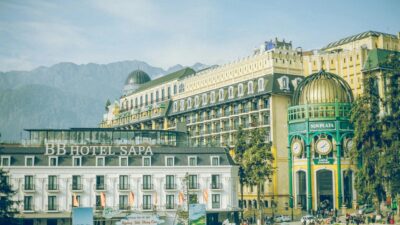
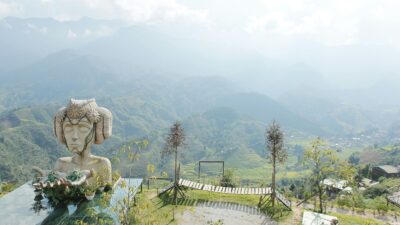
Group tours
10D9N Fall In Love With Vietnam Highlights From North To South
Hanoi - Sapa - Cat cat Village - Ninh Binh - Halong Bay - Da Nang - Golden Bridge - Hoi An - Ho Chi Minh City - Mekong Delta - Cu Chi Tunnels

North And South Of Vietnam with Mui Ne Beach
Hanoi - Halong bay overnight on cruise - Ho Chi Minh- Mekong delta - Muine - Jeep tour sand dunes
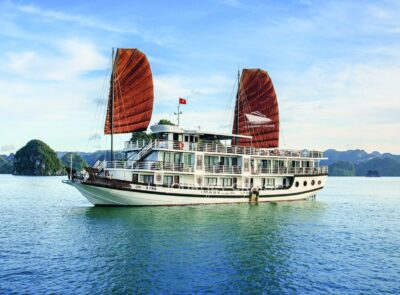
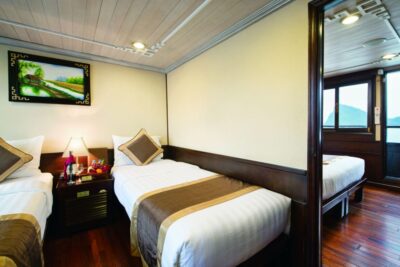
Le Journey Ha Long Cruise – 2D1N
Surprising cave - Titop island- Luon Cave


Wonderful Vietnam Trip From South To North
Ho Chi Minh - Cu chi tunnels - Mekong Delta tour - Danang- Bana Hill - Golden Bridge - Hoian - Hanoi - Halong bay overnight cruise

Fascinating Trip To Vietnam And Siem Reap in 2 weeks
Hanoi - Halong bay - Da Nang - Hoi An - Ho Chi Minh - Phu Quoc - Siem Reap