
If you want to add a national park to a Vietnam trip, choose it from the route first. Phong Nha–Kẻ Bàng is the obvious choice for caves, Cúc Phương fits naturally with Ninh Bình, Cát Tiên works best from southern Vietnam, and Phú Quốc National Park is useful when the island is already in your itinerary. Trying to choose from a generic “best national parks in Vietnam” list can add a long transfer for an experience that another park could give you more naturally.
This guide compares seven actual national parks by the experience they offer, how much time they need and where they fit in a first Vietnam route. One common name is deliberately kept separate: Pù Luông is a nature reserve, not a national park.
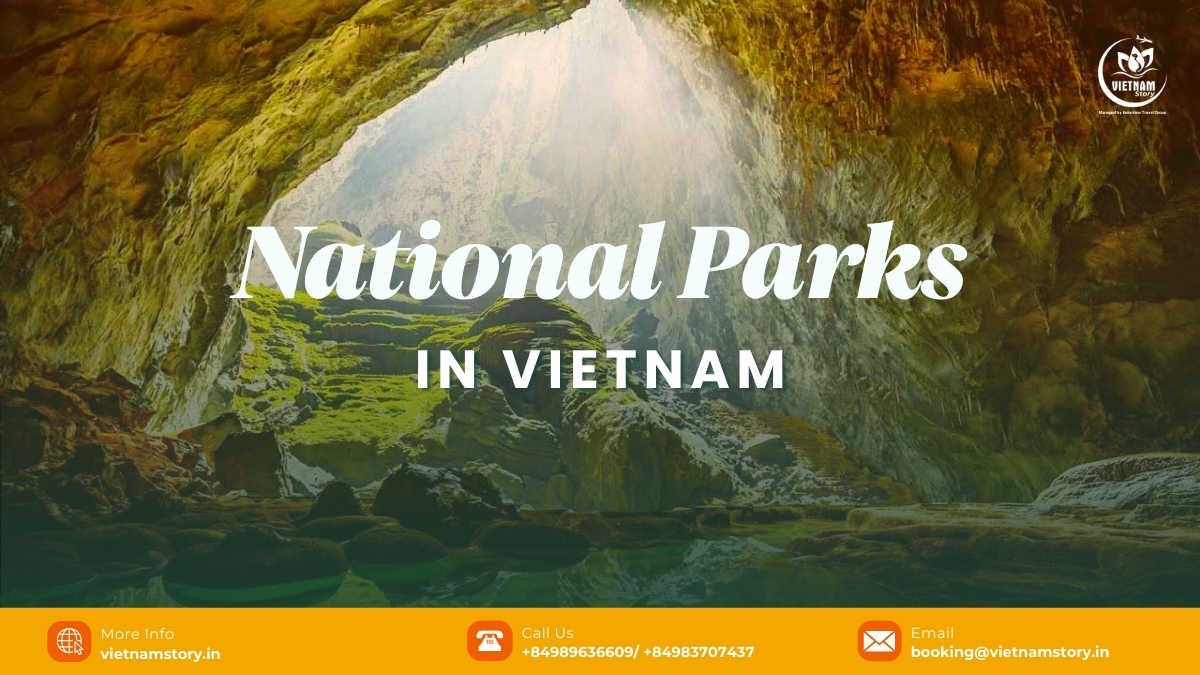
Which national park in Vietnam should you choose?
| National park | Choose it for | How it fits a trip |
|---|---|---|
| Phong Nha–Kẻ Bàng | Caves, karst landscapes, guided adventure | Give Central Vietnam at least 2–3 days if caves are a real priority. |
| Cúc Phương | Ancient forest, conservation centres, walking | Easy to combine with a Ninh Bình stay. |
| Cát Tiên | Lowland rainforest, wildlife, wetlands | Better as an overnight nature block than a rushed city day trip. |
| Ba Bể | Lake, limestone scenery, villages, slow travel | Works when you can give northeast Vietnam 2–3 days. |
| Bạch Mã | Mountain trails, waterfalls, cooler forest | Fits a Huế / Central Vietnam route. |
| Cát Bà | Island forest, hiking, Lan Hạ Bay context | Use when Cát Bà / Lan Hạ is already part of the northern route. |
| Phú Quốc | Tropical forest and a quieter side of the island | Combine with a north/northeast Phú Quốc day rather than crossing the island only for a park label. |
1. Phong Nha–Kẻ Bàng: choose it when caves are the main reason for the detour
Phong Nha–Kẻ Bàng is the park we would choose when the trip is specifically about caves, karst geology and guided adventure. The official park site confirms its World Heritage status and notes two important recent milestones: in 2025 the World Heritage property became transboundary with Hin Nam No National Park in Laos, and in 2026 Phong Nha–Kẻ Bàng was designated a World Biosphere Reserve.
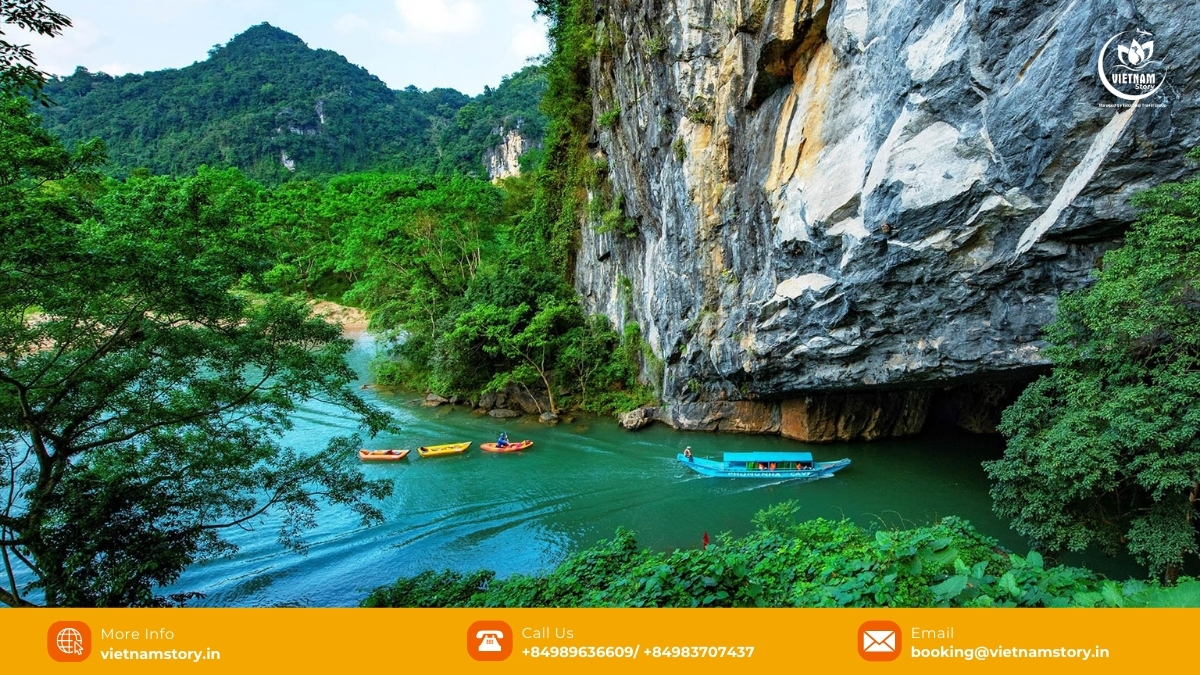
The park is not one attraction. A visitor can choose easier cave visits, river-based access or much more demanding guided expeditions. Son Doong and specialist cave routes are not casual walk-in sightseeing; they use controlled expedition systems and need separate planning.
We would allow: at least two nights in the area when Phong Nha is important. One rushed stop between distant cities misses the point.
2. Cúc Phương: the easiest national park to add to a Ninh Bình route
Cúc Phương is Vietnam’s oldest national park and one of the most practical choices for travellers who already plan to stay in Ninh Bình. The experience is forest-led rather than viewpoint-led: walking, conservation work, caves, old trees and seasonal wildlife all matter more than one “must-see” photo stop.
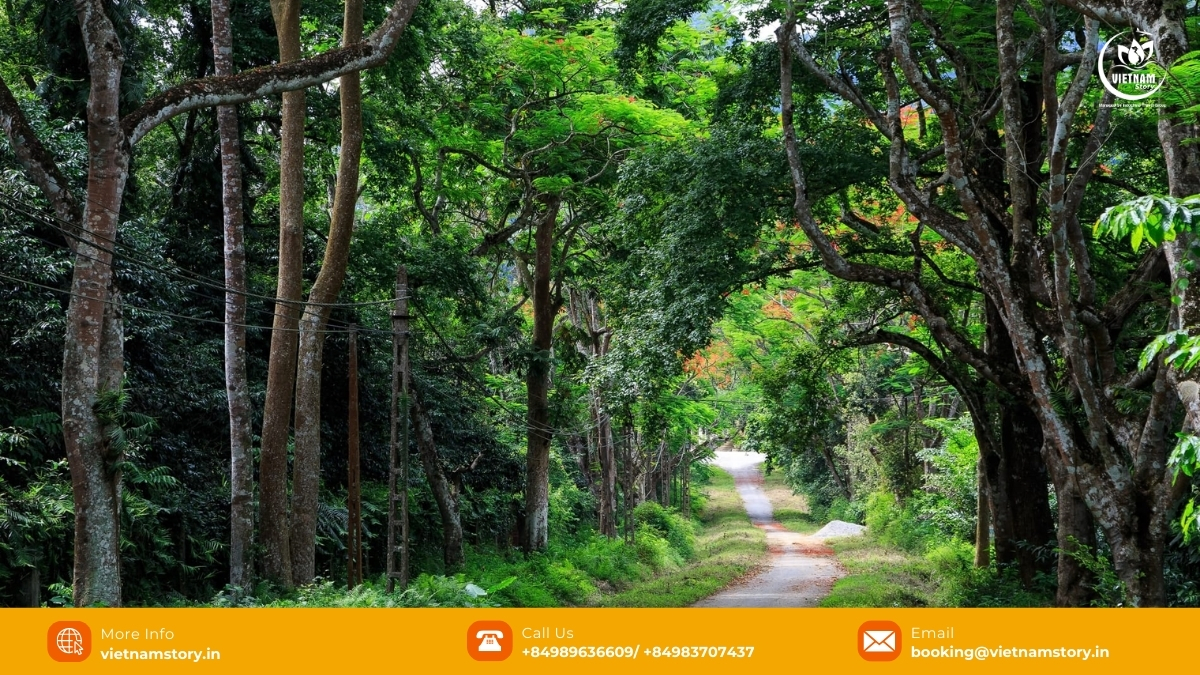
For trail choices, conservation centres, current practical checks and the butterfly-season question, continue to our Cúc Phương National Park guide. If you are still deciding how many days to give the region, use Things to Do in Ninh Binh.
We would allow: a full day from a Ninh Bình base, or longer if trekking and wildlife are priorities.
3. Cát Tiên: choose it for a real rainforest block, not a quick city excursion
Cát Tiên is one of the stronger choices for travellers who want southern lowland rainforest, wildlife habitat and wetland landscapes. It can be reached from southern Vietnam, but the transfer and the park experience make more sense when you protect an overnight rather than treat it as another attraction squeezed into a Ho Chi Minh City programme.
Wildlife sightings are never guaranteed. The value is the habitat itself: forest trails, early or late-day activity, birdlife and the chance to understand a very different ecosystem from Vietnam’s coastal and karst destinations.
We would allow: 2 days / 1 night as a more realistic first visit.
4. Ba Bể: choose the lake and villages, not just the national-park label
Ba Bể works best for a slower northern trip. The lake, limestone landscape, caves, waterways and local villages are the reason to go. It is not the national park we would add to a short Hanoi–Ninh Bình–Ha Long itinerary unless the traveller specifically wants a quieter northeast route.
The main trade-off is time. Reaching Ba Bể takes more commitment than visiting a park already on a major tourist corridor, so the experience becomes worthwhile when you can sleep in the area and let the lake day move slowly.
We would allow: 2–3 days from Hanoi for the full detour rather than a rushed return journey.
5. Bạch Mã: a mountain-and-waterfall day for a Central Vietnam itinerary
Bạch Mã is the easiest park on this list to understand from a Central Vietnam route: higher-elevation forest, mountain viewpoints, trails and waterfall systems. It fits travellers already using Huế and the central coast much better than someone who would need to add a special domestic flight just for the park.
Weather matters quickly at elevation. A trail that feels straightforward in dry conditions can be a very different walk after heavy rain, so use the recent forecast and park access information rather than one fixed “best month” rule.
We would allow: one full day when the weather is suitable; more if hiking is a major trip theme.
6. Cát Bà: combine island forest with the Lan Hạ Bay route
Cát Bà National Park makes most sense when Cát Bà Island or Lan Hạ Bay is already part of the northern itinerary. The value is the contrast between forested karst terrain and the surrounding marine landscape, not simply adding another national park name to a Ha Long trip.
Choose a trail from current park conditions and your fitness level. If your main priority is kayaking, villages, beaches or the bay itself, our Things to Do in Lan Ha Bay guide is the better planning owner for that part of the trip.
We would allow: at least one protected half/full day for the park inside a Cát Bà stay.
7. Phú Quốc National Park: use it to see the island beyond beaches and parks
Phú Quốc National Park gives a different reason to visit the island: forest roads, protected landscape and a quieter north/northeast route. It should not be presented as one compact attraction with a single entrance, loop and checklist.
Use our Phu Quoc National Park guide for access and route planning. The most efficient day often combines the forest context with another north-island or countryside stop instead of driving across Phú Quốc only to “tick off” the park.
We would allow: a flexible half/full day depending on the roads, weather and other north-island stops.
Pù Luông is worth visiting—but it is a nature reserve, not a national park
This distinction matters because older travel articles often mix national parks and nature reserves into one list. Pù Luông Nature Reserve is absolutely relevant for rice terraces, village stays, walking and a slower rural route, but it should not occupy one of the “national parks in Vietnam” slots.
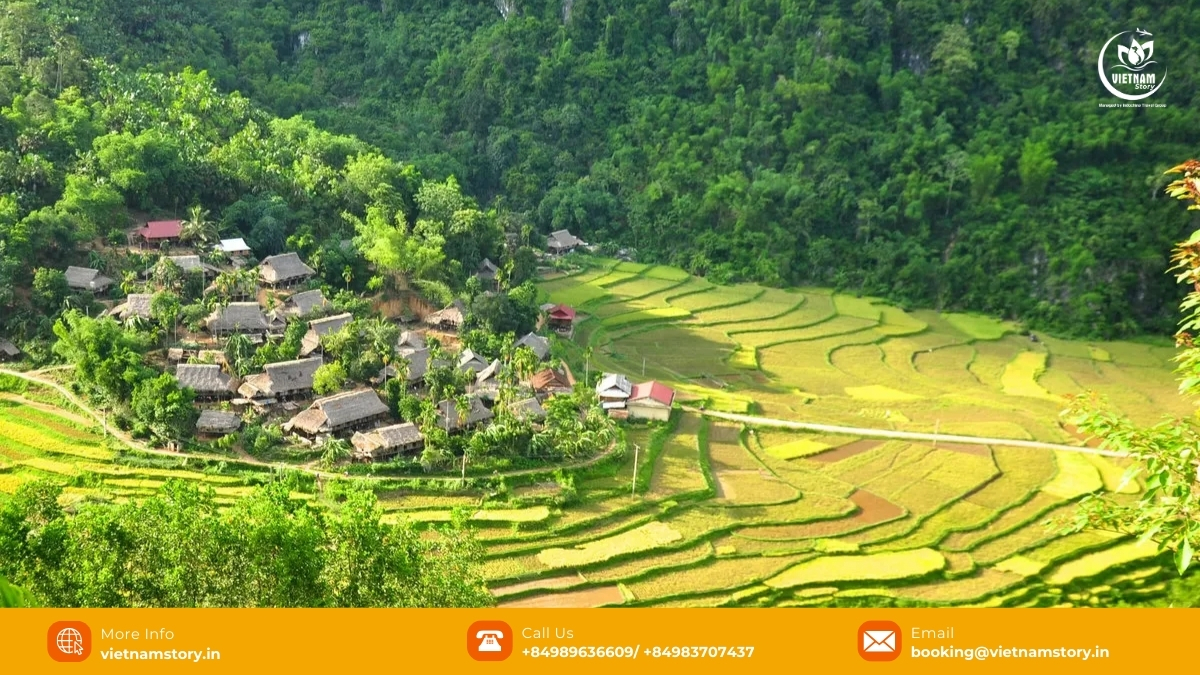
If rice terraces and active travel are more important than the legal protected-area category, Pù Luông may still fit your trip better than several national parks. Use our Vietnam adventure itinerary to compare the wider route.
National park or nature reserve: what difference matters to a traveller?
You do not need to choose only by legal category, but the label should be accurate. A national park, nature reserve, biosphere reserve and UNESCO World Heritage property are not interchangeable terms. The travel decision is simpler:
- For caves: Phong Nha–Kẻ Bàng.
- For Ninh Bình + forest: Cúc Phương.
- For southern rainforest and wildlife: Cát Tiên.
- For lake + slow northeast route: Ba Bể.
- For Central Vietnam hiking: Bạch Mã.
- For Cát Bà / Lan Hạ: Cát Bà National Park.
- For forest inside a Phú Quốc holiday: Phú Quốc National Park.
- For rice terraces and village stays: Pù Luông Nature Reserve.
How much time should you budget?
| Trip situation | What we would do |
|---|---|
| 5-day first Vietnam trip | Only add a park already on the route, such as Cúc Phương with Ninh Bình. |
| 7–10 days | Protect one nature block if it replaces—not adds to—another long transfer. |
| Adventure-focused trip | Use 2–3 days for a park such as Phong Nha, Cát Tiên or Ba Bể. |
| Phú Quốc / Cát Bà already booked | Use the island national park as part of the local route rather than creating another domestic sector. |
What to check before a national-park day
- Current access: roads, trails and caves can close because of weather, maintenance or conservation rules.
- Guide requirement: specialist caves and some remote routes need organised access; do not assume every trail is independent.
- Fitness: distinguish a viewpoint walk from a proper forest trek.
- Weather: recent rain matters more than an evergreen “best season” sentence. Use our Vietnam weather guide for regional context.
- Wildlife expectations: parks protect habitat; they are not zoos, and sightings are never guaranteed.
- Leave no trace: stay on permitted routes, do not feed wildlife and carry rubbish out where facilities are limited.
Which national park would we add to a first Vietnam trip?
We would choose the park that replaces the least useful transfer. For a classic northern route, that often means Cúc Phương because Ninh Bình is already nearby. For an adventure trip, Phong Nha–Kẻ Bàng can justify its own multi-day block. For a southern nature trip, Cát Tiên is stronger when you can stay overnight. And if your holiday is already on Phú Quốc or Cát Bà, use the national park on the island rather than flying elsewhere just to add another protected area.
That route-first approach is more useful than ranking seven parks from “best” to “worst”. They solve different travel decisions.