

Vietnam is an excellent destination for active travellers because “adventure” here does not mean only difficult trekking. One trip can combine limestone landscapes in Ninh Binh, mountain trails around Sapa, dramatic road journeys through Ha Giang and caves inside Phong Nha-Ke Bang National Park but trying to include all of them is rarely the best plan. For Indian travellers building a Vietnam adventure itinerary, our approach at Vietnam Story is to decide how active you actually want the trip to be before choosing the route. A useful starting point is: Ninh Binh for accessible nature → Sapa for trekking → Ha Giang for road-based mountain adventure → Phong Nha for caves and national-park experiences. Each can be adventurous, but in a different way.
First, choose your adventure level
Difficulty should be judged by the activity, not simply the destination.
| Destination | Main Experience | Typical Activity Level | Best For |
| Ninh Binh | Rivers, limestone scenery, cycling, viewpoints | Easy – Moderate | First-time active travellers |
| Sapa | Mountain trekking, valleys, villages | Moderate, route-dependent | Hikers |
| Ha Giang | Mountain roads, viewpoints, remote landscapes | Moderate – Demanding | Road-adventure travellers |
| Phong Nha | Caves, jungle, national park | Easy – Very Demanding | Nature and cave travellers |
Difficulty varies significantly by route, weather, duration and individual fitness. Specialist cave expeditions and technical activities require separate assessment and should not be treated like normal sightseeing. That distinction is important. You do not need to be an experienced trekker to build a Vietnam nature itinerary. You simply need to choose activities appropriate to your fitness and comfort.
Ninh Binh
Ninh Binh is one of our favourite starting points for travellers who want more nature without immediately committing to a demanding trek. From Hanoi, it fits naturally into a Northern Vietnam route.
Trang An and the surrounding landscape combine waterways and limestone formations, while cycling and walking allow travellers to experience the countryside at a more active pace.
Some viewpoints require climbing and can feel significantly harder in heat or humid conditions, so “easy destination” should not be interpreted as “every activity is effortless”. The advantage is flexibility. One traveller can enjoy a boat journey while another adds cycling or a viewpoint climb. For families or first-time active travellers, that makes Ninh Binh an excellent introduction.
Ninh Binh becomes particularly easy to include when Hanoi is already the base for the northern section of your trip. Our North Vietnam Itinerary for Indian Travellers shows how nature destinations can be combined without turning every day into another long transfer.
Sapa
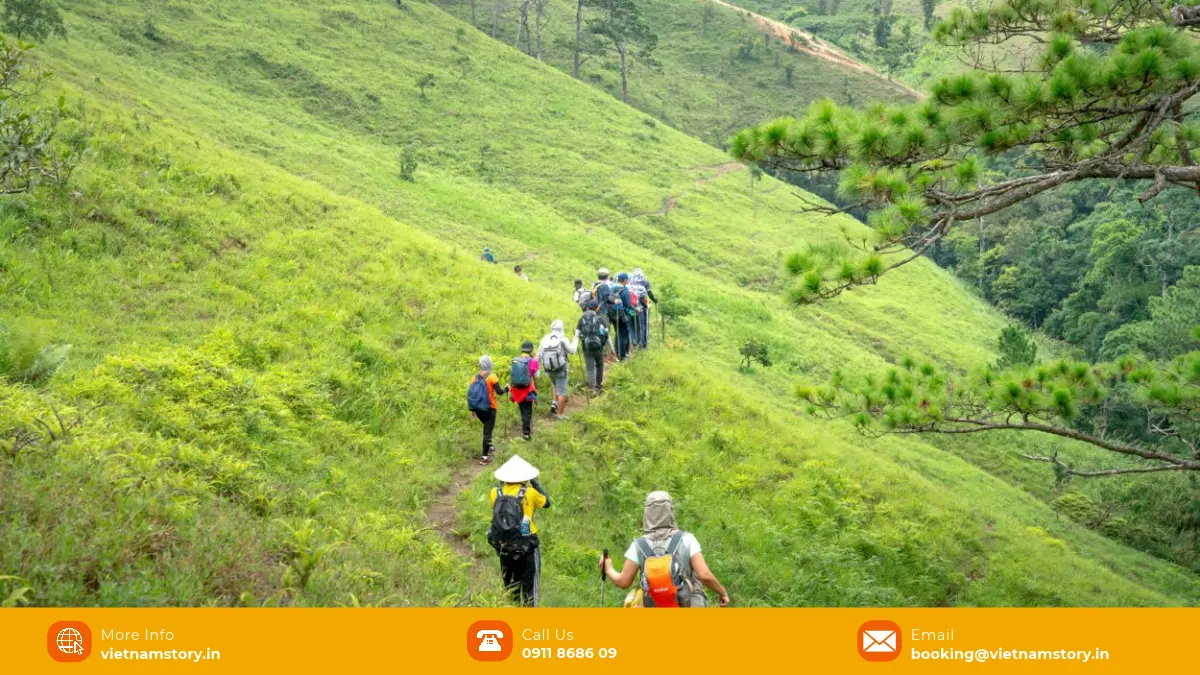
If trekking in Vietnam for Indians is a priority, Sapa is one of the clearest candidates. Vietnam Tourism highlights trekking through Sapa’s hills, rice terraces, villages and waterfalls as a central part of the destination but there is no single “Sapa trek”. A shorter valley walk and a longer mountain trek can have completely different demands.
Rain can make trails muddy or slippery. Elevation changes, temperature and walking duration also affect difficulty. That is why we recommend selecting the trek first and Sapa second. Ask:
- How many hours are you comfortable walking?
- Are children or seniors joining?
- Are you comfortable on uneven or muddy terrain?
- Do you want a scenic walk or a genuine trekking day?
The answers determine whether Sapa fits your trip.
Ha Giang
Ha Giang is different. Its appeal comes largely from moving through dramatic northern mountain landscapes and experiencing the road journey itself. This makes it a route-based adventure, rather than primarily a trekking destination.
The scenery can be spectacular, but the journey involves long periods on winding mountain roads and requires more time than many travellers initially expect. You also do not need to personally ride a motorbike to experience Ha Giang.
For travellers without appropriate riding experience, treating remote mountain roads as a place to learn simply because it looks adventurous is unnecessary. Other transport arrangements can allow you to experience the region without making self-riding the challenge.
Ha Giang fits best when mountain adventure is one of the main reasons you are travelling to Vietnam – not when you are trying to squeeze it between Hanoi and Ha Long Bay.
Sapa or Ha Giang?
This is one of the most important decisions in a Northern Vietnam adventure route.
- Choose Sapa when you want: trekking → valleys → walking-based activity → easier integration with a shorter northern itinerary.
- Choose Ha Giang when you want: mountain roads → remote landscapes → a journey-focused experience → several days dedicated to the region.
Neither is automatically “more adventurous”. Sapa challenges you through activity. Ha Giang can challenge you through distance, road conditions and the nature of the route. For many first-time Indian travellers, choosing one rather than both produces a better-paced itinerary.
If both mountain destinations still appeal to you, our detailed comparison of Sapa vs Ha Giang looks more closely at difficulty, road travel, trekking style and first-time suitability before you commit several days to either route.
Phong Nha
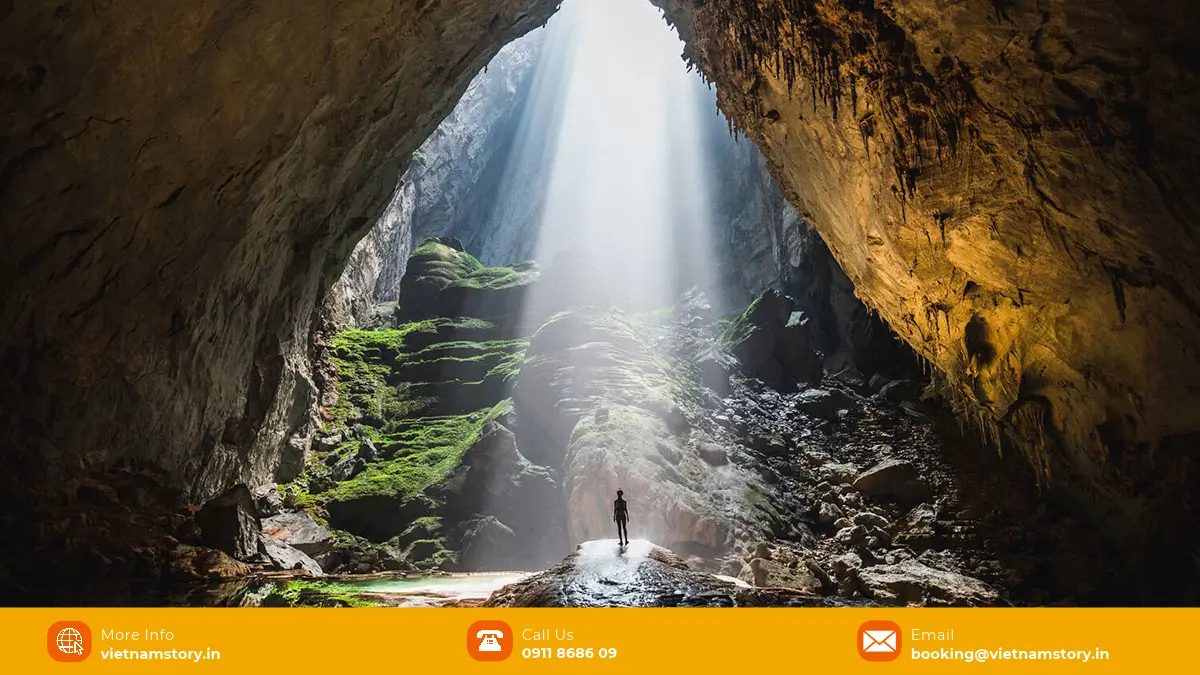
Phong Nha adds something completely different to the route. The area is associated with caves, forests and Phong Nha-Ke Bang National Park. Experiences range from relatively accessible cave visits to demanding guided expeditions. This range makes it particularly important not to describe “Phong Nha” with one difficulty rating.
A standard cave sightseeing day is not equivalent to a full-day jungle trek or an overnight cave expedition. Vietnam Tourism, for example, describes the Hang En experience as a moderate full-day trek with an overnight component. More specialised cave adventures can demand considerably more preparation.
For Indian travellers, the practical question is therefore: Do you want to see caves, trek to caves, or make a cave expedition the centre of the trip? Those are three different holidays. For specialist activities, check the operator’s current fitness, age, equipment, weather and safety requirements before booking.
What about other National parks?
You do not have to travel to Phong Nha to add a national-park experience. Cuc Phuong can fit more easily into a Northern Vietnam journey and is geographically convenient for travellers already visiting Hanoi and Ninh Binh.
Vietnam also offers nature-based activities in other protected areas, but adding more national parks is not automatically better. For a first adventure trip, we prefer a route with different types of nature rather than repeatedly adding similar forest experiences.
Ninh Binh + Sapa, for example, already gives you limestone landscapes and mountain trekking. Add Phong Nha when caves provide a meaningful third layer.
A practical 8-day adventure route
With around 8 days, stay focused on Northern Vietnam:
- Days 1 – 2: Hanoi Arrive, recover and explore the city.
- Days 3 – 4: Ninh Binh: Boat landscape, cycling and an optional viewpoint depending on fitness and weather.
- Days 5 – 7: Sapa: Choose trekking difficulty according to the group rather than automatically booking the longest route.
- Day 8: Hanoi / departure: This route works particularly well for travellers making their first active trip in Vietnam.
It gives you nature without making every day physically demanding.
A 10 – 12 day adventure route
With more time, you can build a deeper Vietnam nature itinerary. One option is: Hanoi → Ninh Binh → Sapa or Ha Giang → Central Vietnam → Phong Nha. Choose Sapa or Ha Giang unless mountain travel is the central purpose of the holiday, then use Phong Nha to change the adventure type from mountains to caves and forest.
Domestic flights or efficient long-distance connections become important once North and Central Vietnam are combined. Do not create an adventure itinerary where half the adventure is simply recovering from overnight transport.
Once an adventure itinerary crosses from Northern into Central Vietnam, transport starts affecting how much energy remains for trekking and outdoor activities. Our guide to domestic flights in Vietnam for Indians explains when flying protects useful travel time and when road or rail remains the more logical connection.
How to balance hard and easy days
One of the most useful lessons from planning active itineraries is that difficult days should not automatically sit back-to-back. A better rhythm is: active day → lighter day → active day. After a substantial Sapa trek, for example, another demanding activity immediately the following morning may be unnecessary.
The same applies after long mountain-road journeys. Recovery time is not wasted itinerary space. It helps travellers actually enjoy the next experience. This matters even more for mixed groups where fitness levels differ.
Remote and active travel also makes basic emergency preparation more important. Save our Vietnam emergency guide for Indians offline before heading into mountain or national-park areas so essential contact information remains available even when connectivity is limited.
Weather can change the difficulty
A trail that feels moderate in dry conditions may feel very different after rain. Heat can also turn a straightforward climb into a tiring one. Before each trekking, cave or mountain activity, check current local conditions rather than relying only on the seasonal description you read when booking the holiday.
Good adventure planning allows the activity to change when conditions change. The objective is not to “complete” an itinerary at any cost.
Active travel also makes footwear, rain protection and clothing more important than on a city-only holiday. Use our guide on what to pack for Vietnam from India as a starting point, then add any activity-specific equipment required by your trek or cave operator.
FAQ

Is Vietnam good for adventure travel?
Yes. Vietnam offers a broad range of active experiences including trekking, cycling, mountain road journeys, caves and national parks. Travellers can build anything from an easy nature-focused itinerary to a demanding expedition, depending on fitness and experience.
Where can I trek in Vietnam?
Sapa is one of the most established trekking destinations, with routes through mountain landscapes and valleys. Phong Nha also offers guided jungle and cave-related trekking, while other national parks provide hiking opportunities. Difficulty varies by specific route.
Is Sapa or Ha Giang better for adventure?
Choose Sapa when trekking is the priority. Choose Ha Giang when you want a multi-day mountain-road experience and remote scenery. They represent different types of adventure rather than simply different difficulty levels.
Is Phong Nha suitable for beginners?
Some Phong Nha cave experiences are accessible to ordinary visitors, while other treks and expeditions require significantly greater fitness and preparation. Select the specific activity according to the operator’s current requirements rather than judging difficulty by the destination name alone.
If adventure is only one part of your first Vietnam holiday, start with the Best Vietnam Itinerary for First-Time Indian Travellers and replace selected sightseeing days with the nature experiences that match your fitness and interests.
Conclusion
The best Vietnam adventure itinerary is not the one containing the hardest activities. It is the one where the level of challenge matches the people travelling. Start with Ninh Binh if you want accessible active nature. Choose Sapa when trekking matters. Give Ha Giang several days when mountain-road travel is the experience you came for. Add Phong Nha when caves and national parks deserve their own part of the journey.
At Vietnam Story, we would rather remove one destination and give travellers enough energy to enjoy the remaining experiences than create an itinerary that becomes a physical checklist. Choose the type of adventure first. Then build the route around it.