
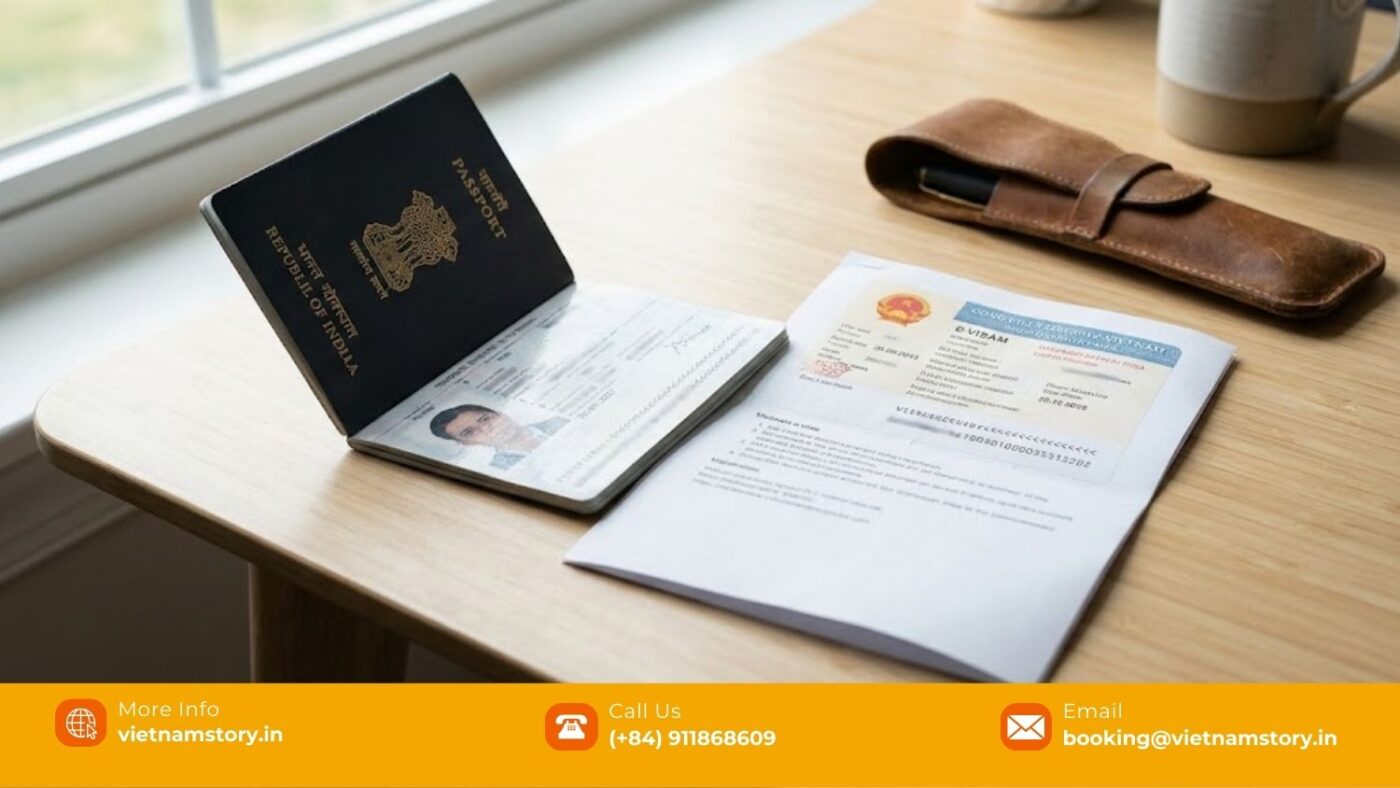
Indian passport holders travelling from Delhi need a valid Vietnam visa before they fly. For most holidays, the Vietnam e-visa is the simplest path because it is applied online, issued electronically, and accepted for air entry at designated airports.
This guide removes the entry barrier in a practical way. You will see which visa fits your trip, what to prepare, how to apply step by step, what happens at airline check-in in Delhi, and what to expect at immigration on arrival.
Do Indian Travellers From Delhi Need A Visa And What Is The Simplest Option?
Yes, Indian citizens travelling from Delhi need a Vietnam visa in advance for standard tourism trips. The most common and practical option for straightforward holidays is the Vietnam e-visa, which you apply for online and carry as a printout and offline PDF.
Most Delhi-based travellers fall into one of these patterns:
- Single-entry holiday: You enter Vietnam once and exit once. A single-entry e-visa usually fits.
- Multi-country trip with re-entry: You enter Vietnam, travel to another country, and return to Vietnam. A multiple-entry e-visa is usually required.
- Non-standard situation: Document mismatches, special travel purposes, or scenarios not supported by online application fields. An embassy/consulate route may be more suitable.
Low-risk planning rule: Choose an e-visa when your trip is a normal holiday and your passport details are stable. Use an embassy route only for special cases where the e-visa pathway does not match your situation.
Vietnam E-Visa From Delhi: Step-By-Step Application Checklist
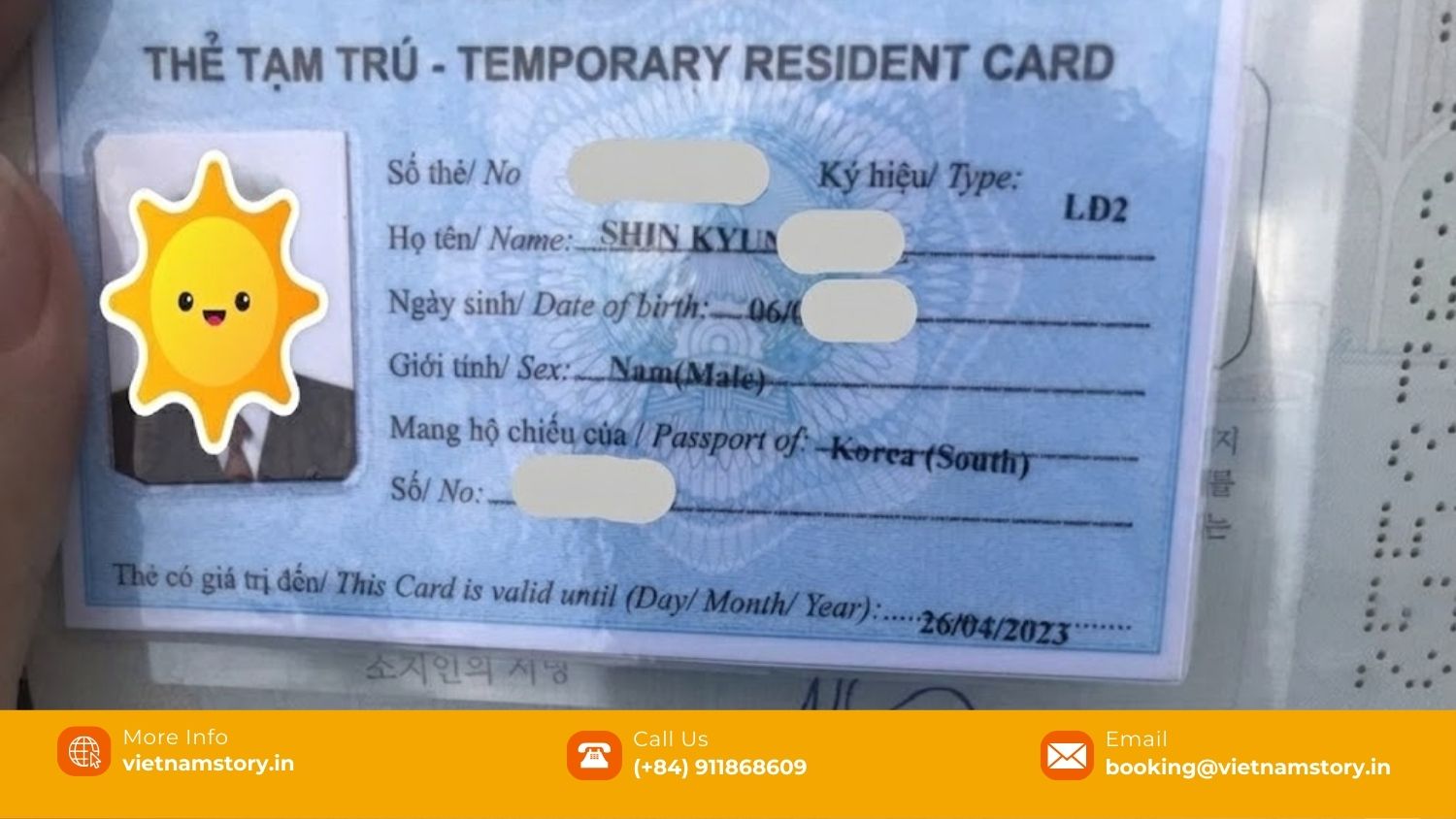
The Vietnam e-visa application works best when your details match your passport exactly and your entry plan is realistic. Most problems come from small inconsistencies, poor uploads, or choosing the wrong entry point.
- Step 1: Fix Your Travel Skeleton. Decide your intended entry date, intended exit date, and first landing city in Vietnam.
- Step 2: Prepare A Clean Passport Bio-Page Scan. Use a high-resolution scan or photo with all edges visible and no glare.
- Step 3: Prepare A Compliant Portrait Photo. Use a recent, front-facing photo with a plain background and no filters.
- Step 4: Enter Identity Details Exactly As On Passport. Include full name, including middle names, and double-check passport number.
- Step 5: Choose Single-Entry Or Multiple-Entry. Pick multiple-entry only if you will leave Vietnam and return during the same trip.
- Step 6: Choose Intended Entry And Exit Points. Select the airport or border gate you will actually use.
- Step 7: Review Every Field Like A Bank Form. Confirm spelling, date formats, and passport number.
- Step 8: Pay The Fee And Save Your Reference Code. Keep the application code and payment proof accessible.
- Step 9: Download The Approved E-Visa And Print It. Print at least one copy and save the PDF offline on your phone.
Updates policy note: Visa procedures and designated entry ports can change. Use this guide as your workflow, then confirm your approved visa PDF matches your route before you fly from Delhi.
Documents And Data You Should Prepare Before Applying
The best way to avoid rejection is to submit files that are clear and consistent with your passport. You do not need a large document bundle for a standard e-visa, but the few items you upload must be clean.
- Passport validity: Keep at least 6 months validity beyond your entry date and ensure the bio page is readable.
- Passport bio page scan: Full page visible, sharp text, and no reflections.
- Portrait photo: Clear face, neutral expression, plain background, and no heavy shadows.
- Contact details: Email and phone number you can access easily.
- Basic trip details: Intended entry date, intended exit date, and a hotel name and city for form logic.
Consistency rule: Keep the same spelling and order of your name across your passport, your visa application, and your flight booking. Small mismatches can trigger extra checks at Delhi airport.
Processing Time And Buffer Planning For Delhi Departures
Plan your visa timeline backwards from your Delhi departure date, not from your intended arrival date. Airline check-in is strict about visa readiness, so your visa should be approved and printed well before you leave for the airport.
Use these practical buffers:
- Minimum safe buffer: Apply at least 10 working days before your Delhi departure.
- Safer buffer for families and seniors: Apply 15 working days before departure to absorb delays without stress.
- Peak periods: Apply earlier if you travel during Indian school holidays or major festival seasons, when flight loads and system load can increase.
Common delay triggers you can prevent:
- Name mismatch: Missing middle name, different spacing, or different ordering compared to passport.
- Unclear passport scan: Blurred text, glare, shadows, or cropped edges.
- Portrait photo issues: Filters, busy background, or low contrast.
- Wrong entry point: Selecting a port you will not use can create avoidable check-in stress.
Fee reality: Government processing fees are usually non-refundable. Accuracy matters more than speed.
Choosing Single-Entry Vs Multiple-Entry: When Each One Makes Sense
Single-entry fits most Delhi-based holidays because you enter Vietnam once and leave once. Multiple-entry matters only if you will exit Vietnam and return during the same trip.
Use these examples as decision anchors:
- Choose single-entry if your plan is Delhi to Vietnam, then Vietnam to Delhi (or Vietnam to one final onward exit) with no return to Vietnam.
- Choose multiple-entry if your plan includes leaving Vietnam for another country and then returning to Vietnam before your final exit.
- Avoid unnecessary multiple-entry if you are not certain you will re-enter. It adds complexity without adding comfort.
Comfort logic: Every re-entry increases operational friction: extra airport processes, extra document checks, and tighter timing. If your goal is a calm holiday, keep your route single-entry whenever possible.
Choosing The Correct Entry And Exit Points For Your Route
Your e-visa selection of entry and exit points should match your actual arrival and departure plan. Most travellers from Delhi enter by air, and the airport you choose usually determines your first region and first-day comfort.
Route-first logic for Delhi travellers:
- North-first route: You want a cooler start during certain months and prefer a heritage-and-nature pace with shorter drives. Your entry point should support landing close to your North base.
- Central-first route: You want balanced pacing and a stable base with comfortable transfers. Your entry point should support landing close to your Central base.
- South-first route: You want fast access to an urban base and a shorter trip structure with fewer internal hops. Your entry point should support landing close to your South base.
Information gain note: Many guides treat “entry point” as a form field. In real travel planning, entry point is a comfort decision because it determines whether your first day is a short transfer to rest or a long transfer that starts the trip with fatigue.
Delhi Airport Check-In: What Airlines Verify Before You Board
Airline check-in in Delhi is the first and strictest visa verification point. If your visa, passport, and entry details do not align, you can be denied boarding even before you reach Vietnam immigration.
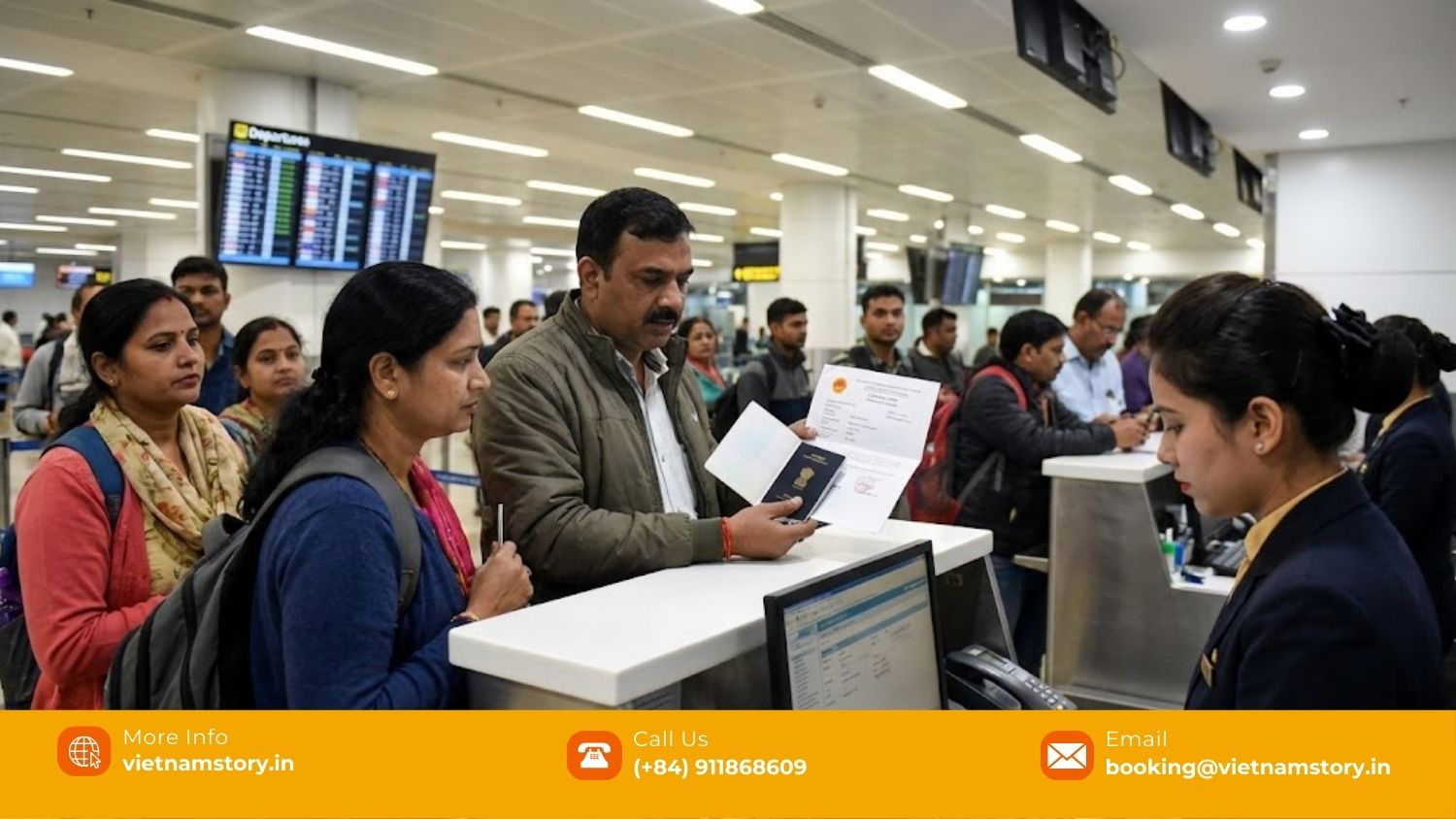
Carry these items in hand luggage:
- Printed e-visa plus an offline PDF saved on your phone.
- Passport used for the visa application.
- Basic booking proof such as hotel details and a return or onward plan.
Most check-in issues are preventable if you verify three points before leaving home:
- Your name and passport number match across documents.
- Your arrival airport matches your visa’s designated entry point.
- Your arrival date falls within your visa validity window.
Arrival In Vietnam: Immigration Flow And Entry Practicalities
Immigration on arrival typically involves document verification, passport stamping, and confirmation that your stay matches your visa conditions. When your documents are consistent, the process is usually straightforward.
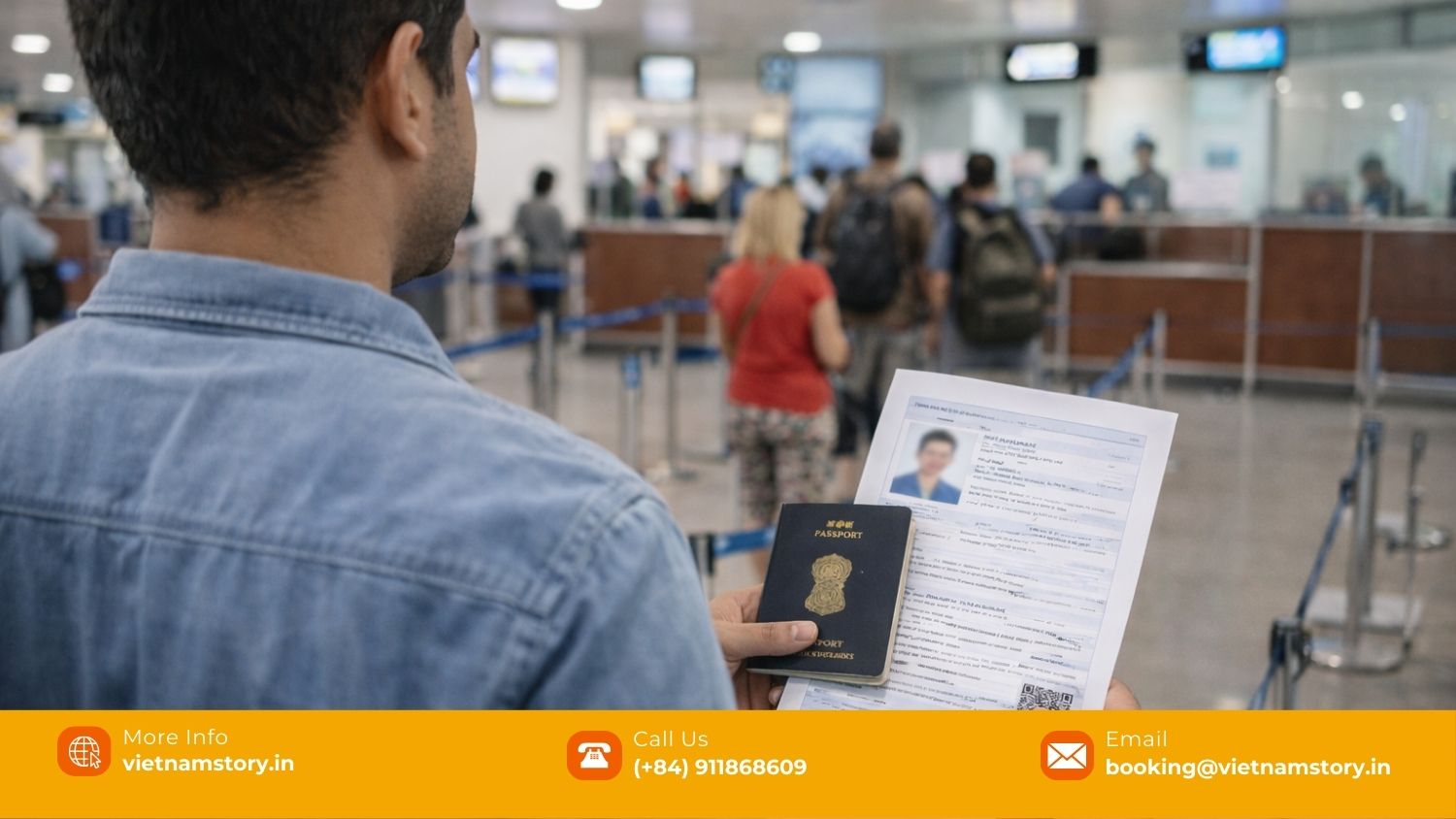
Practical steps that reduce stress at the counter:
- Keep documents accessible: Avoid searching through email in the queue. Save key PDFs offline.
- Answer consistently: Your trip purpose and dates should match your visa and bookings.
- Check your stamp: Ensure the entry stamp aligns with your visa conditions and dates.
Customs is typically routine for tourists. The safest approach is to avoid carrying restricted items and to keep any prescription medicines in original packaging.
What To Do If Your Dates Or Airports Change After Approval
Not all changes break your visa, but some changes create high risk at Delhi check-in. The key is to understand which modifications stay within your visa’s granted scope.
- Date shift within validity: Usually manageable if your new arrival date still falls within the granted validity window.
- Entry airport change: High risk. If your visa is linked to a specific port and your flight changes, you may need a new application.
- Need to re-enter Vietnam: Requires multiple-entry status. Single-entry is not designed for re-entry.
- Detected data error on visa: Treat this as urgent. A wrong passport number or misspelled name can block boarding.
Delhi-specific comfort tip: Avoid tight transit chains that force last-minute rerouting. A route that depends on perfect timing increases the chance that document checks happen under stress.
Align Visa Planning With Flights From Delhi Without Creating Route Fatigue
Your flight routing from Delhi influences your best entry point, your first-day transfer length, and your overall comfort. Once you understand likely arrival cities and transit time, choosing the right entry point becomes simpler.
Use this flight-first decision logic:
- Choose the entry region that reduces first-day travel time. Landing close to your base helps you rest and adapt.
- Protect sleep and recovery. If you land early morning after a long flight, a short transfer is better than an immediate long drive.
- Keep airport-to-hotel transfer simple. Families and seniors benefit most from predictable, short transfers.
To evaluate realistic air routing, stopover patterns, and timing considerations for Delhi departures, refer to flights from Delhi to Vietnam.
Align Visa With Trip Length And Pacing So Your Route Stays Comfortable
Visa and entry planning should support your pacing, not force a rushed multi-stop route. Delhi-based travellers often underestimate the fatigue of frequent hotel changes, early starts, and internal flights.
Use pacing rules that protect comfort:
- Short trips: Focus on one region with a stable base, fewer transfers, and predictable daily timing.
- Medium trips: Add a second region only if you can include rest windows and avoid back-to-back travel days.
- Long trips: Multi-region routes work best when you treat internal flights as full travel blocks and avoid packing too many city changes into consecutive days.
If you want a route blueprint designed for Delhi constraints that avoids rushed movement and helps you choose a comfortable structure, see best Vietnam itinerary from Delhi.
Align Visa Timing With Weather Windows And Peak Travel Pressure
Season affects both your comfort on the ground and the operational pressure on travel systems. When many people travel, flights are tighter, airports are busier, and delays become more likely.
Season-first planning helps in three ways:
- It reduces last-minute changes: Weather-aware planning lowers the chance that you switch regions after booking.
- It protects comfort: Choosing the right season reduces extreme heat, heavy rain disruption, and exhausting transfers.
- It improves execution: A stable seasonal choice keeps entry points and flight logic consistent.
For decision clarity on season selection from Delhi, use best time to visit Vietnam from Delhi.
When Your Visa And Entry Plan Is Stable: How To Select The Right Tour Structure
Tour selection becomes easier after your visa type, entry point, and pacing logic are settled. This prevents a common mistake: choosing a tour first, then discovering your entry point or trip structure is not comfortable.
Use this sequence:
- Confirm visa type (single-entry or multiple-entry) and validity window.
- Confirm entry point that matches your arrival city and route region.
- Confirm a trip length that matches your comfort and available leave days from Delhi.
- Then select a tour structure that respects your pacing and transfer tolerance.
For a category-level view that keeps the decision organised by Delhi departures, refer to Vietnam Tour Packages From Delhi.
Pre-Departure Checklist For Delhi Travellers: A Practical 72-Hour Scan
This checklist prevents the most common check-in and arrival problems for Delhi-based travellers. Run it 72 hours before departure and again on the morning you leave for the airport.
- Passport: Same passport used for visa application, valid for at least 6 months beyond entry date.
- E-visa printout: Printed copy plus offline PDF saved on your phone.
- Entry point: Arrival airport matches your visa’s entry selection.
- Validity check: Arrival date falls within visa validity window.
- Booking proof: Hotel details and return or onward plan accessible.
- Family organisation: Each traveller’s documents separated and labeled.
- Backup copies: A second copy of key documents stored in email and a cloud drive, plus one offline copy.
| Risk Point | What Causes It | Simple Fix |
|---|---|---|
| Denied Boarding In Delhi | Visa not ready, wrong entry point, or detail mismatch | Print visa, verify entry port, and recheck passport number |
| Extra Immigration Questions | Unclear purpose, missing basic booking proof | Keep hotel and return plan accessible |
| Stressful First Day | Long transfer after landing and poor pacing | Choose entry point near your base and keep first day light |
| Re-entry Problems | Single-entry visa used for a re-entry plan | Choose multiple-entry only when re-entry is confirmed |
Why Vietnam Story Is Different For Visa And Entry Planning From Delhi
Vietnam Story treats visa and entry planning as part of route logic, pacing, and comfort, not as a standalone formality. That difference matters for Delhi travellers because the smoothness of your first day often decides how relaxed the rest of the trip feels.
- Route-first planning: Entry points and trip structure are aligned so your first day is practical and calm, not exhausting.
- Indian outbound travel understanding: Planning reflects real preferences like predictable meal needs, family pacing, and reduced daily movement.
- On-ground Vietnam expertise: Local operational awareness helps align entry logistics with what actually happens on the ground.
- Realistic comfort pacing: The route is structured to reduce rushed transfers, unnecessary re-entries, and last-minute stress.
This approach helps you treat the visa as a solved barrier, so your Vietnam trip from Delhi becomes a clear, comfortable sequence of decisions rather than a chain of uncertainties.
Recommended Tours
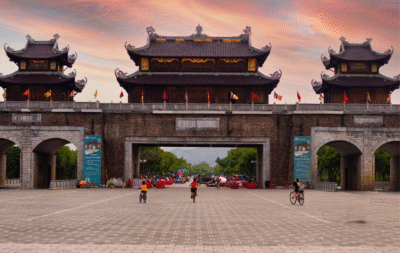
Ninh Binh - Hoa Lu temple- Trang An boat trip


Hanoi - Halong- Sung Sot - Ti top island- Luon Cave- Hanoi




Indochine Grand Cruise 3 days 2 nights

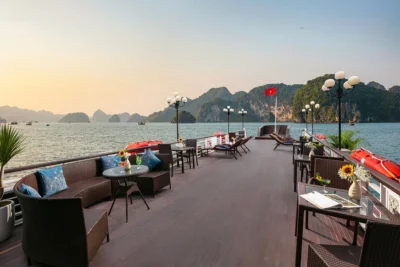
Hanoi - Bai Tu Long - Thien Canh Son - Hanoi


Hanoi - Halong - Sung Sot - Titop - Luon Cave - Hanoi