Vietnam’s Mid-Autumn Festival, or Tết Trung Thu, falls on the 15th day of the 8th lunar month. It is especially associated with children, lanterns, lion dances, mooncakes and family gatherings. It is not a national public holiday, so most transport, hotels and restaurants continue to operate normally, although popular celebration areas can become much busier in the evening.
For travellers, the useful question is not simply “Where is the biggest Mid-Autumn Festival?” It is whether you want to see the festival as part of an existing city stay or deliberately build the trip around a larger community event. Hanoi, Hoi An and Ho Chi Minh City can fit naturally into a normal itinerary; Tuyen Quang is more of a dedicated detour.
The next Tết Trung Thu after the 2026 season falls on 15 September 2027. Because local programmes may run for several days around the full moon, check the city’s official event calendar again closer to travel.
What is Tết Trung Thu in Vietnam?
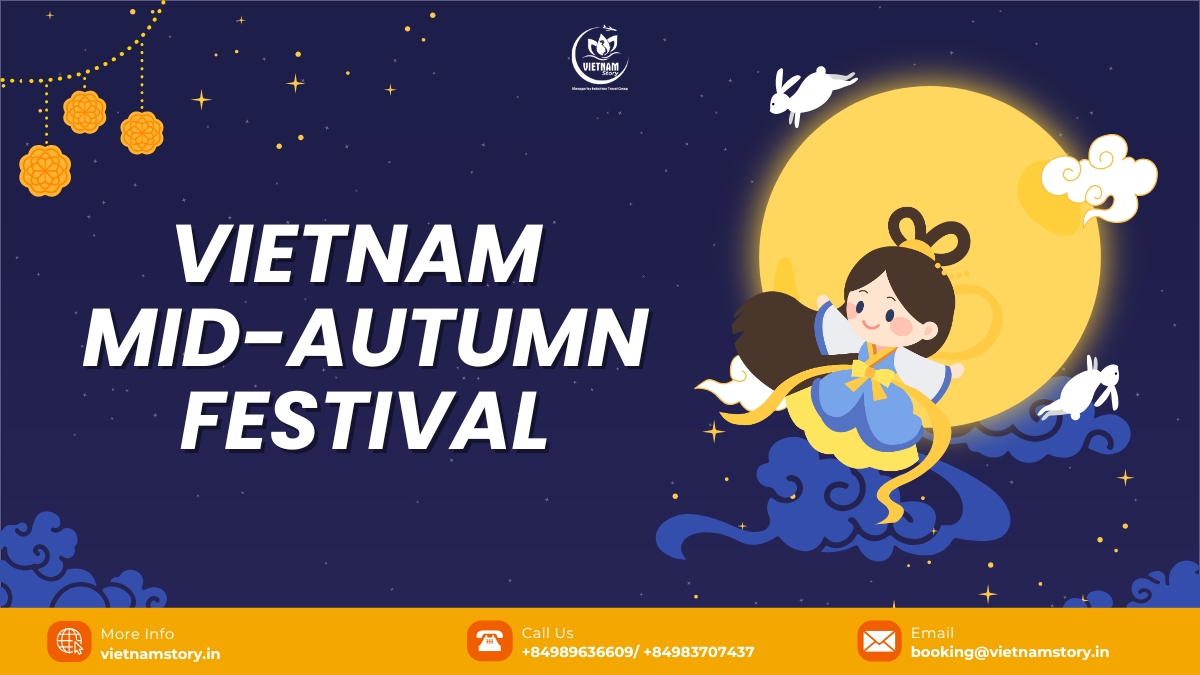
Tết Trung Thu is Vietnam’s Mid-Autumn Festival. The celebration follows the lunar calendar and reaches its main full-moon night on the 15th day of the eighth lunar month.
Although family reunion and the full moon are part of the wider Mid-Autumn tradition across Asia, the Vietnamese street experience is particularly easy to recognise through children carrying lanterns, lion-dance drums, mooncakes, toys and neighbourhood celebrations. Popular stories involving Chú Cuội and Chị Hằng are also familiar parts of children’s Mid-Autumn culture.
Do not read the festival only as a religious event. Family customs, folk stories, commercial mooncake gifting, school activities, neighbourhood performances and public entertainment can all appear at the same time. For the wider relationship between organised religion, ancestor veneration and Vietnamese folk belief, see our religion in Vietnam guide.
What will travellers actually see?
Lanterns and children’s processions
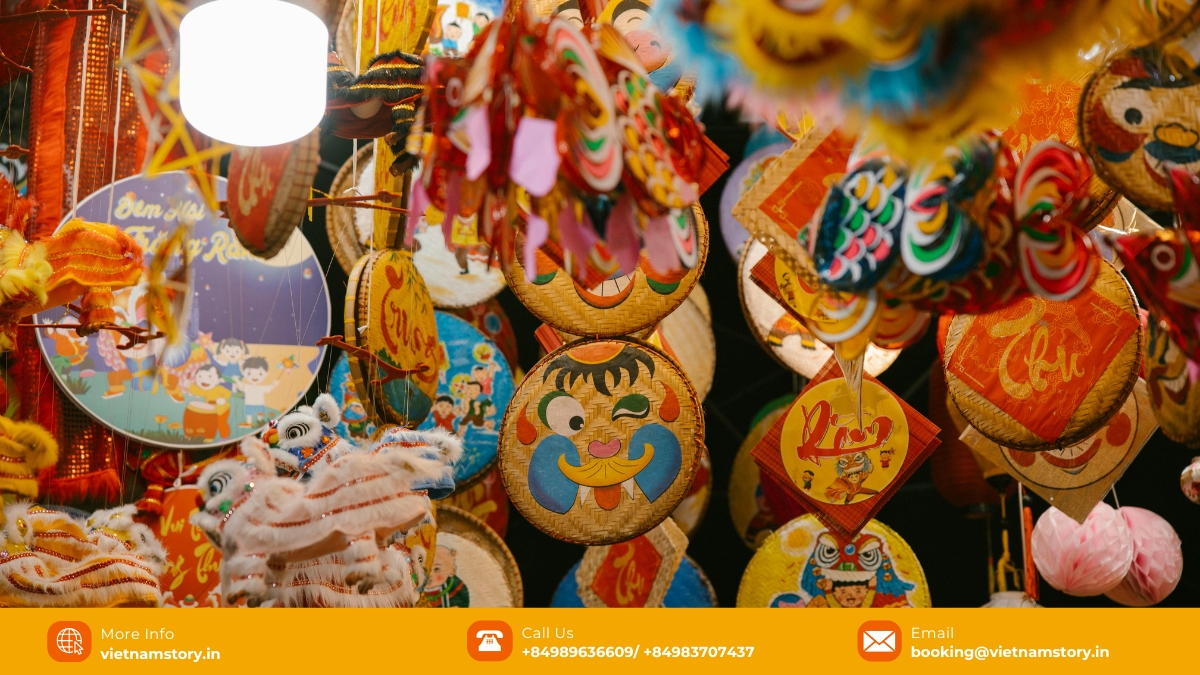
Traditional star lanterns remain one of the easiest symbols to recognise, alongside many newer shapes and illuminated toys. In busy celebration areas, children may walk with families or join organised lantern activities rather than one single citywide parade.
Lion and Thiên Cẩu dances
Drums and percussion often announce a lion-dance troupe before you see it. Performance style varies by locality. Hoi An, for example, has its own well-known Thiên Cẩu tradition alongside lion and dragon performances. If the performance itself interests you more than the festival overview, continue to our Vietnamese lion dance guide.
Mooncakes
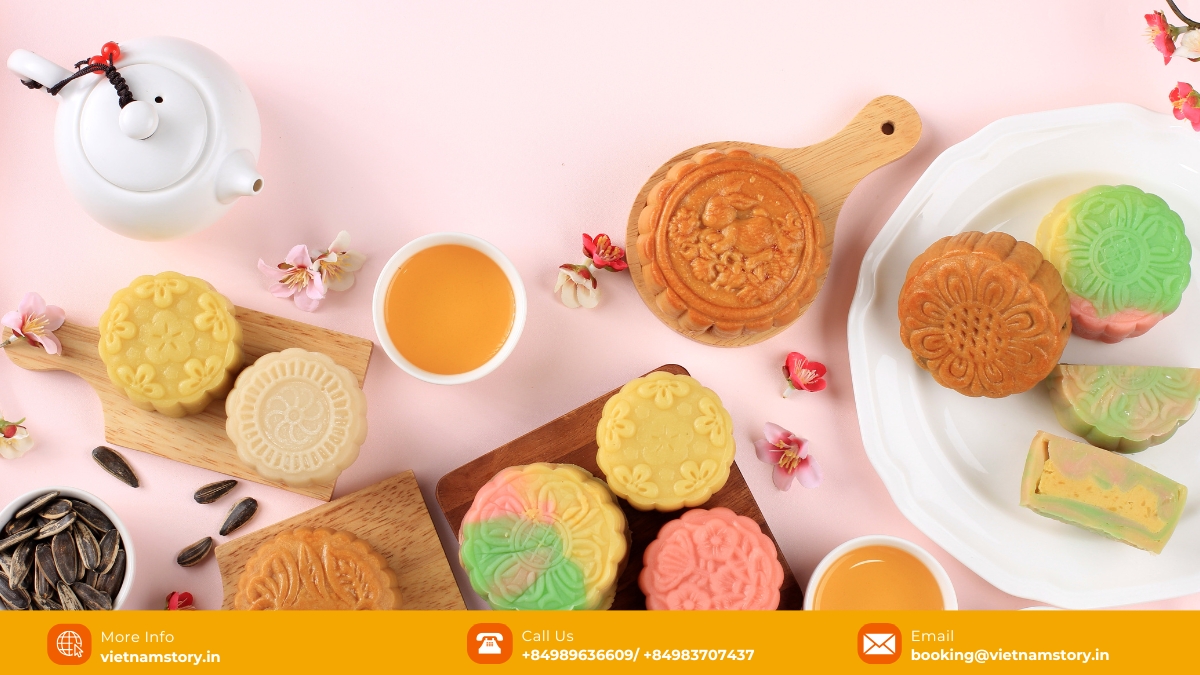
Mooncakes appear in shops and gift displays well before the festival night. Common Vietnamese categories include baked bánh nướng and soft glutinous-rice bánh dẻo, with fillings ranging from lotus seed and mung bean to mixed savoury fillings and salted egg yolk.
If dietary requirements matter, check the ingredient list rather than assuming a sweet-looking mooncake is vegetarian. Our mooncake guide explains the main styles and fillings in more detail.
Mid-Autumn Festival is not the same as Hoi An’s monthly lantern night
This distinction matters because many travel articles use “lantern festival” for several different events.
Tết Trung Thu is the nationwide Mid-Autumn Festival on the 15th day of the eighth lunar month. Hoi An’s recurring Full Moon or Ancient Town Night follows a monthly lunar-calendar pattern. In some years the two programmes sit very close together, so visitors can experience both traditions during the same stay, but they are not interchangeable names for one event.
Use our lantern festivals in Vietnam overview if you are unsure which tradition you mean. For the recurring Hoi An event specifically, continue to the Hoi An Lantern Festival guide.
Where is Tết Trung Thu most useful for a traveller?
Hanoi: easiest if the capital is already in your route
The Old Quarter is the easiest place to notice the build-up. Hàng Mã becomes especially busy with seasonal lanterns, masks, toys and decorations before the full moon. We would go for the street atmosphere rather than expect one controlled festival venue.
The practical downside is crowd density. If you are travelling with small children or older family members, arrive before the busiest evening period and do not plan a tight restaurant or transfer connection immediately afterwards.
Hoi An: strongest mix of heritage setting and organised activities
Hoi An can be a good choice when the city is already part of a Central Vietnam itinerary. Local programmes may include lantern making, folk games, children’s activities, music and Thiên Cẩu or lion-dance performances around the Mid-Autumn period.
In 2026, for example, the official Hoi An programme ran across several days around the eighth-lunar-month full moon rather than being limited to one evening. That is why we would check the current Hoi An festival calendar instead of assuming every year repeats the same timetable.
Ho Chi Minh City: useful for seasonal street atmosphere
Chợ Lớn and the Lương Nhữ Học area are well known for seasonal lantern and decoration shopping. This works best if Ho Chi Minh City is already on the trip and you want an evening look at the commercial and community side of Mid-Autumn rather than a dedicated heritage programme.
Tuyen Quang: worth considering only if the festival itself is the reason for travelling
Tuyen Quang offers a very different scale. Its Thành Tuyên festival is known for large illuminated Mid-Autumn models created by local communities and paraded through the city. This is not a quick side visit from central Hanoi; it deserves separate transport and accommodation planning.
We would add Tuyen Quang when giant lantern displays and a community festival are a major trip priority. If you only want to encounter Tết Trung Thu naturally while seeing Vietnam’s main destinations, Hanoi or Hoi An is usually easier.
Should you change your Vietnam itinerary for Mid-Autumn Festival?
| Your situation | Our planning view |
|---|---|
| You are already in Hanoi, Hoi An or Ho Chi Minh City | Yes, adjust the evening plan and allow for crowds. No major route change is needed. |
| You are travelling with children | The festival can add real value because many public activities are child-focused. Choose an accessible area and avoid the densest late-evening crowd. |
| You want a major lantern spectacle | Consider Tuyen Quang, but treat it as a dedicated destination rather than a casual add-on. |
| Your Vietnam dates are flexible but culture is only one part of the trip | Do not force a long detour only for the festival. Align dates when it fits the route naturally. |
| You mainly want Hoi An lantern photos | You do not need Mid-Autumn specifically. Hoi An has a separate recurring full-moon tradition. |
What should visitors know about crowds and etiquette?
- Expect busy streets: popular lantern-shopping and performance areas can become difficult for taxis and private vehicles.
- Do not block family or community rituals for photographs: some festival activity is public entertainment, while other practices are personal or religious.
- Keep children close in dense crowds: especially around moving lion-dance troupes, drums and large illuminated models.
- Ask before photographing people at close range: particularly children, performers off-stage and people making offerings.
- Check dietary ingredients: mooncakes can contain egg yolk, meat-based mixed fillings, nuts or other ingredients that may matter for vegetarian, Jain or allergy-sensitive travellers.
How does Mid-Autumn fit the wider Vietnamese festival calendar?
Tết Trung Thu is useful for travellers because it is highly visible without shutting the country down. That makes it quite different from Tết Nguyên Đán, when transport demand, business hours and family travel can change the trip much more significantly.
If you are choosing travel dates around culture rather than one specific festival, use our Vietnam festival calendar. For a broader heritage-focused route, the Vietnam culture itinerary is the better next step.
Frequently asked questions
When is the Mid-Autumn Festival in Vietnam?
It falls on the 15th day of the 8th lunar month, so the Gregorian date changes each year. The next festival after the 2026 season falls on 15 September 2027. Local programmes can begin before the full-moon date.
Is Mid-Autumn Festival a public holiday in Vietnam?
No. It is widely celebrated, but it is not a national public holiday. Normal travel services generally continue, although individual event areas can be crowded or traffic-controlled.
Is Tết Trung Thu mainly for children?
Children are central to the modern public celebration, especially lanterns, toys, performances and community activities. Adults also take part through family gatherings, gifting, food and local traditions.
Is Hoi An Lantern Festival the same as Mid-Autumn Festival?
No. Hoi An has a recurring lunar full-moon tradition, while Tết Trung Thu is the nationwide festival on the eighth-lunar-month full moon. The dates can overlap closely, which is why the names are often confused.
Do we recommend travelling to Vietnam only for Tết Trung Thu?
Usually not for a first trip. We would first build a route around the destinations you actually want to see, then use the festival date as a bonus if it aligns naturally. The exception is a traveller specifically interested in a major community event such as Thành Tuyên.