
Vietnam can be a practical first solo trip from India for women, but the best route is the one you can manage comfortably—not the route with the most cities. Hanoi, Da Nang, Hoi An and Ho Chi Minh City offer very different arrival experiences, transport choices and evening environments. Start with a sensible airport-to-hotel plan, accommodation in a convenient area, reliable mobile connectivity and realistic daily travel hours. Safety depends on the situation and your own preferences; no destination or travel format can guarantee it.
Vietnam Story is a Vietnam-based operator working with travellers from India. Our role here is to help you decide where to stay, how to move, what to check and when a guided day or organised transfer is worth the extra coordination. This is not a claim that solo women should buy a tour. Independent travel can suit many visitors, and a small-group or custom service can be useful for particular legs.
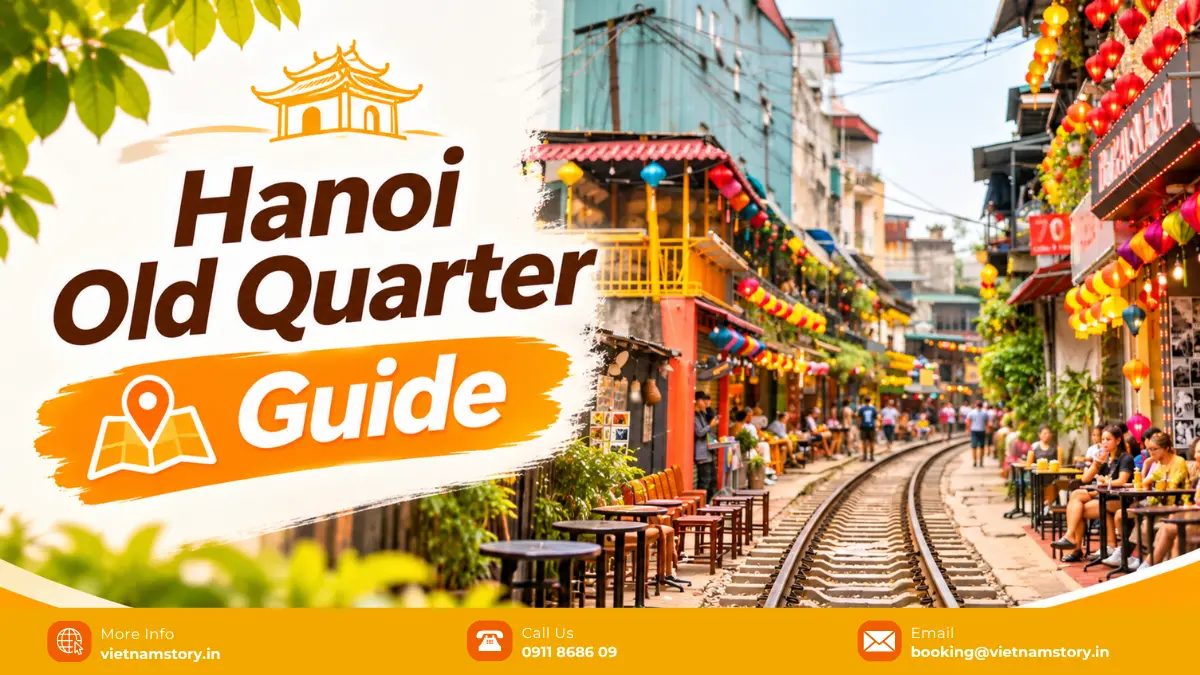
Is Vietnam safe for a solo female traveller from India?
Many women travel independently in Vietnam, but “safe” is not an absolute property of a country or an itinerary. Common concerns include theft or bag-snatching in busy areas, misleading taxi approaches, unfamiliar traffic, harassment and the additional effort of dealing with illness or an unexpected schedule change alone. Vietnam’s official tourism site discusses general health and safety practices, including taxi and theft risks.
The UK government’s Vietnam safety guidance additionally flags sexual harassment, drink spiking and risks associated with unlicensed taxi drivers. These hazards are not a reason to treat everyone or every neighbourhood as dangerous; they are a reason to plan transport, nightlife and accommodation deliberately.
Rather than promising that “Vietnam is one of the safest countries for women”, consider a decision you can control: arrive while your hotel reception is staffed, verify the car or pickup driver, keep a working phone and let a trusted person know your first-night location.
Which Vietnam destination is easiest for a first solo trip?
| Destination | Why consider it | Main planning trade-off |
|---|---|---|
| Hanoi | Compact sightseeing around central areas, cafés, museums and day trips | Old Quarter traffic, noisy streets and the distance from the international airport |
| Da Nang | Coastal city with a manageable mix of beaches and urban services | Choose the hotel area carefully if you want to walk at night; weather affects outdoor plans |
| Hoi An | Heritage-focused stay, lantern evenings, café time and relaxed pacing | Late-night returns, seasonal flooding and transfers from Da Nang airport |
| Ho Chi Minh City | Food, museums, markets and a busy urban travel experience | Traffic, longer cross-city movement and busy nightlife districts |
| Phu Quoc | Beach-oriented holiday or rest after a mainland route | Attractions are spread out; return transport can be harder from remote areas |
For five days, choose one well-connected base and a couple of manageable excursions. For seven to nine days, two regions can work if the flight and hotel changes leave enough usable time. Our first-time Vietnam itinerary guide explains how to keep the route realistic rather than collecting airports and hotel check-ins.
Where should you stay when travelling alone?
Look at the street and the hotel’s operating arrangements, not only the room photographs. A highly rated property far from restaurants and transport can be less convenient than a modest, staffed hotel near the places you actually want to visit. Check recent reviews mentioning noise, entrances, night reception, lift access, room locks and interactions with solo guests.
- Hanoi: choose between the energy of the Old Quarter, quieter edges of the centre and the more spread-out West Lake area based on planned activities. The Hanoi area comparison explains the geography.
- Hoi An: decide between walkable heritage-centre access and an An Bang beach stay; transport back after dinner may be more relevant than a small difference in room price.
- Da Nang: compare beach and riverside areas according to where you intend to eat and travel each day.
- Ho Chi Minh City: prioritise a practical neighbourhood and clear pickup address rather than assuming the central business district is uniformly quiet.
A female-only dorm can be a useful preference, but it is not a guarantee of security. Check reception staffing, locker facilities, access controls and the actual booking conditions. A private room may offer more privacy if that matters to you, while a reputable hostel with social activities may make meeting other travellers easier.
Airport arrivals: the first two hours matter
From India, you may arrive in Hanoi (HAN), Da Nang (DAD) or Ho Chi Minh City (SGN) depending on the route and flight connection. If the arrival is late at night, ask the accommodation about reception hours, the exact entrance and whether it can provide an advance transfer quote. Confirm the operating airport printed on your ticket; South Vietnam’s airport arrangements may change as Long Thanh comes online.
For pre-arranged pickup, keep the driver’s name or booking reference, meeting point and hotel address. For a ride-hailing car, check the vehicle plate and driver details against the app rather than following someone who approaches and claims to be the driver. Avoid sharing your room number or full day-by-day location with strangers.
Our Vietnam airport arrival guide explains the sequence after landing, and the Hanoi airport transfer guide compares ways to reach the city. Transport availability, fares and pickup points can change, so verify them close to your date.
How should you get around Vietnam alone?
There is no need to take a motorbike merely because social media describes it as the most “authentic” way to see Vietnam. In major cities, properly booked cars or established taxis can be practical for unfamiliar roads, luggage and evening transfers. Walking works in selected areas when you have checked the route and traffic crossings, but pavements and street lighting vary.
Motorbike riding or pillion travel involves different safety and insurance considerations. If you are not experienced with local traffic and the relevant licensing rules, a car or planned excursion is often the simpler choice. For intercity road journeys, review arrival times, rest stops, operator reliability and what happens if a bus is delayed. Overnight transport does not automatically save a useful day if you arrive exhausted and cannot check in.
If you use an app-based ride, confirm the vehicle and driver in the app, keep your belongings close, and share the trip details with someone you trust when useful. Never accept an off-platform switch simply because a driver promises a lower price.
A manageable 5-day solo itinerary from India
This is an example of a single-region North Vietnam trip, not a fixed group departure or guaranteed tour. It assumes the traveller wants Hanoi culture and one or two excursions rather than rushing from city to city.
- Day 1 — Hanoi arrival: pre-arranged or app-booked transfer, check-in and a short meal near the hotel. Do not schedule a complicated distant activity immediately after an overnight flight.
- Day 2 — Hanoi at your own pace: Temple of Literature, museums or an Old Quarter walk, with breaks and a clear return route.
- Day 3 — Ninh Binh or another comfortable day trip: choose the route and activities by weather, walking demands and transport. You do not need to combine every viewpoint and boat ride.
- Day 4 — flexible Hanoi day: cafés, shopping, another museum or a guided experience. Keep this day available in case earlier weather or arrival delays change the programme.
- Day 5 — departure: protect adequate airport-transfer and check-in time rather than squeezing one more attraction into the morning.
If Ha Long Bay is the real priority, it can replace an excursion or require a different night allocation. An overnight cruise can be rewarding, but do not schedule an inflexible last-day onward flight too close to a long return journey. Compare the day and overnight cruise options before committing.
What about a Central Vietnam route for 5–7 days?
Da Nang and Hoi An can make a focused coastal and heritage alternative. Stay in one or two bases rather than changing hotel every night. A day for Da Nang, a slower Hoi An old-town visit and an optional countryside or cultural excursion give the schedule breathing room. The weather and any seasonal flooding conditions should determine the flexible activities.
Use our Central Vietnam itinerary for Indian travellers to compare the appropriate number of days and whether Hue should be added. A full-day sightseeing transfer is not a substitute for knowing how to return safely to your hotel at night.
Indian food, vegetarian and Jain meals
Food requirements can influence which hotel area is convenient and whether a guided day is worth arranging. Major tourist cities offer Indian restaurants and vegetarian alternatives, but a vegetarian menu does not necessarily follow Jain preparation rules. If you need to avoid onion, garlic or root vegetables, or have an allergy, explain the requirements to the actual kitchen; do not treat a tour label or online review as confirmation.
The Indian food guide by Vietnamese city helps compare destinations. For specific ingredients and cross-contact questions, use the dietary restrictions guide. When travelling independently, keep a translated dietary note on your phone and have an alternative meal option planned for long excursion days.
Money, SIM, documents and communication
Arrange a working data connection before relying on ride-hailing or hotel directions. A compatible eSIM, local SIM or appropriate roaming plan may be useful depending on your phone and travel pattern; do not assume an Indian mobile plan includes affordable Vietnamese data. Our Vietnam SIM and internet guide explains the options.
Carry a manageable amount of Vietnamese dong for small purchases and a backup payment method. Keep your passport and essential travel details secure and have accessible copies of your visa, flights, hotel address and insurance information. Confirm Vietnamese e-Visa eligibility and the correct official application route before departure using our Vietnam visa guide for Indian travellers.
For the first days, share a simple check-in plan with someone you trust: arrival confirmation, accommodation name, and when to expect the next message. This is often more useful than publishing a real-time location on public social media.
Nightlife and handling unwanted attention
You can enjoy evening markets, restaurants and cultural events without committing to long nights in unfamiliar districts. Decide how you will return before going out. Use a verified ride where appropriate and know the exact hotel entrance. If you choose to drink alcohol, keep control of your drink and do not leave it unattended. If an interaction feels uncomfortable, move into a staffed business or another well-populated place and request help.
Different travellers have different comfort levels; there is no universal curfew and no reason to shame someone for choosing to head back early. The practical question is whether you can return safely, comfortably and without depending on an unknown person. Read the Vietnam travel scams guide for common overcharging and transport risks.
What if you become ill, lose something or need help?
Keep the hotel’s address and phone number, emergency contacts and your insurance assistance number saved offline. In Vietnam, the main public emergency numbers are 113 (police), 114 (fire) and 115 (ambulance). Language assistance and response time may differ by location. If you need help with a theft or lost passport, ask hotel staff or an authorised local contact to help communicate and obtain the appropriate report.
The Vietnam emergency contacts and medical help guide covers preparation in more detail. Travel insurance should be checked for the actual activities you plan; an inexpensive policy may have exclusions for motorbikes, adventure activities or other particular risks.
Solo, guided day trip or organised multi-day tour?
Choose independently organised travel if you are comfortable planning transport, hotels, meal options and backup arrangements. A shared day trip can be useful for a place that involves multiple transfers or a long journey, while leaving most of your holiday independent. A private guided day may suit an interest-heavy museum or heritage experience, or someone who wants extra logistical support without joining a large group for the entire holiday.
If you want a complete package, compare the included services carefully: airport pickup, hotel nights, private or shared transport, guide language, meals, entrance tickets and cancellation terms. Our private, group and DIY Vietnam comparison separates those responsibilities. Vietnam Story cannot guarantee a particular level of personal safety or solo-compatible service without confirming the exact supplier, programme and travel dates.
Frequently asked questions
Can an Indian woman travel to Vietnam alone?
Yes, many travellers organise solo holidays. The important requirements are valid travel documents, a workable itinerary, secure accommodation and practical safety arrangements. Individual experiences can vary.
Is Hanoi or Da Nang easier for a first solo trip?
Hanoi suits travellers focused on culture and Northern Vietnam excursions; Da Nang can be convenient for a coastal stay and Central Vietnam activities. The better choice depends on flight access, preferred experiences, season and hotel location.
Do I need a private tour guide every day?
No. Many sightseeing days can be planned independently. Confirm whether a specific excursion benefits from a qualified local guide or organised transport; do not buy unnecessary services simply because you are travelling alone.
Is Grab safe to use alone in Vietnam?
App-based car booking can simplify price and driver verification in cities, but it does not eliminate all risk. Check the vehicle and driver against the app and use ordinary personal safety precautions.
Can I get Indian or vegetarian meals while travelling solo?
Options exist in major destinations, but availability varies by area and supplier. Specific Jain and allergy-related requirements must be checked with the kitchen.
Does Vietnam Story have a guaranteed women-only group tour?
Do not assume a women-only departure or special group arrangement is available unless the chosen product and written confirmation say so. Ask about actual group composition, guide and transfer arrangements if those details matter to you.
Plan a Vietnam route that fits your comfort and independence
If you would like Vietnam Story to help review a solo trip, share your Indian departure city, dates, trip length, first-time or repeat-visitor status, preferred hotel area, dietary needs, and whether you want independent days, selected guided excursions or a full itinerary. We can discuss the practical route and which services can be confirmed in a written proposal without promising that every activity, pickup or accommodation is included.
Start by comparing Vietnam tour itineraries from India for route inspiration, then choose only the parts of the programme you actually want help arranging. A well-paced independent holiday is a good outcome too; the value lies in clarity, suitable suppliers and realistic expectations.