
Kong: Skull Island used real Vietnamese landscapes in Ninh Binh, Quang Binh and Ha Long Bay. The film connection is useful when it helps you understand where those scenes came from, but we would not build a trip around chasing old filming pins. Most of the places are worth visiting for the landscape itself; the movie is context.
In Ninh Binh, official tourism material links filming to the wider Trang An, Tam Coc–Bich Dong and Van Long landscapes. In Quang Binh, the film used locations around Yen Phu Lake and Mouse Cave. Ha Long Bay supplied the offshore limestone scenery that helped create the fictional Skull Island.
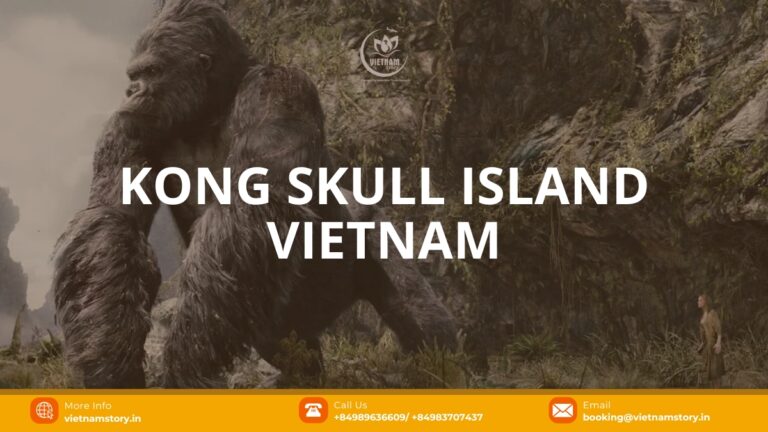
Where was Kong: Skull Island filmed in Vietnam?
| Region | Film connection | What matters to visitors now |
|---|---|---|
| Ninh Binh | Trang An, Tam Coc–Bich Dong and Van Long landscapes were associated with filming | Visit for boat routes, karst scenery, heritage and wetlands—not for a surviving movie set |
| Quang Binh | Yen Phu Lake and Mouse Cave appear in the film | Access should be checked against the current cave/adventure product you actually plan to book |
| Ha Long Bay | Offshore limestone scenery helped establish the film’s island world | Choose the cruise experience first; treat the movie as a scenic reference |
Kong filming locations in Ninh Binh
Ninh Binh is the most useful film connection for travellers already planning a North Vietnam route. The same limestone-and-water landscape that works on screen is also the reason people come for Trang An, Tam Coc and Van Long today.

Trang An: the strongest current visitor connection
Trang An is the easiest place to connect the film with a current Ninh Binh experience because the boat route still takes you through the limestone, waterways and cave landscape that made the area useful to the production.
The important update is that the reconstructed Kong village visitor set no longer exists. It was dismantled on 20 September 2019 as part of heritage-conservation work. Do not choose a Trang An route expecting to find the old village attraction. Choose the route for the caves, scenery and heritage stops, then treat the film history as an extra layer.
For current routes, ticket structure and timing, use our Trang An boat tour guide. For the heritage context behind the landscape, use our Trang An UNESCO guide.
Tam Coc–Bich Dong: film landscape, different visitor experience
Provincial tourism material also groups Tam Coc–Bich Dong among the Ninh Binh landscapes used around the Kong production. For visitors today, however, Tam Coc is better understood through its own identity: the Ngo Dong River, the Three Caves boat route and rice fields.
If you are already visiting Tam Coc, the movie connection is a useful bit of context. It is not a reason to turn the boat trip into a hunt for a specific surviving set. Use our Tam Coc guide for the current boat experience.
Van Long: wetlands and karst scenery
Van Long was also used during the Ninh Binh filming period. Today its value is different from Trang An and Tam Coc: it is a quieter wetland boat experience where wildlife and the reserve landscape matter more than film tourism.
If that sounds closer to the kind of day you want, compare the current access and boat experience in our Van Long Nature Reserve guide.
Kong filming locations in Quang Binh
Vietnam Tourism identifies Yen Phu Lake and the interior of Mouse Cave among the Quang Binh locations seen in the film. This part of the Kong story belongs to the wider Phong Nha–Quang Binh cave-and-karst landscape rather than to a single permanent movie attraction.

We would not promise that every filming point can be visited independently in the same way today. Quang Binh cave access is often tied to managed tours, conservation rules and specific adventure products. Choose the cave or landscape experience you actually want, then use the film connection as background.
Ha Long Bay and the Skull Island look
Ha Long Bay supplied the kind of offshore limestone scenery that helped establish the film’s fictional island world. Vietnam Tourism specifically highlights the bay’s karst formations as part of the visual language of Kong: Skull Island.

For a real trip, the decision is still about which cruise, how many nights and what route rather than which exact frame appeared on screen. Use our Ha Long Bay guide for the destination itself.
Can you still visit the Kong village in Trang An?
No. The reconstructed visitor village inside Trang An was dismantled in September 2019. Routes 2 and 3 no longer include that film-set stop. The landscape remains, but the old movie attraction should be treated as historical context rather than a current feature.
Which Kong location is most useful to add to a Vietnam trip?
| If your trip already includes… | Use the film connection this way |
|---|---|
| Ninh Binh | Let it add context to Trang An, Tam Coc or Van Long; do not create a separate “Kong day”. |
| Phong Nha / Quang Binh | Choose the cave or adventure product first, then identify the filming connection inside that experience. |
| Ha Long Bay | Enjoy the same limestone seascape that shaped the movie’s look, but choose the cruise for its actual itinerary. |
| None of these regions | Do not add a long detour only for a movie pin unless film tourism is one of your main interests. |
Use the film connection to understand the landscape, not to chase old sets
Kong: Skull Island is a useful introduction to why parts of northern and central Vietnam look so cinematic. But the places have stronger identities than their film credits: Trang An is a World Heritage landscape, Van Long is a wetland reserve, Quang Binh is a major cave-and-adventure region, and Ha Long Bay is a cruise destination in its own right.
That is how we would plan the trip today: choose the destination for the experience that still exists, then enjoy the Kong connection when the landscape in front of you suddenly looks familiar from the screen.