
As we move into 2026, Sapa has transformed into a world-class destination, projecting over 5 million visitors this year. However, the most discerning travelers are looking away from the neon lights of the town center toward the “slow food” movement found in the valleys. A local dinner in ethnic village setting has become the ultimate “National Strategic Tourism” model. At Vietnam Story, we specialize in bridging the gap between Sapa’s modernization and its ancestral roots. For our Indian guests, we ensure that every village dinner is a safe, hygienic, and spiritually enriching encounter that respects both your palate and your traditions. In this guide, Vietnamstory will walk you through the steaming pots and smoky kitchens of the Hmong and Dao people to show you exactly why this meal will be the highlight of your Vietnamese odyssey.
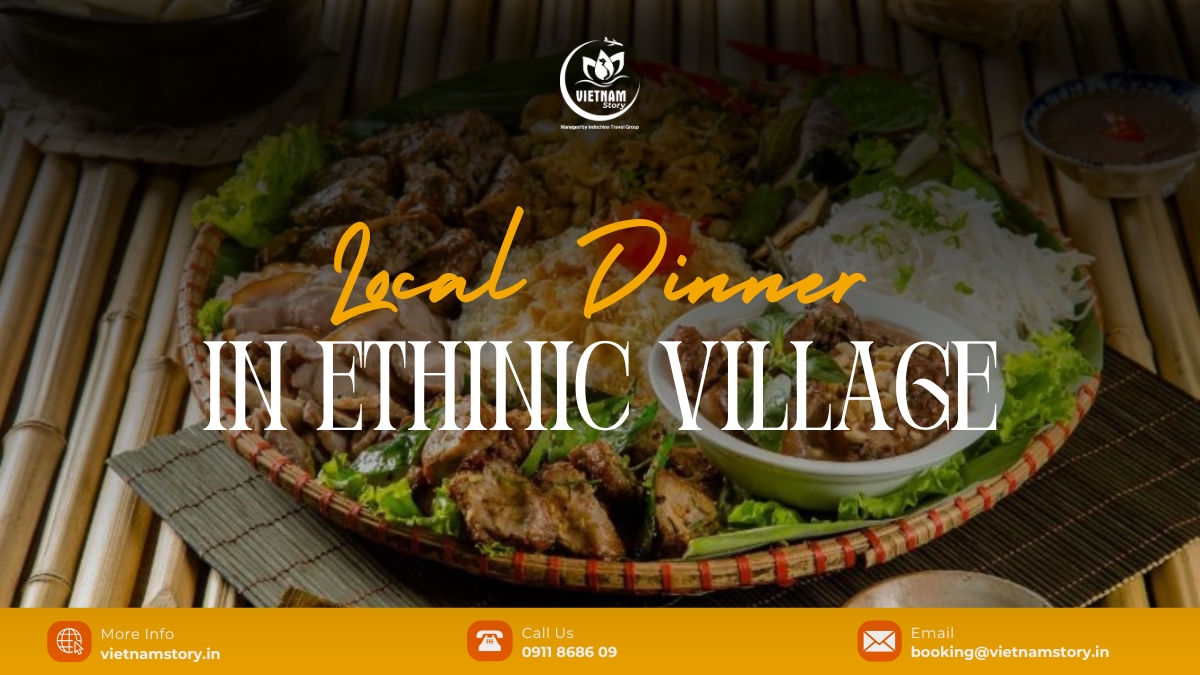
The allure of a local dinner in Ethnic village: Beyond the restaurant table
The magic of a village meal lies in the contrast between the chilly mountain air and the glowing embers of a traditional hearth. Imagine trekking through emerald rice terraces as the sun dips behind the Fansipan mountain range, only to be welcomed into a stilt house where the air smells of star anise and woodsmoke.
This experience is the heart of authentic Sapa cuisine. It is a communal, farm-to-table village food experience hosted by Hmong or Dao families, where the meal serves as a bridge for storytelling, rituals, and genuine human connection that no luxury hotel can replicate.
When you participate in a local dinner in ethnic village, you aren’t just a customer, you are a “guest of the house.” In 2026, these experiences have been refined to focus on ethical tourism. By dining in a family home in Lao Chai or Ta Phin, your tourism dollars go directly to the women-led kitchens of the highlands, helping preserve ancient recipes that were nearly lost to time. It is a “living classroom” where every dish tells a story of adaptation to the high-altitude environment.
READ MORE: Is Sapa Still Worth Visiting in 2026?
Cultural context: Food as Ethnic identity and survival in Sapa
To understand traditional food Sapa, one must understand the people. The Hmong, Red Dao, Giay, and Tay each have a “culinary fingerprint” that reflects where they live and how they have adapted to the rugged Hoang Lien Son range over centuries.
Food in Sapa is more than sustenance, it is ethnic identity. From the Hmong’s highland corn to the Dao’s forest herbs, every ingredient reflects a history of self-sufficiency. Today, this has evolved from simple survival into a sophisticated cultural experience in Sapa that empowers local communities through sustainable tourism.
For the Hmong, living on the highest slopes, corn and hardy greens are the pillars of life. For the Red Dao, who are the region’s premier herbalists, food is medicine. During a local dinner in ethnic village, you will notice that the meal is the anchor for family bonding. In the past, these meals were hidden away, but the 2026 tourism model has opened these doors, allowing you to share a dinner with Hmong family members who might be the third or fourth generation to cook over that very same fire.
Signature dishes: The “soul” of authentic Sapa cuisine
Authentic Sapa cuisine is a warming ritual designed to combat the highland chill. In 2026, many of these dishes have received “OCOP” (One Commune One Product) certification, which is a government guarantee of their quality, cleanliness, and local origin. The “soul” of the Sapa menu is divided between Hmong staples like Men Men (corn rice) and Red Dao specialties like Black Chicken herbal soup. These dishes are prepared using mountain spices like cardamom and lemongrass, creating flavors that are hearty, earthy, and surprisingly resonant with Indian spice profiles.
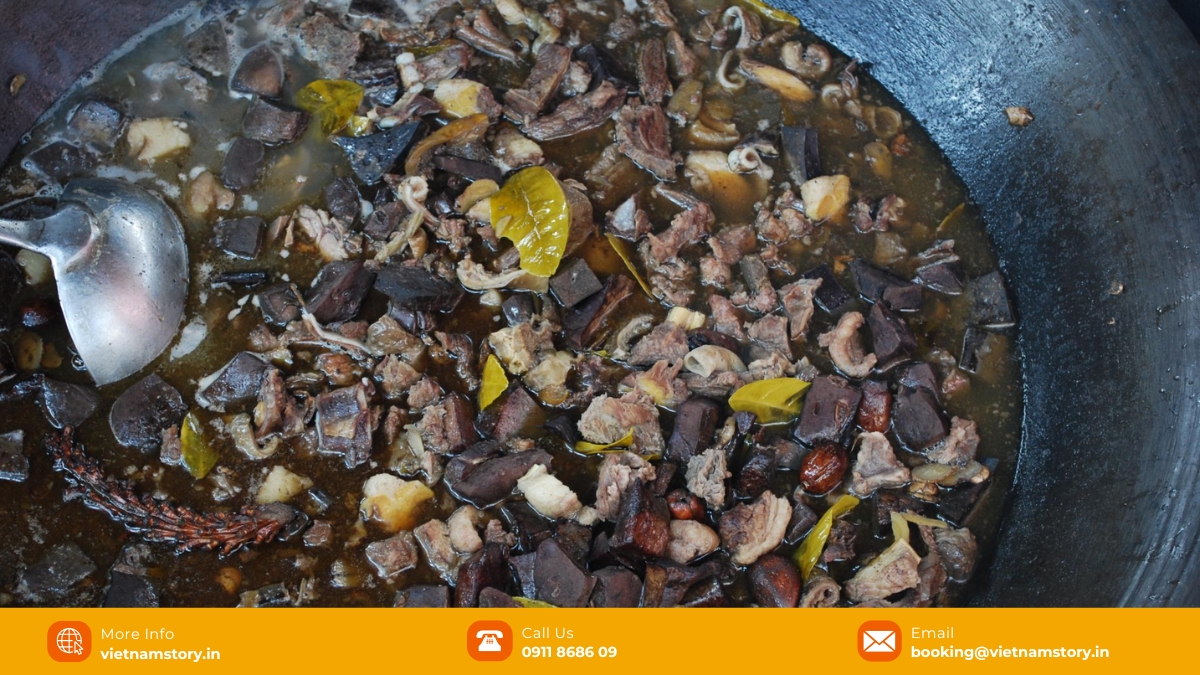
To help you navigate the menu, here are the must-try items during your village food experience:
Hmong upland staples
- Thang Co (Thắng Cố): Traditionally the legendary Hmong horse-meat stew. However, for our 2026 tours, most homestays now offer a Beef or Pork Thang Co to accommodate international palates. It is simmered with 12–20 mountain spices, including star anise and cinnamon bark.
- Men Men (Corn Rice): Often called “Hmong Bread,” this is corn ground and steamed twice in bamboo. It is naturally gluten-free, nutty, and highly nutritious.
- Five-color sticky rice (Xôi Nếp Lứt): An edible masterpiece dyed naturally with forest leaves (red, purple, yellow, green, and white), representing the five elements of the universe.
Red Dao and rare specialties
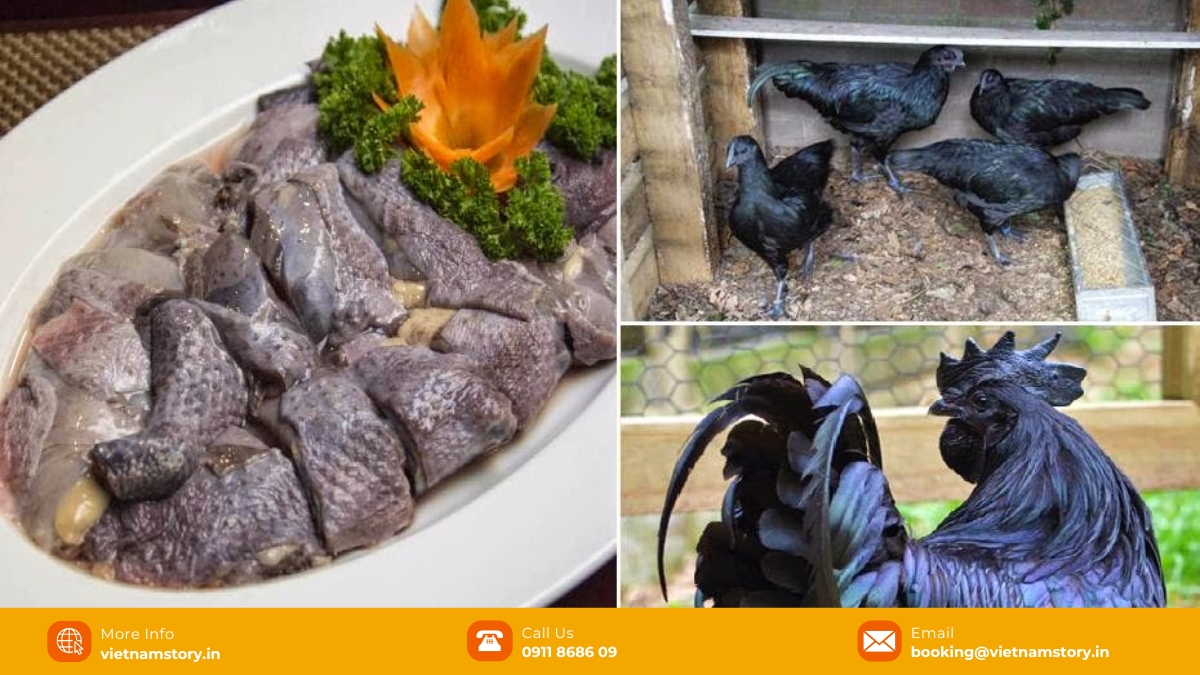
- Black chicken herbal soup (Gà Đen): A free-range breed with black skin and bones, braised with ginseng and forest roots. It is the ultimate medicinal “superfood.”
- “Arm-tucked” pork (Lợn Cắp Nách): Firm, sweet meat from small pigs raised naturally in the forest.
- Charcoal-grilled stream fish: Freshly caught from the valley rivers and grilled with “Mac Khen” (mountain pepper), offering a citrusy, numbing spice similar to Szechuan pepper.
READ MORE: The Best Places to Visit in Sapa
Cultural dining: Red Dao and Hmong kitchens
The “vibe” of your local dinner in ethnic village changes depending on whose home you are visiting. The architecture of the kitchen dictates the flow of the conversation and the heat of the room. Hmong kitchens are typically earth-floored, centered around a “Fire Heart” on the ground, creating an intimate, rustic atmosphere. Red Dao homes are often more structured wooden stilt houses where the meal is preceded by a ritual herbal bath to “reset” the body.
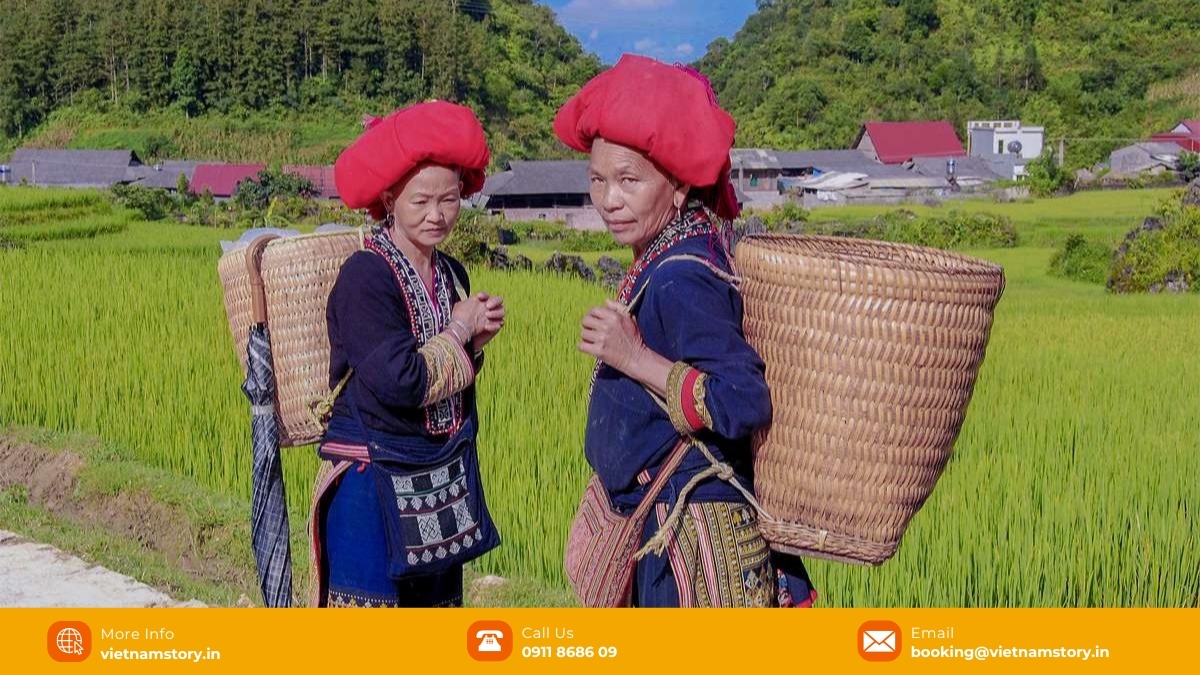
Here is what you can expect from the two most popular dining atmospheres in Sapa:
- The Hmong hearth (Lao Chai / Y Linh Ho): You will sit on low wooden stools around a central fire. The highlight here is the ritual of sharing Rượu Ngô (Corn Wine). Note for our Indian friends: this wine is 40%+ ABV! We always advise taking a tiny sip first and never drinking it on an empty stomach.
- The Red Dao kitchen (Ta Phin / Nam Cang): The Dao are masters of hospitality. Before dinner, we recommend the Red Dao Herbal Bath (approx. 150,000–200,000 VND). Soaking in the steaming, mahogany-colored water for 20 minutes before sitting down to a hot bowl of herbal chicken soup is, in our opinion, the pinnacle of relaxation in Vietnam.
The dining experience: From the kitchen to the table
A local dinner in ethnic village is not a passive event where you wait for a waiter. It is an active, multi-sensory journey that starts the moment you step into the kitchen. The experience follows a traditional flow: from participating in food prep (pounding rice or chopping herbs) to sitting at a low table for a slow, unhurried meal. It concludes with storytelling and local beverages that aid digestion and promote sleep. For a truly immersive local experience meal Sapa, we encourage our guests to follow this flow:
- Arrival and prep: Join the family in the kitchen. In 2026, our guests love “Hand-in-Hand” cooking – try your hand at stuffing rice into bamboo tubes for Com Lam.
- Cooking methods: Watch how they use clay pots and open-grill smoking. There are no ovens or microwaves here; everything is powered by wood and skill.
- Serving style: Food is served all at once on a low table. There is no rush. You eat with shared chopsticks, and the host will often toast to your health multiple times.
- Beverages: Apart from the fiery corn liquor, you will be served Herbal Forest Tea (made with ginger and lemongrass) which is excellent for digestion after a heavy meal.
Top locations for a dinner with Hmong family and beyond
Not all villages are the same. Depending on your trekking ability and how much “comfort” you need, you might choose a village closer to town or one deep in the valley. From the accessible Hmong homes in Cat Cat to the remote stilt houses of the Tay in Ban Ho, Sapa offers a variety of locations for a local dinner in ethnic village. Each village has a signature dish and a unique level of immersion.
| Village/Homestay | Ethnic group | Signature meal highlights | Accessibility |
| Cat Cat Village | Black Hmong | 5-color sticky rice, grilled pork | 20-min walk from town; very accessible |
| Lao Chai / Y Linh Ho | Black Hmong | Smoked Buffalo, bamboo rice | Best for immersive overnights; 2-hour trek |
| Ta Phin Village | Red Dao | Black chicken soup, herbal bath | 12km drive from Sapa; perfect for wellness |
| Ta Van Village | Giay / Tay | River fish, fermented pork rolls | Riverside setting; easy family trek |
| Ban Ho Village | Tay | Eel soup, sticky rice cakes | Remote valley; for multi-day adventurers |
Vietnam Story curated experience for Indian travelers
We understand that Indian travelers have unique needs, especially regarding hygiene and dietary restrictions like Vegetarian or Jain diets. At Vietnam Story, we have tailored the local dinner in ethnic village to ensure you feel 100% comfortable.
We provide a “Jain & Vegetarian Sanctuary” by partnering with homestays that use separate cookware and fresh mountain greens. Furthermore, we ensure all partners have modern 2026 Food Safety Certificates, providing peace of mind without losing the authentic flavor.
- The vegetarian/Jain guarantee: Sapa is a “Green Tourism City” in 2026. We ensure our hosts use separate pans to cook fresh Cai Meo (mustard greens) and Mam Da (stone sprouts) for our veg guests.
- Hygienic assurance: While the kitchens look rustic, we only work with families who follow the strictly enforced 2026 sanitation standards. We ensure the water is boiled and the ingredients are “farm-to-table” fresh.
- Winter comfort: In 2026, our “Premium Homestays” feature heated stone floors and electric blankets. You can enjoy the traditional open-fire dinner and then retire to a warm, cozy bed – essential for Sapa’s sub-zero January nights!
READ MORE: The Best Time to Visit Sapa
Unique insights and Ethical etiquette for your village visit
Visiting a home is a privilege. To make the most of your cultural experience in Sapa, it is important to follow a few local “unwritten rules” to show respect to your hosts. Modern village life in 2026 is a blend of tech-savviness and ancient taboos. Respecting the family altar, avoiding handouts to children, and engaging with the community’s digital presence are all parts of being a responsible traveler.
- The altar rule: Every ethnic home has a sacred altar. Never sit with your back to the altar or point your feet toward it, as this is considered highly disrespectful to the ancestors.
- The “digital nomad” village: Don’t be surprised if your Hmong host is on a smartphone! Many hosts now livestream their “making of” dinner. Feel free to follow them on social media to keep the connection alive after you return to India.
- No handouts: Instead of giving money or candy to children (which discourages school attendance), we encourage you to buy a hand-woven napkin or a mountain spice blend directly from the kitchen. This supports the Women-led Cooperatives.
Practical travel guide: Organizing your meal
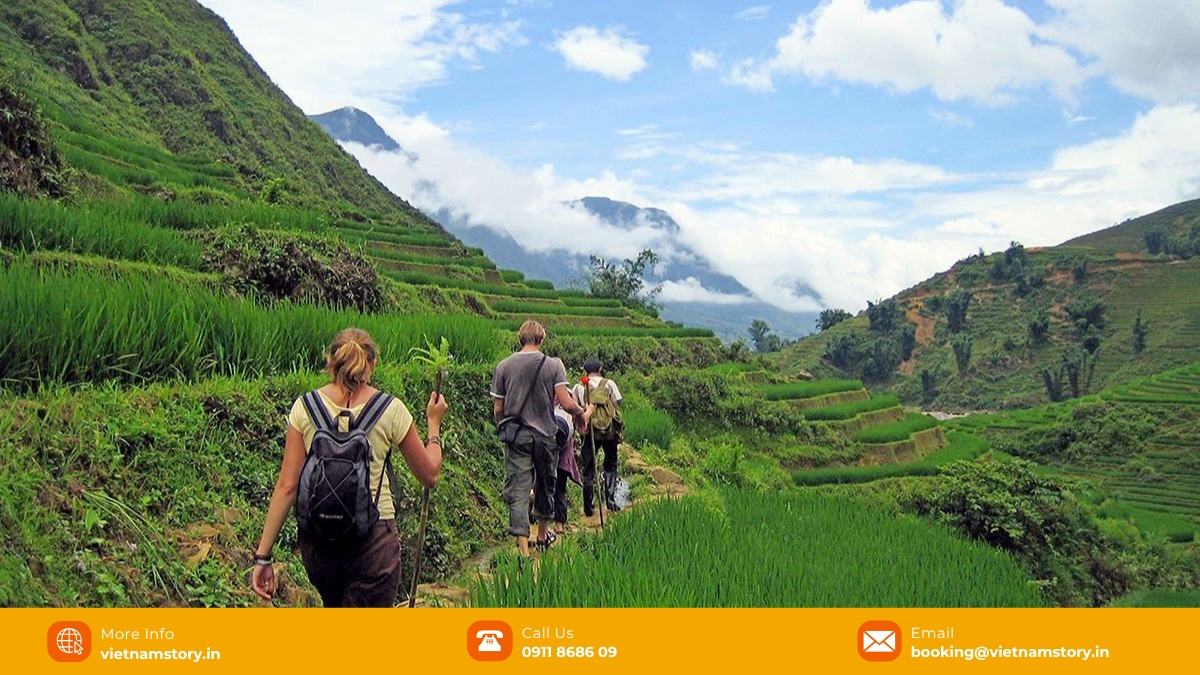
Planning a local experience meal Sapa requires a bit of foresight, especially during the peak harvest seasons. To arrange your dinner, you can book through community-led co-ops or as part of a trek+dinner package. We recommend evenings between 6:00 PM and 8:00 PM for the best atmosphere, and always inform your host of any allergies 24 hours in advance.
- Cost: Expect to pay between 15–25 per adult for a full 4–6 dish meal. Kids are usually half-price.
- Best timing: March to May (green season) or September to October (golden harvest).
- Booking: We recommend ETHOS Spirit Hmong homes or Ta Phin Dao co-ops for the most ethical experience.
- Packing: Bring a headlamp (village paths are dark!), a reusable water bottle, and modest clothing that covers your shoulders and knees for the family setting.
If you want to combine this amazing dinner with a world-class trekking experience, we highly recommend our Sapa: Y Linh Ho – Lao Chai – Ta Van – Giang Ta Chai (2 Days 1 Night) tour. This itinerary is specifically designed to land you in the heart of a Giay or Hmong home just as the dinner fire is being lit.
Conclusion
A local dinner in ethnic village is the moment you stop being a “tourist” and start being a part of Sapa. When you sit by that fire, sharing a bowl of steaming rice and listening to Hmong legends, you are tasting the resilience and beauty of the Vietnamese highlands. It is an experience that feeds the soul as much as the stomach.
At Vietnam Story, we are ready to welcome you to our table. We will handle the spices, the hygiene, and the logistics, all you need to bring is your appetite and an open heart. We can’t wait to see you in the Muong Hoa Valley in 2026!
Recommended Tours


Hanoi - Halong - Sung Sot - Titop - Luon Cave - Hanoi

Hanoi - Lan Ha Bay - Dark And Bright Cave - Hanoi


Hanoi - Halong - Sung Sot - Titop - Luon Cave - Hanoi


Ho Chi Minh - Cu Chi tunnels - Mekong delta - Hanoi - Ninh Binh - Bai Dinh pagoda - Trang An complex- Halong bay day cruise

Hanoi – Phu Quoc Island Explorer Package 6D5N
Hanoi - Halong Bay - Phu Quoc Island


Dragon Bay Premium Cruise 2D1N
Hanoi - Lan Ha Bay - Dark And Bright Cave - Hanoi