
What Hang Mua is — and what the visit is really for
Hang Mua sits near Tam Coc in the wider Trang An landscape area. Although the name refers to a cave, most travellers come for the staircase and the ridge viewpoints on Ngoa Long Mountain.Our advice is simple: treat Hang Mua as a physical viewpoint stop. It works well after or before a lower-effort boat or heritage visit, but there is little reason to add it just because every Ninh Binh checklist includes it.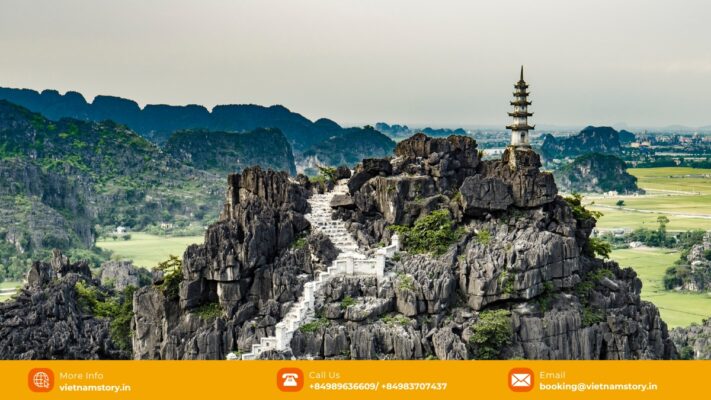
Why it is called Hang Mua
Local tourism accounts connect the name “Hang Mua” with a story about royal dance performances associated with the Tran period. Treat this as local historical tradition rather than the main reason to visit; the practical decision for travellers is still whether the climb and viewpoint fit the day.Location and How to Get There
Hang Mua is in the Ninh Xuan area near Tam Coc. Current Ninh Binh tourism information places the attraction in Hoa Lu City, Ninh Binh Province. For route planning, the useful point is that it sits close to the Tam Coc cluster rather than in central Ninh Binh.How it fits the map
- From Tam Coc: Hang Mua is a nearby add-on and usually fits the same half-day or day cluster.
- From Trang An or Hoa Lu: combine it only if you still have time and energy for the climb.
- From Hanoi: plan the Ninh Binh transfer separately; do not judge the day only by the road distance.
Getting to Mua Caves
If you are coming from Hanoi, first decide whether Mua Cave is part of a same-day Ninh Binh route or you are staying overnight. Use our Hanoi to Ninh Binh transport guide for train, limousine and car trade-offs; use the Ninh Binh day-trip guide if the vehicle is part of the sightseeing day.From Tam Coc, Ninh Binh city or a nearby hotel, compare a local taxi/ride, bicycle or other local transport by your exact starting point and the weather. The climb is the demanding part of the visit, so there is little reason to add a complicated transfer simply to save a small amount.Use the real hotel-to-Hang Mua route
For local navigation, use the current Hang Mua map pin from your hotel or previous attraction rather than following a generic highway sequence from an old guide. The useful question is whether you are already on the Tam Coc side, coming across from Trang An/Hoa Lu, or arriving from Hanoi; those starting points create very different days.
Parking
Parking is available around the Hang Mua entrance area, but parking charges can change and may differ by facility. Check the displayed fee before leaving the vehicle rather than relying on an old fixed amount.Mua Caves entrance fee in 2026
According to Ninh Binh Tourism’s 2026 provincial price list, the Hang Mua entrance fee is 150,000 VND per visitor over 1 metre; children under 1 metre are free. This replaces the older 100,000 VND figure that previously appeared on this page.For opening time and last admission, check Hang Mua shortly before your visit. We would not build a sunrise or late-evening plan around an old fixed 6:00–19:00 schedule without reconfirming it.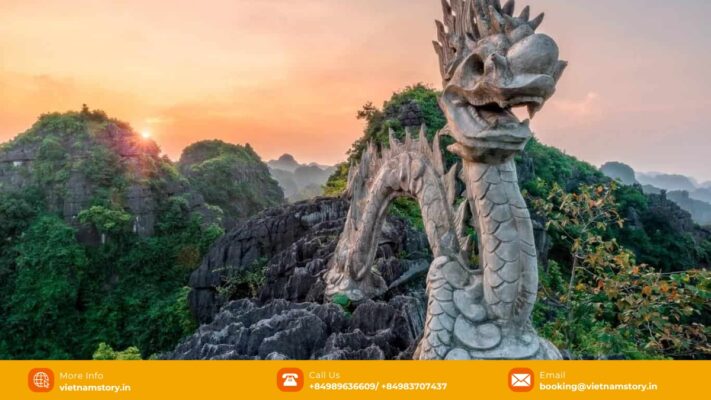
What the Hang Mua visit actually involves
Most visits revolve around three things: the climb, the two ridge viewpoints and the scenery over Tam Coc. The rest of the site is secondary, so plan the stop around your energy and the weather rather than trying to “complete” every photo point.The climb: roughly 500 stone steps
The main activity is the climb of roughly 500 stone steps. Pace varies a lot with heat, fitness and crowding, so do not treat an old “20–45 minute” estimate as a schedule. Near the top, the path separates toward different ridge viewpoints, including the dragon ridge. The steps are exposed and can be slippery after rain; take breaks and turn back if conditions are uncomfortable.Use the viewpoint when visibility is good
The viewpoint looks across the Tam Coc valley, Ngo Dong River, rice fields and surrounding limestone karsts. Visibility changes quickly with haze, rain and cloud, so the climb is more worthwhile when the weather is clear enough to use the view.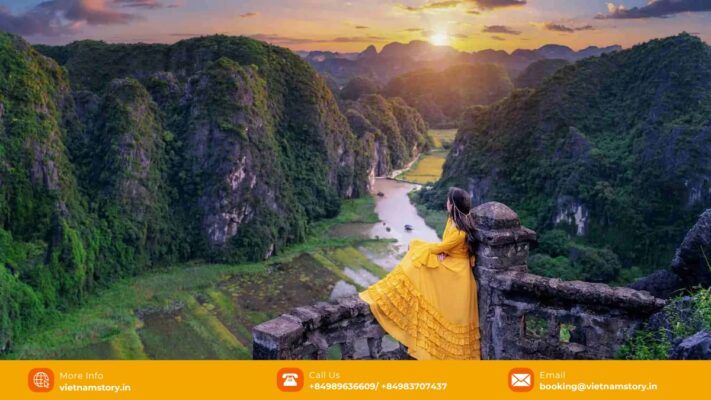
Plan photos around visibility and crowding
If photography is your priority, give more weight to visibility and crowding than to a fixed “golden hour” rule. The ridge, stone staircase and Tam Coc view are the main subjects. Cooler light can be easier to work with, but confirm current opening times before planning around sunrise or late sunset.The cave and base-area gardens are secondary
Do not plan Hang Mua as a cave visit just because of the English name “Mua Cave”. The staircase and ridge viewpoints are the main reason most travellers come. Any cave or garden areas near the base are better treated as optional time before or after the climb, depending on what is open and how much energy you still have.
The lotus pond and landscaped areas can add colour around the base, but flowering conditions change with season and weather. If the viewpoint is your priority, protect time and energy for the stairs rather than trying to complete every photo area first.
When does the climb make sense?
The best day for Hang Mua is one with reasonable visibility, manageable heat and dry enough steps. Rice-field colour changes with the agricultural cycle and can shift from year to year; if the field stage matters for photography, use our Ninh Binh rice-fields guide and check recent conditions shortly before the visit.Rain and visibility
Wet weather can make the stone steps slippery and reduce the value of the viewpoint. If your dates are still flexible, use our Best Time to Visit Ninh Binh guide for the broader travel-window decision. If your month is already fixed, use the weather-by-month guide for heat and rain context, then check the short-range forecast for the actual climb day.What time of day works best for the climb?
Cooler hours are usually easier because the staircase is exposed, but confirm the attraction’s current opening time before planning a sunrise ascent or a late sunset visit. In hot weather, avoid forcing the climb into the hottest part of the day; after rain, give more weight to stair conditions and visibility than to a photography timetable.Food after the climb
Hang Mua does not need its own food itinerary. If you are continuing through Tam Coc or another Ninh Binh base, choose lunch around the next stop rather than returning here for a specific dish. For restaurant choice and dietary needs, use our Ninh Binh restaurant guide or Indian restaurants in Ninh Binh guide.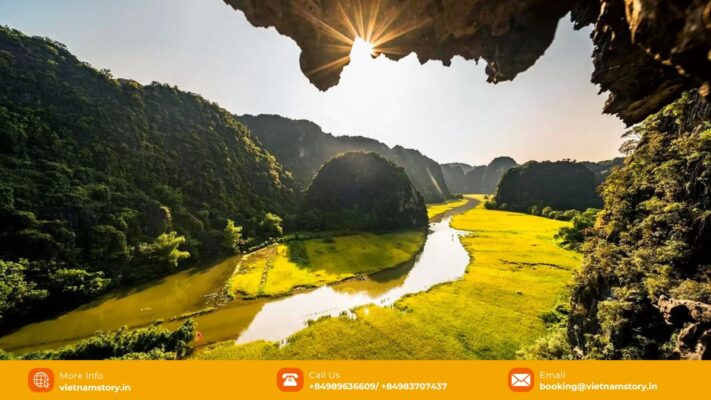
What to pair with Hang Mua
Hang Mua works best when it adds a viewpoint to a day that already has one lower-effort anchor. We would keep the pairing geographic and avoid turning the climb into the middle of a province-wide checklist.
| Pairing | Why it works | Watch for |
|---|---|---|
| Tam Coc + Hang Mua | Compact Tam Coc-side route: river-level landscape plus the high viewpoint. | Heat and climb fatigue if both are pushed into the middle of the day. |
| Trang An + Hang Mua | Works when you want one major boat experience and one active contrast. | More transfer time than a Tam Coc pairing; keep the rest of the day light. |
| Hoa Lu or Bich Dong + Hang Mua | Adds a shorter cultural stop instead of another physically demanding attraction. | Choose one that fits the side of Ninh Binh you are already using. |
Van Long, Thung Nham and Cuc Phuong are better treated as separate nature blocks on a longer stay rather than automatic additions after the climb. For the wider shortlist, use our things to do in Ninh Binh guide.
Practical checks before climbing Hang Mua
The climb is simple to understand but physically exposed. Before going, we would check the few things that can actually change the experience:
- Weather and visibility: check the short-range forecast; wet steps and low cloud matter more here than a monthly “good season” label.
- Footwear: use shoes with reliable grip. The stone staircase is steep and can be slippery after rain.
- Heat: in hot weather, move the climb earlier or later rather than forcing it into the hottest part of the day.
- Water and sun protection: carry enough water for the climb and use sun protection on the exposed staircase and ridge.
- Mobility and pace: nearly 500 steps is not compulsory sightseeing. Turn back or skip the climb if the stairs do not suit someone in the group.
- Photos: keep your hands free on steep sections and give other visitors space on the narrow ridge instead of stopping in unsafe positions for a picture.