
The easiest way to choose places in Hoi An is by area, not by a long ranking. The Ancient Town holds the main heritage buildings and markets; the coast sits to the east; craft and farming villages spread outside the historic core; My Son and the Cham Islands need their own larger time blocks.
If you are deciding how to fill the day with food, tailoring, cooking, basket boats or workshops, use the things to do in Hoi An guide. Decide first where you actually want to go, then group places that naturally fit the same route and protect a separate block for the ones farther away.
Choose the area before choosing the landmark
Walkable coreAncient Town Japanese Covered Bridge, merchant houses, assembly halls, museums, Central Market and the riverside can be grouped in one walking block.
Short ride eastCoast and Tra Que An Bang, Cua Dai and Tra Que change the pace without using most of the day in transport.
Village half-dayCam Thanh or Thanh Ha Choose one when water-coconut landscape or a living craft village is more important than adding more Old Town buildings.
Larger excursionMy Son or Cham Islands Protect several hours or most of the day. These should compete with each other, not be treated as quick Hoi An stops.
Start with the Ancient Town
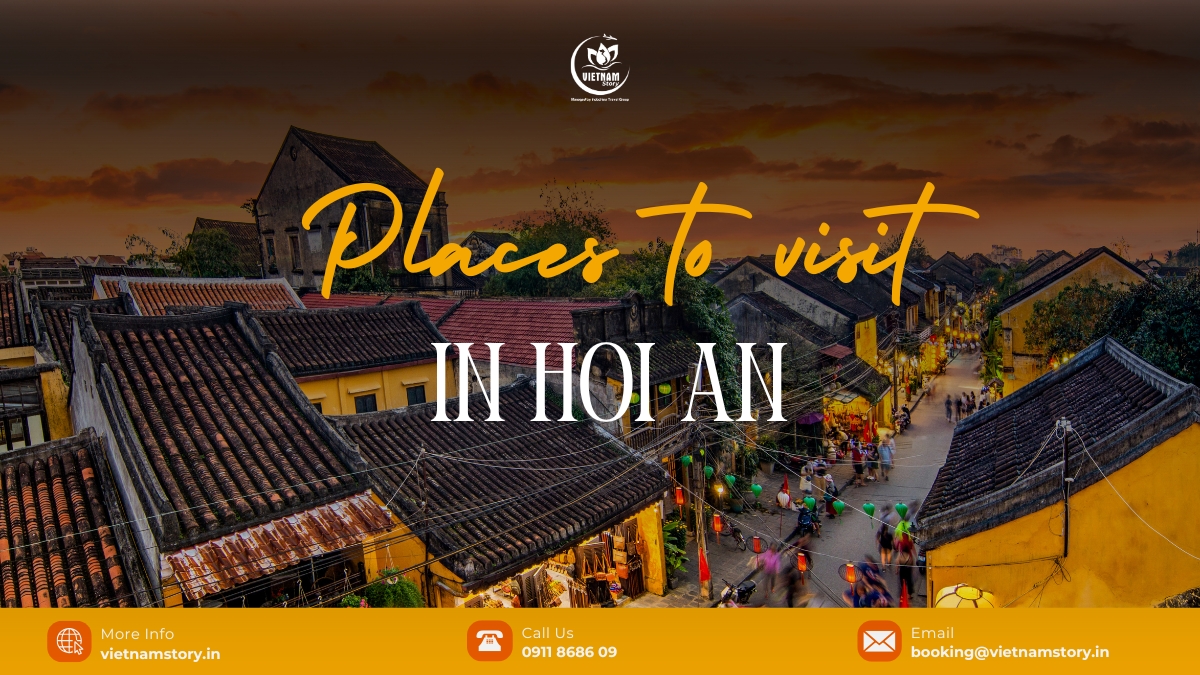
UNESCO describes Hoi An Ancient Town as an exceptionally well-preserved trading port whose surviving urban fabric reflects activity from the 15th to the 19th centuries. The point of the area is not one monument by itself, but the way streets, timber buildings, religious sites, markets, quays and houses still sit together as a historic townscape.
That makes the Ancient Town the logical first area for a new visitor. Walking between a few carefully chosen buildings usually gives more context than trying to enter every ticketed site.
Choose two or three heritage stops
| Place | Why stop | How it fits | More detail |
|---|---|---|---|
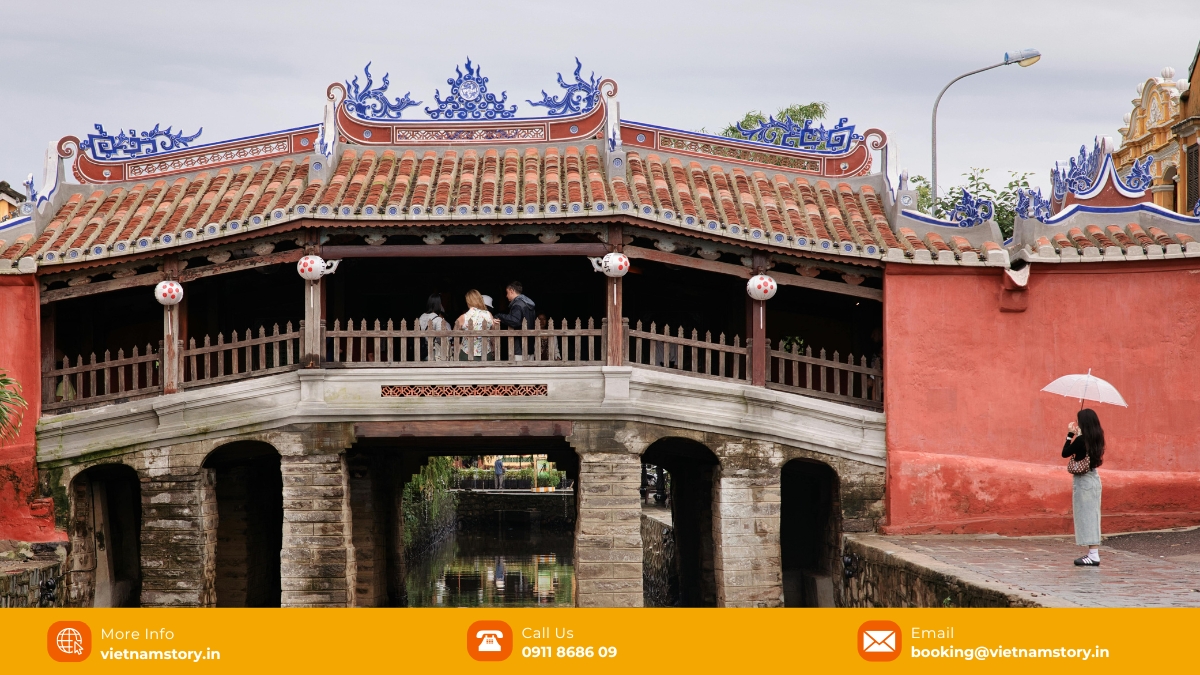
| Japanese Covered Bridge | A compact landmark tied to Hoi An’s multicultural trading history | Use it as one end of an Old Town walking route | Japanese Covered Bridge guide |
| Tan Ky Old House | A merchant-house interior that helps explain domestic and trading life | Useful when you want one historic house rather than several similar interiors | Tan Ky Old House |
| Fujian Assembly Hall | A larger communal and religious space associated with Hoi An’s Chinese trading communities | Pairs well with a merchant house because the scale and purpose are different | Allow time to look rather than treating it as a photo stop |
| Museum stop | Useful when the trading history or earlier cultures matter more than another architectural interior | Choose one museum that matches your interest | Do not add every museum simply because they are close together |
Markets and the river sit on the edge of the heritage walk
Central Market works best as part of a daytime Old Town route. An Hoi and the night-market area belong to the evening side of the river. They are geographically close, but the atmosphere and timing are different.
- Central Market: useful in the morning or around lunch if you want produce, local food stalls and the working-market side of the town.
- Hoi An Night Market: better treated as an evening browse for lanterns, souvenirs and snacks rather than a major daytime attraction. Use the Hoi An Night Market guide for the market itself.
- Hoai riverside: easy to include in an evening walk. A short boat ride is optional; compare it with other formats in the Hoi An boat tours guide.
An Bang and Cua Dai serve different coast plans
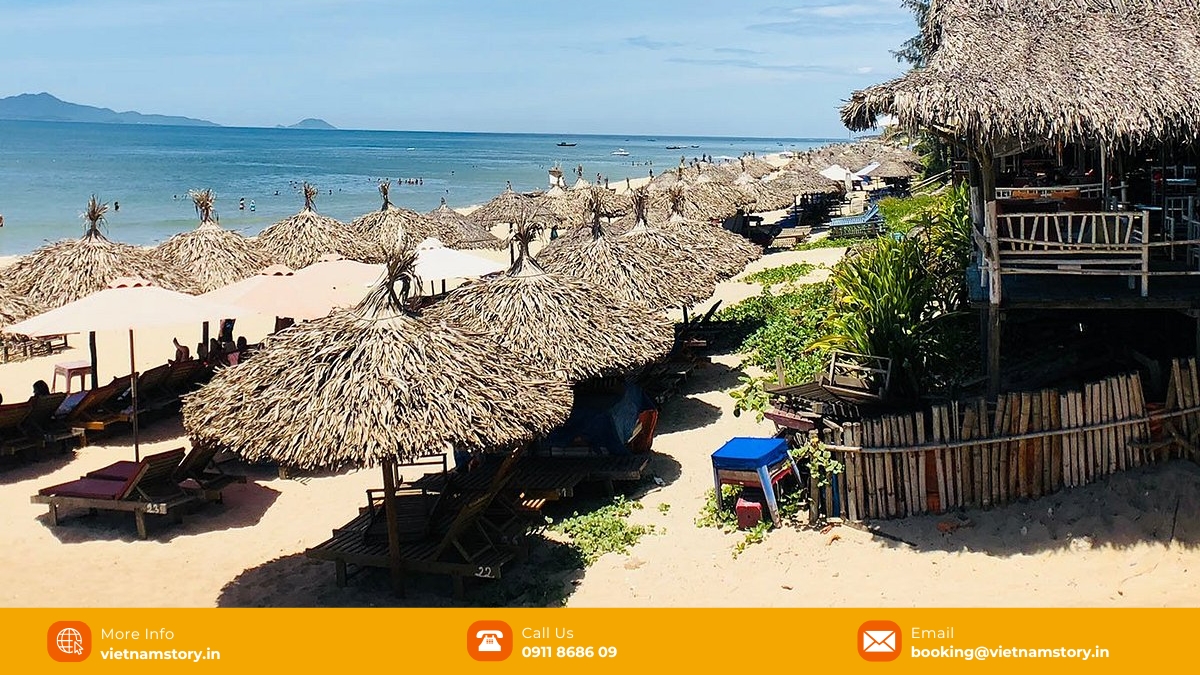
Do not treat the Hoi An coast as one beach with two names. An Bang is generally the easier choice when you want restaurants, a beach break and a place to spend a few hours. Cua Dai can make more sense when your accommodation is there or when the day’s logistics point toward the Cua Dai side.
Sea conditions, erosion, swimming conditions and beachfront access can change. For a coast comparison rather than a single recommendation, use the beaches in Hoi An guide.
Choose one village for the reason it is different
The villages around Hoi An are not interchangeable. Cam Thanh is defined by water-coconut waterways and basket-boat routes; Thanh Ha by pottery; Tra Que by farming and herbs; Kim Bong by woodworking. A short stay rarely needs all of them.
| Village | Main reason to go | Good fit when | Main trade-off |
|---|---|---|---|
| Cam Thanh | Water-coconut landscape and basket-boat routes | You want waterways or a countryside activity close to town | Busy and quiet routes feel very different, so route choice matters |
| Thanh Ha | Pottery-making tradition and village craft landscape | You want to see a living craft rather than another heritage interior | Give the village enough time to watch the process; do not reduce it to a souvenir stop |
| Tra Que | Vegetable-growing landscape, herbs and farming activity | Cycling, food or a cooking-oriented half-day is the priority | Many products bundle cooking and farming; check what you actually want to do |
| Kim Bong | Woodworking tradition across the river | Craft history matters more than a packaged activity | Usually a more deliberate visit than an automatic first-timer stop |
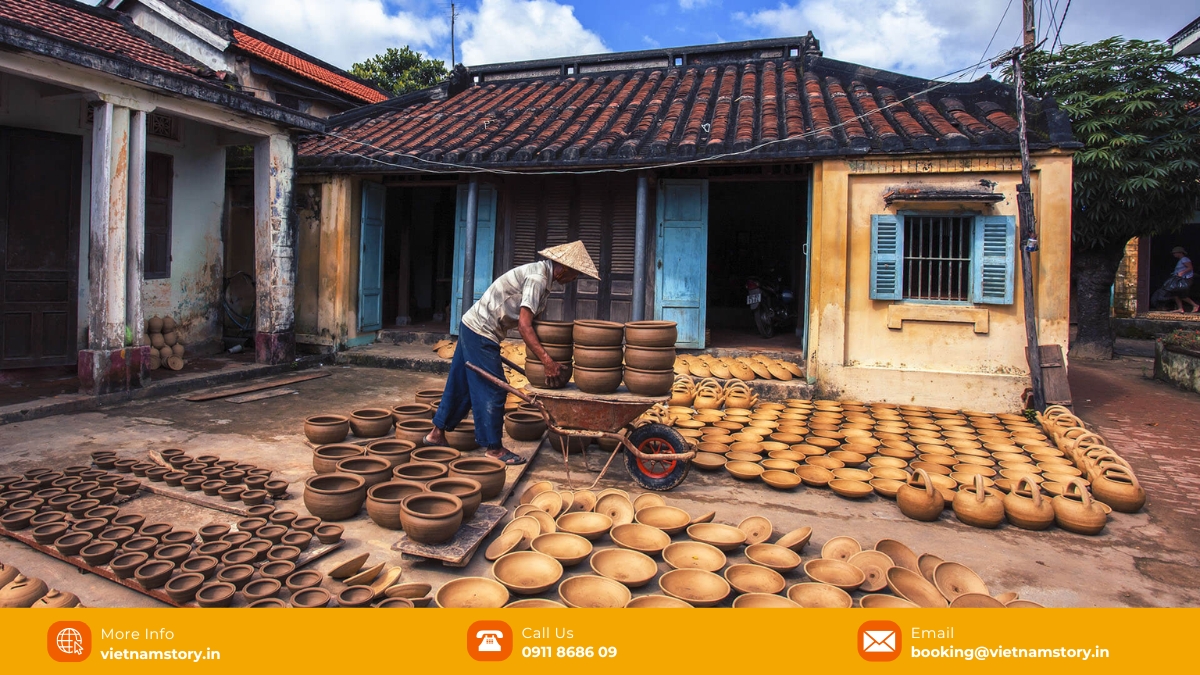
Thanh Ha remains an active community-based craft destination rather than a historical label only. The village’s pottery tradition is more than 500 years old, and current local heritage material continues to document production, artisans and community tourism there.
My Son and Cham Islands are separate day-trip decisions
Both are commonly sold from Hoi An, but neither is a quick extension of an Old Town walk.
| Excursion | Choose it for | Time to protect | What can change the plan |
|---|---|---|---|
| My Son Sanctuary | Cham religious architecture, archaeology and regional history | Several hours including road transfer | Heat and exposed walking can affect comfort |
| Cham Islands | Island landscape or a marine-focused day | Most of a day | Sea state, boat operation and activity conditions |
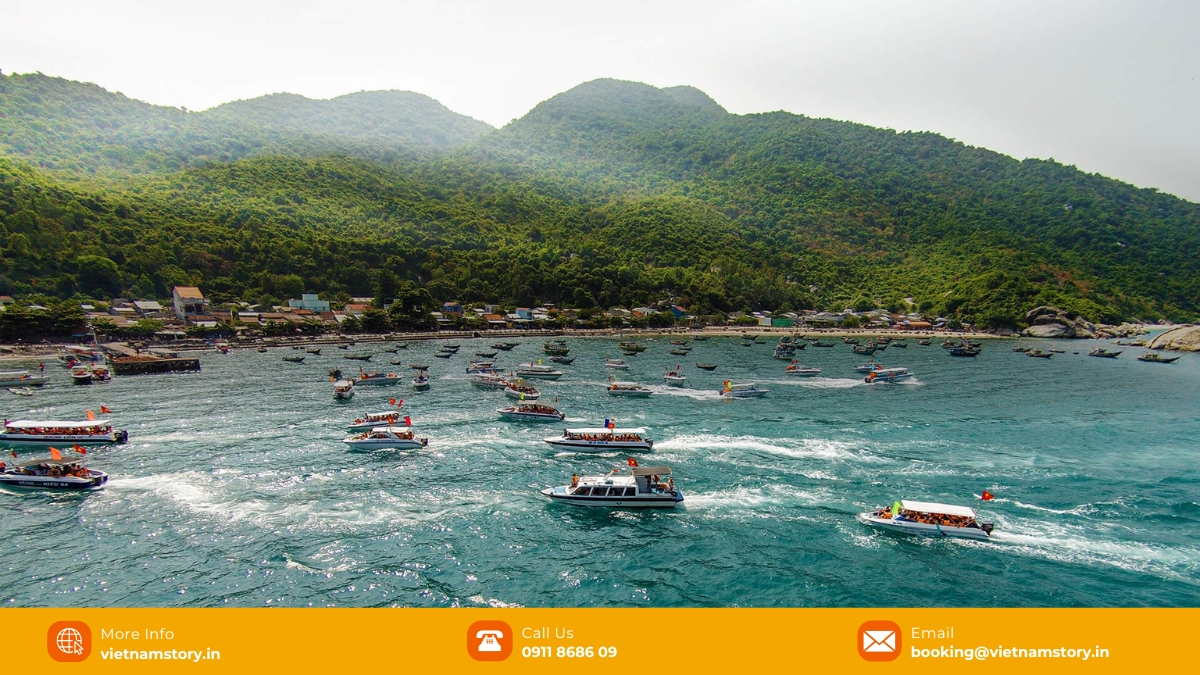
If snorkeling or diving is the reason for going, continue to the Cham Islands snorkeling or scuba diving guide when the marine activity is the main reason for the day.
Da Nang and Marble Mountains are not Hoi An stops
They are easy to combine with a Central Vietnam route, but geographically and practically they belong to the Da Nang side of the trip. That distinction matters when hotel base and transfer time are being planned.
If you are staying in Da Nang and only coming to Hoi An for part of a day, use the Hoi An day trip from Da Nang guide. If you are building several Central Vietnam days, compare the broader Da Nang–Hoi An–Hue route before adding more places.
Group places so you spend less time transferring
Ancient Town block: Japanese Covered Bridge → one merchant house or assembly hall → Central Market or museum → riverside.
East-side block: Tra Que → An Bang or Cua Dai, if both actually interest you.
Village block: choose Cam Thanh, Thanh Ha or another craft village rather than collecting several short stops.
Excursion day: My Son or Cham Islands. Keep the Hoi An evening separate if energy and transfer timing allow it.
If you have only one full day, an Ancient Town block plus one nearby contrasting area is usually enough. With two or three days, the places can be spread out so the town does not become a transit point between excursions.
Weather should change the area, not force a checklist
Rain, heat and sea conditions affect these places differently. Heritage interiors and markets are easier to use when the weather turns wet; beaches, islands and some countryside routes depend more on the conditions that day.
For seasonal planning, use the best time to visit Hoi An and Hoi An weather guides. Do not assume one month or one hour works equally well for every place in Hoi An.
Pick places that give the trip a different layer
For a first Hoi An stay, the Ancient Town supplies the heritage layer. The next place should add something different: coast, farming, pottery, waterways, archaeology or a marine day. That gives each stop a clear reason to be in the itinerary.
Once the locations are chosen, use the things to do in Hoi An guide to decide what to do inside those areas and how much time each activity deserves.
Opening arrangements, ticket rules, boat access and local operating conditions can change. Confirm time-sensitive details close to the travel date.